
Goa Food Tour – Best Local Food & Restaurants
Goa, India: The Ultimate Food Guide
Introduction to Goa’s Culinary Heritage
Goa’s food scene is a delicious testament to centuries of cultural exchange and colonial influence. Tucked along India’s southwestern coast, this vibrant state has developed a unique cuisine that blends Portuguese, Arab, African, and Indian flavors into something entirely distinct. The Portuguese ruled Goa for over 450 years, leaving an indelible mark on local cuisine through ingredients like chilies, potatoes, and pork preparations that remain central to traditional Goan cooking today. When you visit Goa, you’re not just experiencing Indian food—you’re tasting a complex historical narrative served on a plate.
The foundation of Goan cuisine rests on coconut, fish, and fiery spices. Unlike many Indian regions, Goa embraces pork and beef alongside vegetarian dishes, a legacy of Portuguese influence and Christian communities who settled here centuries ago. Coconut appears in almost every savory dish, while fresh seafood dominates menus due to the state’s extensive coastline. The combination of these elements creates intensely flavorful dishes that are simultaneously rich, spicy, and aromatic—a culinary experience that defines the Goan palate.
Iconic Goan Dishes You Must Try
Fish curry is undoubtedly the crown jewel of Goan cuisine, and no visit is complete without sampling authentic versions prepared in traditional family kitchens or established eateries. This tangy, spiced dish features fresh mackerel or kingfish cooked in a coconut-based gravy infused with tamarind, red chilies, and local spices. The result is a balance of heat, sourness, and creamy richness that perfectly encapsulates Goan flavor philosophy. Many Goan families guard their fish curry recipes fiercely, with subtle variations passed down through generations.
Vindaloo deserves special mention as Goa’s most internationally recognized contribution to Indian cuisine. Despite its association with India broadly, this pork curry originated right here in Goa, influenced by Portuguese cooking methods and ingredients. The dish combines tender pork with potatoes, vinegar, garlic, and an arsenal of spices that create a complex, deeply savory sauce. For vegetarians, paneer or jackfruit versions are increasingly available at progressive restaurants. Beyond these classics, don’t miss sol kadhi (a tangy coconut soup), ambotik (a sour curry with fish or meat), and the crispy, golden bread called puri that accompanies many meals.
Street Food Paradise: Top Street Food Experiences
Panaji’s bustling Majestic Market and surrounding streets offer some of Goa’s most authentic street food experiences. Here you’ll find vendor stalls selling piping hot bhajiya (vegetable fritters), batata vada (potato dumplings), and spicy chaat variations that are distinctly Goan. The narrow lanes around this historic market fill with food aromas in the late afternoon, drawing locals and adventurous travelers alike. Don’t miss the pani puri stands, where vendors customize each bite to your spice preference with tangy tamarind water and chickpea filling.
Anjuna Flea Market operates every Wednesday and offers a fascinating food experience alongside its famous trinket stalls. Multiple food vendors serve quick Goan snacks like cutlets, sandwiches, and the beloved bhakri (millet bread) with curry. For beachside street food, head to Baga Beach where numerous temporary stalls set up in the evenings, offering grilled fish, prawns, and corn. The beachfront location combined with fresh seafood makes this an unmissable experience. Colva Beach similarly hosts street vendors selling ice cream, fresh coconut water, and local seafood preparations.
Best Restaurants for Authentic Goan Cuisine
Pousada by the Beach in Nerul offers fine dining interpretations of traditional Goan dishes in an elegant setting overlooking Mobor Beach. Their crab xec xec (a curry featuring fresh crab) and duck sorpotel (a spiced, tangy meat curry) showcase sophisticated takes on classic recipes. The restaurant’s ambiance—colonial-style architecture with ocean views—elevates the dining experience while remaining true to authentic flavors.
Martin’s Corner in Betim has been serving authentic Goan fare since 1952 and remains packed with locals and tourists alike. Their sorpotel, prawn curry, and bebinca (Goa’s famous layered dessert) are consistently excellent and represent home-style cooking at its finest. For casual, budget-friendly authentic dining, seek out small family-run establishments in residential areas like Panjim where locals eat—these often serve the most genuine preparations. Viva Goa in North Goa and Mum’s Kitchen in South Goa are particularly celebrated for their commitment to traditional recipes and local sourcing.
Market Exploration: Where Locals Shop
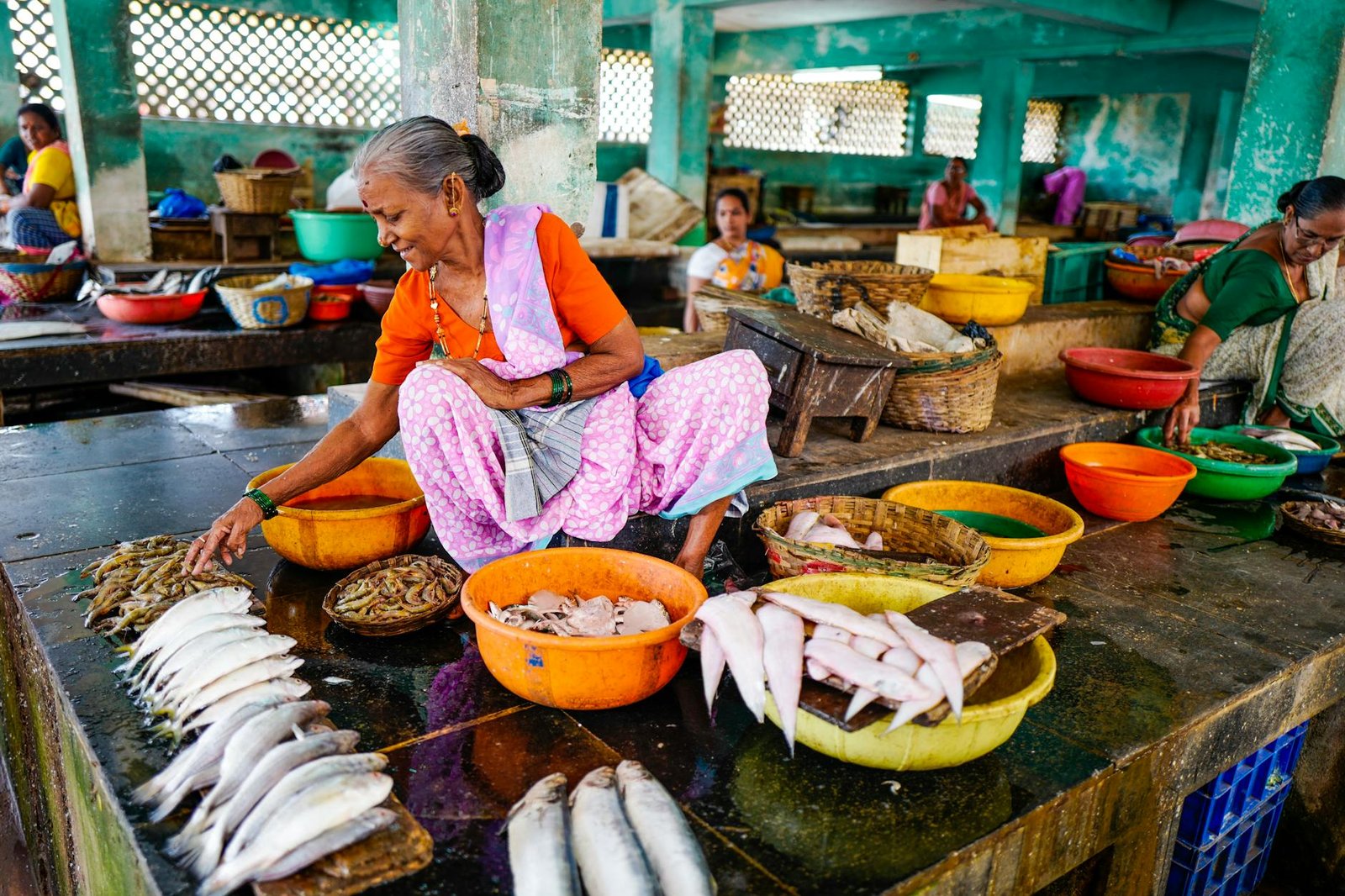
Majestic Market in Panaji stands as the heart of Goa’s food culture, operating since the Portuguese era. This sprawling market brims with coconuts, fresh fish, seasonal produce, and spices that form the backbone of Goan cooking. Walk through early morning around 6-7 AM when vendors are most active and the energy is palpable. You’ll see fishmongers arranging catches from the Arabian Sea, produce vendors calling out fresh mangoes and cashews, and spice merchants offering vibrant turmeric and cumin. The market provides sensory overload in the best way possible.
The Mapusa Friday Market, busiest on Friday mornings between 8 and 11, sells Goan chorizo, dried fish, pickles, cashews, bebinca and dodol. Wandering these markets gives insight into what actually appears on Goan tables and seasonal variations in local cuisine. Many hotels and tour operators offer market tours that include cooking classes or lunch preparations using freshly purchased ingredients—an educational experience that deepens appreciation for Goan food traditions.
Best Food Tours: Organized Culinary Experiences
Several excellent food tour operators provide guided culinary experiences throughout Goa. Viator offers multiple Goa food tours, including market visits combined with cooking classes and tastings in family homes. Their “Goa Street Food Tour” specifically explores markets, beach vendors, and local eateries while providing cultural context and recipes. These tours typically run 4-6 hours and are led by knowledgeable local guides who can navigate language barriers and provide insider recommendations beyond standard tourist destinations.
GetYourGuide similarly features numerous Goan culinary tours, from street food walking tours in Panaji to village cooking experiences where tourists learn traditional Goan cooking methods in local households. These personalized experiences often include visits to spice plantations, cooking demonstrations, and multi-course meals prepared by your guide’s family. Booking through these platforms ensures legitimate, well-reviewed operators and provides flexibility in scheduling. Many tours offer vegetarian and dietary-accommodating options, though advance notice is important for specialized requirements.
When to Visit for Food: Seasonal Considerations
November through February represents the ideal season for food tourism in Goa, offering pleasant weather, abundant fresh produce, and the height of the seafood season. During these months, monsoon-caught fish stocks are at their peak, and local festivals celebrate seasonal harvests. This period also coincides with Goa’s peak tourism season, meaning more tour operators, cooking classes, and culinary events are available. The cooler weather makes market exploration and street food tasting more comfortable.
The monsoon season (June-September) offers a dramatically different food experience if you’re flexible and embrace local preferences. This is when fresh coconuts arrive in abundance and certain seasonal dishes reach peak flavor. However, reduced seafood availability, unpredictable weather, and fewer scheduled tours make this period better suited for independent travelers. Summer months (March-May) bring intense heat but showcase mangoes, cashews, and other fruits that define Goan desserts and preserves. Plan your visit timing around both weather comfort and your interest in specific seasonal produce.
Desserts and Sweets: Ending on a Sweet Note
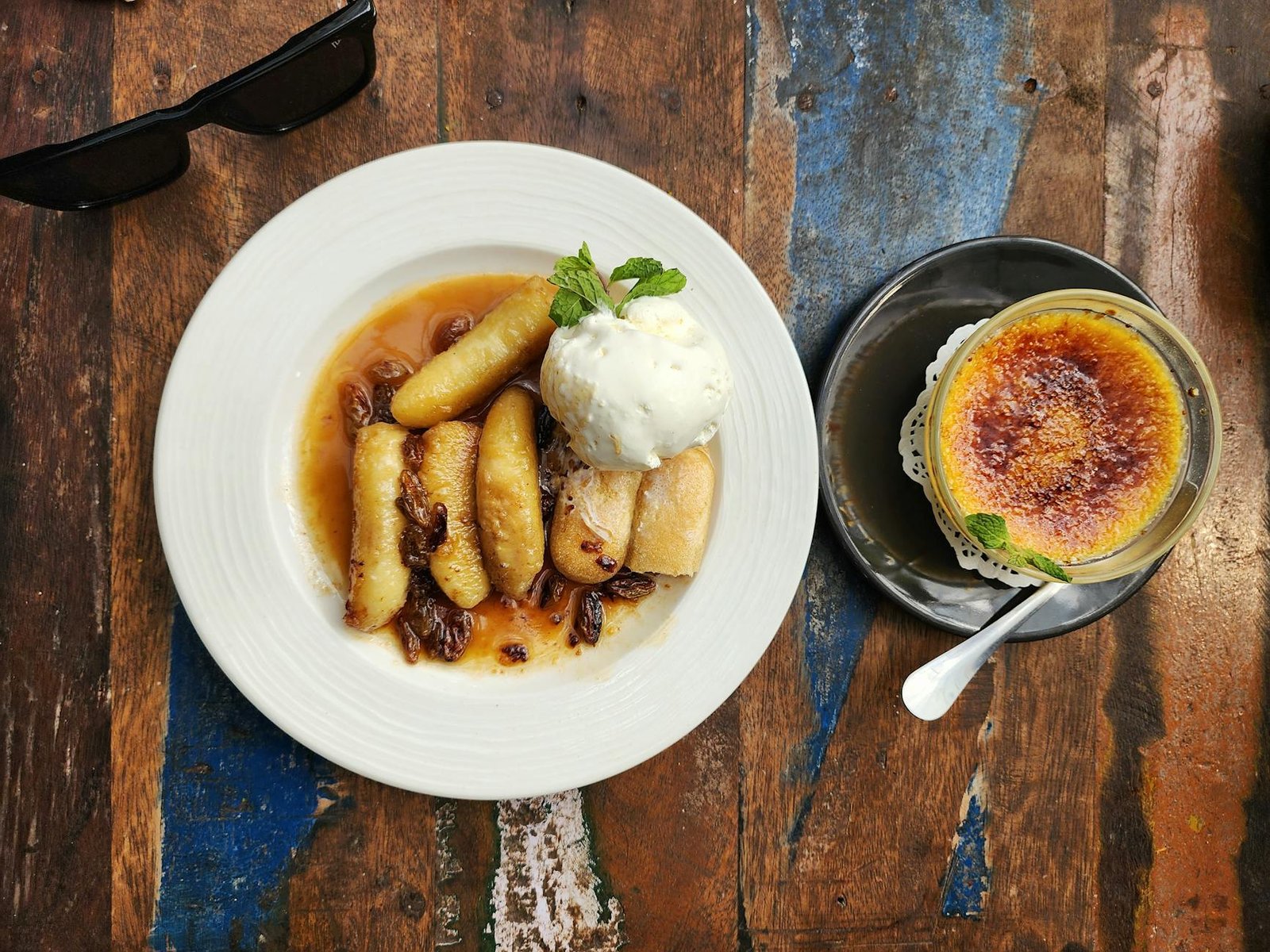
Bebinca stands as Goa’s most famous dessert, a seven-layered concoction of coconut milk, jaggery, eggs, and ghee that requires patience and precision to prepare. Each layer must set before the next is added, creating a rich, flan-like texture that melts on your tongue. Available in most Goan restaurants and sweet shops throughout Panaji and Margao, bebinca represents centuries of Portuguese-influenced Goan pastry traditions. Many families have secret bebinca recipes passed through generations, and tasting versions from different sources reveals interesting variations.
Complement your bebinca with other Goan sweets like nevryo (a cashew-coconut brittle), kheer (rice pudding with local coconut variations), and dodol (a sticky, date-like sweet made from jaggery and flour). The Portuguese influence appears in Goan pies and pastries, particularly around Christmas season when special baked goods flood markets. Don’t miss gulab jamun served in a light sugar syrup and local coconut candies sold at vendors throughout Panaji. These sweets provide perfect mementos to bring home and reminders of your culinary Goan adventure.



Book a Food Experience in Goa
Handpicked experiences — book with free cancellation and instant confirmation.
Explore More Food Tours
More food guides from India:
You might also enjoy:
- Kathmandu Food Tour Guide (Nepal)
- Chiang Mai Food Tour Guide (Thailand)
Frequently Asked Questions
What is the typical cost of a food tour in Goa?
Most guided food tours in Goa range from ₹1,500 to ₹3,500 ($18-$42 USD) per person for a 3-4 hour tour, depending on the neighborhood and inclusions. Premium tours with cooking classes or fine dining experiences can cost ₹4,500-₹6,000 ($54-$72 USD) or more. Street food walking tours are typically on the lower end, while tours combining multiple restaurants and beverages cost more.
How long do typical food tours in Goa last?
Most standard food tours in Goa last between 3 to 4 hours, covering 5-8 food stops with tastings and cultural insights. Half-day culinary experiences can extend to 5-6 hours and may include a cooking class or market visit. Full-day food tours visiting both North and South Goa typically run 8+ hours with transportation included.
What local Goan foods should I expect on a food tour?
You'll encounter signature Goan dishes like fish curry made with coconut milk and spices, vindaloo with its Portuguese-influenced heat, and recheado (stuffed) red chilies. Expect to taste sorpotel (pork cooked in vinegar and spices), prawn balchão, bebinca (layered coconut dessert), and fresh seafood prepared in coconut-based gravies. Street food highlights include pav bhaji, bhajiya, and Sol kadhi (a cooling coconut-based appetizer).
Which neighborhoods in Goa are best for street food tours?
Panaji's Fontainhas district is ideal for Portuguese-influenced Goan cuisine and colonial architecture, while Panjim market offers authentic local street food vendors. Margao in South Goa is known for traditional Goan food culture and local snacks, and Calangute beach areas have vibrant street food scenes popular with both tourists and locals. Anjuna's Saturday night market is excellent for sampling diverse Goan street food in a lively atmosphere.
What tips should I follow for dietary restrictions on Goa food tours?
Always inform tour operators about dietary restrictions (vegetarian, vegan, gluten-free, allergies) at least 48 hours in advance, as most tours can arrange alternatives with advance notice. Goan cuisine is traditionally seafood and meat-heavy, but vegetarian options like cashew curry, vegetable recheado, and rice-based dishes are available; vegan options require special requests. Many tour companies now offer specialized dietary tours, particularly in tourist areas like Baga and Colva.