
Nara Food Tour – Best Local Food & Restaurants
Nara, Japan: The Ultimate Food Guide
Understanding Nara’s Culinary Identity
Nara’s food scene is a fascinating blend of ancient Buddhist vegetarian traditions and contemporary Japanese cuisine. As the first permanent capital of Japan, this historic city developed a unique gastronomic heritage heavily influenced by temple culture and the strict dietary practices of Buddhist monks. Today, you’ll find kakinoha-zushi (persimmon leaf sushi), kaaki (persimmons), and a remarkable variety of Buddhist temple cuisine scattered throughout the city’s restaurants and markets. The local food philosophy emphasizes seasonal ingredients, minimal waste, and deep respect for traditional cooking methods that have been refined over centuries.
What makes Nara particularly special is how traditional dishes coexist with innovative modern interpretations. Young chefs are reimagining classical temple recipes while maintaining their spiritual essence, creating a dynamic food culture that honors the past without being imprisoned by it. The city’s location near Kyoto and Osaka also means you’ll experience influences from these culinary giants, though Nara maintains its distinctive identity through commitment to local producers and heritage recipes.
Top Street Food You Must Try
Walking through Nara’s streets means encountering some of Japan’s most distinctive street snacks. Kakinoha-zushi is perhaps the most iconic—fresh sushi wrapped in persimmon leaves that impart a subtle, delicate flavor while preserving the fish’s freshness. You’ll find vendors selling this specialty throughout the city, particularly near Nara Park and along Omotesando shopping street. Another must-try is kakigori (shaved ice), but Nara’s version often features unusual flavors like yuzu, sake, or matcha, served by small shops that have perfected their recipes over decades.
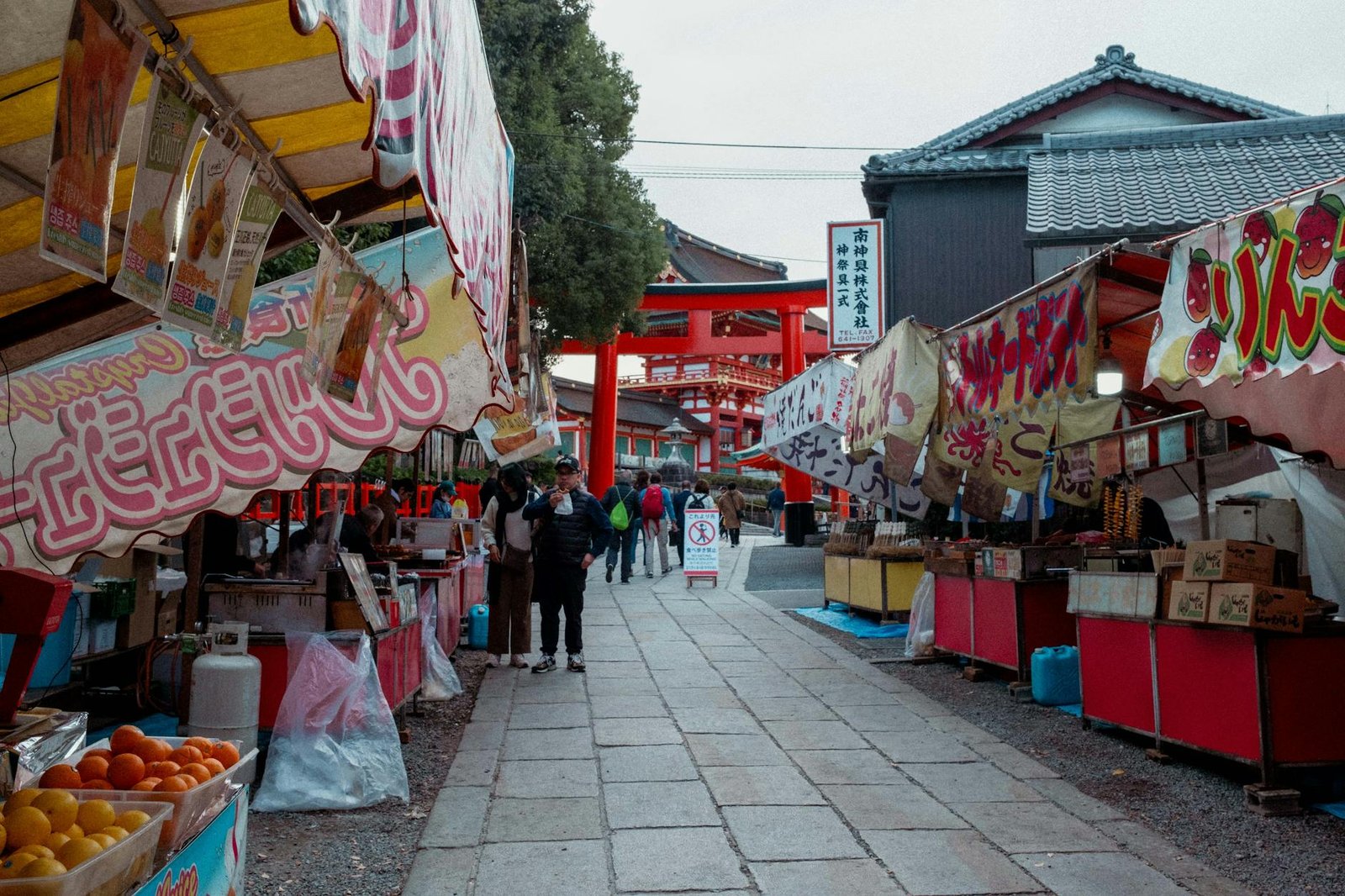
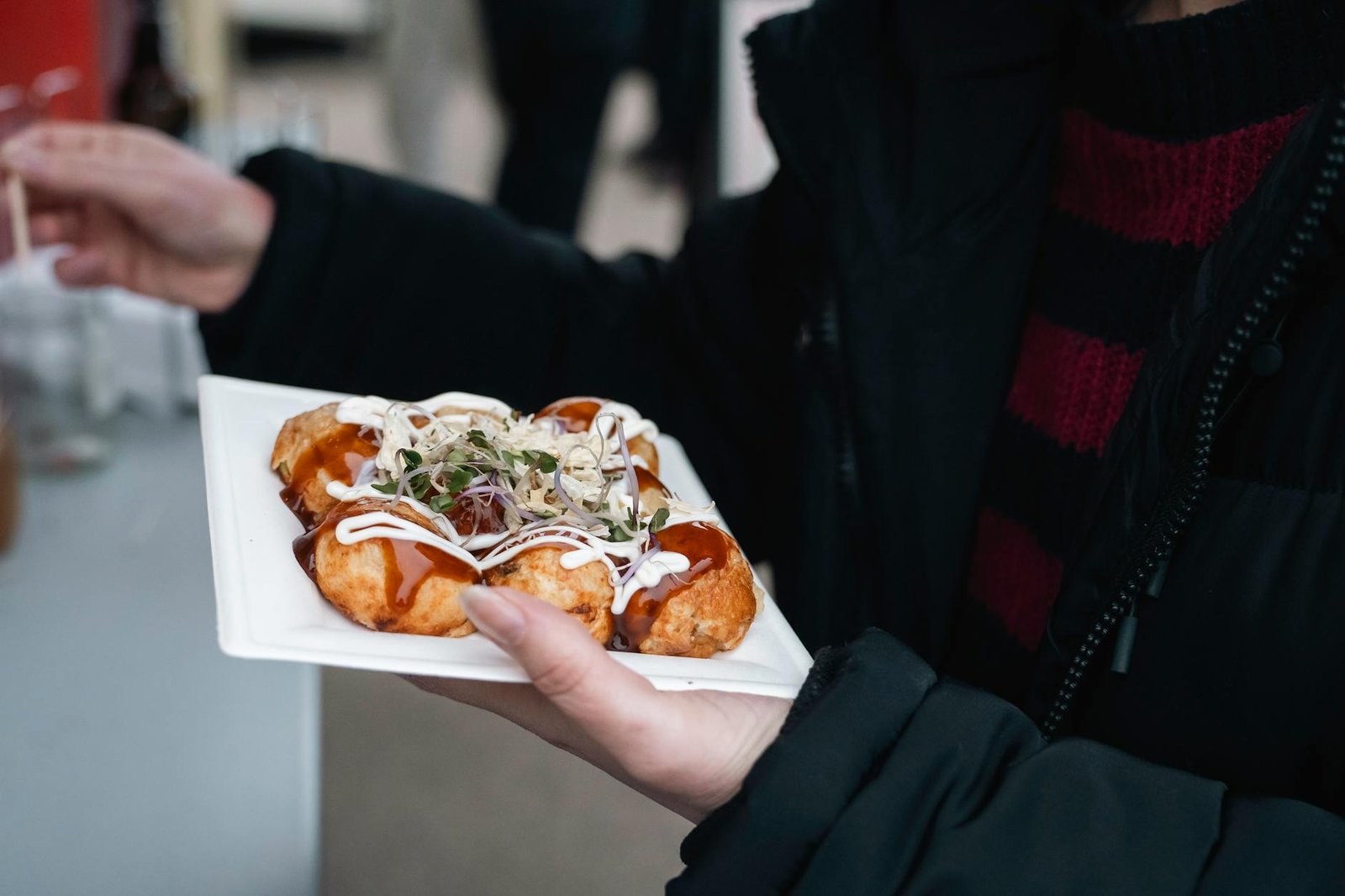
Don’t miss yomogi mochi (mugwort rice cakes) and kakinoha-mochi (persimmon leaf-wrapped mochi) sold at various stalls. For something more savory, seek out takoyaki from street vendors near the train stations, though here you’ll notice the takoyaki often incorporate local ingredients or unique flavor profiles. The covered shopping streets, particularly Shotengai near Kintetsu Nara Station, are your best bet for discovering authentic street food without wandering too far from central attractions.
Best Restaurants in Nara
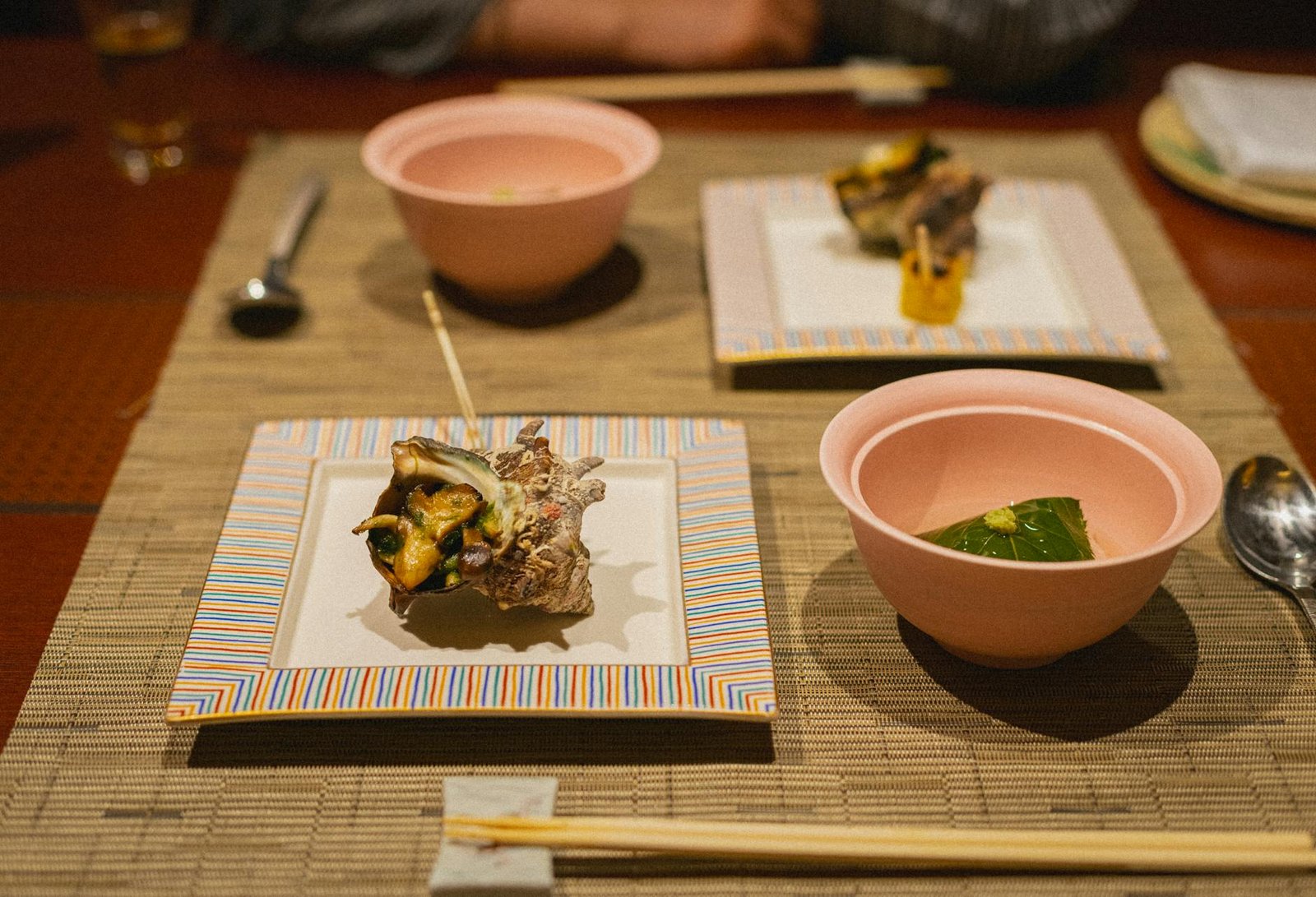
Nara’s Naramachi district and surrounding temple areas are home to restaurants specializing in shojin ryori—the elaborate vegetarian cuisine developed in Buddhist temples—with seasonal menus that change monthly. These dishes showcase vegetables sourced from local farms, prepared with techniques that have been passed down through monastic communities. The presentation is as important as taste, with each plate representing centuries of culinary philosophy.
For a more casual but equally authentic experience, visit Kakinohazushi Hompo Tanaka, just outside Kintetsu Nara station, where this specialty has been perfected since 1903. The restaurant offers just a handful of sushi varieties, each showcasing the clean, simple elegance of Nara cuisine. If you prefer modern Japanese with local touches, Sakura offers contemporary kaiseki dinners featuring Yamato beef and seasonal Nara vegetables in an intimate setting with views of the city. Restaurants fill quickly during peak seasons, so booking ahead is essential.
Markets and Local Shopping Districts
The Omotesando shopping street is Nara’s vibrant commercial heart, stretching from Kintetsu Nara Station toward Todai-ji Temple. This covered arcade features numerous food shops selling everything from fresh produce to prepared local dishes, making it perfect for assembling a gourmet picnic or picking up souvenirs. Naramachi, the historic merchant district, offers an even more atmospheric shopping experience with wooden machiya buildings housing specialty shops. Here you’ll find stores dedicated to kakinoha-zushi, persimmon products, sake breweries, and artisanal snack makers who’ve operated for generations.
Nara Central Market (Nara Chuou Ichiba) provides an authentic local shopping experience where residents purchase daily ingredients. While less touristy than Omotesando, it offers genuine interactions with shopkeepers and access to seasonal produce you won’t find elsewhere. This is where to buy fresh Yamato vegetables, local mushrooms, and ingredients for creating your own meals if you’re staying in an apartment or ryokan with kitchen facilities.
When to Visit for Food
Spring (April-May) brings fresh bamboo shoots, mountain vegetables, and the city’s famous spring vegetables that appear on every restaurant menu. The weather is pleasant, and festivals celebrating spring ingredients occur throughout the month. Autumn (September-November) is arguably the best season, when persimmons—the ingredient that defines Nara cuisine—reach peak ripeness. This is when you’ll find the most creative persimmon dishes in restaurants and the widest variety at markets. The cooler weather makes exploring the food scene more comfortable, and the fall vegetables offer incredible depth of flavor after summer harvests.
Winter (December-February) brings seasonal delicacies like fresh citrus and warming dishes featuring root vegetables and hearty broths. Summer (June-August) features lighter cuisine with cold noodles and refreshing preparations, though the heat and humidity can make market exploring challenging. If you’re specifically interested in kakinoha-zushi and persimmon products, visit between September and November for the ultimate experience. Avoid Golden Week (late April) and Obon (mid-August) when tourist crowds peak and restaurants may have altered hours.
Best Food Tours Available
Viator offers several food-focused tours of Nara, including “Nara Food Culture Walking Tour” which takes you through Naramachi sampling local specialties with a knowledgeable guide providing historical context. These tours typically last 3-4 hours and include tastings at 5-7 different locations, offering excellent value and insider access to hidden restaurants that tourists might otherwise miss. GetYourGuide features “Traditional Nara Food Walking Tour with Temple Lunch” where you’ll explore the city, visit a working temple, and enjoy authentic vegetarian temple cuisine prepared by Buddhist monks.
For a more immersive experience, look for cooking classes on both platforms where you can learn to prepare kakinoha-zushi or shojin ryori yourself. These classes typically run 2-3 hours and often include a market visit to source ingredients. Many tours include sake tastings from local breweries, providing comprehensive understanding of Nara’s complete food ecosystem.
Specialty Foods and Where to Find Them
Yamato vegetables represent Nara’s agricultural pride—these heritage varieties have been cultivated for centuries and possess unique flavors and textures. Look for Yamato negi (green onions) known for exceptional sweetness, and Yamato renkon (lotus root) prized for delicate texture. Local sake breweries like Harushika produce exceptional sake using local water and rice. Visit their breweries near Nara Park for tastings and to learn about production methods passed through generations. Yamato beef, while less famous than Kobe beef, offers excellent quality and appears on sophisticated restaurant menus throughout the city.
Persimmon products extend far beyond fresh fruit—look for persimmon vinegar, persimmon jam, dried persimmons, and persimmon leaf tea. Naramachi’s specialty shops stock these items, many from family operations that have produced them for over a century. Finally, don’t overlook Nara’s miso and soy sauce producers, who supply restaurants and home cooks with umami-rich fermented products that form the foundation of local cuisine.



Book a Food Experience in Nara
Handpicked experiences — book with free cancellation and instant confirmation.
Explore More Food Tours
More food guides from Japan:
You might also enjoy:
- Jeju Food Tour Guide (South Korea)
- Jeonju Food Tour Guide (South Korea)
Featured in:
Frequently Asked Questions
What is the typical cost of a food tour in Nara?
Most guided food tours in Nara range from ¥3,000 to ¥8,000 per person (approximately $20-55 USD), depending on the tour length and number of food stops included. Premium tours with expert guides and exclusive restaurant access can cost ¥10,000-15,000 or more. Many tours include 4-6 food tastings plus beverages, making them a good value compared to individual meal costs.
How long do typical food tours in Nara last?
Most food tours in Nara last between 2.5 to 4 hours, allowing time for leisurely walking and eating at multiple locations. Half-day tours (3-4 hours) are the most popular format, departing in morning or afternoon sessions. Some specialized evening tours focusing on izakaya culture may run 2-3 hours with fewer stops.
What local Nara foods should I expect to experience on a food tour?
You'll typically taste Nara specialties like kakinoha-zushi (persimmon leaf sushi), Nara-zuke (vegetables pickled in sake lees), and kakinoha mochi (sweet rice cakes wrapped in persimmon leaves). Tours also feature local soy sauce products, Yamato tea, and regional noodle dishes like miwa somen (ultra-thin noodles from Miwa). Many tours include visits to traditional shops selling yomogi mochi and other Nara confections.
Which neighborhoods in Nara are best for street food exploration?
Naramachi, the historic merchant district near Todai-ji Temple, is the premier area for food tours with its preserved wooden machiya buildings housing cafes, restaurants, and food stalls. Oji-cho and the streets around Kintetsu Nara Station also have excellent street food vendors and casual eateries. The area near Nara Park combines scenic views with casual food options and vendor stalls selling mochi and local snacks.
How can I request accommodations for dietary restrictions on a Nara food tour?
Most tour operators in Nara require 48-72 hours advance notice for vegetarian, vegan, or allergy accommodations, so inform them when booking. Buddhist temple areas and traditional restaurants often have vegetarian options, though seafood-based stocks are common in local cuisine. Gluten-free options are limited due to soy sauce and miso prevalence, so clearly communicate cereal allergies to your tour guide in advance.