Tokyo Cooking Classes: Ramen, Sushi, Ramen & Tempura Lessons
There is something quietly thrilling about standing in a Tokyo kitchen, apron on, watching a chef demonstrate the exact wrist motion used to slice tuna into perfect sashimi. You could eat your way through every ramen shop and sushi counter in the city — and you absolutely should — but learning to cook these dishes yourself is an entirely different kind of travel experience. Tokyo cooking classes have exploded in quality and variety over the past decade, offering visitors everything from professional culinary school demonstrations to intimate home sessions with local housewives who have been making ramen broth from scratch since before you were born. Whether you have one free morning or a dedicated food-focused itinerary, this guide covers exactly what is available, which classes are worth your money, and what skills you will genuinely bring home with you.
What Tokyo Cooking Classes Actually Teach You
The range of classes available in Tokyo is broader than most visitors expect. Yes, sushi and ramen are the headline acts, but the culinary classroom landscape here covers a genuinely impressive variety of Japanese cooking traditions. Knowing what is on offer before you book saves time and ensures you come home with skills that match your actual cooking life.
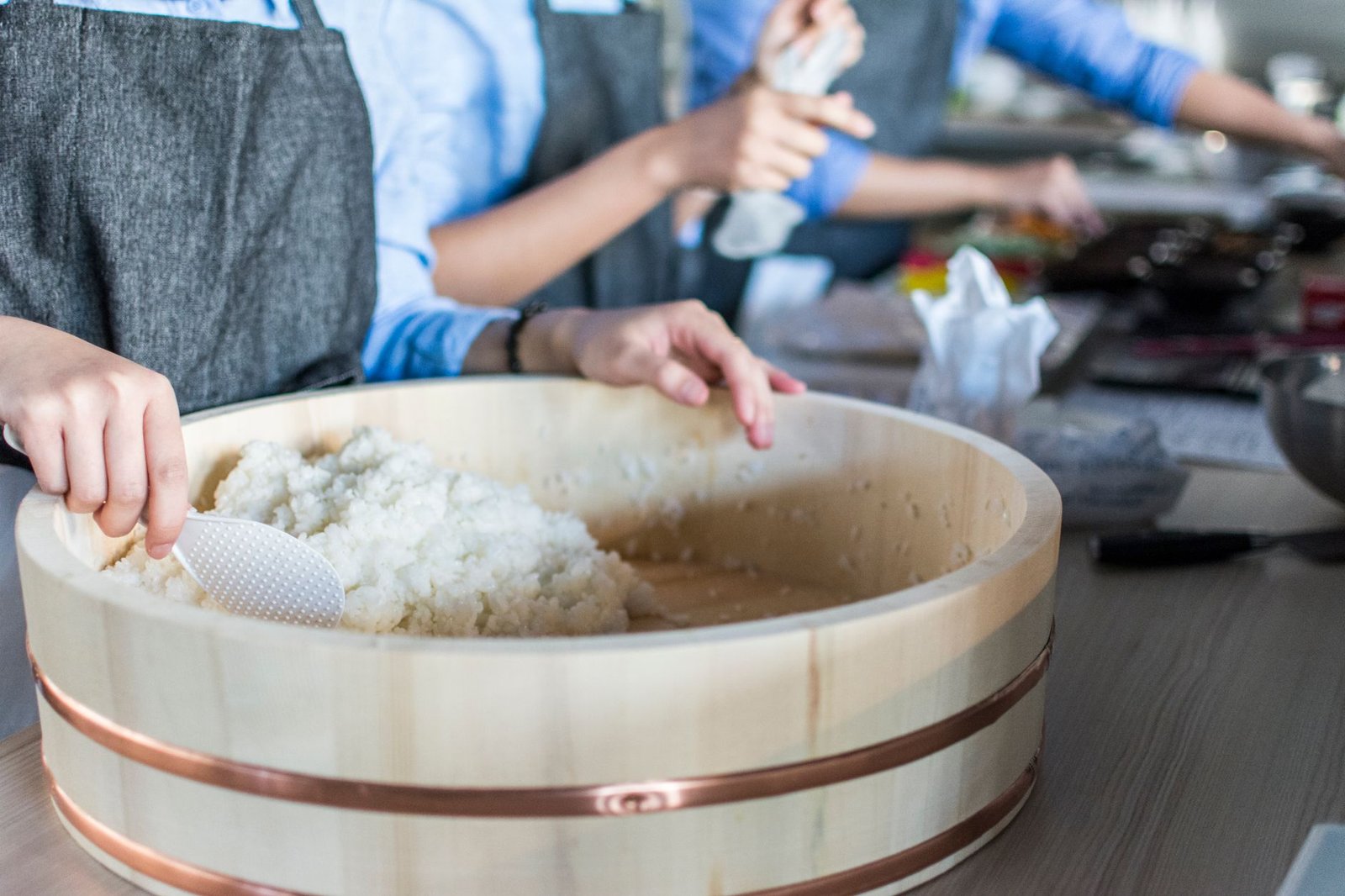
- Sushi and sashimi: The most popular category by far. Classes typically cover sushi rice seasoning ratios, nigiri shaping, and basic sashimi knife technique. A good class will teach you that the rice is often more important than the fish.
- Ramen from scratch: These sessions walk you through building tonkotsu or shoyu broth, preparing tare seasoning, and cooking noodles correctly. Expect a full two to three hours in the kitchen.
- Tempura technique: Deceptively simple and endlessly tricky at home. Classes focus on oil temperature, ingredient preparation, and the batter — the single most important factor in getting that light, shatteringly crispy result.
- Wagashi: Traditional Japanese confectionery, including mochi and nerikiri sweets. These classes attract visitors who want something beyond the main dishes and are particularly popular with those who enjoy baking and pastry work.
- Izakaya dishes: Think gyoza, karaage, tamagoyaki, and other pub-style favourites. These classes are often the most relaxed and social, and the skills translate directly to weeknight cooking at home.
- Washoku home cooking: Broader classes covering dashi-based broths, miso soup building, and traditional side dishes. Ideal if you want to understand the underlying logic of Japanese home cooking rather than just mastering one dish.
The Best Tokyo Cooking Classes Worth Booking
Tokyo has no shortage of cooking schools, but quality varies enormously. These are the options that consistently earn strong word-of-mouth recommendations from serious food travellers.
Tsukiji Cooking School
Located a short walk from the famous Tsukiji outer market, this school has built its reputation on sushi and sashimi classes that begin — logically — with a guided market visit. You browse the stalls, watch the instructors select fish, and then head into the kitchen with genuinely fresh ingredients. Classes run in small groups, are taught entirely in English, and cover sushi rice preparation, nigiri technique, maki rolling, and basic sashimi slicing. Prices typically fall between sixty and eighty euros per person, which feels entirely reasonable given the quality of ingredients and the depth of instruction. It is one of the most logistically satisfying cooking experiences in the city because the market component transforms the class into a half-day food adventure rather than just a kitchen session.
Tokyo Cook in Asakusa
If you are travelling as a vegetarian, or simply want a cooking school with strong English-language teaching and a welcoming atmosphere for solo travellers, Tokyo Cook in Asakusa deserves a serious look. Classes run across a range of Japanese dishes, including vegetarian-friendly versions of traditional recipes that many other schools would not bother to offer. Prices hover around fifty euros, and the instruction style is hands-on and genuinely educational rather than performative. The Asakusa location is a bonus — you are already in one of Tokyo’s most atmospheric historic neighbourhoods, so combining the class with a morning walk through the Senso-ji temple area makes for a beautifully structured day.
Hattori Nutrition College
For those who want to experience something closer to professional culinary education, Hattori Nutrition College offers demonstration classes that are genuinely impressive. This is one of Japan’s most respected culinary institutions — you may recognise the name from television — and the demonstration format means you watch extremely skilled instructors at work in a professional kitchen environment. It is a different experience from a participatory home cooking class, but the level of technique on display is exceptional. Worth booking if precision and craft are what excite you about Japanese food culture.
The Hidden Gem: Airbnb Experiences for Home Ramen Making
Here is the recommendation that food travellers tend to pass around quietly among themselves. Tokyo’s Airbnb Experiences listings include a small number of home cooking sessions hosted by local women — often described as Tokyo housewives in the listings — who teach ramen making in their actual home kitchens. These are not polished school environments with gleaming countertops and matching aprons. They are real apartments, with real home equipment, and hosts who have been cooking these dishes for their families for decades.
Prices typically fall between thirty and fifty euros per person, making them some of the most affordable and most authentic cooking experiences available in the city. Group sizes are tiny, usually two to four people, which means you get genuine attention and conversation alongside the cooking instruction. Finding the right listing requires a bit of searching — look specifically for ramen-focused experiences with strong recent reviews and hosts who respond quickly — but the effort is absolutely worthwhile. These sessions often include lunch, plenty of informal food chat, and the kind of practical kitchen wisdom that no formal school will ever teach you.
The Skills That Will Actually Change How You Cook at Home
A good Tokyo cooking class does not just give you a nice morning out. It changes specific habits in your kitchen. Here are the three most transferable lessons that come up again and again.
Sushi Rice Seasoning: The Ratio Is Everything
Most home cooks season sushi rice by feel, which is why it rarely tastes right. Professional preparation uses a precise ratio of rice vinegar, sugar, and salt — typically around five parts vinegar to two parts sugar to one part salt, adjusted slightly depending on the rice volume. Classes that teach this properly send you home with a method you can replicate exactly, every time.
Sashimi Slicing: Technique and Safety
Slicing sashimi at home is genuinely achievable, but only if you understand the muscle fibre direction of different fish and how to use a long, single-stroke pulling motion rather than the sawing technique most home cooks default to. A good class teaches you how to hold the fish, how to read the grain, and how to buy the right quality fish for safe home preparation.
Tempura Batter: Cold Water and Lumps Are the Point
This is the tempura secret that changes everything. The batter must be made with ice-cold water — some chefs add ice cubes directly to the bowl — and must be mixed as little as possible. Lumps are not a problem. Lumps are the goal. Over-mixed batter develops gluten, which creates a heavy, doughy coating. Under-mixed, cold batter hits hot oil and creates the signature airy crispiness that makes great tempura so extraordinary.
The Market Visit: Making the Most of Tsukiji Outer Market
Even if your class does not include a formal market component, spending an hour or two at Tsukiji outer market before or after your cooking session is strongly recommended. The inner wholesale market relocated to Toyosu in 2018, but the outer market remains open, lively, and absolutely worth visiting. You will find vendors selling fresh seafood, tamagoyaki made to order, quality knives, dried ingredients, and the kind of street food that requires no recipe — just appetite.
Many food tour operators, including experiences bookable through Viator and GetYourGuide, combine a Tsukiji outer market walking tour with a cooking class, which is a genuinely efficient way to structure your morning. Look for tours that keep the group small and allow time to actually shop and eat rather than simply observe. A guided market visit before a sushi class is a particularly coherent experience — you understand what you are cooking because you watched it being selected and purchased.
What to Buy and Bring Home from Tokyo
The best souvenir from a Tokyo cooking class is not the recipe card — it is the ingredients that make those recipes possible at home. Japanese supermarkets and specialty shops stock things that are genuinely difficult to source elsewhere at this quality.
- Dashi packets: High-quality instant dashi made from real kombu and bonito flakes. These are a legitimate shortcut that professional Japanese home cooks use regularly.
- Mirin: True hon-mirin, not the cheap mirin-style condiment. The difference in flavour is significant and immediately noticeable in glazes, sauces, and simmered dishes.
- Sake for cooking: Different from drinking sake and sold cheaply at supermarkets. Essential for marinades, simmered fish, and ramen tare.
- Quality soy sauce: Look for marudaizu shoyu — whole soybean soy sauce — which has a richer, more complex flavour than standard varieties.
Budget between forty and ninety euros for a single cooking class in Tokyo depending on duration, location, and whether a market visit or meals are included. The most expensive options are not always the best — the thirty-euro home ramen session described above is frequently the most memorable experience visitors take away from the city.
A Tokyo cooking class is one of those travel experiences that earns its place in your memory not just for what happened in the moment, but for everything that happens afterwards — the Sunday afternoon when you make proper tempura for friends and it actually works, the bowl of home ramen that tastes startlingly close to something you had six thousand miles away. If you are planning a trip to Tokyo and want to go deeper than restaurants alone, explore the cooking class listings on GetYourGuide and Viator alongside the school options above, read the recent reviews carefully, and book early. The small-group sessions fill up fast, especially in spring and autumn. Your kitchen at home will thank you for it.
Book a Food Experience in Tokyo Cooking Classes
Handpicked experiences — book with free cancellation and instant confirmation.
Explore More Food Tours
Guides for the cities in this article:
- Hiroshima Food Tour Guide (Japan)
- Fukuoka Food Tour Guide (Japan)
- Osaka Food Tour Guide (Japan)
- Tokyo Food Tour Guide (Japan)
Frequently Asked Questions
Do I need any prior cooking experience to join a Tokyo cooking class?
No prior experience is necessary for most Tokyo cooking classes, as they are designed for complete beginners through to intermediate cooks. Instructors guide you step-by-step through every technique, from folding gyoza to pulling ramen noodles. Classes typically have small group sizes of 4–10 people, ensuring you get personal attention throughout.
How much do cooking classes in Tokyo typically cost?
Prices vary depending on the dish and duration, but expect to pay between ¥5,000–¥12,000 (roughly $35–$85 USD) per person for a standard 2–3 hour class. Sushi and tempura classes tend to be on the higher end due to premium ingredients like fresh fish. Many classes include a sit-down meal at the end, making them excellent value for the overall experience.
Can dietary restrictions like vegetarian or gluten-free be accommodated?
Many reputable cooking schools in Tokyo, such as Tsukiji Cooking and Cozymeal-listed venues, offer vegetarian-friendly alternatives if notified at the time of booking. Gluten-free adaptation is trickier, especially for ramen and tempura batter, so always contact the school directly well in advance. Sushi classes are generally the most flexible for accommodating different dietary needs.
Where are most cooking classes located in Tokyo, and are they easy to reach by public transport?
The majority of well-reviewed cooking classes are clustered in central neighborhoods like Shinjuku, Asakusa, Shibuya, and near Tsukiji Market. All of these areas are extremely well-connected by Tokyo Metro and JR train lines, putting most class venues within a 5–15 minute walk from a major station. Google Maps works seamlessly in Tokyo, so navigation is straightforward even for first-time visitors.
How far in advance should I book a Tokyo cooking class?
It's strongly recommended to book at least 1–2 weeks ahead, especially for popular ramen and sushi classes that frequently sell out during spring (cherry blossom season) and autumn. Last-minute spots occasionally appear on platforms like Viator or Airbnb Experiences, but availability is not guaranteed. Booking early also gives you time to communicate any dietary requirements or special requests with the host.