Osaka Food Tour – Best Local Food & Restaurants
Osaka Food Guide: Japan‘s Ultimate Culinary Capital
Osaka is a city so obsessed with food that locals coined a phrase for it: kuidaore, meaning “eat until you drop.” That’s not marketing copy — it’s genuinely how people live here. Osaka consistently ranks among Asia’s greatest food destinations, and the moment you eat your first takoyaki fresh off the griddle, or pull apart a perfectly layered okonomiyaki, you get it immediately. You understand why millions of food lovers make the trip every year.
The History of Osaka’s Food Culture
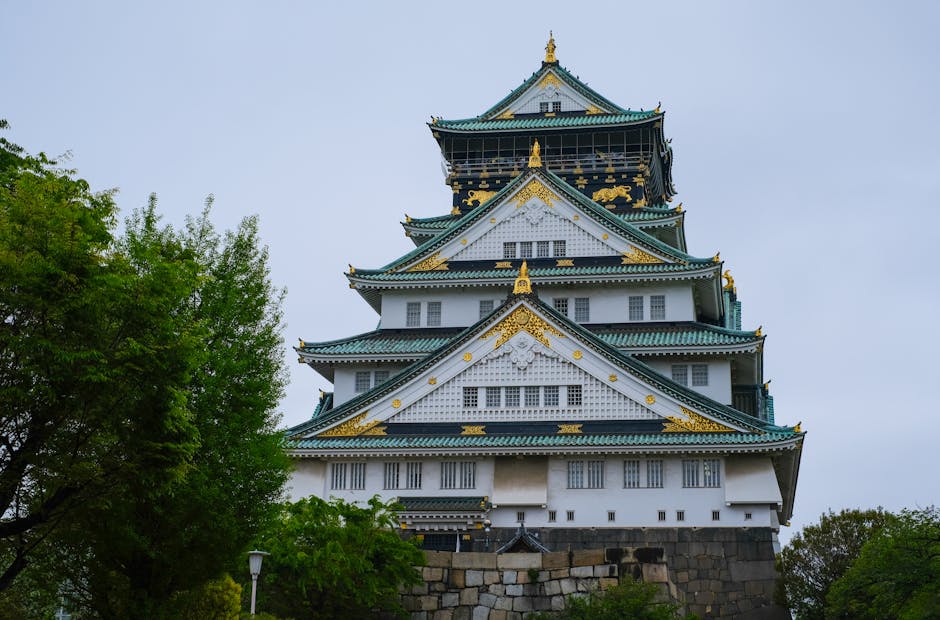
Osaka’s relationship with food goes back over four centuries, rooted in the city’s role as Japan’s merchant capital during the Edo period (1603–1868). While Kyoto held onto its imperial identity, Osaka became the country’s commercial engine — a port city where rice, fish, and produce from across Japan moved through its waterways and warehouse districts in a constant, hungry flow.
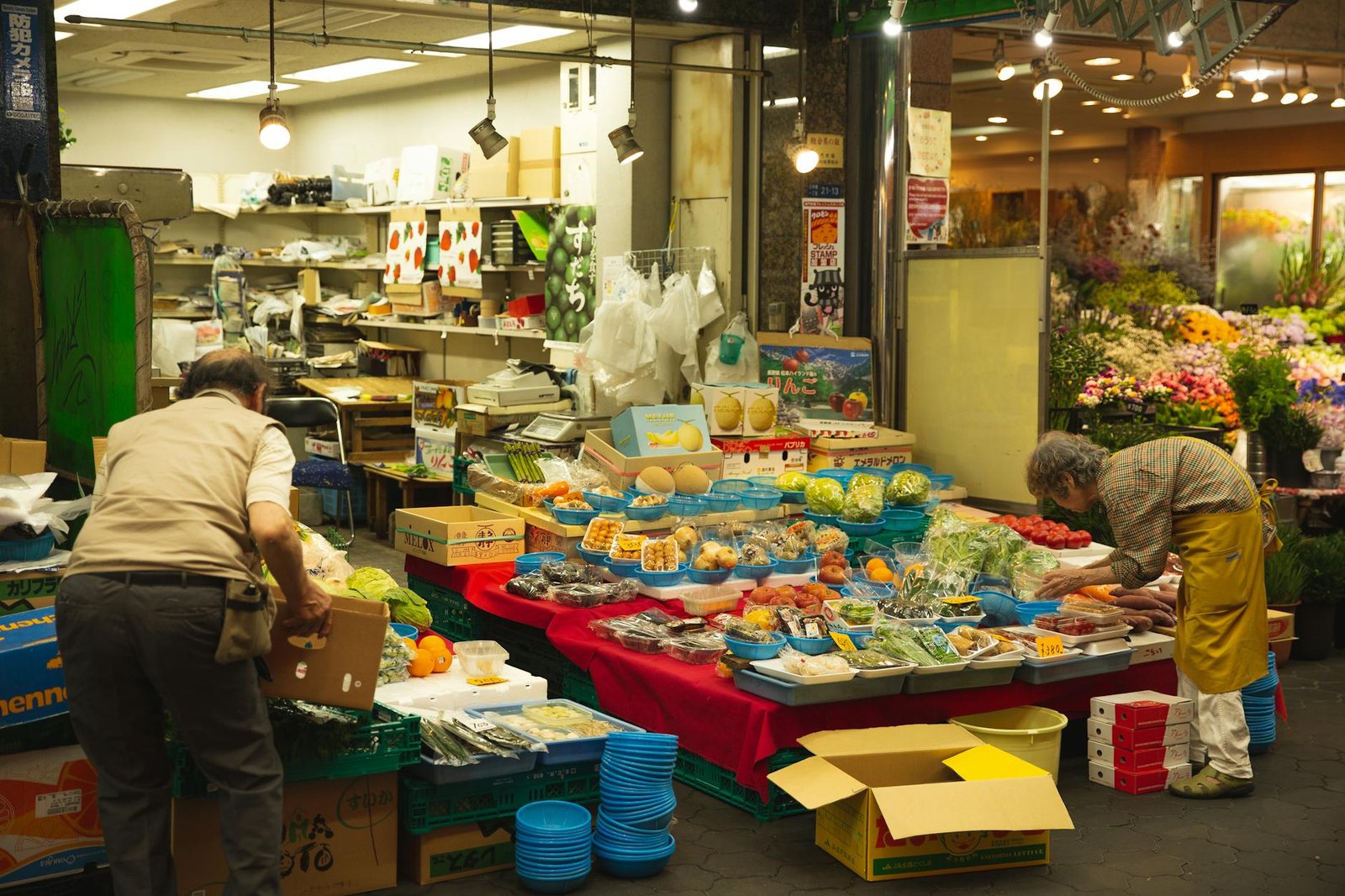
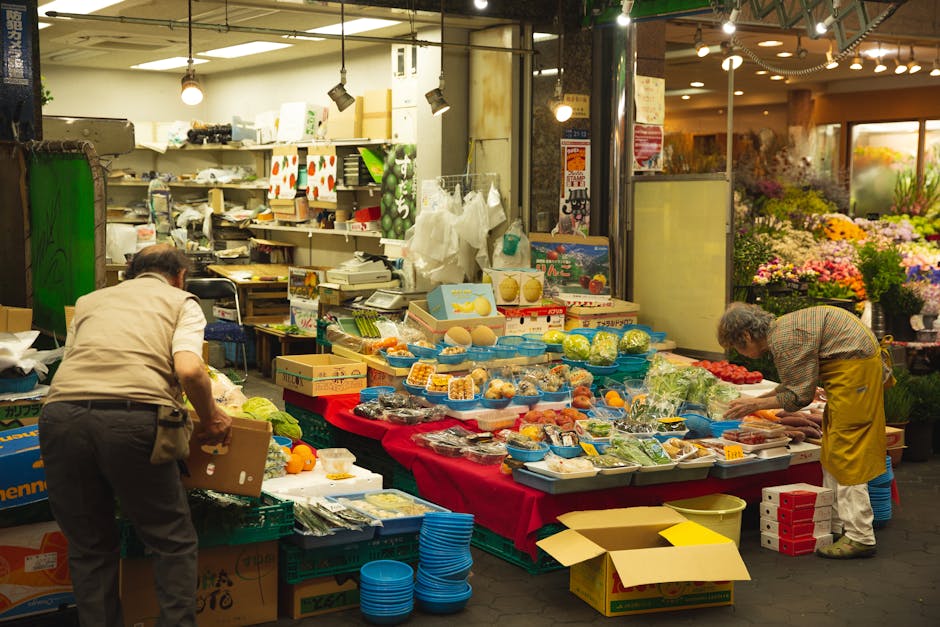
Merchants and traders ran this city, not aristocrats or samurai, and that shaped everything about how people ate. Osaka food was hearty, bold, and democratic. Street stalls thrived. Eating well wasn’t reserved for the wealthy. The city’s Kuromon Ichiba market has been operating since the early 1800s and still carries that same spirit — you’ll find chefs from expensive restaurants shopping right next to home cooks picking up dinner ingredients.
The Meiji era brought Western influences, and Osaka absorbed them enthusiastically, folding foreign ingredients and techniques into an already restless culinary culture. Then came the post-war era, when Osaka’s street food scene exploded. Affordable, satisfying food helped rebuild communities. Dotonbori — now the city’s most iconic food street — transformed during this period into the neon-lit sprawl of izakayas, ramen shops, and kushikatsu counters it remains today.
Osaka now has more Michelin-starred restaurants per capita than almost any other city on earth. But it never abandoned its street food soul. That balance — serious high-end cooking sitting comfortably alongside cheap, brilliant snacks — is what makes Osaka’s food culture genuinely singular and keeps drawing visitors back again and again.
Must-Try Foods in Osaka
Eating in Osaka rewards curiosity and a serious appetite in equal measure. These six dishes represent the heart of what makes this city one of the world’s greatest food destinations. Don’t leave without working through all of them.
1. Takoyaki — Osaka’s Beloved Octopus Balls
If Osaka had a single food ambassador, it would be takoyaki. These golden, perfectly round dumplings are made from savory wheat batter poured into cast-iron molds, each one holding a chunk of tender octopus, pickled ginger, and green onion. The real skill is in the turning — vendors use metal skewers to rotate each ball with speed and precision, building a crispy shell around a center that stays molten and almost creamy.

They come finished with sweet-savory takoyaki sauce, Japanese mayo, dried bonito flakes that wave around in the heat, and a scatter of dried seaweed. Head to Wanaka in Dotonbori or the Aiduya stall near Shinsekai, which locals will tell you is the gold standard. One honest warning: they come out genuinely blazing hot. Resist the urge to eat them immediately. Every first-timer burns the roof of their mouth exactly once, then learns patience.
2. Okonomiyaki — The Savory Japanese Pancake
“Savory pancake” or “Japanese pizza” — neither description does okonomiyaki justice. The name means “grill what you like,” and that philosophy shows up in every version. The base is a thick batter of flour, grated Japanese yam, eggs, and shredded cabbage, and from there you fold in whatever you want: pork belly, shrimp, kimchi, mochi, cheese.
Osaka-style differs from Hiroshima-style in one important way — everything gets mixed into the batter before cooking, creating a unified cake rather than a layered construction. Crispy outside, soft and steaming within. At places like Mizuno in Namba, you cook your own on a teppan griddle built into the table, which turns the whole meal into something interactive and genuinely fun. Same toppings as takoyaki — sauce, mayo, bonito, aonori — and every bite is deeply satisfying.
3. Kushikatsu — Deep-Fried Skewers Done Right
Osaka understands deep-frying at a level that feels almost scientific. Kushikatsu skewers — meat, seafood, vegetables — get coated in a light panko batter and dropped briefly into hot oil, coming out impossibly crunchy and somehow not greasy. The variety is huge: classic pork and beef, yes, but also asparagus, quail eggs, lotus root, cheese, even chocolate if you’re going that direction.
There’s one rule, and every restaurant enforces it seriously: no double-dipping into the communal Worcestershire-based sauce. One dip, eat, done. The Shinsekai neighborhood is where kushikatsu was born, and veteran spots like Daruma have been at it since 1929. Sit at the counter, order liberally, and watch the chefs work. It’s efficient, unpretentious, and one of the better meals you’ll have in Japan.
4. Fugu — The Thrillingly Dangerous Puffer Fish
Fugu is Osaka’s most dramatic food experience, and it carries real historical weight. Puffer fish contains tetrodotoxin — a potent neurotoxin in its organs — which makes preparation by a licensed chef not just sensible but legally required across Japan. The licensing process takes years, so what arrives at your table is both safe and the product of serious skill.
Properly prepared fugu is subtle. Delicate, clean, almost translucent as paper-thin sashimi called tessa. There’s a slight tingling on the lips that’s normal and considered part of the experience — a reminder that this fish has teeth, even when it’s on your plate. Fugu hot pot, or tecchiri, is the heartier option and genuinely wonderful during Osaka’s cooler winter months. Restaurant Zuboraya in Dotonbori — look for the giant fugu lantern above the entrance, you can’t miss it — serves excellent fugu at prices more reasonable than the exclusive private rooms elsewhere.
5. Osaka-Style Sushi — Oshizushi and Battera
Tokyo made nigiri famous, but Osaka’s approach to sushi is actually older and arguably more technically demanding. Oshizushi, or pressed sushi, layers seasoned rice and toppings inside a wooden box mold called an oshibako, then presses everything together before cutting into clean, precise rectangles. It’s a more architectural style of sushi — concentrated flavors, firm texture, nothing loose about it.
Battera is the most iconic version: vinegar-marinated mackerel over seasoned rice, topped with a thin, translucent sheet of konbu seaweed. The interplay of vinegar, umami, and ocean flavor is quietly extraordinary. Honke Shibatoku in central Osaka is an excellent place to explore this underappreciated style. The depachika — basement food halls in Osaka’s department stores — also sell beautifully packaged oshizushi, perfect for eating on the move.
Book a Food Tour in Osaka
Join a small-group food tour and taste the best of Osaka with a local guide. Skip the tourist traps — discover the hidden spots only locals know.


Book a Food Experience in Osaka
Handpicked experiences — book with free cancellation and instant confirmation.
Explore More Food Tours
More food guides from Japan:
- Nagoya Food Tour Guide
- Nara Food Tour Guide
- Sapporo Food Tour Guide
- 10 Best Food Cities in Japan 2026
You might also enjoy:
- Seoul Food Tour Guide (South Korea)
- Taipei Food Tour Guide (Taiwan)
Featured in:
Frequently Asked Questions
How much does a food tour in Osaka cost?
Food tours in Osaka typically range from €25 to €80 per person for a guided group tour. Private tours and premium culinary experiences can cost more, while self-guided food walks are often free or low-cost.
How long do food tours in Osaka last?
Most guided food tours in Osaka last between 2 and 4 hours and include multiple tasting stops. Walking food tours tend to run around 3 hours, while sit-down dining experiences may last longer.
What local dishes should I try on a Osaka food tour?
A food tour in Osaka is the best way to discover authentic local specialties. Your guide will take you to street food markets, traditional restaurants, and neighbourhood gems that locals love — dishes you would never find on your own.
What is the best area for street food in Osaka?
The best areas for street food and local cuisine in Osaka are usually found in the old town, central food markets, and traditional neighbourhoods away from the main tourist hotspots. A local food guide will show you exactly where to go.
Are food tours in Osaka suitable for people with dietary restrictions?
Most food tour operators in Osaka can accommodate vegetarian, vegan, halal, and gluten-free diets with advance notice. Always inform your guide of any dietary requirements when booking so they can plan the best route for you.