Fukuoka Food Tour – Best Local Food & Restaurants
Fukuoka Food Guide: Japan‘s Undisputed Street Food Capital
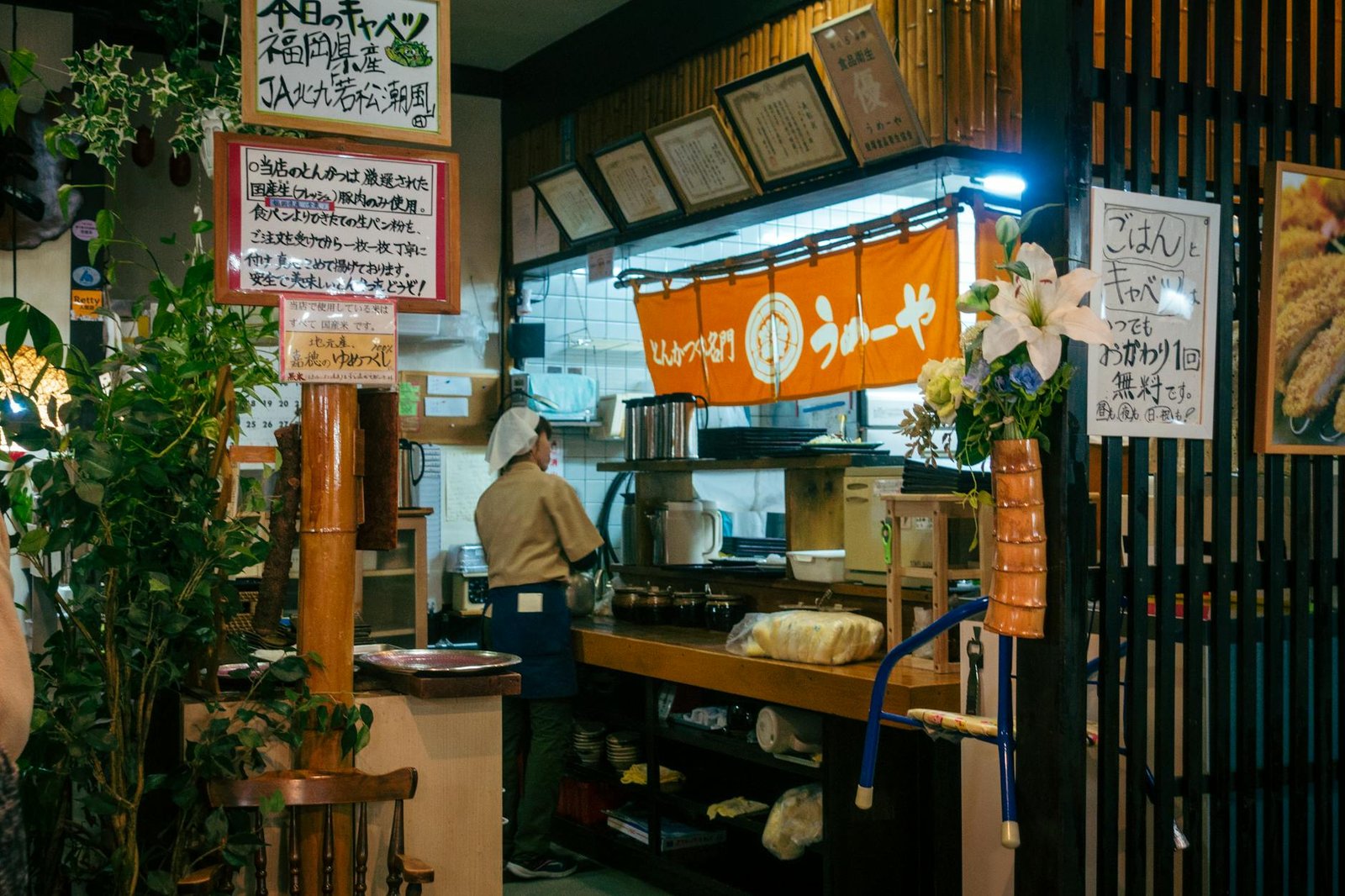
Fukuoka is a city that punches so far above its weight in culinary terms that even Tokyo residents make pilgrimages here just to eat. It sits on the northern tip of Kyushu island, and the locals are obsessed with food in the most unapologetic, joyful way possible. Steaming bowls of tonkotsu ramen served past midnight. Mentaiko-laden rice at dawn. Every meal here has a way of stopping you mid-bite and making you reassess everything you thought you knew about Japanese food.
The History of Fukuoka’s Food Culture
To understand why Fukuoka eats the way it does, start with the map. The city sits closer to Seoul and Shanghai than it does to Tokyo, which made it Japan’s primary gateway to Asia for centuries. That geography shaped everything — the ingredients, the techniques, the whole culinary personality of the place.
Back in the eighth century during the Nara period, the area functioned as a critical diplomatic hub between Japan, Korea, and China. Traders, monks, diplomats — a constant flow of people carrying new ingredients and cooking ideas. Ramen, the dish now most synonymous with Fukuoka, traces its DNA directly to Chinese noodle traditions that arrived through these trade routes. Local cooks took those ideas and made them entirely their own, developing the thick, milky tonkotsu broth that would eventually become one of Japan’s most iconic soup styles.
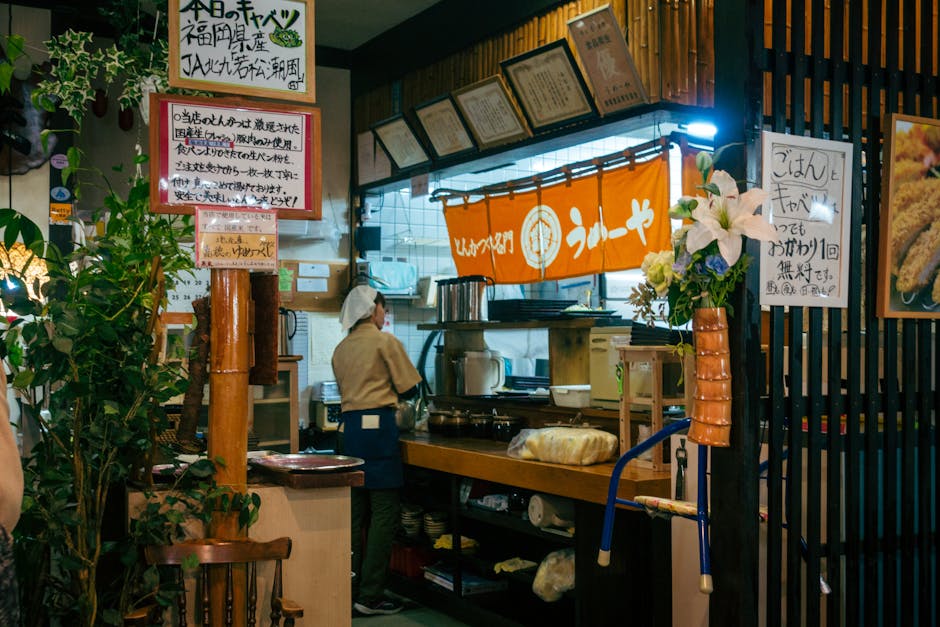
The yatai culture has its own origin story worth knowing. After World War II, displaced vendors set up makeshift stalls along the riverbanks and city streets just to survive. Most Japanese cities eventually pushed these stalls out as they modernized. Fukuoka didn’t. The city embraced its yatai vendors as part of its civic identity, and today roughly a hundred licensed stalls still operate across town. Standing in front of a row of glowing lanterns at ten at night, smelling grilled chicken skewers and simmering broth while the air cools around you — that’s not a tourist experience. That’s just Tuesday in Fukuoka.
The seafood culture runs equally deep. Hakata Bay gave the city’s fishermen access to incredibly delicate fugu, or puffer fish, and a tradition of handling ultra-fresh raw fish developed here that feels meaningfully different from Tokyo-style sushi culture, even if it’s hard to articulate exactly why until you experience both. Then there’s mentaiko — the spicy marinated pollock roe introduced from Korea after the war — which completed a culinary identity built from centuries of gloriously messy cultural collision.
Must-Try Foods in Fukuoka
1. Hakata Tonkotsu Ramen
Nothing you’ve eaten at a ramen restaurant outside Japan will fully prepare you for the real thing here. Hakata tonkotsu ramen starts with pork bones boiled hard for twelve to eighteen hours — that sustained rolling boil emulsifies the collagen and fat into a thick, milky white broth that’s rich but cleaner on the palate than you’d expect. The noodles are thin, straight, and cooked firm. Locals call this kata, and they order it that way almost universally. You’ll be asked: hard, medium, or soft. Go hard.
Each bowl arrives with chashu pork, a soft-boiled marinated egg, sliced green onion, dried seaweed, and pickled ginger on the side. Then there’s kaedama — one of the best inventions in the history of eating — where you order a fresh batch of noodles to drop into your remaining broth once you’ve finished the first round. The best bowls come from tiny counter-only shops, ten seats maximum, often open until three or four in the morning. The menu hasn’t changed since the 1960s. There’s a line outside. That’s where you want to be.

2. Mentaiko
Mentaiko is spicy marinated pollock roe, and Fukuoka treats it with the reverence other cities reserve for truffles. The origin story is specific: after World War II, a businessman named Toshio Kawahara encountered the Korean version — myeongnan-jeot — and started adapting it for Japanese tastes. His company, Fukuya, still operates today and is widely considered the founding institution of the Fukuoka mentaiko industry.
The roe gets cured in salt, then marinated in sake, mirin, and chili peppers. The result is briny, spicy, and deeply umami all at once. In Fukuoka you’ll find it everywhere — over plain steamed rice, stirred into pasta, stuffed into onigiri, spread on French bread, folded into eggs, mixed into mayo. The airport has an entire section dedicated to mentaiko products. High-end gift shops sell it packaged like jewelry. None of that matters as much as sitting down at a traditional breakfast spot and eating a bowl of mentaiko over plain white rice. Simple, direct, and genuinely one of the best things you’ll put in your mouth.
3. Mizutaki
If tonkotsu ramen is Fukuoka’s loud, confident declaration to the world, mizutaki is what the city whispers to people paying attention. It’s a hot pot dish built on restraint — a whole chicken, bones and cartilage included, simmered gently for hours with kombu seaweed in plain water. The resulting broth has a clarity and quiet depth that feels almost impossible given how simple the process sounds. Vegetables, tofu, and chicken cook tableside in that broth, and you eat everything dipped in ponzu — a citrus-soy sauce that adds just enough brightness without competing with the chicken.
By the time you add rice or noodles to the remaining broth at the end of the meal, it has concentrated into something genuinely extraordinary. Mizutaki is typically served at specialized restaurants where it’s the only thing on the menu, and the best ones have been refining their broth for generations. Budget two hours minimum. This is a dish for a slow evening when you actually want to understand Fukuoka cooking beyond the street food reputation.
4. Motsu Nabe
Motsu nabe will challenge some people, and those people are missing out. The dish is built around beef or pork offal — intestines, organ cuts — simmered in a soy sauce or miso broth with cabbage, garlic chives, and tofu. When the offal is properly cleaned and cooked, it goes silky and tender with a mild flavor that soaks up the savory broth beautifully. There’s nothing funky about it when it’s done right.

The dish got popular in Fukuoka after the war because offal was cheap and available. Over the decades it climbed steadily upmarket and now there are dedicated motsu nabe restaurants with genuine waiting lists. The communal element matters too — everyone pulling tender cabbage and soft offal from a shared pot at the center of the table. It’s one of the most convivial meals in the city. Like mizutaki, it ends with champon noodles or rice stirred into the remaining broth. Leaving that broth behind is essentially illegal.
5. Hakata-style Yakitori
Book a Food Tour in Fukuoka
Join a small-group food tour and taste the best of Fukuoka with a local guide. Skip the tourist traps — discover the hidden spots only locals know.
📚 Food Travel Guides & Tips Best Sandwich Cities in the World 2026
 Best Food Museums and Culinary Experiences Worldwide 2026
 Tourist Trap Index 2026: Bar vs Shop Beer Prices in 30 European CitiesSee all food travel guides →
Book a Food Experience in Fukuoka
Handpicked experiences — book with free cancellation and instant confirmation.
Explore More Food Tours
More food guides from Japan:
You might also enjoy:
- Jeonju Food Tour Guide (South Korea)
- Shanghai Food Tour Guide (China)
Featured in:
Frequently Asked Questions
How much does a food tour in Fukuoka cost?
Food tours in Fukuoka typically range from €25 to €80 per person for a guided group tour. Private tours and premium culinary experiences can cost more, while self-guided food walks are often free or low-cost.
How long do food tours in Fukuoka last?
Most guided food tours in Fukuoka last between 2 and 4 hours and include multiple tasting stops. Walking food tours tend to run around 3 hours, while sit-down dining experiences may last longer.
What local dishes should I try on a Fukuoka food tour?
A food tour in Fukuoka is the best way to discover authentic local specialties. Your guide will take you to street food markets, traditional restaurants, and neighbourhood gems that locals love — dishes you would never find on your own.
What is the best area for street food in Fukuoka?
The best areas for street food and local cuisine in Fukuoka are usually found in the old town, central food markets, and traditional neighbourhoods away from the main tourist hotspots. A local food guide will show you exactly where to go.
Are food tours in Fukuoka suitable for people with dietary restrictions?
Most food tour operators in Fukuoka can accommodate vegetarian, vegan, halal, and gluten-free diets with advance notice. Always inform your guide of any dietary requirements when booking so they can plan the best route for you.
Book a Food Tour in Fukuoka
Join a small-group food tour and taste the best of Fukuoka with a local guide. Skip the tourist traps — discover the hidden spots only locals know.
Book a Food Experience in Fukuoka
Handpicked experiences — book with free cancellation and instant confirmation.
Explore More Food Tours
More food guides from Japan:
You might also enjoy:
- Jeonju Food Tour Guide (South Korea)
- Shanghai Food Tour Guide (China)
Featured in:
Frequently Asked Questions
How much does a food tour in Fukuoka cost?
Food tours in Fukuoka typically range from €25 to €80 per person for a guided group tour. Private tours and premium culinary experiences can cost more, while self-guided food walks are often free or low-cost.
How long do food tours in Fukuoka last?
Most guided food tours in Fukuoka last between 2 and 4 hours and include multiple tasting stops. Walking food tours tend to run around 3 hours, while sit-down dining experiences may last longer.
What local dishes should I try on a Fukuoka food tour?
A food tour in Fukuoka is the best way to discover authentic local specialties. Your guide will take you to street food markets, traditional restaurants, and neighbourhood gems that locals love — dishes you would never find on your own.
What is the best area for street food in Fukuoka?
The best areas for street food and local cuisine in Fukuoka are usually found in the old town, central food markets, and traditional neighbourhoods away from the main tourist hotspots. A local food guide will show you exactly where to go.
Are food tours in Fukuoka suitable for people with dietary restrictions?
Most food tour operators in Fukuoka can accommodate vegetarian, vegan, halal, and gluten-free diets with advance notice. Always inform your guide of any dietary requirements when booking so they can plan the best route for you.