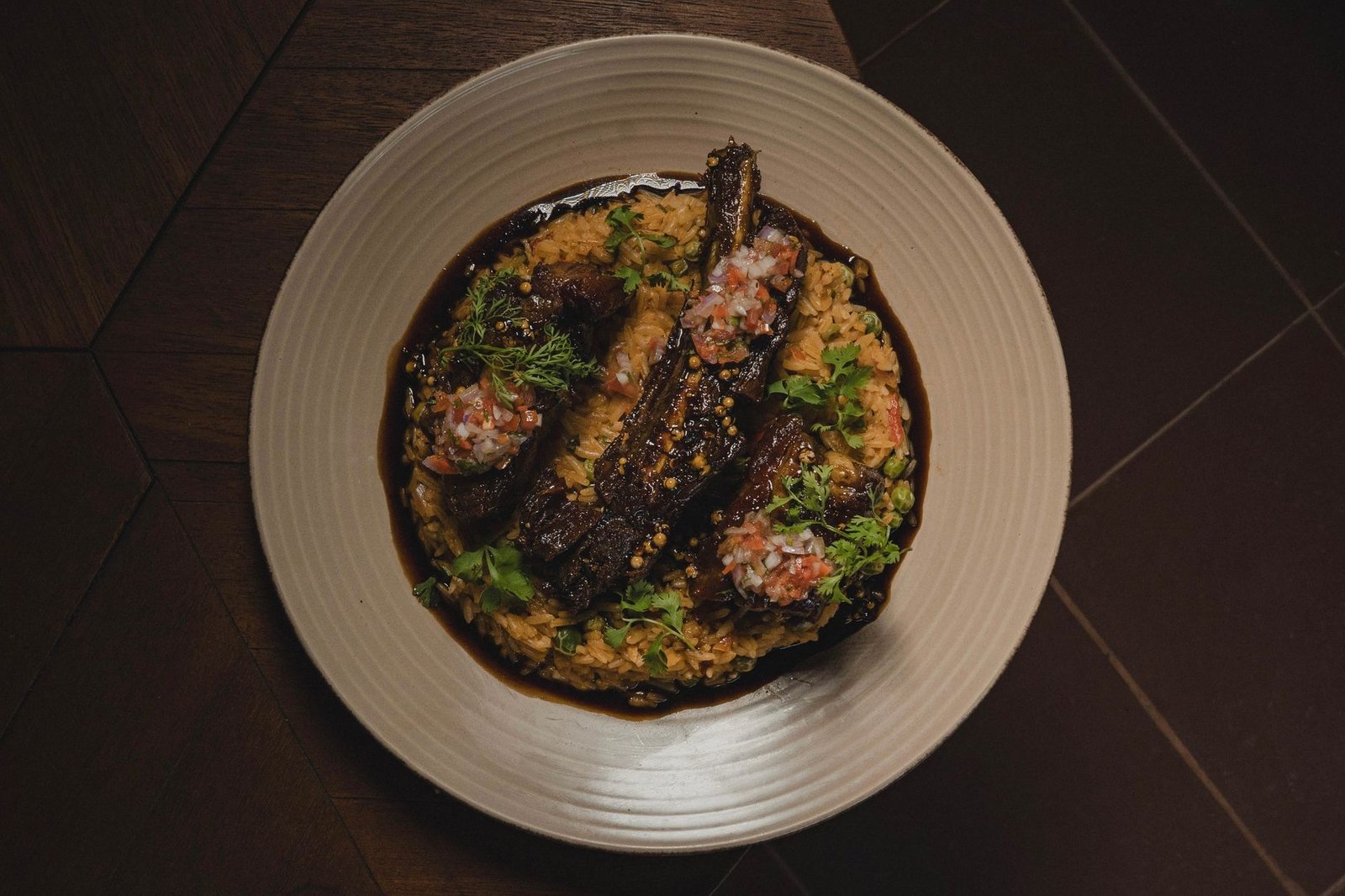
Best Farm-to-Table Restaurant Cities 2026: Where Chefs Know the Farmer
Something remarkable happens when a chef walks out of the kitchen, shakes a farmer’s hand, and builds the evening’s menu around whatever came in the truck that morning. The dish that lands on your table carries a kind of honesty that no amount of “locally inspired” menu copy can fake. Farm-to-table dining has been a buzzword for so long that it has nearly lost its meaning — but in certain cities and regions around the world, the connection between soil and plate is genuinely alive, specific, and worth traveling for. Whether you are planning a food-focused trip for 2026 or simply want to eat better wherever you land, these destinations offer the real thing.
Copenhagen and the New Nordic Revolution That Refuses to Stop
Copenhagen remains the city that changed how the world thinks about Nordic ingredients. What began with René Redzepi’s early menus at Noma — before the restaurant’s final chapter closed — seeded an entire generation of chefs who now run their own operations with the same rigorous sourcing philosophy. Restaurants like Relæ (now closed but whose alumni have scattered brilliantly across the city), Geranium, and the more accessible Mirabelle prioritize named Danish farms, foraged coastal herbs, and preservation techniques that make winter vegetables sing.
What makes Copenhagen’s scene credible rather than cosmetic is the infrastructure behind it. Farmers in Jutland and on the island of Bornholm have spent two decades building relationships with urban chefs. The result is menus that change not just seasonally but weekly. At Restaurant Bæst in Nørrebro, the wood-fired pizzas use house-made charcuterie from heritage-breed pigs and organic dairy from a single farm supplier — a specificity that appears on the menu itself, not buried in a press release.
For visitors wanting a structured introduction, food tours focused on Copenhagen’s Torvehallerne market and the Nørrebro neighborhood frequently appear on both Viator and GetYourGuide, often pairing market tastings with lunch at a chef-driven spot. Expect to budget around 150 to 250 USD for a proper tasting menu at a mid-tier New Nordic restaurant, with fine dining pushing significantly higher.
Tuscany’s Agriturismo Tradition: When the Farm Is the Restaurant
In Tuscany, the concept of farm-to-table is not a movement — it is an old way of life that tourism has helpfully formalized. The agriturismo model, legally defined in Italy, requires that working farms generate at least part of their income from agriculture before they can open a restaurant or accommodation. That legal backstop means you are unlikely to stumble into a fake agriturismo the way you might encounter a fake farm-to-table restaurant in a city.
The Chianti Classico zone between Florence and Siena is dense with excellent options. Agriturismo Poggio Amorelli near Gaiole in Chianti serves meals built almost entirely from estate-grown olive oil, estate wine, and vegetables from the kitchen garden, with pasta made fresh that morning. Around Montalcino, several Brunello producers have opened serious dining rooms where the farm’s own cinghiale (wild boar) and pici pasta appear alongside their famous wines. Prices for a full lunch or dinner including wine typically run between 40 and 80 euros per person, which represents extraordinary value given the provenance of what you are eating.
Booking ahead is essential, particularly from April through October. Many agriturismi only open for dinner on specific days or require a minimum guest count. A guided food and wine tour through the Chianti countryside, easily bookable through GetYourGuide, will often include access to family-run operations that do not advertise online at all.
Vermont and the Hudson Valley: America’s Farm Dinner Heartland
The northeastern United States has quietly built one of the world’s most coherent farm-to-table ecosystems. Vermont and New York‘s Hudson Valley sit within a few hours of each other and share a similar ethos: small-scale diversified farms, cheesemakers, heritage grain mills, and cideries supplying chefs who often know their suppliers personally.
In Vermont, the town of Stowe anchors a dining scene that includes Hen of the Wood, which has long sourced from named farms across the state and prints those relationships on the menu. Around Burlington, Misery Loves Co. in Winooski has earned national attention for its commitment to Vermont dairy, local mushrooms, and foraged ingredients. The state’s Act 250 land use law has helped preserve the farmland that makes all of this possible.
The Hudson Valley offers a different flavor. Stone Barns Center for Food and Agriculture in Pocantico Hills is both a working farm and the home of Blue Hill at Stone Barns, where the menu is determined by what the farm harvests each day. Reservations are notoriously difficult to secure and the experience sits at the luxury end of the spectrum, but the farm itself runs educational tours that are accessible and deeply informative. Smaller, more approachable options cluster around Hudson, Rhinebeck, and Kingston, where restaurants like Gaskins source from the extraordinary density of small farms in the region.
Farm dinners — ticketed events held at actual farms during harvest season — are a distinct category worth seeking out. Organizations like Outstanding in the Field run touring dinners at Hudson Valley farms from late spring through fall, typically priced at 250 to 300 USD per person including wine pairings. These events appear on Viator and are worth booking months in advance.
Cape Town‘s Wine Farm Restaurants: Africa’s Most Exciting Plate
The Cape Winelands region around Stellenbosch, Franschhoek, and Hemel-en-Aarde has evolved dramatically over the past decade. What was once a collection of tourist-oriented wine estates with predictable menus has transformed into one of the Southern Hemisphere’s most compelling farm dining destinations.
Babylonstoren, a working farm outside Franschhoek, is the most photographed example: its extraordinary geometric garden supplies the estate restaurant Babel with produce that changes daily. Quail from the estate, heritage vegetables, and preserves made on-site create meals that feel genuinely rooted in the place. The farm also produces wine and allows visitors to wander the garden before eating, which makes the sourcing narrative feel earned rather than performed.
Elsewhere in the region, La Colombe at Silvermist on the slopes of Constantia Nek has earned serious international recognition. Operator Scot Kirton works with a network of small Cape producers across seafood, meat, and produce. The multi-course tasting menu runs around 1,800 to 2,200 South African Rand depending on the season, which translates to approximately 100 to 120 USD — remarkable value by global standards for cooking at that level.
Food and wine tours of the Winelands are one of the most popular offerings on both Viator and GetYourGuide in the Cape Town region, and the better ones specifically highlight farm-to-table estates rather than simply wine tasting rooms.
How to Spot Genuine Farm-to-Table Versus Marketing
The phrase “farm-to-table” appears on menus in airports, hotel chains, and fast-casual concepts that have no relationship whatsoever with an actual farm. Learning to distinguish the real from the theatrical will save you time, money, and disappointment.
- Named farms on the menu: Genuine sourcing almost always comes with specifics. “Local greens” means nothing. “Spinach from Brookford Farm, Canterbury, NH” means everything.
- Seasonal menu changes: A restaurant printing new menus weekly or even nightly is doing real work. A restaurant with the same menu in January and July in a northern climate is not.
- Ask one direct question: “Where does your beef come from?” or “Who grows your tomatoes?” A genuine operation will have an immediate, specific answer. A marketing operation will deflect with adjectives.
- Small menus: Kitchens cooking with whatever arrived from the farm cannot offer thirty dishes. A short, focused menu is often a structural sign of honest sourcing.
- Preservation and fermentation on the menu: Pickles, fermented dairy, smoked fish, and house-cured meats signal a kitchen working through the full seasonal cycle, not just cherry-picking photogenic summer produce.
- Imperfect produce on the plate: Real farm sourcing means accepting the whole harvest, including oddly shaped carrots and smaller yields. Perfect uniformity is a supermarket signal.
Practical Planning: Making the Most of a Farm Dining Trip
Book Further Ahead Than You Think
The most authentic farm restaurants in all four of these regions share one logistical reality: limited seats. A farmhouse dining room seating twenty people in Chianti cannot absorb last-minute guests the way a 200-seat urban brasserie can. Copenhagen’s best new Nordic tasting menus release reservations weeks or months out. Plan your food itinerary first and build the rest of the trip around the table, not the other way around.
Travel in the Margins of Peak Season
Late spring and early autumn offer the best combination of ingredient diversity and booking availability. In Tuscany, September’s harvest means truffles, porcini, and new-vintage olive oil all arriving simultaneously. In Vermont, October means squash, apple-finished pork, and the end of tomato season creating a natural urgency in the kitchen that produces some of the most creative menus of the year. Cape Town’s southern-hemisphere spring, running September through November, sees the Winelands gardens at their most productive.
Use Food Tours as an Entry Point
Particularly in cities and regions new to you, a guided food tour provides context that transforms every subsequent meal. A morning market tour in Copenhagen explaining which farms supply which chefs makes that evening’s tasting menu legible in a completely different way. Viator and GetYourGuide both offer strong options in all four destinations covered here, and many tours specifically focus on producer relationships and sourcing stories rather than simply tasting stops.
The most memorable meals tend to happen not in the restaurants with the most press coverage but in the ones where the kitchen and the land are in genuine conversation — where the chef can tell you, without checking a binder, that the tomatoes were picked yesterday and will be gone by Thursday. These four destinations, approached with a little research and a willingness to plan ahead, offer some of the best opportunities in the world to sit down at exactly that kind of table in 2026. Explore the food tour options on FoodTourTrails.com to find guided experiences in each of these regions that will deepen every bite.
Frequently Asked Questions
Which city has the most farm-to-table restaurants per capita in 2026?
Burlington, Vermont consistently ranks at the top, with over 40% of its restaurants sourcing ingredients directly from local farms within a 50-mile radius. The city's proximity to the Champlain Valley's rich agricultural land and its strong food co-op culture make it arguably the most concentrated farm-to-table scene in the US. Reservations at spots like Hen of the Wood are often booked weeks in advance, so plan accordingly.
Are farm-to-table restaurants in these cities significantly more expensive than regular restaurants?
Expect to pay roughly 20-35% more than a comparable conventional restaurant, primarily because seasonal, locally sourced ingredients carry higher production costs. That said, cities like Asheville, North Carolina and Portland, Oregon offer a wide spectrum, with casual farm-fresh lunch spots costing as little as $15-20 per person. Many restaurants also offer prix-fixe harvest menus that deliver exceptional value given the quality and sourcing transparency.
What's the best time of year to visit these cities for the freshest farm-to-table dining experience?
Late summer through early fall, roughly August through October, is the sweet spot when local harvests peak and menus become the most diverse and ingredient-driven. Chefs in cities like Madison, Wisconsin and Healdsburg, California are at their most creative when tomatoes, corn, stone fruits, and root vegetables arrive simultaneously. Spring visits also offer unique early-season menus built around ramps, morels, and asparagus that dedicated food travelers specifically chase.
Do these farm-to-table restaurants accommodate dietary restrictions like veganism or gluten-free diets?
Most leading farm-to-table establishments are exceptionally well-equipped to handle dietary restrictions since their menus are already built around vegetables, legumes, and whole ingredients rather than processed components. Cities like San Francisco and Asheville have particularly strong plant-forward farm-to-table scenes where vegan tasting menus are a genuine specialty rather than an afterthought. Always call ahead or note restrictions during online booking, as chefs frequently craft custom dishes using whatever is freshest from their farm partners that week.
Can visitors actually visit the farms that supply these restaurants, or is that only for the chefs?
Many farm-restaurant partnerships actively welcome guests, and cities like Athens, Georgia and Bend, Oregon have formalized farm tour experiences specifically tied to their restaurant networks. Some restaurants, such as those participating in the Growing Chefs network, offer Saturday morning farm visits followed by a lunch prepared from that morning's harvest for an immersive experience. Check the restaurant's website or ask your server directly, as chef-guided farm dinners held on-site at the source farm are one of 2026's fastest-growing culinary travel experiences.
Book a Food Experience in Top Destinations
Handpicked experiences — book with free cancellation and instant confirmation.