Copenhagen Food Tour – Best Local Food & Restaurants
Copenhagen, Denmark: The Ultimate Food Guide
The New Nordic Cuisine Revolution
Copenhagen has emerged as one of Europe’s most exciting culinary destinations, earning its reputation as the birthplace of New Nordic Cuisine. This movement celebrates local, seasonal ingredients and traditional cooking methods while embracing modern innovation. The city’s food scene is deeply rooted in Danish tradition, yet constantly evolving with chefs who are passionate about sustainability and authenticity. What makes Copenhagen truly special is how its restaurants honor centuries-old recipes while pushing culinary boundaries in ways that feel both respectful and revolutionary.
The New Nordic movement gained international recognition when Noma, located in the Christianshavn neighborhood, became synonymous with world-class dining. However, the influence extends far beyond this single restaurant. Throughout Copenhagen, you’ll find chefs at establishments like Geranium and Barr who share the same philosophy: source ingredients from Denmark and Scandinavia, celebrate seasonal changes, and create dishes that tell stories about the region’s terroir and culture. This commitment to locality and quality has transformed Copenhagen into a destination where food lovers pilgrimage to experience dining that feels both intimate and groundbreaking.
Iconic Danish Foods You Must Try
No visit to Copenhagen is complete without experiencing smørrebrød, Denmark’s famous open-faced sandwich. This isn’t just casual lunch food—it’s an art form perfected over generations. Traditional toppings include pickled herring, roast beef with crispy onions, Danish salami, or shrimp salad, all sitting atop dense rye bread and finished with meticulously arranged garnishes. The most famous smørrebrød spot is Aamanns in the Nørrebro district, where chef Adam Aamann elevates this humble sandwich into something extraordinary. Each combination is designed with careful attention to flavor balance, texture, and visual presentation.
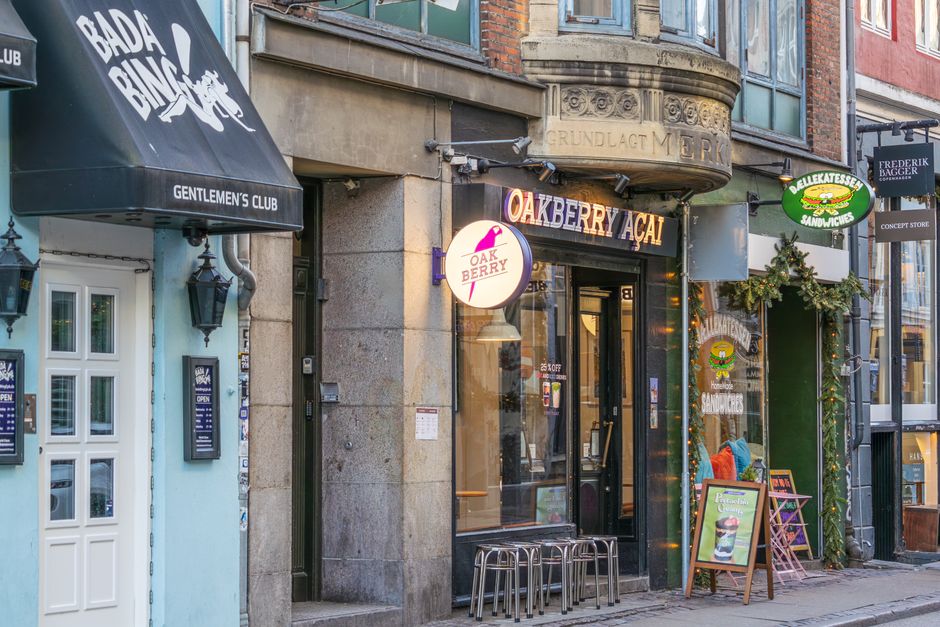
Beyond smørrebrød, seek out other Danish staples that define the local palate. Frikadeller (Danish meatballs) are comfort food at its finest—served with pickled cucumber and brown gravy at casual eateries throughout the city. Æbleskiver, fluffy pancake balls dusted with powdered sugar and jam, are beloved desserts that taste like childhood memories. Don’t miss flødeboller, chocolate-covered marshmallow confections found in bakeries and candy shops. And for something truly Danish, try medisterpølse, a spiced pork sausage that appears everywhere from street carts to fine dining establishments. These foods represent the heart of Danish culinary identity and provide authentic context for understanding the city’s food culture.
Torvehallerne Market: Copenhagen’s Culinary Heartbeat
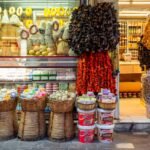
Located in Nørreport, Torvehallerne is an indoor market that captures the essence of Copenhagen’s food scene in one vibrant location. This bustling marketplace features dozens of vendors selling everything from organic produce and artisanal cheese to freshly caught seafood and prepared foods. Walking through Torvehallerne is an experience in itself—the energy is infectious, the smells are intoxicating, and the quality of ingredients on display is immediately apparent. It’s where locals shop for dinner and where visitors can assemble a picnic that rivals any restaurant meal.
The market is perfect for sampling local products without committing to a full restaurant experience. Purchase fresh smørrebrød from dedicated sandwich makers, grab warm cinnamon rolls from the bakery section, and sample organic meats from specialty butchers. The seafood stalls offer impeccably fresh fish and shrimp, while cheese vendors will help you navigate Denmark’s incredible dairy heritage. Many visitors spend hours here, moving between stalls, tasting as they go, and chatting with passionate vendors who genuinely love discussing their products. It’s an authentic, unscripted way to experience Copenhagen’s food culture while supporting local businesses.
Top Street Food and Casual Eats
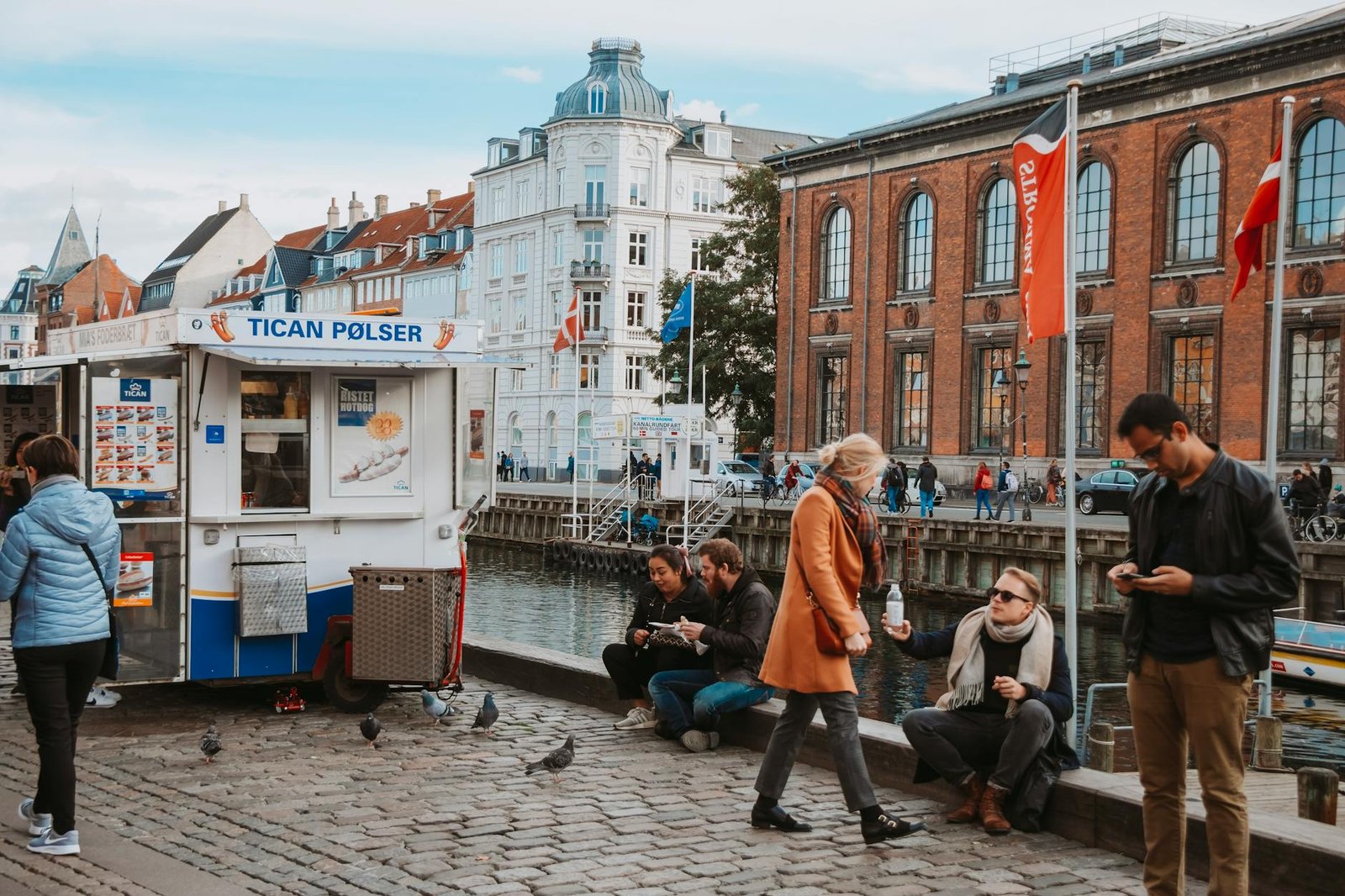
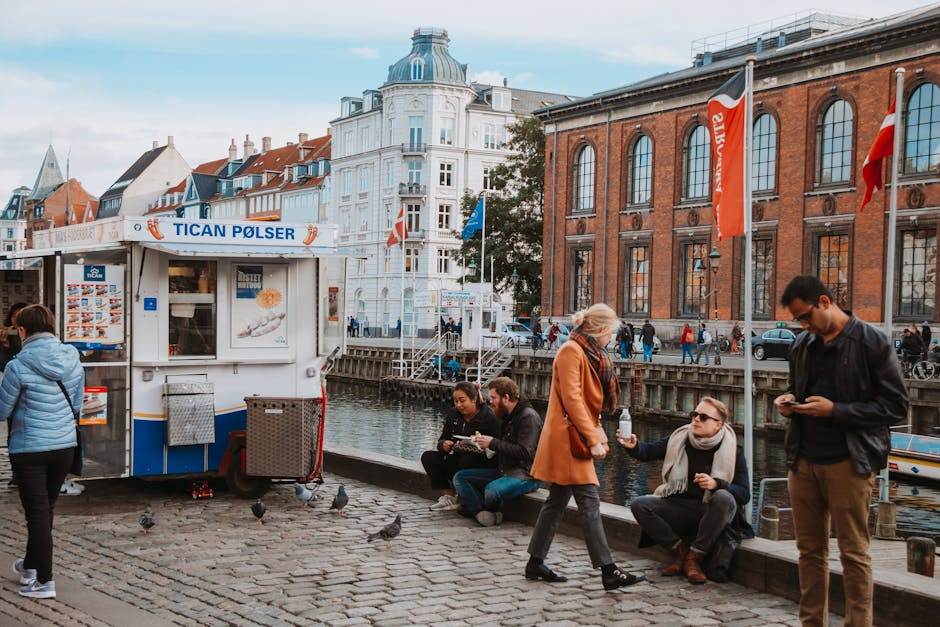
Copenhagen’s street food scene is increasingly sophisticated, offering far more than typical fast food. Along Stroget, the main pedestrian shopping street, and in neighborhoods like Vesterbro and Nørrebro, you’ll find food carts and casual eateries serving creative cuisine at reasonable prices. Look for hot dog stands selling pølser (Danish hot dogs) with crispy onions and homemade condiments, banh mi vendors offering Vietnamese-Danish fusion, and falafel shops run by immigrant communities that have enriched the city’s food diversity. Street food in Copenhagen is taken seriously, with many vendors sourcing organic ingredients and applying culinary creativity to quick-service format.
Visit Reffen, an open-air food hall in Islands Brygge, where over 40 independent food vendors gather in summer months. This is where Copenhagen’s street food culture thrives, offering everything from Korean tacos to wood-fired pizza, Italian pasta, and sustainable seafood options. The atmosphere is casual and communal, with shared picnic tables encouraging interaction among diners. For traditional Danish comfort food, try a rundstykker (Danish pastry roll) filled with salami and cheese from any neighborhood bakery. These casual options let you experience Copenhagen’s diverse food landscape while keeping meals affordable and adventurous.
Best Restaurants for Every Budget
For fine dining experiences, Geranium (three Michelin stars) in Østerbro offers exceptional New Nordic cuisine with panoramic city views. The restaurant focuses on vegetables and sustainable practices, creating seasonal tasting menus that showcase the best of Scandinavian ingredients. Barr in Christianshavn offers high-quality food in a more relaxed setting, featuring pasta and seafood dishes inspired by Italian and Nordic traditions. For mid-range dining in Nørrebro, seek out spots where natural wine and Mediterranean-inspired small plates create an unpretentious yet refined experience.
Budget-conscious travelers shouldn’t feel excluded from Copenhagen’s culinary scene. Café Norden offers affordable Danish staples with excellent smørrebrød at reasonable prices in a prime Stroget location. Visit lunch spots in Torvehallerne where quality meals cost far less than dinner service at formal restaurants. Many restaurants offer lunch specials significantly cheaper than evening prices. Neighborhood gems in Vesterbro and Nørrebro serve authentic Danish food in casual settings without inflated tourist pricing. Copenhagen rewards food adventurers willing to explore beyond famous names, offering incredible meals across all price points.
Best Food Tours and Experiences
For guided food experiences, Viator offers several Copenhagen food tours ranging from walking tours of Nørrebro’s restaurants and markets to multi-hour experiences that combine neighborhood exploration with tastings. These tours provide valuable context about Danish food culture while supporting knowledgeable local guides. GetYourGuide features tours like the Copenhagen Street Food and Market Tour, which introduces visitors to Torvehallerne, local specialties, and hidden culinary gems. Both platforms offer options accommodating different interests and schedules, from morning market tours to evening restaurant crawls.
Consider booking cooking classes where you’ll learn to prepare traditional Danish dishes under expert guidance. Many classes include market visits where instructors help you select ingredients like a local would. Food tours focusing on specific neighborhoods like Nørrebro or Vesterbro provide deeper cultural understanding alongside culinary education. These experiences often connect you with passionate locals who share insider knowledge about the city’s food scene that guidebooks can’t capture.
When to Visit for Food
Copenhagen’s food culture shifts beautifully with seasons. Summer (June-August) brings farmers markets overflowing with berries, fresh vegetables, and an outdoor dining culture centered on hygge. Spring (April-May) celebrates new growth with asparagus, rhubarb, and lighter dishes. Autumn (September-October) brings game, mushrooms, and hearty preparations that feel comforting as temperatures cool. Winter (November-March) is equally special, featuring comfort foods, traditional holiday specialties, and root vegetables that anchor Danish winter cuisine. Many restaurants adjust their menus seasonally, so what you eat reflects what’s growing around Copenhagen at that moment.
If visiting in December, experience Copenhagen’s famous Christmas markets where you’ll find gløgg (spiced mulled wine) and æbleskiver warming chilly evenings. October features New Nordic Food Festival celebrations throughout the city. Summer’s outdoor season transforms Copenhagen’s waterfront with restaurants and food vendors capitalizing on warm weather. However, Copenhagen’s food scene thrives year-round, so plan your visit based on other travel factors rather than worrying about seasonal limitations. The city’s culinary reputation is firmly established across all seasons.


Book a Food Experience in Copenhagen
Handpicked experiences — book with free cancellation and instant confirmation.
Explore More Food Tours
More food guides from Denmark:
You might also enjoy:
- Stockholm Food Tour Guide (Sweden)
- Oslo Food Tour Guide (Norway)
- Tromso Food Tour Guide (Norway)
- Trondheim Food Tour Guide (Norway)
Featured in:
Frequently Asked Questions
How much does a food tour in Copenhagen cost?
Food tours in Copenhagen typically range from €25 to €80 per person for a guided group tour. Private tours and premium culinary experiences can cost more, while self-guided food walks are often free or low-cost.
How long do food tours in Copenhagen last?
Most guided food tours in Copenhagen last between 2 and 4 hours and include multiple tasting stops. Walking food tours tend to run around 3 hours, while sit-down dining experiences may last longer.
What local dishes should I try on a Copenhagen food tour?
A food tour in Copenhagen is the best way to discover authentic local specialties. Your guide will take you to street food markets, traditional restaurants, and neighbourhood gems that locals love — dishes you would never find on your own.
What is the best area for street food in Copenhagen?
The best areas for street food and local cuisine in Copenhagen are usually found in the old town, central food markets, and traditional neighbourhoods away from the main tourist hotspots. A local food guide will show you exactly where to go.
Are food tours in Copenhagen suitable for people with dietary restrictions?
Most food tour operators in Copenhagen can accommodate vegetarian, vegan, halal, and gluten-free diets with advance notice. Always inform your guide of any dietary requirements when booking so they can plan the best route for you.