The World’s Best Spice Markets for Food Travelers 2026
There is a particular kind of travel magic that happens when you walk into a spice market for the first time. The air thickens with turmeric and dried rose petals, vendors call out from behind sacks of vivid powders, and suddenly every dish you have ever cooked at home feels like it was missing a secret ingredient. Spice markets are not just shopping destinations — they are living archives of trade history, culinary culture, and agricultural tradition. Whether you are hunting for genuine saffron in Istanbul, learning to identify ras el hanout blends in Marrakech, or walking through a working cardamom plantation in Kerala, buying spices directly at the source transforms the way you cook long after you return home. This guide covers the world’s most rewarding spice markets for food travelers in 2026, with honest tips on what to buy, what to avoid, and how to actually get everything home in one piece.
Istanbul’s Egyptian Bazaar: Where Continents Meet in a Single Sack
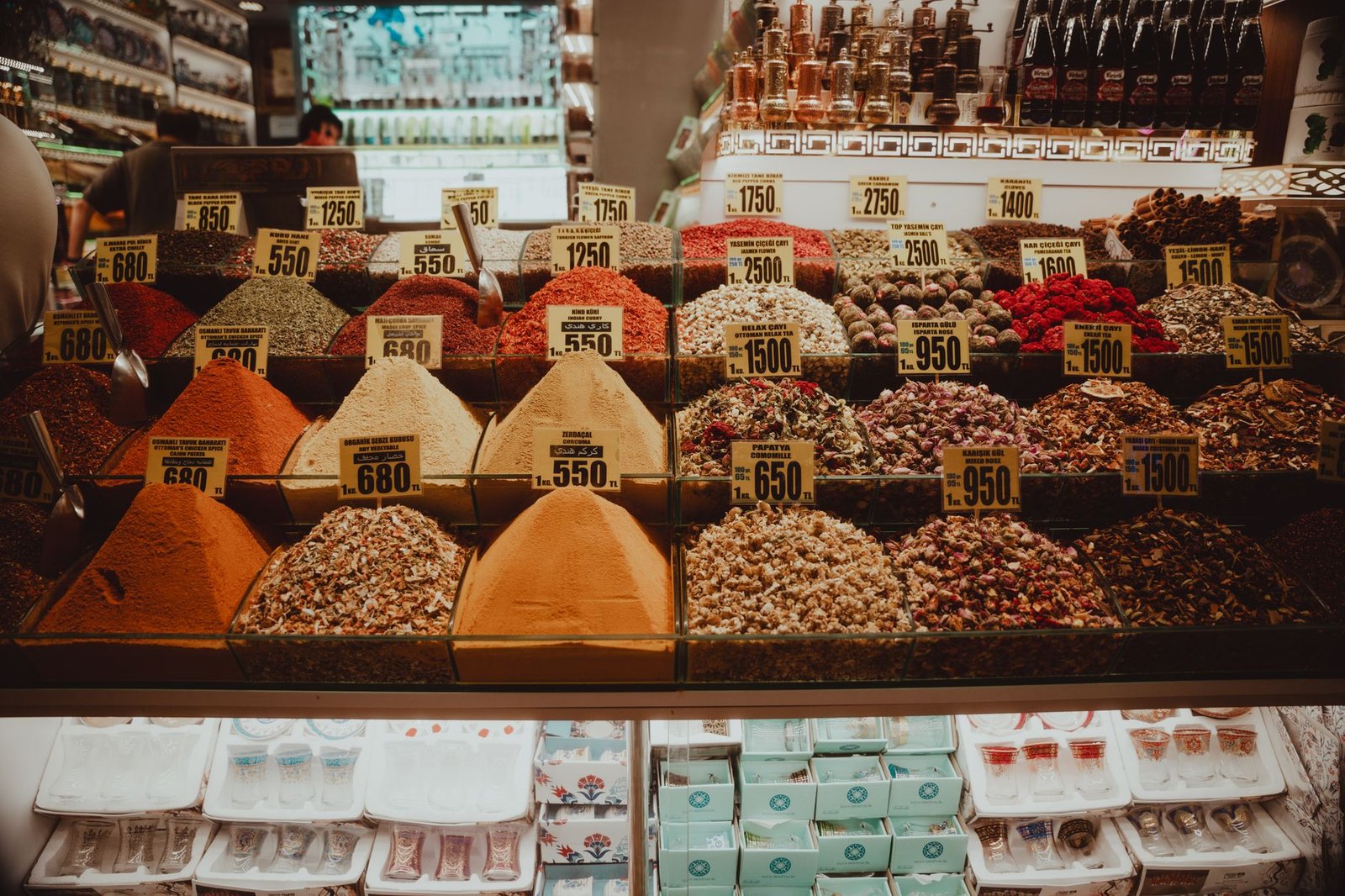
The Mısır Çarşısı, better known as the Egyptian Bazaar or Spice Bazaar, has been trading aromatics since 1664 in the heart of Eminönü. Walking through its arched stone corridors, you will find vendors selling everything from saffron and sumac to dried figs, pomegranate molasses, and mountains of Turkish delight in every conceivable flavor. The atmosphere alone is worth the trip, but savvy food travelers come with a specific list and a sharp eye.
Saffron is the market’s most prized — and most frequently faked — product. Real saffron threads are deep crimson with a slightly lighter orange tip and carry a distinctly floral, hay-like aroma. The classic test is to drop a few threads into cold water: genuine saffron releases a slow golden color over several minutes. Dyed safflower, often sold to unsuspecting tourists, bleeds immediately and turns water an unnatural red. Expect to pay around 80 to 150 Turkish lira per gram for genuine saffron from reputable stalls — dramatically less than back home but still a fair price that signals quality. Shops like Ucuzcular have been in business for generations and are generally considered trustworthy.
Beyond saffron, load up on sumac (the tangy purple-red powder that transforms grilled meats and salads), Urfa and Aleppo pepper flakes, and dried mint. Turkish delight — lokum — is best bought from vendors who let you taste before you commit. Avoid pre-packaged tourist boxes near the bazaar entrance; the real thing is sold loose from glass cases inside. Several excellent food tours available through Viator and GetYourGuide pair a guided Egyptian Bazaar visit with a Turkish breakfast and cooking demonstration, which is an ideal way to navigate the market with local context on your first morning in the city.
Marrakech Souks: Bargaining, Blending, and Argan Oil
The medina souks of Marrakech are a sensory labyrinth, and the spice section concentrated around Rahba Kedima square — sometimes called the Place des Épices — is the richest vein of flavor in the entire city. This is where you will encounter ras el hanout in its truest form. The name translates roughly to “top of the shop,” meaning a blend of a vendor’s finest ingredients, and no two are identical. Traditional blends can contain anywhere from 12 to over 30 spices, including rose buds, mace, cubeb pepper, cardamom, and turmeric. Ask vendors what goes into their blend; a good spice seller will be proud to tell you.
Bargaining is expected and is genuinely part of the experience, but enter it respectfully. A reasonable opening offer is roughly half the initial asking price, with both parties landing somewhere in the middle. Never start negotiating unless you actually intend to buy — it is considered poor form. For quality argan oil, skip the souk stalls and visit a women’s cooperative like Amal or one of the certified cooperatives on the road toward the Atlas foothills, where you can watch the pressing process and verify authenticity. Culinary argan oil has a rich, nutty flavor ideal for finishing salads and couscous; cosmetic argan oil is a different product entirely and will ruin a meal.
A half-day guided souk walk through platforms like GetYourGuide often includes a stop at a reliable spice shop where the guide serves as translator and quality filter — genuinely worth booking if this is your first time in Marrakech.
Kerala’s Spice Plantations: From Tree to Table
If you want to understand spices at their most elemental, nothing compares to walking through a working plantation in Kerala’s Idukki or Wayanad districts. Here, cardamom grows in shaded hillside clusters, black pepper vines climb teak trees, and cinnamon bark is peeled by hand and left to curl in the sun. Buying spices directly from a plantation means you are getting product that has often been harvested within weeks rather than sitting in a warehouse for a year.
The Thekkady region near Periyar National Park is particularly accessible for travelers, with several family-run plantations offering guided tours for around 300 to 600 Indian rupees per person. The Spice Village and Abraham’s Spice Garden are well-regarded options that combine education with direct sales. You will typically see cardamom (Kerala produces the majority of India’s crop), long and short pepper, nutmeg, cloves, and vanilla orchids. Staff will explain the difference between Ceylon cinnamon — true cinnamon, thin and delicately sweet — and cassia, which is thicker, spicier, and what most of the world mistakenly calls cinnamon. Buying directly here, you can expect to pay a fraction of Western retail prices for exceptional quality.
Always ask for whole spices rather than pre-ground powder when purchasing from plantations. Whole cardamom pods, unground pepper, and rolled cinnamon sticks survive customs checks far more reliably and retain flavor exponentially longer once you are home.
Zanzibar Stone Town: Cloves, History, and Spice Island Tours
Zanzibar was once the clove capital of the world, and walking through Stone Town’s narrow streets still carries traces of that aromatic legacy. The island’s spice tours — departing from Stone Town and lasting around three to four hours — are among the best agricultural food experiences available anywhere in East Africa. Guides lead small groups through working farms where clove, nutmeg, cinnamon, vanilla, and ylang-ylang are grown, and they demonstrate how each spice is harvested and processed.
The clove trade shaped Zanzibar’s entire political and economic history, and good guides will connect the dots between the spice plantations, the Arab slave trade, and the island’s complex colonial past. This historical context makes buying a small bag of cloves feel surprisingly meaningful. Prices at farm-gate tours are very fair — expect to pay roughly 10 to 20 US dollars for a generous selection of mixed whole spices. The Zanzibari Spice Tour is bookable through GetYourGuide and most Stone Town guesthouses, and it consistently ranks among the top-rated experiences on the island.
Budapest‘s Great Market Hall: Europe’s Best Paprika Stop
Food travelers often overlook Budapest as a spice destination, which is a genuine mistake. The Nagy Vásárcsarnok — Budapest’s Great Market Hall — is one of Europe’s most beautiful covered markets and the best place in the world to buy Hungarian paprika. The range is extraordinary: sweet, hot, smoked, and specialty grades including különleges (exquisite), csípős csemege (slightly hot), and erős (hot). Each grade has a distinct flavor profile and ideal culinary application.
Quality paprika is bright, aromatic, and slightly oily to the touch — a sign that the essential oils are still intact. Dull, dusty, or faded paprika is old stock and not worth your luggage space. Reputable vendors in the market will let you smell before you buy. Szeged and Kalocsa are the two primary Hungarian paprika-producing regions, and products labeled with those origins are a reliable indicator of quality. Prices are extraordinarily reasonable — a 100-gram bag of premium paprika typically costs under three euros. Stock up generously; it transforms goulash, deviled eggs, and roasted vegetables in a way that supermarket paprika simply cannot replicate.
Getting Your Spices Home: Customs, Packing, and Keeping Flavor Intact
The finest saffron in the world is worthless if it clears customs smelling like the inside of a checked bag. Here is what experienced food travelers do to protect their haul:
- Pack whole spices in carry-on luggage whenever possible — they are less vulnerable to moisture and temperature swings than checked bags.
- Double-wrap spices in zip-lock bags to contain aromatic leakage and prevent contamination of clothing.
- Check your destination country’s customs rules before you travel. The US, EU, Australia, and New Zealand all have different regulations. Generally, commercially packaged, labeled spices clear customs more easily than loose product in unmarked bags.
- Keep quantities reasonable — personal-use amounts are almost universally permitted, but large quantities of any single item can trigger agricultural inspection.
- Store spices at home in airtight glass jars away from heat and direct light. Properly stored, whole spices retain peak flavor for two to three years; ground spices are best used within six to twelve months.
- Label everything when you get home, including the country of origin and purchase date — you will thank yourself six months later when you cannot remember whether that red powder is smoked Moroccan paprika or Kashmiri chili.
The best spice markets in the world are ultimately about connection — to the farmers, the traders, the historical trade routes, and the home kitchens that have relied on these ingredients for centuries. Whether you are haggling over saffron in Istanbul, breathing in cardamom on a Kerala hillside, or tucking paprika into your carry-on at Budapest’s Great Market Hall, you are participating in a tradition far older than tourism itself. Browse our full collection of food tour guides at FoodTourTrails.com to plan your next market adventure, and explore curated spice market tours on Viator and GetYourGuide to find expert-led experiences that will make every stop richer, more informed, and genuinely delicious.
Book a Food Experience in Top Destinations
Handpicked experiences — book with free cancellation and instant confirmation.
Explore More Food Tours
Guides for the cities in this article:
- Marrakech Food Tour Guide (Morocco)
- Budapest Food Tour Guide (Hungary)
- Szeged Food Tour Guide (Hungary)
- Istanbul Food Tour Guide (Turkey)
Frequently Asked Questions
Which spice market is considered the best in the world for first-time food travelers?
Marrakech's Jemaa el-Fna souk system, particularly the spice stalls clustered around Rahba Kedima square, is widely considered the top pick for first-timers. You'll find over 30 distinct spices including ras el hanout blends unique to individual vendors, with stall owners happy to explain uses and origins. Arriving before 10am helps you avoid tour groups and get more personal attention from sellers.
How do I avoid being overcharged as a tourist when buying spices at these markets?
Research local prices before visiting — for example, saffron in Istanbul's Grand Bazaar should cost roughly $8–15 USD per gram for genuine product, and anything dramatically cheaper is likely adulterated. Always buy from stalls deeper inside the market rather than those at the entrance, which cater almost exclusively to tourists at inflated prices. Politely negotiating 10–20% off an initial quote is culturally expected in most Middle Eastern and South Asian markets.
What spices are worth buying at Asian spice markets that are hard to find back home?
Kochi's Jew Town spice market in Kerala, India is the best place to source single-estate black pepper, true green cardamom, and Malabar kokum, all of which lose potency in long supply chains. Singapore's Tekka Market in Little India stocks fresh curry leaf bundles and pandan-based blends rarely exported in their fresh form. Colombo's Manning Market in Sri Lanka is unbeatable for true Ceylon cinnamon, which is botanically different and far more delicate than the cassia sold in most Western grocery stores.
Are spice markets safe to visit, and what should I watch out for?
The major spice markets featured in this guide — including Istanbul's Mısır Çarşısı, Marrakech's souks, and Deira Spice Souk in Dubai — are generally very safe for tourists in 2026, though standard urban travel precautions apply. Pickpocketing can occur in crowded alleyways, so keep bags zipped and in front of your body during peak hours. Be cautious of 'guides' who approach you unsolicited near market entrances, as they typically earn commission from specific stalls and will steer you away from better-value vendors.
Can I bring spices purchased at international markets back through customs to the US, UK, or EU?
Dried whole and ground spices are generally permitted into the US, UK, and EU without restriction, making them one of the safest food souvenirs to travel with. However, fresh spices like curry leaves, fresh turmeric root, or fresh vanilla pods may be confiscated at US and Australian customs due to agricultural biosecurity rules, so stick to dried or processed forms. Always declare spice purchases on your customs form — undeclared food items can result in fines even if the product itself would have been allowed through.