The World’s Best Tea Cultures 2026: Where to Drink Like a Local
Tea is the world’s most consumed beverage after water, but calling it simply a drink misses the point entirely. Across cultures and continents, tea is ceremony, community, negotiation, meditation, and hospitality all poured into a single cup. Whether you’re watching a Japanese tea master fold a bamboo whisk into matcha with unhurried precision or sitting cross-legged on a Moroccan rooftop while sweet mint tea is poured from a theatrical height, these rituals tell you something profound about the people practicing them. If you’re planning your travels around meaningful food and drink experiences in 2026, understanding these tea cultures before you arrive transforms a pleasant sip into something you’ll genuinely never forget.
Japan: The Meditative World of Matcha in Kyoto
Japan’s chado, or “the way of tea,” is arguably the most formalized tea culture on earth. The Japanese tea ceremony is rooted in Zen Buddhist philosophy and centers on four principles: harmony, respect, purity, and tranquility. Every gesture, from the way a host turns the bowl before presenting it to the specific placement of the tea scoop, carries deliberate meaning.
Kyoto is the undisputed home of this tradition, and the Uji district nearby is where Japan’s finest matcha is grown. For an authentic experience, En tea ceremony in Gion or Urasenke, one of the three main schools of Japanese tea founded in the 16th century, offer formal ceremonies to visitors. Prices for a structured ceremony experience typically range from 2,000 to 5,000 yen depending on the level of formality and whether a traditional sweet is included.
Etiquette to Know Before You Bow
- Receive the bowl with both hands and turn it clockwise twice before drinking to avoid sipping from the “front”
- Drink in three and a half sips, finishing completely
- Silence is respected and often preferred during a formal ceremony
- Seasonal wagashi sweets are served first to balance the bitterness of the matcha
Viator and GetYourGuide both list guided tea ceremony experiences in Kyoto that include English-speaking hosts and often a cultural context walk through Gion beforehand, which adds valuable background for first-timers.
China: Gongfu Cha and the Art of Patience in Chengdu
Gongfu cha, which translates roughly as “making tea with skill,” originated in the Chaoshan region of Guangdong but has spread throughout China as a respected ritual. The method involves tiny Yixing clay teapots, multiple short steepings, and a tray designed to catch the overflow of water used to rinse leaves and warm vessels. The point is not efficiency. The point is attention.
While many travelers head to Hangzhou for Longjing green tea or Fujian for oolong, Chengdu deserves recognition for its extraordinary teahouse culture. Places like Heming Teahouse in People’s Park have been serving tea since the early 20th century. Locals sit for hours playing mahjong, reading newspapers, or simply watching the world pass. A pot of tea costs around 20 to 40 yuan and is refilled throughout the day. This is tea as a social institution rather than a hurried habit.
Many Chengdu food tours on GetYourGuide now incorporate a teahouse stop alongside the city’s famous hotpot and street snack experiences, which makes for a beautifully balanced cultural afternoon.
Britain and Morocco: Two Ceremonies, One Table Apart
British Afternoon Tea
Afternoon tea as a formal ritual was credited to Anna, the Duchess of Bedford, in the 1840s. Today it has evolved into one of the world’s most recognizable food rituals, though the quality varies enormously. At its finest, the experience includes finger sandwiches on crustless bread, warm scones served with clotted cream and jam, and a selection of pastries, all accompanied by loose-leaf Darjeeling, Assam, or Earl Grey.
For an experience worth the investment, The Ritz in London charges around £75 to £95 per person in 2026 and books weeks in advance. More accessible options include Fortnum and Mason’s Diamond Jubilee Tea Salon, which hovers around £60 to £75. Outside London, the Pump Room in Bath offers afternoon tea with genuine Georgian atmosphere for considerably less. The etiquette rule most visitors get wrong: cream goes on the scone before jam in Devon, jam before cream in Cornwall. Choose your allegiance carefully.
Moroccan Mint Tea: The Three Glasses of Life
In Morocco, refusing tea is refusing friendship. The traditional ritual involves gunpowder green tea, fresh spearmint, and enough sugar to make a dentist nervous, poured from a silver teapot raised high above tiny glasses to create a froth. The sequence is three glasses: the first is said to be as gentle as life, the second as strong as love, and the third as bitter as death.
Marrakech‘s medina offers hundreds of chances to experience this, but for authentic context away from tourist pressure, the city of Chefchaouen in the Rif Mountains provides a more relaxed setting where locals genuinely invite visitors to sit. Guided food tours through the Marrakech medina frequently include a mint tea demonstration with a local family, which adds a layer of genuine hospitality to the experience.
India and Turkey: Chai That Moves With You
Indian Masala Chai
India’s masala chai is democracy in a cup. From five-star hotels to roadside tapri stalls where small clay kulhads cost as little as 10 rupees, chai is available at every economic level and every hour of the day. The traditional recipe combines strong Assam or CTC tea with whole milk, crushed ginger, cardamom, cinnamon, cloves, and black pepper, simmered together until the mixture thickens slightly.
Mumbai‘s iconic chai wallahs near CST station and Delhi‘s Chandni Chowk are justifiably famous, but for a deeper experience, Kolkata‘s tea culture is underappreciated by international visitors. Authentic adda culture, meaning long conversations over tea at a local cabin, is a Kolkata institution worth seeking out. Several food walking tours in both Mumbai and Kolkata incorporate chai stops with street food tastings, available through major tour booking platforms.
Turkish Çay and the Tulip Glass
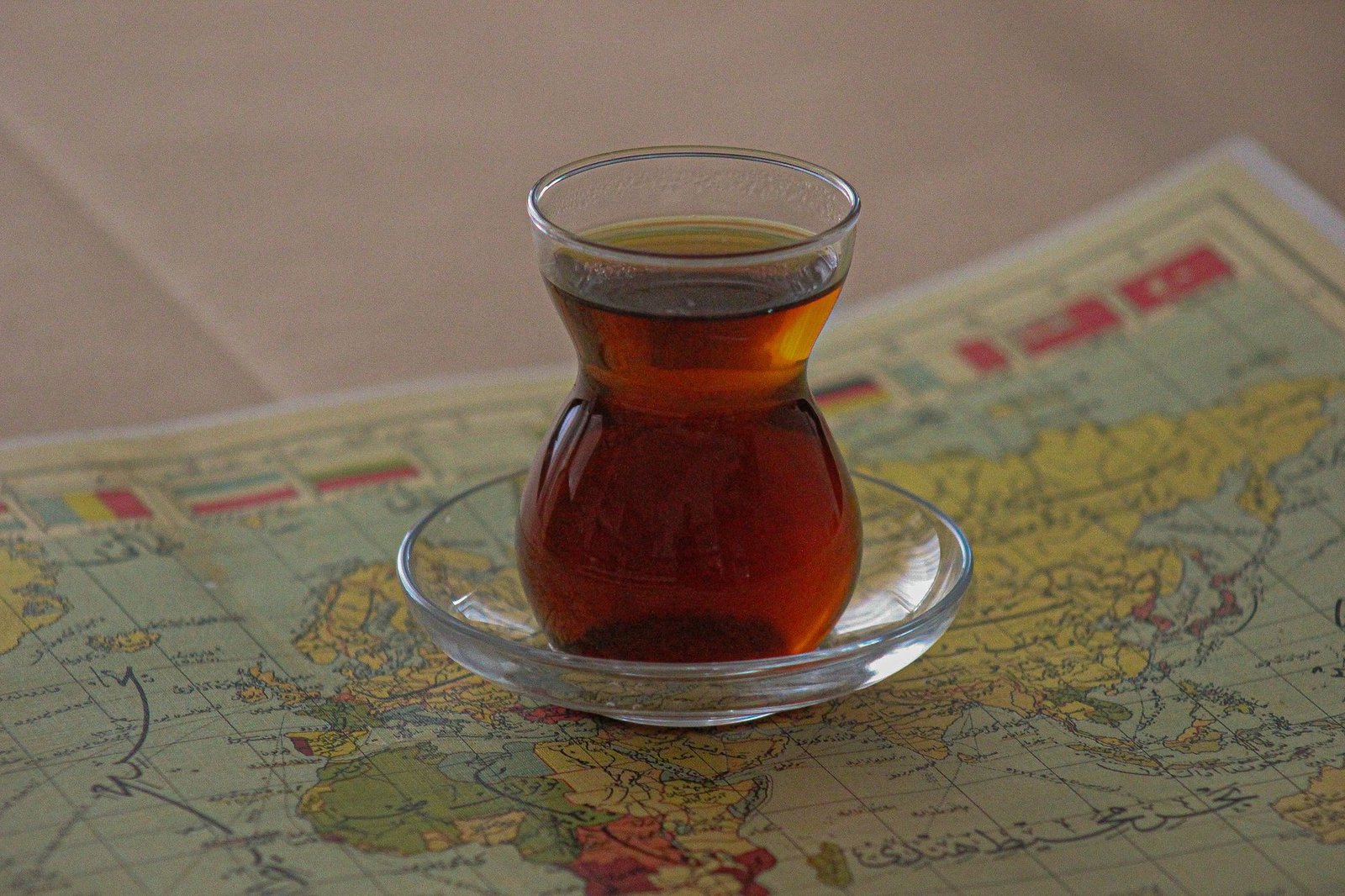
Turkey is among the world’s top per capita tea consumers, a fact that surprises many travelers expecting coffee culture. Turkish çay is brewed in a double stacked kettle called a çaydanlık, producing a concentrated tea in the top pot that is diluted to preference with hot water from below. It is served in a distinctive tulip-shaped glass that shows off the tea’s deep amber color, always with sugar cubes on the side and never with milk.
Istanbul‘s Grand Bazaar and Kapalıçarşı are full of tea houses where a glass costs around 5 to 10 lira, and shopkeepers will offer çay during negotiations as a matter of course. Refusing even once is considered mildly rude. In the Black Sea city of Rize, where most of Turkey’s tea is grown, the regional pride in çay reaches its peak, and local cooperatives occasionally welcome visitors to see the harvest on terraced hillsides.
Taiwan: Where Bubble Tea Was Born and What Comes Next
Bubble tea, or boba, was invented in Taichung in the early 1980s, though Taipei‘s Chun Shui Tang tearoom also claims partial credit for the innovation. The original version combined cold tapioca pearls with sweetened milk tea, and from those humble beginnings an entire global industry was born. By 2026, boba culture has expanded dramatically into specialty formats including brown sugar tiger milk tea, taro variants, fresh fruit teas, and cheese tea foam.
Visiting Taiwan specifically for boba is not as frivolous as it sounds. The range of quality and creativity between a Taiwanese milk tea bar and an overseas franchise is significant. Chun Shui Tang in Taichung serves the original recipe and offers a historical context that turns a casual drink into a genuine origin story. Beyond bubble tea, Taiwan also has a sophisticated high mountain oolong culture centered in Alishan and Lishan, with tasting experiences available through local producers that rival Taiwanese tea ceremonies in their own understated way.
Bubble Tea Etiquette and Ordering Tips
- Specify your sugar level: 0%, 25%, 50%, 75%, or 100% is standard in most shops
- Ice levels are similarly customizable and worth adjusting for flavor concentration
- Taro, matcha, and brown sugar are the most authentic Taiwanese flavor profiles
- Visit during non-peak hours as popular shops like Tiger Sugar can have queues of 30 minutes or more
Taipei food tours increasingly include a dedicated bubble tea tasting component alongside night market exploration, making them an efficient way to sample several regional styles in one outing.
Planning Your Tea-Focused Travel in 2026
The practical reality of experiencing these cultures authentically is that some require advance booking, particularly for structured ceremonies in Japan, while others simply require showing up, slowing down, and accepting the glass placed in front of you. In every case, the investment is minimal compared to the cultural return. A guided food tour adds enormous value when you arrive without background knowledge, since a good local guide can explain why the host’s hand moves a certain way, what the tea leaves say about the region’s soil, and which teahouse has been serving the neighborhood for three generations versus which one opened last month for Instagram traffic.
Ready to sip your way across the world’s most extraordinary tea cultures? Browse our curated food tour recommendations on FoodTourTrails.com, where we highlight the best guided experiences from Kyoto to Marrakech that put your cup in the right hands. Whether you’re planning one destination or building a full tea-trail itinerary, the world is ready to pour.
Frequently Asked Questions
Which country has the most unique tea ceremony experience for first-time visitors?
Japan's chado (the Way of Tea) in Kyoto offers the most structured and spiritually immersive experience, particularly in historic teahouses in the Uji district. Visitors can book a guided matcha ceremony for around ¥2,000–¥5,000 that includes wearing a yukata and learning the precise movements of the ritual. Book at least two weeks in advance in 2026, as demand has surged dramatically since the post-pandemic travel boom.
Is it considered rude to refuse tea when offered in Morocco or China?
In Morocco, refusing mint tea (atay) is considered impolite, as it is deeply tied to hospitality and welcoming guests — accepting at least one glass is strongly recommended. In China, refusing tea during a formal gongfu cha session can cause mild offence, though hosts in tourist-heavy areas like Chengdu or Hangzhou are increasingly understanding of dietary preferences. A polite smile and a brief explanation go a long way in both cultures.
What is the best time of year to visit Darjeeling, India for a tea estate tour?
The first flush harvest season (mid-March to May) is considered the golden window for visiting Darjeeling, when the tea gardens are lush and the famous muscatel-flavored leaves are freshly picked. Many estates like Makaibari and Castleton offer immersive farm stays and plucking experiences during this period. The weather is also clearest before monsoon season hits in June, giving spectacular views of the Kanchenjunga range.
Can I drink traditional butter tea in Tibet without a special permit?
Accessing the Tibet Autonomous Region requires a Tibet Travel Permit on top of your Chinese visa, which must be arranged through a registered Chinese travel agency — independent travel is not permitted as of 2026. Once inside Lhasa, you can freely enjoy po cha (yak butter tea) at local teahouses near Barkhor Street, where locals gather daily for this salty, calorie-rich drink. The permit process typically takes 7–15 days, so plan well ahead of your trip.
What should I order at a traditional British afternoon tea to get the authentic experience without overpaying?
Skip the headline hotel venues like The Ritz or Claridge's (which can exceed £80 per person) and instead seek out regional tearoom institutions — Yorkshire's Betty's Tea Rooms in Harrogate charges around £30 and is considered by many food critics to be more authentically British. A proper afternoon tea should include finger sandwiches, warm scones with clotted cream and jam (cream first in Cornwall, jam first in Devon — the debate is real), and a pot of loose-leaf Assam or Darjeeling. Always reserve a table in advance, as the best spots book out weeks ahead, especially on weekends.
Book a Food Experience in Top Destinations
Handpicked experiences — book with free cancellation and instant confirmation.