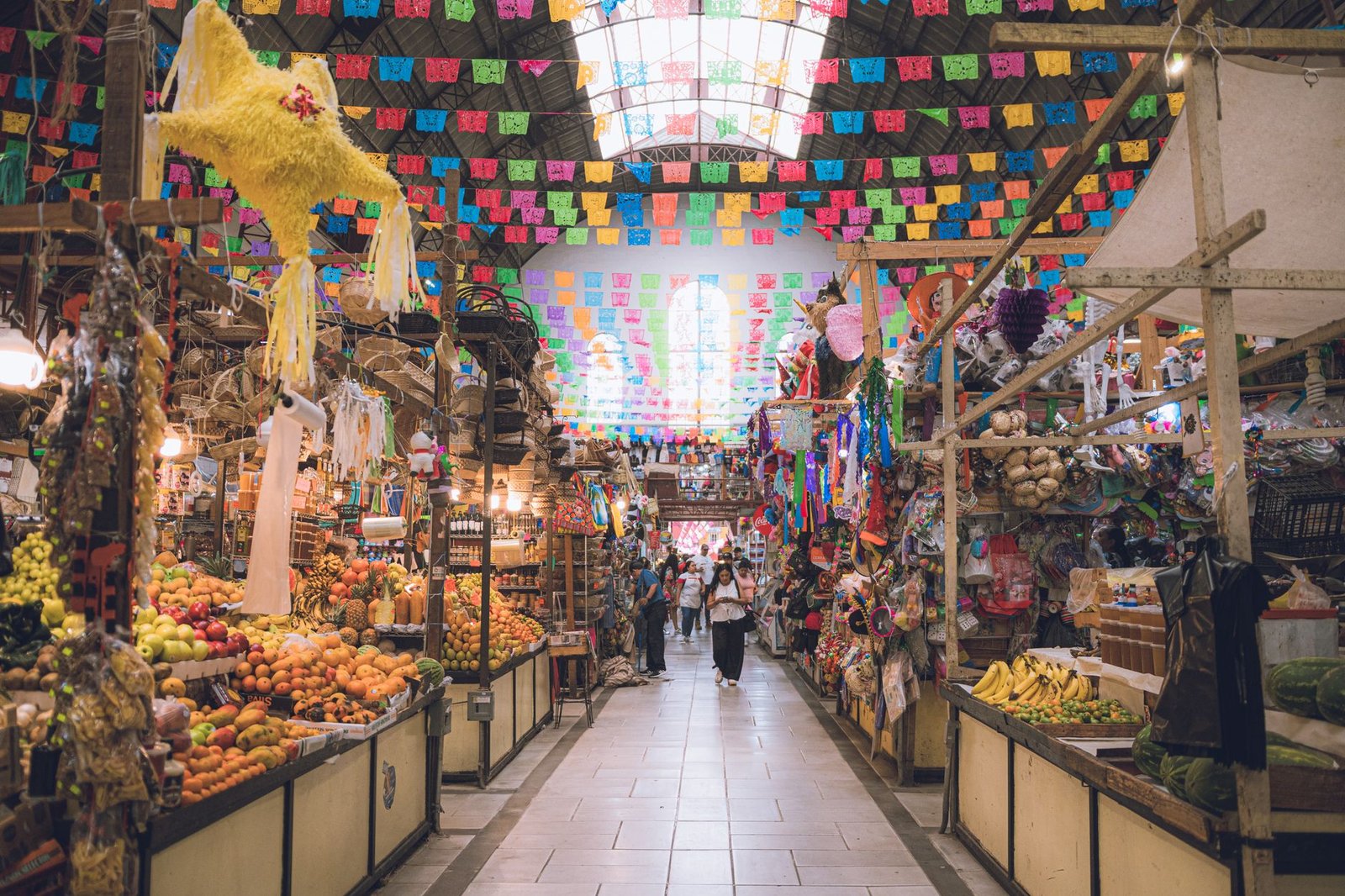
Best Food Halls in North America 2026
Food halls have quietly become the best argument for visiting a city with an empty stomach and a full afternoon. Forget the restaurant reservation stress and the single-cuisine commitment — the great food markets of North America let you graze across cultures, support independent producers, and stumble into something genuinely unexpected between every stall. These are not tourist traps dressed up with Edison bulbs. The best ones have been feeding locals for decades, and they are getting better, not worse. Whether you are planning a dedicated culinary trip or simply want to make the most of a layover, the six markets below represent the continent’s finest concentration of edible ambition.
Chelsea Market and Time Out Market New York: Two Visions of the Food Hall
New York being New York, it could not settle for one iconic food market. Chelsea Market and Time Out Market New York sit about a mile apart in Manhattan and represent two distinct philosophies worth comparing.
Chelsea Market, housed inside the old Nabisco factory on Ninth Avenue, leans into its industrial bones. The brick corridors and exposed pipes create an atmosphere that no designer could fake, and the vendor mix rewards slow exploration. Los Tacos No. 1 consistently draws lines for its handmade tortillas and al pastor cooked on a vertical spit. The Lobster Place is a full fishmonger that also operates a raw bar and a small counter restaurant — the lobster bisque is frequently cited as some of the best in the city. Eighth Wonder imports Japanese snacks and novelty foods at prices that make interesting souvenirs without wrecking a budget. Arrive before 11am on weekdays to move freely through the space; weekend afternoons turn the main corridor into a slow shuffle.
Time Out Market, perched inside the Pier 17 complex near the South Street Seaport, takes a curation-over-discovery approach. The concept originated in Lisbon and the New York outpost gathers a rotating roster of chefs and restaurant concepts under one roof, with Hudson River views from the upper level. It skews younger and louder than Chelsea Market, which is not a criticism — the energy suits the waterfront setting perfectly. Midweek lunch hours offer the best combination of full vendor participation and manageable crowds.
Reading Terminal Market Philadelphia: The Market That Predates the Skyscraper
Open since 1893 and operating continuously ever since, Reading Terminal Market is the kind of place that makes food historians emotional. Located beneath the old Reading Railroad train shed in Center City, it operates as both a daily grocery resource for Philadelphians and a destination that draws visitors from across the country.
The Pennsylvania Dutch vendors are the cultural anchor. Beiler’s Bakery produces doughnuts that start disappearing from the display case almost as soon as they are set out — arriving by 9am is the move. The Amish sellers typically attend Tuesday through Saturday, and their presence gives the market a rhythm and authenticity that money cannot manufacture. DiNic’s Roast Pork sandwich is so embedded in Philadelphia food culture that it won the title of best sandwich in America on the Travel Channel’s Man v. Food, and the line during lunch reflects that reputation accordingly. Budget conscious visitors should note that many prepared food items run between eight and fourteen dollars, which is reasonable for a city-center market.
Reading Terminal is genuinely busy all day on Saturdays, so a weekday morning visit — particularly Tuesday through Thursday — offers the most relaxed experience. Guided food tours through Viator and GetYourGuide frequently use the market as a centerpiece stop, pairing it with context about Philadelphia’s culinary history that transforms a casual browse into a proper education.
Ferry Building Marketplace San Francisco: Where the Bay Comes to Breakfast
The Ferry Building sits at the foot of Market Street with the Bay Bridge framing the view behind it, which would be reason enough to visit even if the food were mediocre. It is not mediocre. The permanent marketplace inside the building houses some of the most serious producers in Northern California, and the Saturday farmers market that wraps around the exterior turns the entire waterfront into an open-air celebration of what the region grows.
Acme Bread Company has been baking naturally leavened loaves in the Bay Area since 1983 and the Ferry Building location allows visitors to watch production through a glass window while selecting from the day’s output. Cowgirl Creamery’s retail counter offers flights of their Mt. Tam and Red Hawk cheeses alongside seasonal selections — it is the most efficient way to understand why California artisan cheese became a national conversation. Slanted Door, the Vietnamese restaurant that occupied the building for years, has gone through changes, but the food landscape around it has only strengthened, with Blue Bottle Coffee and Gott’s Roadside adding reliable anchors.
Saturday from 10am to 2pm is the market at full power and also at maximum density. Tuesday and Thursday morning markets are quieter and still excellent. Several food tour operators run dedicated Ferry Building experiences through GetYourGuide that include guided tastings and producer introductions — a worthwhile investment for anyone serious about understanding Northern California food culture.
Pike Place Market Seattle and Granville Island Vancouver: The Pacific Northwest Double
If a food-focused Pacific Northwest trip is on the agenda, these two markets pair naturally into a single itinerary across two cities.
Pike Place Market, Seattle
Pike Place opened in 1907 and the fish-throwing theatrics at Pike Place Fish Market are so famous they have become almost secondary to the market’s actual substance. The produce stalls along the main arcade carry varieties that rarely appear in supermarkets. Piroshky Piroshky, a Russian bakery operating from a small street-level window, produces stuffed pastries at prices generally under five dollars that inspire genuine loyalty among Seattle residents. DeLaurenti Specialty Food and Wine offers an impressive selection of imported cheeses, charcuterie, and pantry staples in a format that rewards slow browsing. The lower levels of the market, often overlooked by visitors following the main pedestrian flow, contain a maze of specialty shops, antique sellers, and small restaurants that extend the experience considerably.
Granville Island Public Market, Vancouver
A short ferry ride or pleasant walk from downtown Vancouver, Granville Island feels like a self-contained village that happens to contain one of the best public markets in Canada. The permanent stalls cover an impressive range — Stuart’s Bakery for pastries, Benton Brothers Fine Cheese for an encyclopedic selection of Canadian and imported varieties, and a rotating cast of produce vendors whose offerings shift with the Fraser Valley growing season. The market is busiest on weekends and during the summer months when cruise ship visitors overlap with local shoppers. Arriving by 9am on a Saturday captures the market at its freshest before congestion builds. Viator-listed food tours of Granville Island regularly earn strong reviews for connecting visitors with vendors who explain the sourcing and production behind what they sell.
Ponce City Market Atlanta: The South’s Most Ambitious Renovation
Ponce City Market occupies the former Sears, Roebuck and Company distribution center on the BeltLine, a building so large that its redevelopment became one of Atlanta’s signature urban stories of the past decade. The Central Food Hall on the ground floor operates as the market’s heart, surrounded by residential units, offices, and a rooftop amusement area that reflects the project’s mixed-use ambition.
Gunshow, the concept from chef Kevin Gillespie, operates with a dim-sum service style where chefs move through the dining room presenting dishes tableside — it is worth booking in advance. H&F Burger, from the Holeman and Finch family of restaurants, serves smash burgers that represent a serious answer to the question of what Atlanta fast-casual can aspire to. Honeysuckle Gelato brings Southern flavor influences — sweet tea, boiled peanut, peach — into Italian form, and the results are more coherent than the concept description suggests. The BeltLine location means the market connects to a walking and cycling trail that links several Atlanta neighborhoods, making it genuinely functional for locals rather than purely destination-driven for visitors.
Weekend afternoons pack the ground floor considerably. Thursday and Friday lunch hours offer a more navigable experience without sacrificing the full vendor roster.
Practical Tips for Getting the Most from Any Food Hall Visit
- Arrive hungry but not starving — decision-making improves when the appetite is sharp but not desperate
- Do one full lap before purchasing anything, mapping what appeals before committing
- Visit on a weekday morning where possible; most serious markets are busiest on Saturday between 11am and 2pm
- Check each market’s website for seasonal vendor schedules — not all stalls operate seven days a week
- Consider a guided food tour through Viator or GetYourGuide for any market you plan to visit seriously; local guides surface vendors and context that independent browsers routinely miss
- Bring a small insulated bag for perishable purchases, particularly useful at farmer’s market-adjacent spaces like Ferry Building and Granville Island
- Most markets have limited seating relative to vendor count — arriving early secures better options for sitting and eating in place
North America’s great food markets are not frozen in amber. They are living, evolving institutions that reflect the communities around them — which means every visit, even to a market you have explored before, has the potential to introduce something new. Whether you are building a trip entirely around culinary exploration or simply want to eat well on a single afternoon, these six destinations represent the continent’s highest concentration of edible ambition in one place. Start planning your visit at FoodTourTrails.com, where you will find curated food tour recommendations, neighborhood eating guides, and practical market itineraries to help you make every hour count.
Frequently Asked Questions
What is the best food hall in North America right now?
Time Out Market in New York City and Eataly in Chicago consistently rank among the top food halls in North America heading into 2026. Both offer curated selections from acclaimed local chefs and artisan vendors under one roof. For West Coast travelers, Grand Central Market in Los Angeles remains a beloved institution with decades of diverse culinary history.
Are food halls worth visiting if I only have one meal to spare?
Absolutely — food halls are ideal for travelers who want to sample multiple local flavors in a single sitting without committing to a full sit-down restaurant. Most offer casual seating where you can graze from several vendors, making them perfect for solo diners or groups with different tastes. Budget around 60 to 90 minutes to explore stalls, try samples, and enjoy your meal comfortably.
How much should I budget for a meal at a top North American food hall?
Expect to spend between $15 and $35 per person for a satisfying meal at most premium food halls, depending on the city and vendor choices. High-end destinations like Quincy Market in Boston or The Battery in San Francisco can push costs higher if you add drinks or dessert. Sharing dishes between travel companions is a great strategy to taste more while keeping costs manageable.
Do food halls in North America accommodate dietary restrictions like vegan or gluten-free diets?
Yes, most modern food halls curate their vendor mix specifically to include diverse dietary options, including vegan, vegetarian, and gluten-free offerings. Halls like Oxbow Public Market in Napa, California, and St. Lawrence Market in Toronto are particularly well known for their inclusive food diversity. It's always smart to check the food hall's website before visiting to identify which specific stalls suit your needs.
What is the difference between a food hall and a food court?
A food hall typically features independent, chef-driven vendors, local artisans, and specialty producers focused on quality and regional cuisine, while a food court is dominated by national fast-food chains in a mall setting. Food halls usually have a more curated atmosphere with open kitchens, communal seating, and a stronger emphasis on the dining experience itself. Think of a food hall as a culinary destination worth traveling to, rather than a convenient pit stop.
Book a Food Experience in Top Destinations
Handpicked experiences — book with free cancellation and instant confirmation.