Verona Food Tour – Best Local Food & Restaurants
Verona, Italy: The Ultimate Food Guide
A Culinary Gateway to Northern Italy
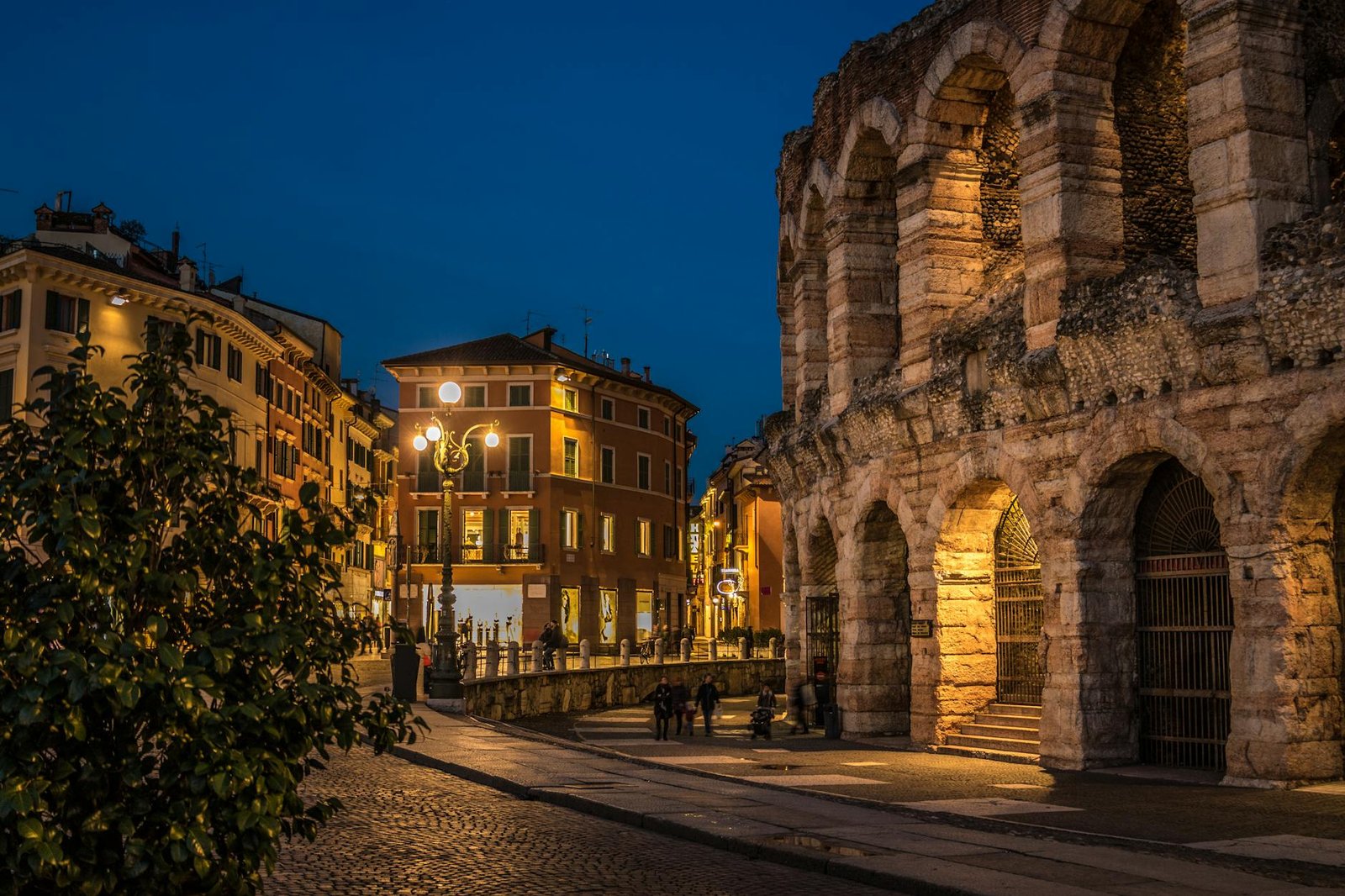
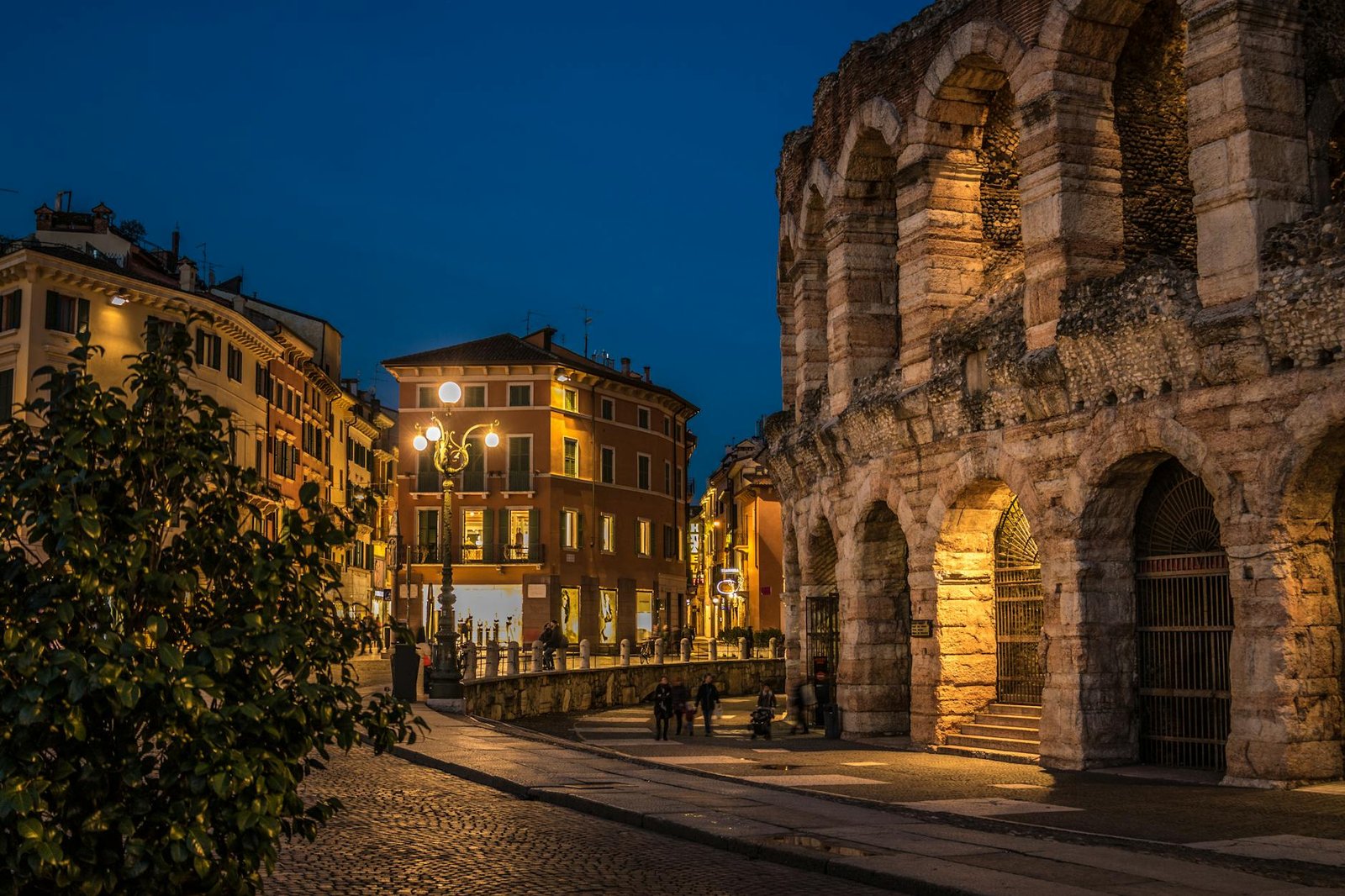
Verona, the enchanting city of Romeo and Juliet, sits at the crossroads of Italian culinary traditions where Alpine influences meet Mediterranean flavors. This UNESCO World Heritage site in the Veneto region isn’t just about architecture and history—it’s a destination where food tells the story of centuries of cultural exchange and local pride. From the bustling Piazza delle Erbe market to hidden trattorias tucked away in medieval alleyways, Verona offers food lovers an authentic taste of northern Italian cuisine that remains largely undiscovered by mass tourism.
The city’s food culture reflects its geographical position near Lake Garda and proximity to the Prosecco hills. You’ll find dishes that combine the sophistication of Venetian cooking with the heartiness of Alpine traditions. Whether you’re sampling handmade pasta, locally-sourced meats, or world-class wines from the surrounding Valpolicella and Amarone regions, every meal in Verona tells a story of tradition, quality, and passion for ingredients.
Local Dishes You Must Try
Verona’s signature dish is undoubtedly Pastissada de Cavallo, a slow-cooked horse meat stew that dates back to the city’s medieval past. While the protein might sound unusual to international visitors, this dish represents Veronese culinary heritage and is traditionally served with polenta or risotto. The meat is marinated in wine, cooked for hours with vegetables, and develops a rich, complex flavor that’s absolutely divine. You’ll find this iconic dish in nearly every traditional restaurant, and it’s worth trying at least once to understand the depth of Veronese food culture.
Other essential dishes include Risotto all’Amarone, made with the prestigious local red wine, and Casunziei, which are half-moon shaped pasta parcels filled with beetroot, potatoes, and cheese—a specialty from the surrounding valleys. For something lighter, try Minestrone Veronese, a vegetable-based soup that changes seasonally but always features the freshest local produce. Verona is also known for its Sopressa Veronese, a traditional salami that’s been protected by PDO status since 2007, making it perfect for antipasti platters and sandwiches.
The Heart of Veronese Markets: Piazza delle Erbe
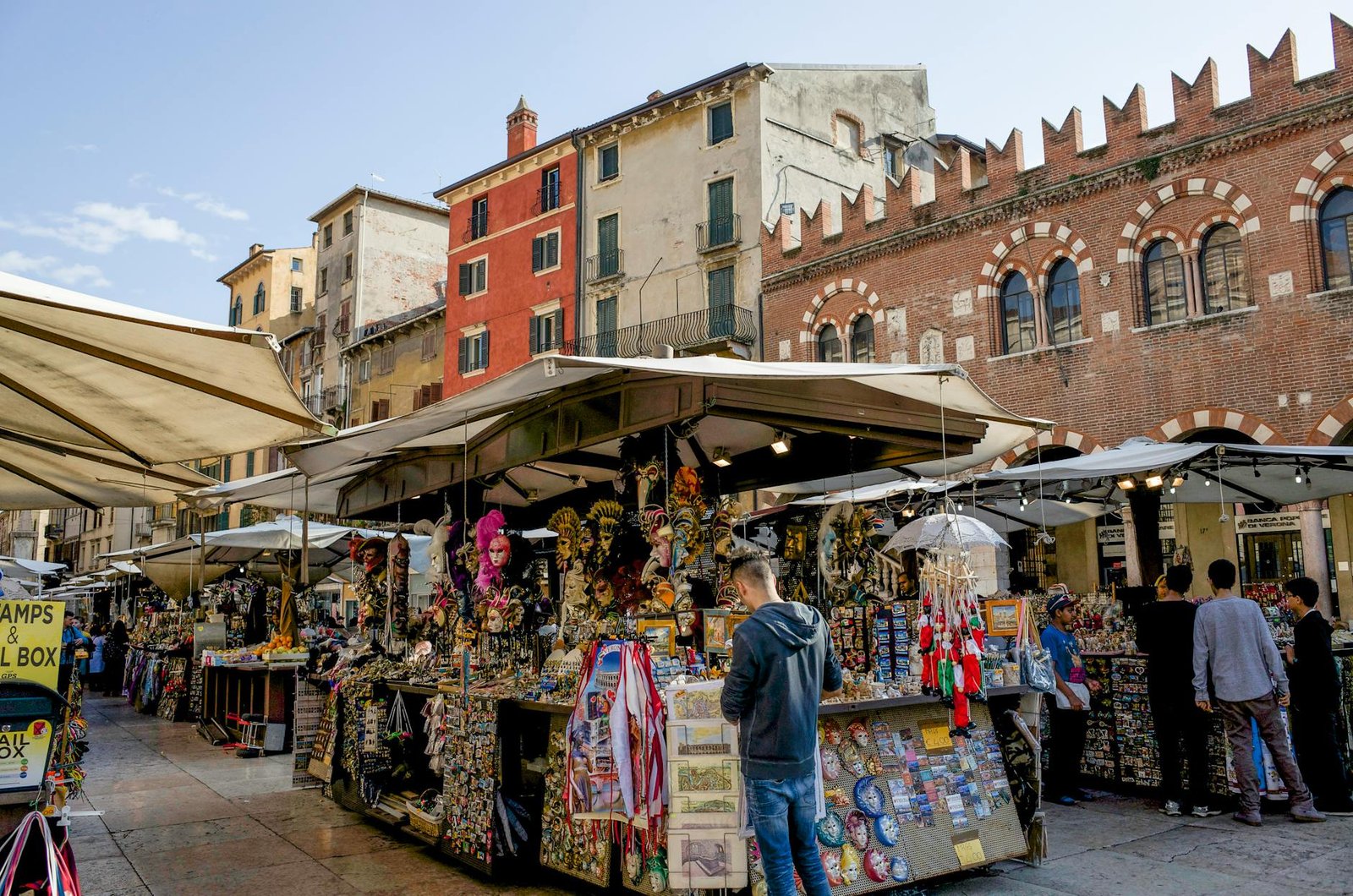
Piazza delle Erbe is more than just a marketplace—it’s a living museum of Veronese food culture. This sprawling square has been Verona’s commercial hub since Roman times, and today it buzzes with vendors selling the freshest produce, meats, cheeses, and flowers. The morning market is particularly vibrant, with seasonal vegetables piled high in artistic displays and vendors eager to chat about their products. It’s here you’ll find the bounty of the Veneto region: crisp radicchio from Treviso, fresh asparagus in spring, and mushrooms in autumn.
The market is surrounded by medieval buildings and Renaissance palaces, making it as visually stunning as it is gastronomically rewarding. Take time to wander between stalls, sample local cheeses like Asiago and Grana Padano, and perhaps pick up some fresh pasta from a vendor. The atmosphere is quintessentially Italian—passionate, colorful, and absolutely authentic. Pro tip: visit early in the morning before the crowds arrive, and come hungry enough to enjoy a quick snack from one of the food stalls.
Top Street Food and Casual Eats
For authentic street food, seek out Pani e Panelle—though this Sicilian specialty has found its way to Verona’s streets, where vendors serve crispy fried chickpea fritters in a soft bread. Another local favorite is Polenta e Osei, a sweet dessert that mimics the appearance of a bird made from cornmeal, butter, and amaretto. You’ll find these at bakeries throughout the city, particularly around the historic center.
Don’t miss the Veronese tradition of Piadina—flatbreads filled with cheese, cured meats, or vegetables—sold from casual street vendors. Panino all’Asiago is another quick bite worth seeking: melted local cheese on crusty bread. For something truly special, look for vendors selling Anguilla (eel) during winter months—it’s traditionally prepared grilled or stewed and represents the city’s connection to the nearby Garda area. These street foods offer perfect opportunities to eat like a local while exploring Verona’s medieval streets.
Best Restaurants for Authentic Veronese Cuisine
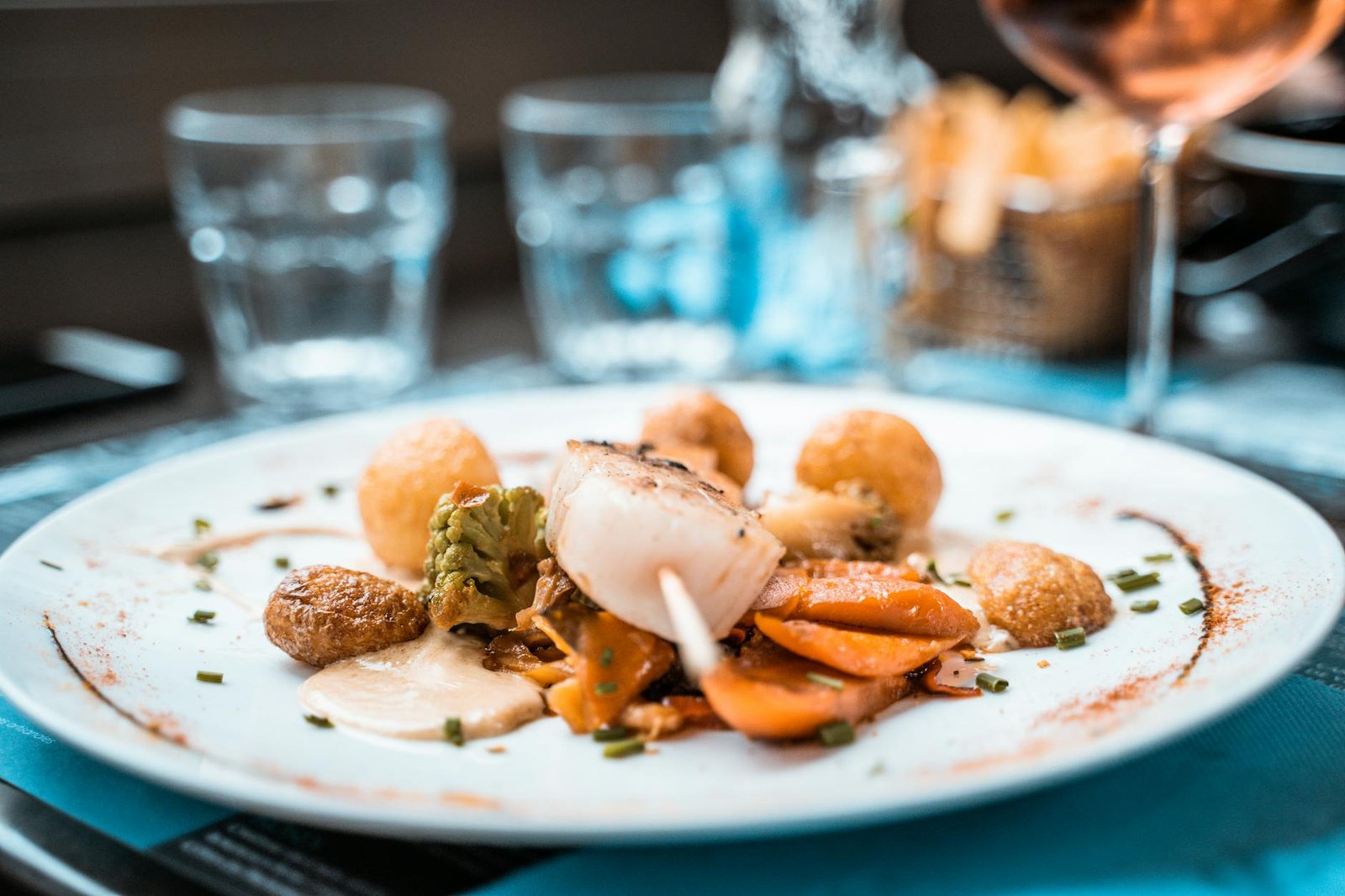
For fine dining with traditional roots, Verona has Michelin-recognized restaurants in the historic center that elevate Veronese classics with contemporary technique. The chef sources ingredients from local suppliers and creates seasonal menus that celebrate regional traditions. Another excellent choice is Trattoria Tre Marchetti, located near the Arena, where the atmosphere is warm and the food is authentically Veronese—expect housemade pasta, perfectly executed risottos, and stellar wine pairings from an extraordinary cellar of over 1,200 labels.
For a more casual but equally authentic experience, visit Trattoria al Pompiere, tucked away in the medieval quarter, where family recipes passed down through generations still grace the menu. Here you’ll find honest, unpretentious food executed with precision and soul. If you’re craving Pastissada de Cavallo in its most traditional form, head to Bottega del Vino, a legendary establishment dating back to 1950 that pairs Verona’s most famous dish with exceptional local wines. Don’t overlook smaller family-run trattorie in neighborhoods like San Zeno, where you’ll often find the most authentic meals and genuine Veronese hospitality.
Wine and the Valpolicella Region
Verona is the gateway to some of Italy’s most prestigious wine regions. Just a short drive away, the Valpolicella hills produce world-class wines including Amarone, Valpolicella Superiore, and Ripasso wines that are essential to Veronese cuisine. These wines are more than beverages—they’re integral to both cooking and dining culture. Amarone, a rich, complex red made from partially dried grapes, pairs magnificently with Pastissada de Cavallo and other hearty Veronese dishes.
Many restaurants in Verona feature extensive wine lists showcasing local producers, and the knowledgeable sommeliers are passionate about educating guests. Consider taking a wine tour to nearby vineyards where you can taste wines directly from producers and learn about the ancient traditions of winemaking. Even a casual meal comes with excellent local wine recommendations, and prices are remarkably reasonable compared to international wine regions. The Valpolicella wines are integral to understanding Verona’s food culture.
Best Food Tours
Several excellent platforms offer guided food experiences in Verona. Viator offers curated food tours ranging from market visits combined with cooking classes to wine and food pairing experiences in the historic center. GetYourGuide features similar options, including half-day and full-day tours that often include market visits to Piazza delle Erbe followed by tastings at local restaurants. These platforms provide tours led by knowledgeable local guides who can share insider knowledge about restaurant recommendations, ingredient sourcing, and Veronese culinary traditions.
For the most immersive experience, look for small group walking food tours that include visits to family-run establishments where you might not otherwise venture. Many tours include cooking demonstrations, wine tastings, and opportunities to meet local food artisans. Booking through established platforms ensures quality guides and structured experiences, though don’t overlook independent local guides who offer personalized tours tailored to your specific food interests.
When to Visit for Food
Spring (April-May) brings fresh asparagus, artichokes, and lamb to Verona’s markets, making it an excellent season for lighter cuisine. Autumn (September-November) is arguably the best time, when mushrooms, truffles, and game appear alongside the grape harvest—the wine and food pairing possibilities are extraordinary. Summer (June-August) offers ripe fruits and vegetables but can be crowded with tourists, making it harder to enjoy authentic local experiences.
Winter (December-February) transforms Verona into a food lover’s paradise, particularly around the holidays when traditional sweets like Pandoro and Panettone fill bakeries. This is also when eel and other winter specialties shine. If possible, time your visit to coincide with local food festivals—Verona hosts various celebrations throughout the year showcasing regional specialties. Off-season visits offer better access to restaurants frequented by locals and more intimate market experiences, allowing you to truly connect with the city’s food culture.



Book a Food Experience in Verona
Handpicked experiences — book with free cancellation and instant confirmation.
Explore More Food Tours
More food guides from Italy:
You might also enjoy:
- San Marino Food Tour Guide (San Marino)
- Split Food Tour Guide (Croatia)
Featured in:
Frequently Asked Questions
What is the typical cost of a food tour in Verona?
Most food tours in Verona range from €60 to €120 per person, depending on whether they include wine tastings and the number of stops. Premium tours with Amarone wine pairings or private guides can cost €150-200 per person. Group discounts are often available for parties of four or more.
How long does a typical food tour in Verona last?
Most food tours in Verona last between 3 to 4 hours, covering multiple tasting stops and neighborhoods. Some evening tours are shorter at 2.5 hours, while full-day gastronomic experiences can extend to 5-6 hours. Walking tours through the historic center typically allow time to explore piazzas between tastings.
What local Verona foods should I expect on a food tour?
You'll typically sample Veronese classics like pastissada de caval (horse stew), risotto all'amarone, and tortellini di zucca (pumpkin tortellini). Expect local cheeses such as Asiago and Montasio, cured meats like speck, and panettone during holiday seasons. Amarone and Bardolino wines from the nearby Valpolicella region are staples on most tours.
Which neighborhoods in Verona are best for street food exploration?
The historic Centro Storico around Piazza delle Erbe is ideal for traditional panini and local snacks sold at historic market stalls. The Veronetta district across the Adige River offers trendy osterias and modern street food venues favored by locals. Via Mazzini and the surrounding shopping quarter have numerous casual eateries perfect for sampling quick Veronese bites.
How can I handle dietary restrictions on a Verona food tour?
Inform your tour operator at least 48 hours in advance about vegetarian, vegan, or allergy restrictions so they can adjust stops accordingly. Verona's food scene increasingly accommodates dietary needs, with vegetarian versions of risotto all'amarone and pasta dishes readily available at most trattorias. Always confirm directly with restaurants during the tour that substitutions are possible for specific dishes.