
Guadalajara Food Tour – Best Local Food & Restaurants
Guadalajara, Mexico: The Ultimate Food Guide
The Birthplace of Mexican Culinary Tradition
Guadalajara stands as one of Mexico’s most vibrant food destinations, a city where centuries-old culinary traditions blend seamlessly with modern gastronomic innovation. As the capital of Jalisco state, Guadalajara has gifted the world iconic dishes like torta ahogada, birria, and the mariachi-accompanied tequila experience that defines Mexican culture. The city’s food scene reflects its rich history, indigenous roots, and the agricultural bounty of the surrounding Jalisco region, making it an essential destination for any serious food lover.
Walking through Guadalajara’s historic neighborhoods, you’ll encounter a food culture that takes immense pride in authentic preparation and locally sourced ingredients. From humble street vendors to sophisticated restaurants, every meal tells a story of tradition, family recipes passed down through generations, and a deep respect for the region’s culinary heritage. The city’s position in Mexico’s agricultural heartland ensures that fresh, seasonal produce and premium meats feature prominently in every dish.
Iconic Dishes You Must Try
Torta ahogada is Guadalajara’s signature sandwich, and no food tour is complete without experiencing this messy, delicious masterpiece. This regional specialty consists of a birote bread roll filled with carnitas or chorizo, topped with tomato and chile sauce, then literally drowned in more spicy sauce until it’s soaked through. The name literally means “drowned sandwich,” and eating one requires napkins, enthusiasm, and a willingness to embrace the authentic street food experience. You’ll find the best versions in the historic Centro area, particularly around Avenida Chapultepec.
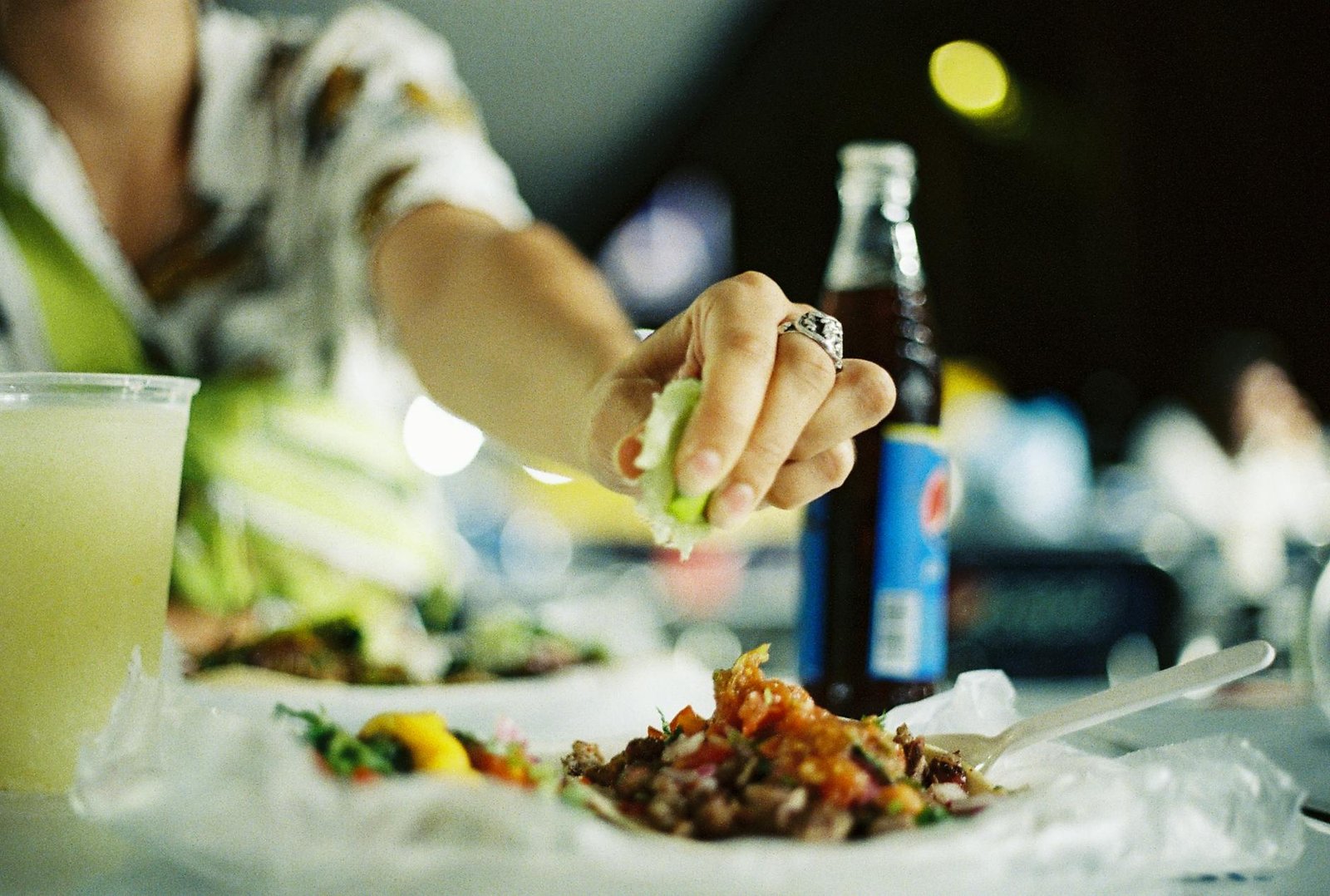
Birria deserves equal attention as Guadalajara’s other culinary ambassador. This slow-cooked meat stew, traditionally made with goat but now commonly prepared with beef, comes in two forms: the hearty consomé for drinking and the shredded meat for making birria tacos. The broth is infused with dried chiles, vinegar, and warm spices, creating a complex, deeply satisfying flavor profile. Don’t miss the torta de birria, where the stew-soaked bread becomes a vehicle for this magnificent dish. Head to El Hueco market or visit specialized birria restaurants in the Chapalita neighborhood for the most authentic versions.
Beyond these two icons, Guadalajara serves extraordinary mole negro, pozole rojo during celebration season, and fresh carne en su jugo—tender beef served in a rich broth with beans, onions, and cilantro. The city’s culinary repertoire also includes less famous but equally rewarding dishes like chiles rellenos de queso, enfrijoladas, and the delicate gorditas filled with cheese and topped with salsa criolla.
Street Food Culture and Markets
Guadalajara’s street food scene pulses with energy, particularly in neighborhoods like El Rinconada and around the Central Camionera bus station. The markets are where locals source their ingredients and where visitors can experience the city’s food in its most authentic form. Central de Abastos, the massive central market, overwhelms visitors with its sensory abundance—colorful pyramids of produce, aromatic spice stalls, and countless food vendors serving quick, delicious meals to workers and shoppers.
El Hueco market, another essential stop, specializes in fresh produce and prepared foods, with numerous comedores—casual lunch restaurants—serving traditional dishes at incredibly reasonable prices. Here you’ll find vendor after vendor serving fresh juices, tamales wrapped in corn husks, elote con mayo (corn with mayo and cheese), and fresh fruit cups prepared right before your eyes. The energy is intoxicating, and prices are deeply authentic—you’re eating where Guadalajarans actually eat, not where tourists are directed.
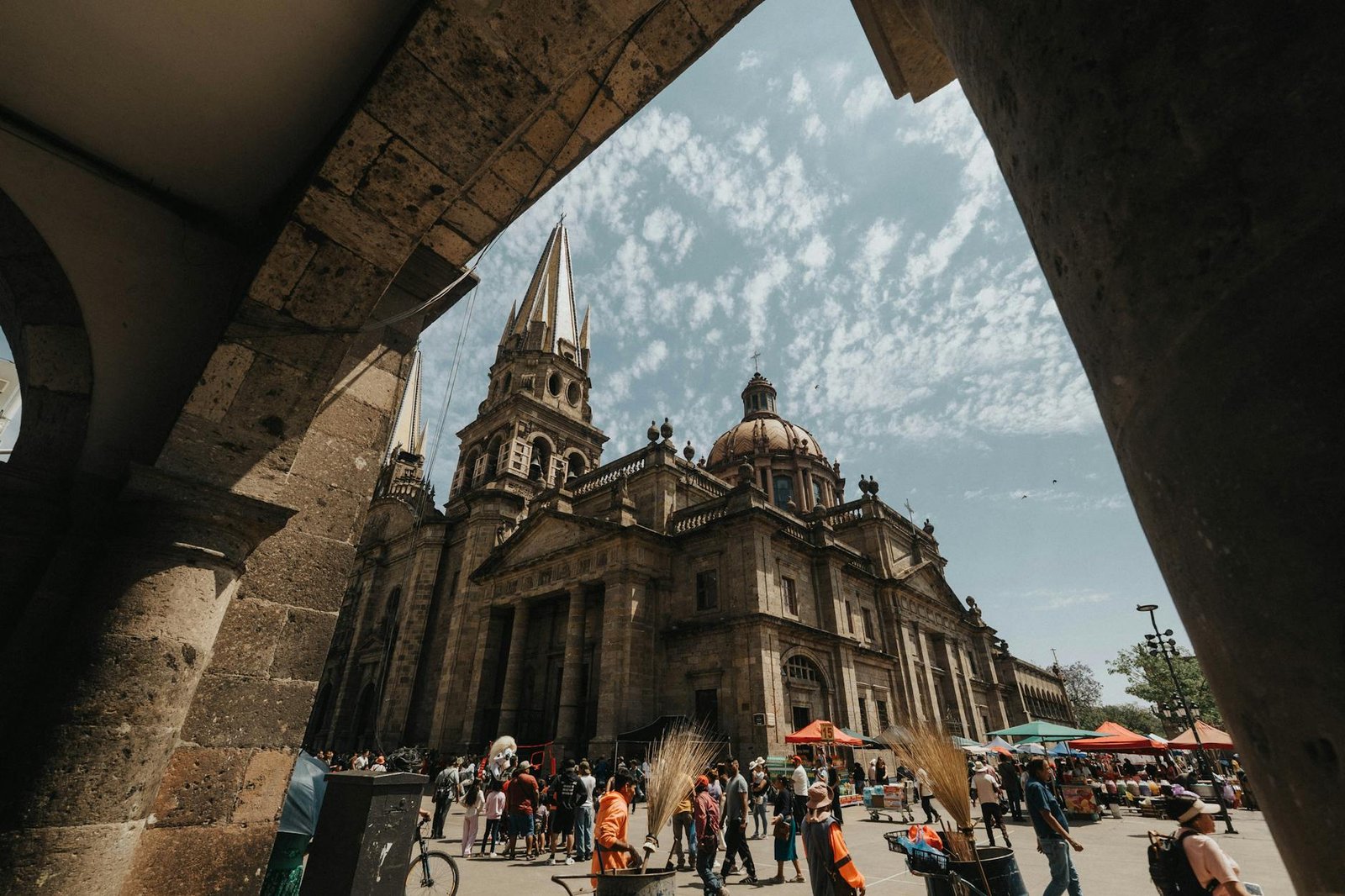
Top Street Food Essentials
Tamales are the soul of Guadalajara’s street food culture, sold from dawn by vendors pushing carts through neighborhoods and near transit stations. Look for tamales oaxaqueños, prepared with mole, and tamales jalapeños filled with cheese and rajas. Each tamale arrives wrapped in corn husks and costs mere pesos, making them perfect for breakfast or snacking. Pair them with atole, a warm, sweet corn beverage that complements tamales perfectly.
Tacos de canasta deserve mention as Guadalajara’s most humble yet addictive street food. These potatoes and chorizo-filled tacos are fried and served warm from large baskets, gaining their unique flavor profile from hours in the basket where steam keeps them moist. Find them at busy intersections in the morning—locals line up for these specific tacos. Also essential are elotes, corn prepared multiple ways: elote con mayo, esquites (corn kernels in creamy sauce), and fresh corn cut from the cob. Fresh fruit cups with lime, chili powder, and salt offer refreshing balance to heavier street foods.
Best Food Tours and Experiences
Viator offers several well-organized food tours throughout Guadalajara, including morning market tours combining Central de Abastos with cooking classes in local homes, and evening tours focused on street food and tequila tastings. These professional guides provide context about Jalisco’s agricultural traditions and connect you with family-run vendors and restaurants you might otherwise miss. GetYourGuide similarly provides curated experiences ranging from three-hour street food tours in Centro to full-day agricultural tours visiting tequila distilleries and local farms.
For a deeply personal experience, consider booking a private tour through local food bloggers and culinary guides available through tourism websites. These often include cooking classes in residential kitchens, visits to family-run businesses, and meals in homes where recipes have existed for generations. Many tours include visits to specific markets at specific times when particular vendors are present, ensuring you don’t miss essential stops.
Best Restaurants for Authentic and Modern Cuisine
Río Viejo in the Moderna neighborhood represents modern Guadalajaran cooking, using traditional recipes and local ingredients as foundations for innovative presentations. The restaurant respects authenticity while exploring contemporary possibilities. For traditional excellence, visit Casa Bariachi, where the family has perfected torta ahogada and other classics since the 1950s. Karne Garibaldi serves exceptional carne en su jugo in an atmosphere filled with locals, not tourists, ensuring you’re eating among people who know quality.
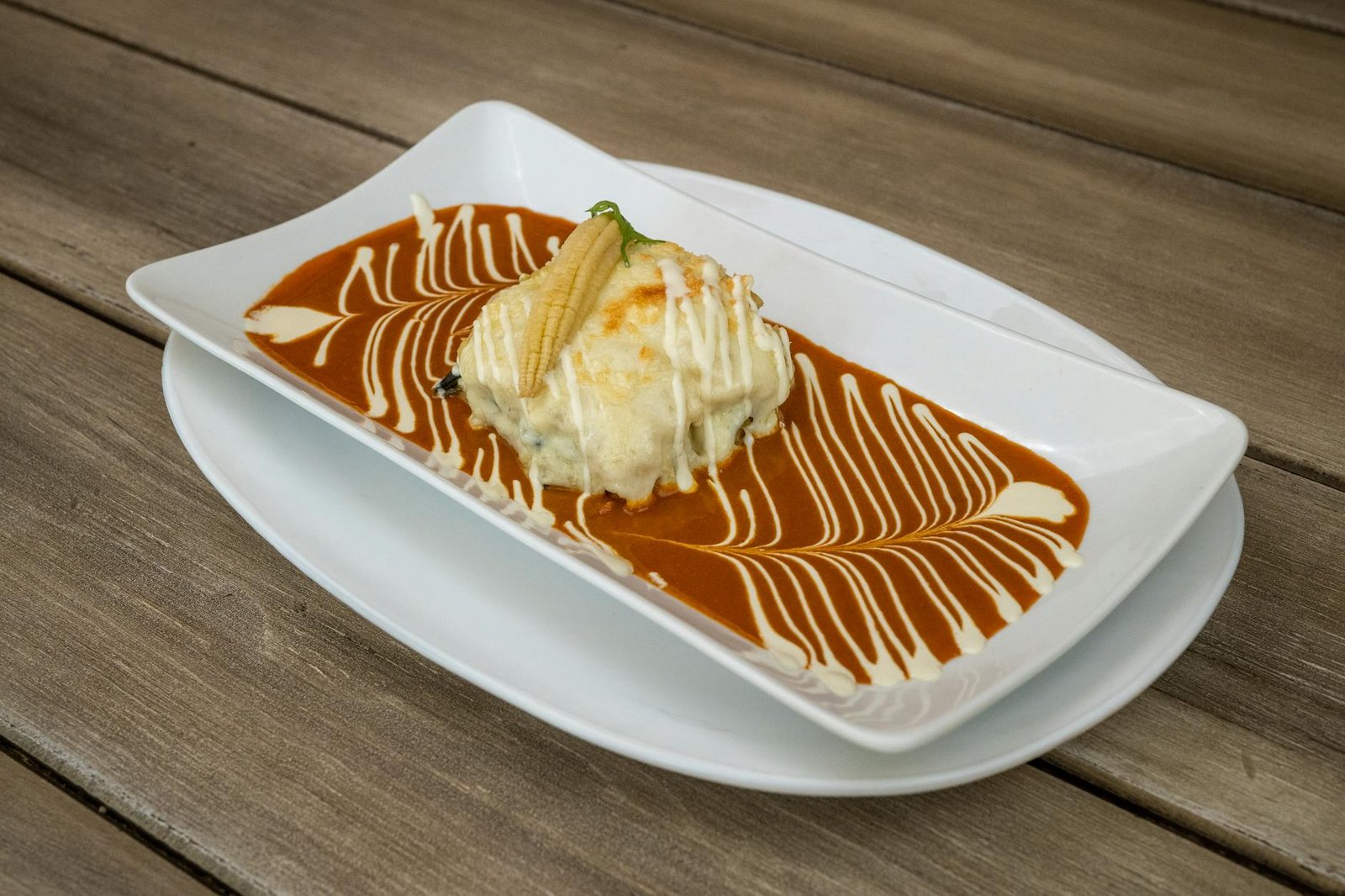
El Hueco’s comedores offer some of the city’s best value and most authentic cooking—ask for daily specials and order what other customers are eating. For fine dining that honors Jaliscan traditions, Cocina 7 offers tasting menus featuring regional ingredients prepared by chefs trained in classical technique. Don’t miss smaller establishments like Tikuun comedor or La Pava Cocina Tradicional, where specialists focus intensively on single dishes prepared perfectly.
When to Visit for Food
September through November represents optimal eating season in Guadalajara, when harvest abundance brings the freshest ingredients to markets and the weather permits comfortable street eating. September features Independence Day celebrations with special seasonal dishes. October and November offer mild weather perfect for exploring markets and enjoying street food without excessive heat. December introduces festive preparations and holiday-specific dishes.
Avoid visiting during August when heat peaks and some vendors reduce street presence, though market commerce continues year-round. Festival season (September-October) brings mariachi celebrations and gastronomic events throughout the city. Spring offers pleasant weather but slightly less ingredient variety than autumn’s abundance.
Practical Eating Tips and Etiquette
Embrace the casual dining culture—Guadalajarans eat large breakfasts and lunches, with lighter dinners. Markets and comedores operate primarily during morning and lunch hours, so plan accordingly. Always order what locals are eating; their choices guarantee quality and freshness. Payment in street markets and comedores is cash only, with prices incredibly reasonable. Negotiating isn’t expected or appreciated; quoted prices are fair and often subsidized by local volume.
When eating tortas ahogadas and other potentially messy street foods, embrace the experience rather than fighting it. Guadalajarans take their food seriously but not pretentiously, and genuine enjoyment of authentic meals matters more than perfect presentation. Always ask vendors about ingredients, particularly if you have dietary restrictions. Spanish helps but isn’t essential—pointing and smiling work universally. Leave room for exploration; some of the best meals come from following your nose and instinct toward crowded vendor stalls.



Book a Food Experience in Guadalajara
Handpicked experiences — book with free cancellation and instant confirmation.
Explore More Food Tours
More food guides from Mexico:
You might also enjoy:
- Miami Food Tour Guide (USA)
- New Orleans Food Tour Guide (USA)
Featured in:
Frequently Asked Questions
How much does a typical food tour in Guadalajara cost?
A guided food tour in Guadalajara typically ranges from 600 to 1,200 Mexican pesos (approximately $35-70 USD) per person for a half-day tour, while full-day culinary experiences can cost 1,500-2,500 pesos. Prices vary depending on the tour operator, number of stops, and whether tastings and beverages are included, with upscale private tours commanding premium rates.
How long do food tours in Guadalajara usually last?
Most food tours in Guadalajara last between 3-4 hours for standard tours, focusing on specific neighborhoods or markets. Full-day gastronomic experiences can extend 6-8 hours and may include cooking classes, market visits, and multiple restaurant stops.
What local Guadalajara foods should I expect to try on a food tour?
Expect to taste birria (slow-cooked meat stew), tortas ahogadas (drowned sandwiches in spicy sauce), carnitas, and pozole, which are quintessential Tapatío dishes. You'll also encounter fresh aguas frescas, local cheeses, and regional desserts like cajeta and pan de muerto depending on the season.
Which neighborhoods in Guadalajara have the best street food for food tours?
Tlaquepaque and Tonalá are known for vibrant street food scenes with traditional taquerías and artisan food stalls, while Centro Histórico offers colonial charm with established food vendors and markets. Chapultepec neighborhood combines trendy restaurants with authentic street food, making it ideal for contemporary food tour experiences.
How can I inform food tour operators about dietary restrictions in Guadalajara?
Always communicate dietary restrictions (vegetarian, vegan, allergies, gluten-free) when booking your tour, as Guadalajara's traditional cuisine is meat-centric and may require advance planning. Most reputable operators can accommodate modifications, though vegan options may be limited; contacting them 48 hours prior ensures they can arrange suitable alternatives or sourced ingredients.