
Best Food Cities in Spain 2026
Spain is one of the world’s great food destinations — a country where eating isn’t just sustenance but a full-blown cultural ritual, stretching from the first café con leche of the morning to the last glass of wine poured well past midnight. Whether you’re diving headfirst into a bowl of Sunday cocido, or grazing on pintxos at a standing bar with locals, Spain delivers food experiences that stay with you for a lifetime. Here are the best food cities in Spain to visit in 2026.
Barcelona, Spain
Barcelona is a city that eats with all five senses. The Catalan capital blends Mediterranean freshness with bold culinary innovation, producing a food scene that feels both deeply rooted and endlessly exciting. Don’t leave without trying pa amb tomàquet — bread rubbed with ripe tomato and drizzled with olive oil — or a steaming plate of fideuà, the noodle-based cousin of paella that locals will argue is far superior. Seafood dominates menus here, with dishes like esqueixada de bacallà (shredded salt cod salad) and suquet de peix (Catalan fish stew) showcasing the city’s intimate relationship with the Mediterranean coast.
La Barceloneta is the place to go for fresh seafood straight off the boats, while the Eixample district is packed with inventive modern Catalan restaurants and stylish wine bars. But the crown jewel remains La Boqueria market on Las Ramblas — chaotic, colourful, and gloriously overwhelming, it’s the perfect place to graze on jamón ibérico, fresh oysters, and seasonal fruit. For a more authentic local experience, head to the Mercat de Santa Caterina in El Born, which rivals La Boqueria in produce quality without the tourist crowds. The Gràcia neighbourhood is also worth exploring for its neighbourhood tapas bars and independent eateries that change their menus with the seasons.
Explore our full Barcelona food guide →
Madrid, Spain
Madrid is a city that takes its food seriously — fiercely, proudly, and with remarkable depth. As the Spanish capital, it draws culinary talent and ingredients from every corner of the country, making it one of the most diverse eating cities in Europe. The city’s most iconic dish is cocido madrileño, a slow-cooked chickpea, meat, and vegetable stew that is pure winter comfort, but Madrid also does extraordinary things with offal — try callos a la madrileña (tripe stew) if you’re feeling adventurous. The capital is also home to some of Spain’s finest jamón carving stations, where paper-thin slices of Iberian ham are treated with the reverence of fine art.
The Mercado de San Miguel, just steps from the Plaza Mayor, is one of the city’s most beloved food halls, perfect for grazing on everything from anchovies and croquetas to craft beer and artisan cheese. For a more lived-in market experience, Mercado de la Paz in the Salamanca district is where Madrid’s well-heeled residents actually shop. The neighbourhood of La Latina is ground zero for Sunday tapas culture, with Calle Cava Baja lined with traditional tabernas where patatas bravas and pan-fried pork ears flow freely. Meanwhile, the Lavapiés district has evolved into one of the city’s most exciting multicultural food neighbourhoods, with everything from authentic Ethiopian to superb Japanese ramen sitting alongside traditional Spanish bars.
Explore our full Madrid food guide →

San Sebastián, Spain
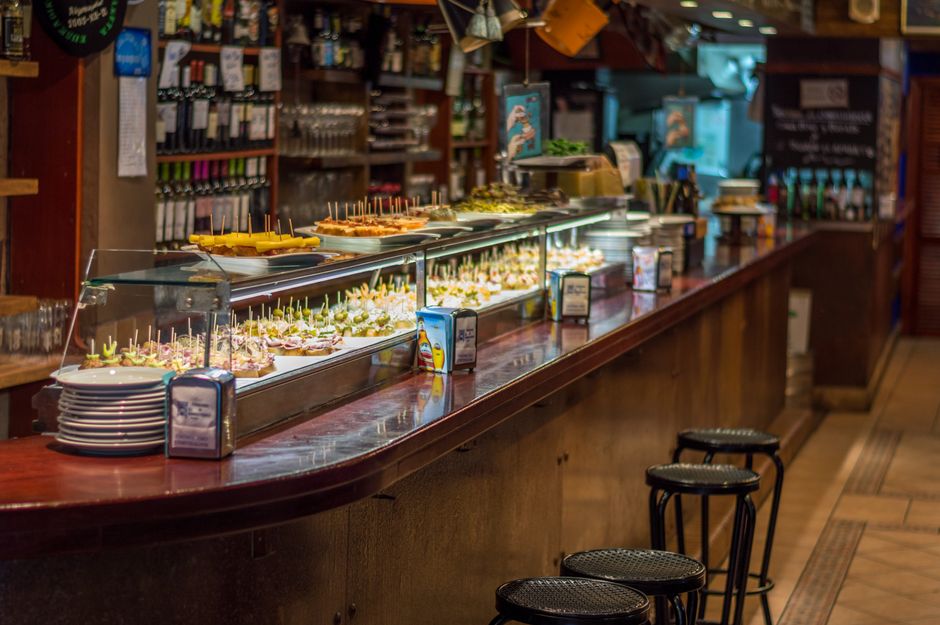
San Sebastián — or Donostia in Basque — is arguably the greatest food city in the world per square kilometre, and that is not hyperbole. This elegant seaside city in the Basque Country holds more Michelin stars per capita than almost anywhere on the planet, home to legendary restaurants like Arzak and Akelarre, as well as nearby Mugaritz in the separate town of Errenteria. But the real magic of San Sebastián happens at street level, in the form of pintxos — small, elaborately topped bites served on slices of bread and displayed along bar counters in the Old Town. From gildas (the classic anchovy, olive, and pepper skewer) to creative modern interpretations involving foie gras and truffle, pintxos culture here is something you simply must experience in person.
The Parte Vieja, or Old Town, is the undisputed epicentre of pintxos bar hopping, with streets like Calle 31 de Agosto and Calle Fermín Calbetón packed with bars where you grab a small plate, stack it high, and eat standing up with a glass of txakoli — the local slightly sparkling white wine. La Bretxa market is where local chefs and home cooks alike source the finest Basque produce, from salt-crusted anchovies to thick-cut txuletón beef. Beyond the Old Town, the Gros neighbourhood offers a slightly more local, less tourist-heavy pintxos scene that is equally excellent and often features more inventive, contemporary creations.
Explore our full San Sebastián food guide →
Seville, Spain
Seville is the soul of Andalusian food culture — passionate, generous, and full of character. This is the city that perfected tapas as a way of life, where every drink ordered arrives accompanied by a free bite of food, a tradition still very much alive in the older bars of the city centre. The local cuisine leans heavily on pork, particularly from the nearby Dehesa region, where free-range Iberian pigs roam beneath cork oak trees. Don’t miss pringá — a rich, slow-cooked meat mixture served in a crusty roll — or espinacas con garbanzos, a deeply spiced spinach and chickpea dish that reflects the city’s Moorish culinary heritage. Gazpacho and salmorejo, the thicker, creamier Sevillian version, are liquid gold in the summer months.
The Triana neighbourhood, across the Guadalquivir river, is one of the most rewarding food areas in the city, home to the Mercado de Triana and a string of traditional bars where locals have been eating the same dishes for generations. The Alameda de Hércules is lined with lively tapas bars and is especially buzzy in the evenings, while the Alfalfa neighbourhood in the Santa Cruz area is great for more contemporary Andalusian cooking. For one of the most atmospheric eating experiences in Spain, pull up a stool at any old-school tapas bar in the Macarena district and order whatever is scrawled on the chalkboard above the bar.
Explore our full Seville food guide →
Valencia, Spain
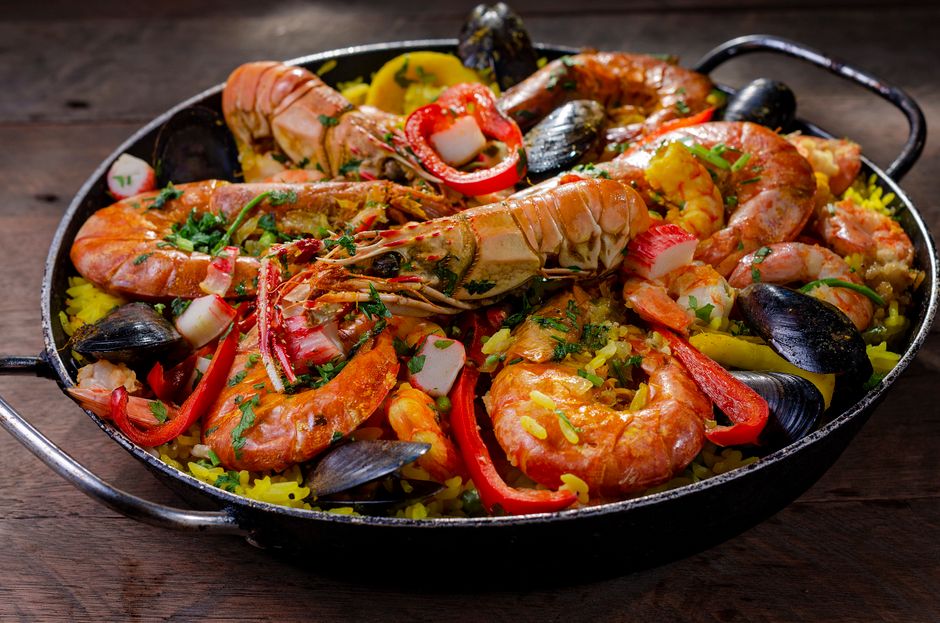
Valencia is the birthplace of paella, and that alone would be enough to earn its place on this list — but the city’s food culture runs much deeper than its most famous export. The original Valencian paella is made with rabbit, chicken, green beans, and garrofó beans, cooked over an open wood fire in a flat wide pan, and eating it in the city that created it is a genuinely moving experience. Beyond paella, Valencia is renowned for its horchata, a refreshing cold drink made from tiger nuts, and its fideuà, all’i pebre (eel with garlic and paprika from the Albufera lagoon), and an extraordinary bounty of fresh produce grown in the surrounding huerta farmland.
The Mercado Central is one of the most beautiful food markets in Europe, housed in a stunning Modernist building and overflowing with fresh produce, citrus fruits, seafood, and local cheeses. The Ruzafa neighbourhood has transformed into Valencia’s hippest food district, packed with coffee shops, natural wine bars, and restaurants cooking everything from Valencian rice dishes to creative fusion menus. For the most authentic paella experience, head to the villages around the Albufera lake — El Palmar in particular — where family-run restaurants have been perfecting the dish for decades.
Explore our full Valencia food guide →
Bilbao, Spain
Bilbao has undergone one of the most remarkable urban transformations in recent history, and its food scene has been central to that reinvention. The largest city in the Basque Country combines a deeply traditional culinary culture with an increasingly dynamic modern restaurant scene, making it one of the most exciting eating destinations in northern Spain. The city’s markets, particularly the Mercado de la Ribera — the largest covered market in Europe — are a window into Basque obsession with ingredient quality. Bacalao (salt cod) is the city’s culinary heartbeat, prepared in countless ways including the classic pil-pil sauce, while txangurro (spider crab) and marmitako (tuna and potato stew) speak to the city’s deep maritime roots.
The Casco Viejo, Bilbao’s atmospheric Old Town, is the best place to experience the city’s pintxos culture, with the streets around Plaza Nueva forming a particularly concentrated circuit of excellent bars. The Indautxu and Abando neighbourhoods offer a more modern, polished dining experience with some of the city’s best contemporary Basque restaurants. Don’t overlook the city’s sidrería culture either — Basque cider houses serve up boisterous, convivial meals of salt cod omelette, grilled txuletón steak, and house cider poured from great height in a tradition that feels utterly unique to this corner of the world.
Explore our full Bilbao food guide →
Granada, Spain
Granada holds a unique distinction in the Spanish food world: it is one of the last cities where free tapas are still given with every drink ordered, a tradition rooted in the city’s student culture and Moorish history. This means that an afternoon of bar hopping in Granada is also, quite naturally, an afternoon of eating — and the tapas here are no mere afterthought, ranging from generous plates of jamón serrano to mini portions of rabo de toro (oxtail stew) and carne en salsa. The city’s cuisine reflects its fascinating layered history, with Moorish flavours — cumin, coriander, honey, and dried fruits — woven into dishes alongside the robust flavours of Andalusian pork and game cookery.
The Realejo neighbourhood and the streets around Campo del Príncipe are among the best areas for tapas bar crawling, while the Albaicín quarter — the old Moorish district winding up below the Alhambra — is home to traditional teahouses and restaurants serving North African-influenced food that feels uniquely Granadan. For fresh produce, the Mercado San Agustín is the city’s main covered market, lively and local. Granada is also surrounded by excellent wine country — the Contraviesa region produces some remarkable cool-climate wines that pair beautifully with the hearty mountain cooking of the Sierra Nevada foothills.
Explore our full Granada food guide →
Malaga, Spain
Malaga has long been overshadowed by its neighbours on the Costa del Sol, but in recent years it has firmly established itself as one of southern Spain’s most compelling food destinations. The city’s cuisine is built on an extraordinary foundation of seafood — particularly the famous pescaíto frito (fried fish), espetos de sardinas (sardines grilled on bamboo skewers over open fires on the beach), and boquerones en vinagre (fresh anchovies marinated in vinegar). The local sweet Málaga wine, made from sun-dried Moscatel grapes, is a revelation alongside a plate of cured meats or strong local cheeses. Ajoblanco, the chilled almond and garlic soup garnished with green grapes, is one of the finest dishes in all of Andalusia.
The beachside chiringuitos along the Pedregalejo and El Palo neighbourhoods are the most atmospheric spots to eat espetos, with the sardines cooked right in front of you on the sand. The Mercado Central de Atarazanas is a breathtaking 19th-century market with a spectacular stained-glass facade, and its interior bars serve some of the freshest tapas in the city. The Soho and historic centre neighbourhoods have seen a wave of exciting new restaurant openings in recent years, with young Malagueño chefs reinterpreting traditional Andalusian flavours through a modern lens without losing the warmth and generosity that defines the local food culture.
Explore our full Malaga food guide →
Spain’s food cities each tell a different story — of coastlines and mountains, of Moorish legacy and Basque innovation, of centuries-old recipes and boundary-pushing modern kitchens — but they are united by an infectious love of eating well. Whether you’re planning a dedicated culinary trip or simply building more food experiences into your travels, these eight cities deserve a place at the top of your 2026 travel list. Start planning, start eating, and let Spain do what it does best.
Book a Food Experience in Top Destinations
Handpicked experiences — book with free cancellation and instant confirmation.
Explore More Food Tours
More food guides from Spain:
- Granada Food Tour Guide
- Valencia Food Tour Guide
- Barcelona Vegan Food Guide: Best Plant-Based Experiences 2026
- Palma Food Tour Guide
You might also enjoy:
- Amalfi Food Tour Guide (Italy)
- Bari Food Tour Guide (Italy)
Frequently Asked Questions
Which Spanish city has the best seafood?
San Sebastián in the Basque Country is widely considered Spain's seafood capital, famous for its pintxos (small bites) featuring fresh fish and shellfish. The city's proximity to the Bay of Biscay ensures daily catches of hake, sea bream, and spider crab that appear on restaurant menus within hours of being caught.
Is Barcelona or Madrid better for food tourism?
Barcelona edges out Madrid for food tourism due to its combination of Michelin-starred restaurants, vibrant tapas culture, and access to Mediterranean ingredients like seafood and fresh produce. However, Madrid offers more traditional Spanish cuisine at better prices and a more relaxed dining atmosphere perfect for budget-conscious travelers.
What's the best time to visit Spain for food festivals?
Spring (April-May) and fall (September-October) are ideal, with events like San Sebastián's Gastronomika in October and various wine harvest festivals. Summer can be hot and crowded, though some coastal cities have excellent seafood festivals in July and August.
Can I find vegetarian food easily in Spanish food cities?
Yes, especially in Barcelona and San Sebastián where restaurants cater to diverse diets, though vegetarian options are more limited in traditional Spanish cuisine. Look for restaurants serving Spanish tortilla, gazpacho, patatas bravas, and vegetable-based tapas, which are naturally meat-free.
How much should I budget daily for food in Spain's top food cities?
Budget €15-25 per day for casual tapas and local eateries, €40-60 for mid-range restaurants, and €80+ for fine dining experiences. San Sebastián and Barcelona tend to be pricier than Valencia or Seville, where you can eat well for less.