
Malaga Food Tour – Best Local Food & Restaurants
Malaga, Spain: The Ultimate Food Guide
Introduction: Where Andalusian Flavors Come Alive
Malaga is far more than just a beach destination on Spain’s Costa del Sol. This vibrant Andalusian city is a treasure trove of culinary traditions, where Mediterranean ingredients meet centuries-old cooking techniques. The locals, known as malagueños, take their food seriously, and you’ll discover why as soon as you wander through the historic city center. From beachfront chiringuitos serving fresh seafood to hidden tapas bars tucked away in narrow medieval streets, Malaga offers an authentic Spanish food experience that rivals any culinary destination in Europe.
The city’s food culture is deeply rooted in its history, influenced by Moorish, Roman, and modern Spanish traditions. The proximity to both the Mediterranean Sea and the fertile inland valleys means that Malaga’s cuisine celebrates the freshest seafood and produce. Whether you’re sipping a crisp glass of local Malaga wine or tasting espetos—fresh sardines grilled on the beach—you’re participating in a gastronomic tradition that has flourished here for generations.
Espetos: Malaga’s Iconic Beach Dish
There’s no better way to experience Malaga’s food culture than with a plate of espetos, the city’s most iconic dish. These are fresh sardines or anchovies simply skewered on a wooden stick, seasoned with salt, and grilled over an open flame right on the beach. The tradition dates back centuries to when fishermen would cook their daily catch directly on the sand. Today, you’ll find espetos served at chiringuitos—casual beachfront restaurants—all along Malaga’s coastline, from Playa de la Malagueta to El Palo.
The beauty of espetos lies in their simplicity. The fresh fish, often caught just hours before grilling, needs little more than sea salt and the smoky kiss of the fire. Locals often order them with a cold cerveza and a squeeze of fresh lemon juice. If you visit El Palo beach, you’ll find some of the best espetos vendors who have been perfecting their craft for decades. The experience of eating fresh grilled fish with your toes in the sand while watching the Mediterranean sun set is quintessentially Malaga.
Atarazanas Market: The Heart of Malaga’s Food Culture
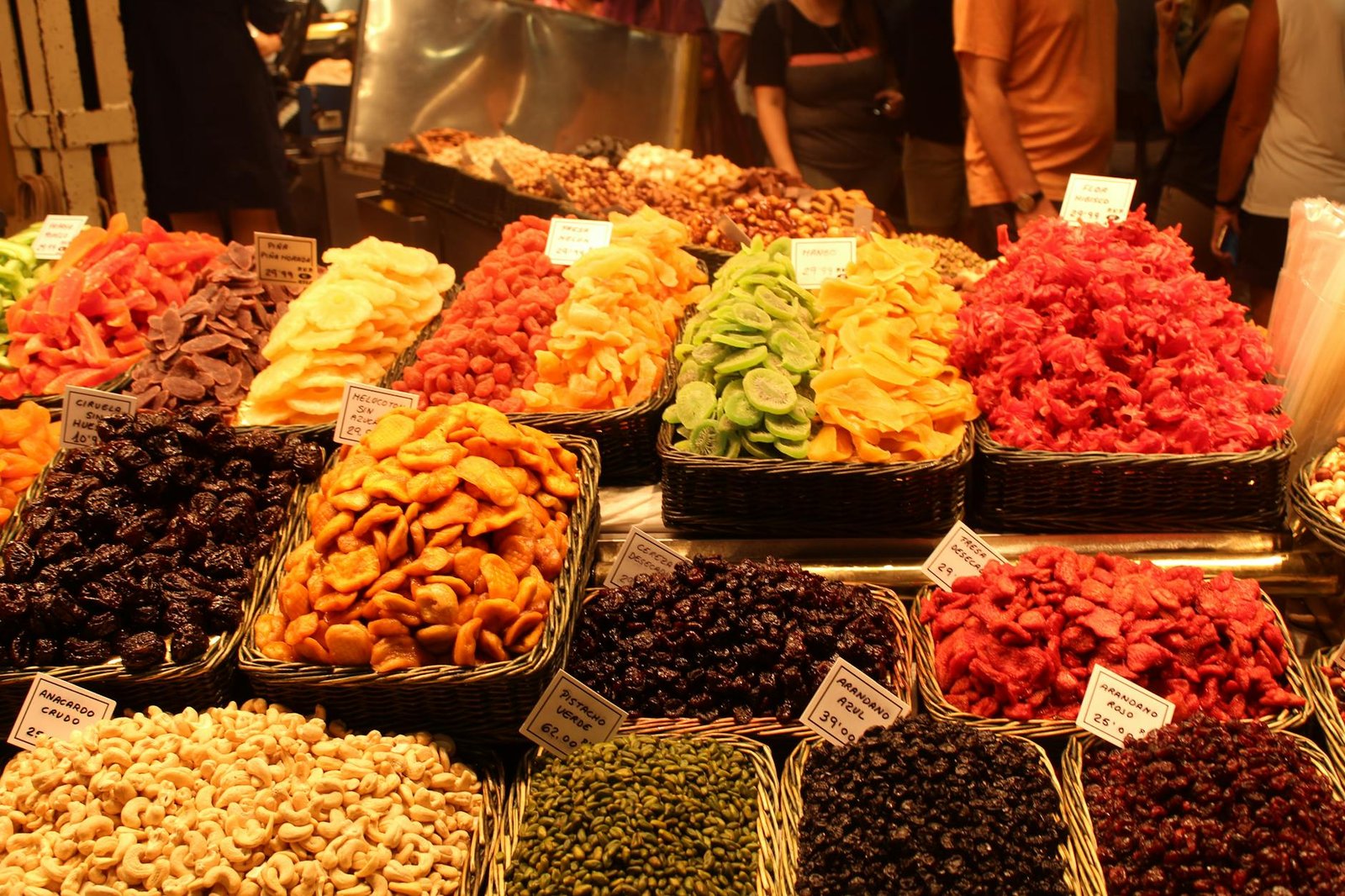
For an authentic immersion into Malaga’s food scene, head to Mercado de Atarazanas, one of Spain’s most beautiful market buildings. This historic market, housed in a stunning Moorish-style structure near the waterfront, has been the city’s primary food market since 1870. Walking through its aisles is like stepping into a living museum of Andalusian ingredients: mountains of fresh seafood on ice, towering displays of vibrant produce, hanging cured hams, wheels of local cheese, and fragrant spice vendors.
The market’s architecture itself is remarkable—the wrought-iron work and natural lighting create an atmosphere that makes shopping feel like an experience rather than a chore. Beyond shopping, Atarazanas houses several small bars and food stalls where you can enjoy fresh seafood prepared right there at the market. Grab a plate of gambas ajillo (garlic shrimp) or espetos at one of these stalls and watch the market bustle around you. This is where locals truly shop, eat, and socialize.
Top Street Food and Tapas Culture
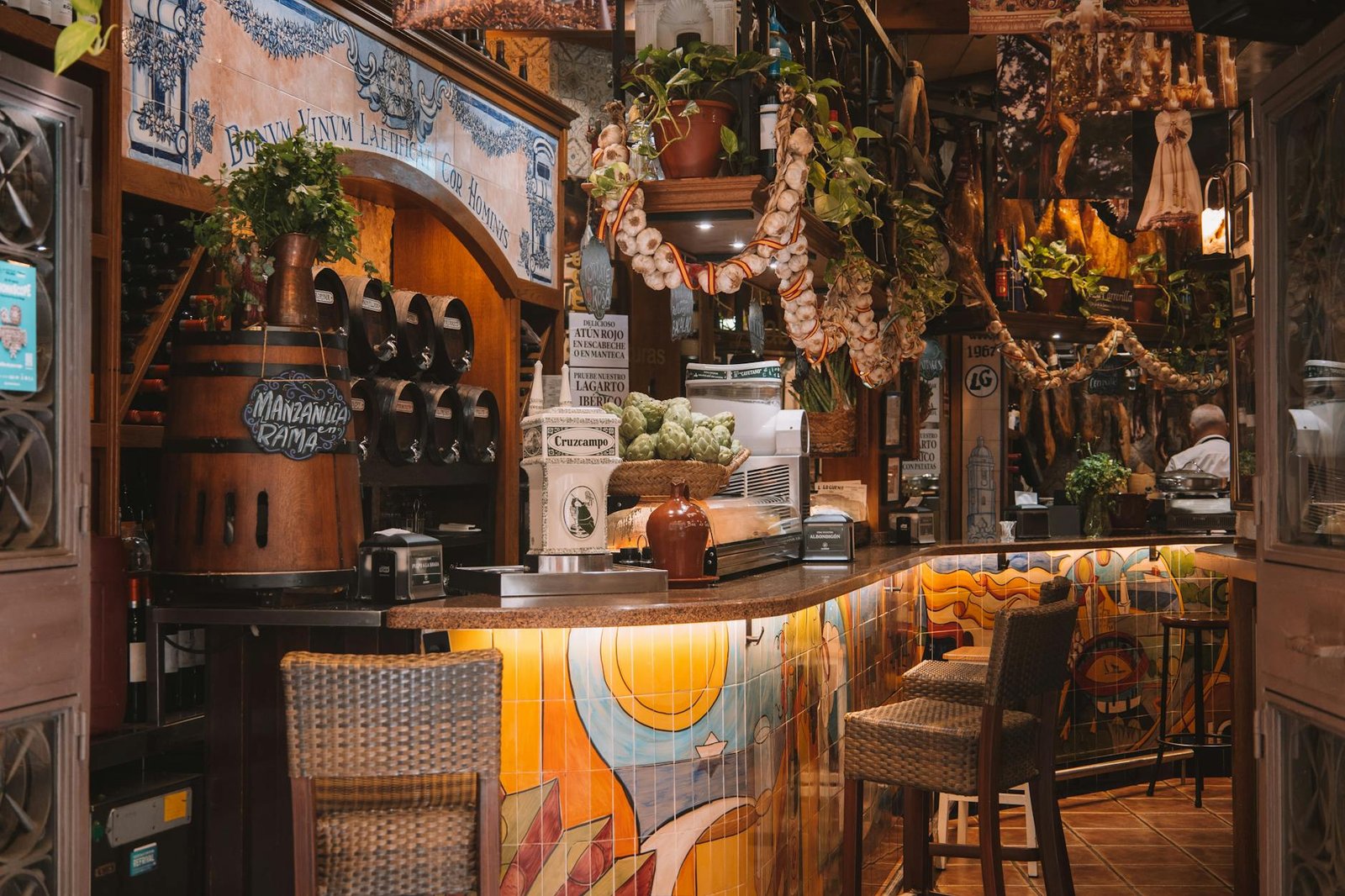
Malaga’s tapas scene is legendary, and the tradition of enjoying small plates with a drink is embedded in the city’s identity. What makes Malaga special is that in many bars, your tapa comes free with your drink—a custom that has largely disappeared in other Spanish cities. Walk into any traditional bar in the historic center or the working-class neighborhoods of Lagunilla or Campanillas, order a cerveza or glass of Malaga wine, and you’ll likely receive a generous portion of jamón ibérico, manchego cheese, marinated olives, or a small salad.
Beyond traditional tapas, Malaga’s streets offer incredible street food. Boquerones en vinagre (marinated anchovies) are a staple at tapas bars, offering a perfect balance of salty and acidic flavors. Croquetas—creamy croquettes filled with jamón, cod, or cheese—are perfect handheld snacks. Espinacas con garbanzos (spinach with chickpeas) is a humble yet delicious vegetable preparation. For something sweet, grab churros con chocolate from one of the many churrerías scattered throughout the city, perfect for breakfast or a mid-afternoon snack.
Gazpacho and Ajoblanco: Malaga’s Summer Soups
Malaga has its own unique take on gazpacho, the cold tomato soup beloved throughout Andalusia. While gazpacho rojo (red gazpacho) is standard throughout Spain, Malaga also celebrates ajoblanco, a lesser-known cold soup made from almonds, garlic, bread, olive oil, and vinegar. This pale, creamy soup is often topped with grapes and jamón, creating an intriguing sweet and salty combination. It’s particularly popular during summer months and represents Malaga’s Moorish heritage, as almond-based dishes have been part of the region’s cuisine since the medieval period.
These cold soups are perfect for cooling down on hot Andalusian days and represent the ingenuity of traditional Spanish cooking—making delicious meals from humble, accessible ingredients. Many restaurants throughout the city serve excellent versions, but if you want the most authentic experience, visit during summer months and order at a traditional neighborhood bar or restaurant rather than a tourist-focused establishment.
Best Restaurants: From Fine Dining to Neighborhood Favorites
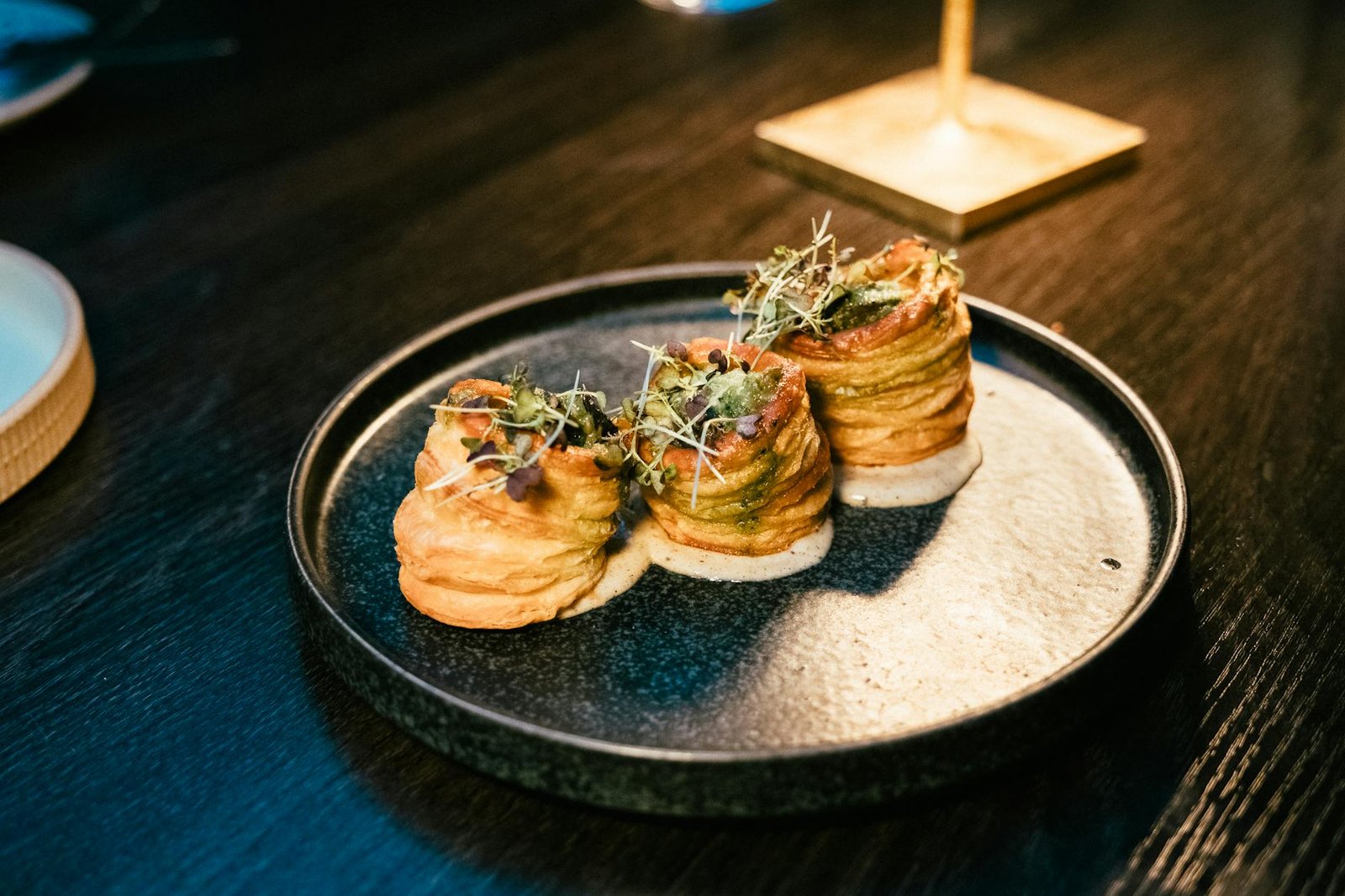
For fine dining, El Tintero is a must-visit, offering innovative Andalusian cuisine in a sophisticated setting. The restaurant focuses on seasonal ingredients and traditional techniques elevated to modern standards. Closer to the beach, El Pimpi is an iconic malagueño institution, famous for its barrel-aged wines and traditional tapas in a rustic, lively atmosphere. The walls are covered with bullfighting memorabilia, and the energy is unmistakably Spanish.
For authentic neighborhood dining, seek out Araboka Restaurante en Málaga in the historic center, where you’ll find excellent local dishes and an impressive wine selection. Chiringuito El Merlo, located near the beach, serves exceptional fresh seafood in a casual setting. For a truly local experience, head to any bar in the working-class neighborhoods—you’ll often find better food and friendlier service than in the tourist areas. Comparte and Maldita Dolores are neighborhood favorites where locals genuinely gather for food and conversation.
Best Food Tours: Guided Experiences
If you prefer guided exploration, Viator offers excellent Malaga food tours, including market walks with local guides who explain the history and use of different ingredients, followed by tapas tastings at traditional bars. GetYourGuide features several options, from evening tapas crawls through historic neighborhoods to market tours that end with cooking demonstrations. These tours typically last 3-4 hours and cost between 50-100 euros per person, offering great value for cultural immersion and insider knowledge.
Many of these tours include tastings at places you might not find independently, plus insights into local food traditions and the stories behind dishes. They’re particularly valuable if you have limited time in the city or want to understand the deeper cultural significance of what you’re eating.
When to Visit for Food
The best time to experience Malaga’s food culture is during the cooler months from October to April, when local markets overflow with seasonal produce and the weather is perfect for exploring neighborhoods on foot. Summer (June-August) can be extremely hot, though espetos and cold soups are at their finest. August is when many locals leave the city, and some restaurants close for holidays.
Malaga’s food calendar includes the Fair in August with special food vendors, and various festivals throughout the year celebrating local products like grapes and seafood. Spring and fall offer ideal conditions for market exploring, restaurant hopping, and beach dining without the overwhelming summer crowds.



Book a Food Experience in Malaga
Handpicked experiences — book with free cancellation and instant confirmation.
Explore More Food Tours
More food guides from Spain:
You might also enjoy:
- Naples Food Tour Guide (Italy)
- Palermo Food Tour Guide (Italy)
Featured in:
Frequently Asked Questions
What is the typical cost of a food tour in Malaga?
Most food tours in Malaga range from €45 to €90 per person, depending on the tour duration and number of tastings included. Premium tours with wine pairings or private guides can cost €100-€150 per person. Many tours include 6-10 food stops with small plate portions at each location.
How long do typical food tours in Malaga last?
Most food tours in Malaga last between 2.5 to 4 hours, with the majority being 3-hour experiences. Evening tapas tours typically run from 6:00 PM to 9:00 PM, while daytime tours usually occur mid-morning or early afternoon. Some extended tours can last up to 5 hours and include additional neighborhoods or wine tastings.
What local Malaga foods should I expect on a food tour?
You'll typically encounter espetos (grilled sardines), boquerones en vinagre (marinated anchovies), ensalada malagueña (salad with cod and orange), gazpacho, and ajoblanco (cold almond soup). Local cheeses, jamón ibérico, and espetos are common, along with fresh seafood prepared in traditional ways. Sweet treats like churros with chocolate and local wines like Málaga sweet wine are usual tour finishes.
Which neighborhoods in Malaga are best for street food tours?
El Pimpi area and the historic center around Plaza de la Constitución offer excellent street food and traditional taverns. The Atarazanas market neighborhood provides fresh produce and prepared foods from local vendors. Málaga's port district (Muelle Uno) and the Soho neighborhood have modern tapas bars alongside traditional spots, offering the best variety for food tours.
How can I manage dietary restrictions on a Malaga food tour?
Always inform your tour operator about dietary restrictions at least 48 hours in advance so they can plan appropriate stops and notify restaurants. Most restaurants in Malaga can accommodate vegetarian requests, though vegan options are more limited outside central areas. Gluten-free and shellfish allergies require more notice, as many traditional dishes contain these ingredients, but guides can arrange modified tastings at willing establishments.