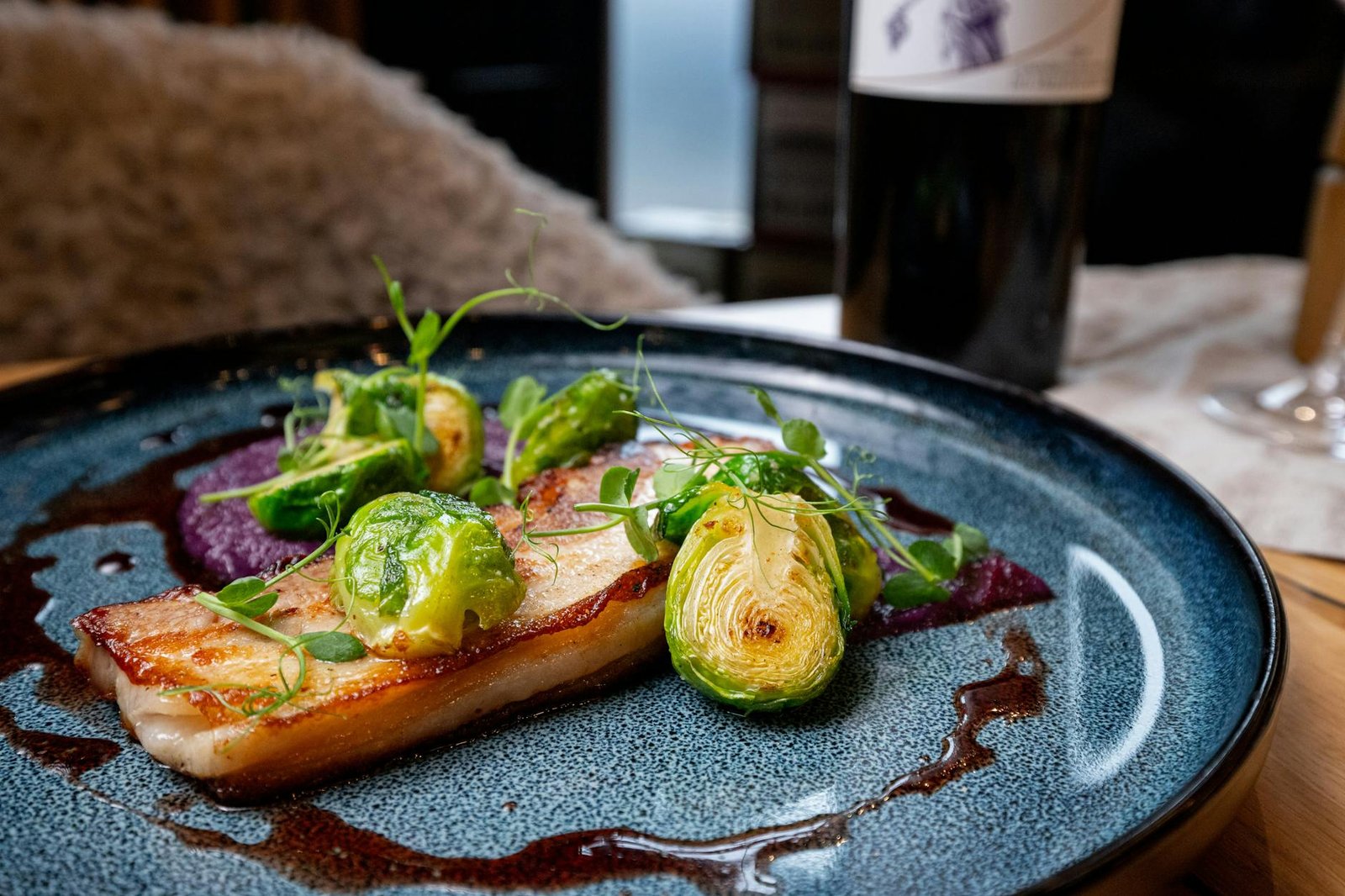
Bratislava Food Tour – Best Local Food & Restaurants
Bratislava, Slovakia: The Ultimate Food Guide
Introduction: Discovering Bratislava’s Culinary Treasures
Bratislava, the charming capital of Slovakia, is a hidden gem for food lovers seeking authentic Central European cuisine. Nestled along the Danube River, this medieval city offers a fascinating blend of traditional Slovak dishes, Hungarian influences, and modern culinary innovations. While many travelers rush through Bratislava on their way to Vienna, savvy food enthusiasts know that this vibrant city deserves several days of exploration to fully appreciate its gastronomic scene. From rustic taverns serving hearty local specialties to contemporary restaurants pushing culinary boundaries, Bratislava’s food culture tells the story of centuries of cultural exchange and tradition.
The Old Town district serves as the culinary heart of Bratislava, where centuries-old traditions meet contemporary dining experiences. Walking through the cobblestone streets, you’ll encounter the aromas of fresh bread, traditional spices, and simmering broths that define Slovak comfort food. Whether you’re sampling street food from local vendors or dining at family-run establishments that have served the same recipes for generations, Bratislava promises an unforgettable gastronomic journey through Central Europe’s most underrated food destination.
Must-Try Traditional Slovak Dishes
Slovak cuisine is hearty, flavorful, and deeply rooted in tradition, with dishes designed to sustain people through long, cold winters. Bryndzové halušky, often considered the national dish of Slovakia, consists of potato dumplings served with tangy sheep cheese and crispy bacon bits. This comfort food is absolutely essential when visiting Bratislava, and nearly every traditional restaurant serves their own version. Another must-try is kapustnica, a cabbage soup that’s typically served during Christmas celebrations but available year-round in local eateries. This rich, savory soup often includes smoked meat and creates a warming, satisfying meal on its own.
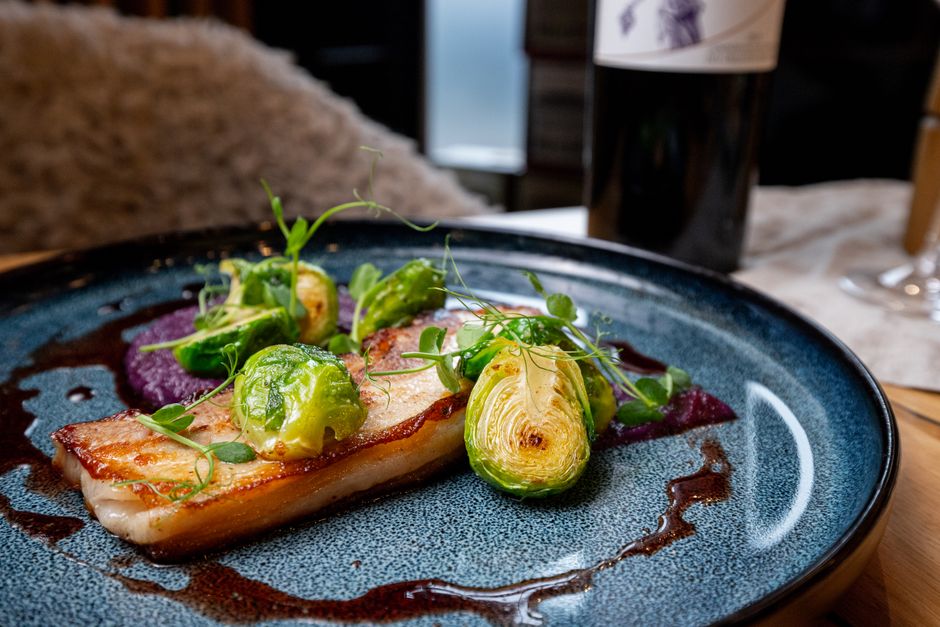
Klobása, Slovakia’s beloved smoked sausage, appears on menus throughout the city and makes an excellent casual lunch option. Tripe soup, or flamenco, might sound intimidating to some visitors, but it’s a treasured traditional dish that showcases Slovak culinary heritage. For those with a sweet tooth, lokše (fried potato pancakes) served with garlic and sour cream, or trdelník (a sweet pastry roll with sugar and walnuts), offer delicious insights into Slovak comfort food traditions. Don’t miss pirohy, savory pastries filled with various ingredients like cheese, potatoes, or cabbage, which serve as perfect snacks or light meals while exploring the city.
Best Markets and Food Shopping
Stará Tržnica, located on Námestie SNP in the heart of Old Town, is Bratislava’s most vibrant food market where locals and visitors alike browse stalls overflowing with fresh produce, meats, cheeses, and local specialties. Designed by city engineer Gyula Laubner and completed in 1910, the building served as the city’s main market hall for over fifty years before reopening as a cultural and food space; the Trh-Piac-Markt food market has run here since September 2013 alongside cafes, a grocery, and a cooking school. Weekend mornings are particularly lively, offering an authentic slice of Slovak life and an excellent opportunity to purchase ingredients or join a class.
For a more modern shopping experience, visit the Hypermarket Tesco or Kaufland, where you’ll find exceptional selections of Slovak cheeses, cured meats, and local brands alongside international products. These supermarkets offer quality at reasonable prices and are convenient for picking up snacks or specialty items. The farmers’ market at Medická Záhrada, operating several days per week, provides another excellent opportunity to discover locally-produced honey, herbs, mushrooms, and artisanal products directly from Slovak producers.
Top Street Food and Quick Bites
Bratislava’s street food scene reflects the city’s casual dining culture and budget-friendly options for hungry explorers. Lángos, a deep-fried bread served with garlic and sour cream or sometimes sweet versions with jam, appears at food stands throughout the city and offers an irresistible quick snack. Grill stands selling klobása sausages with bread are ubiquitous near major attractions and markets, providing authentic, delicious meals that cost just a few euros. Trdelník vendors set up around Hlavné Námestie (Main Square), offering warm pastry rolls filled with cinnamon sugar, nuts, and sometimes chocolate or Nutella for an indulgent treat.

Parenice and pareníky, cheese-filled pastries similar to bread rolls, represent perfect street food options for busy sightseers. Many bakeries throughout Old Town prepare fresh versions of these items daily. For a protein-packed option, seek out smoked fish stands, particularly during weekends, where vendors sell freshly smoked trout and other varieties that showcase Slovakia’s freshwater fishing traditions. These street foods aren’t just convenient; they provide authentic tastes of Slovak cuisine at prices that won’t deplete your travel budget.
Best Restaurants in Bratislava
Restaurants specializing in traditional Slovak cuisine dominate Bratislava’s dining landscape, with Slovak Pub in Old Town standing out for its authentic atmosphere and expertly prepared traditional dishes. This rustic establishment serves exceptional bryndzové halušky, various preparations of klobása, and traditional game dishes in a cozy, decorated space that transports diners back to rural Slovakia.
For contemporary takes on Slovak cuisine, Ecco offers innovative dishes that respect traditional flavors while introducing modern techniques and presentation. For fine dining, consider Bistronomy, which is known for its refined approach and exceptional quality, or Modrá Hviezda for its elegant atmosphere and international cuisine with Slovak influences. These establishments offer diverse dining experiences while maintaining connections to Slovakia’s culinary heritage.
Exploring Local Neighborhoods and Food Districts
Old Town (Staré Mesto) remains the epicenter of Bratislava’s food scene, where narrow medieval streets hide intimate restaurants, wine bars, and traditional eateries. Wandering through neighborhoods like Nedbalová and exploring side streets off Hlavné Námestie reveals family-run establishments that locals frequent, often offering better value and authentic experiences than more touristy venues. The riverfront along the Danube provides another emerging food district where contemporary restaurants take advantage of scenic views while serving both traditional and modern cuisine.
The Devín area, just outside central Bratislava, features riverside restaurants perfect for leisurely meals with views of Devín Castle. Petržalka, on the opposite bank of the Danube, has developed into a vibrant neighborhood with diverse dining options ranging from traditional taverns to international restaurants. Exploring these neighborhoods on foot or by public transport reveals how Bratislava’s food culture extends beyond the compact Old Town, offering locals and visitors authentic dining experiences away from the most heavily trafficked tourist areas.
When to Visit for Food
Late spring through early autumn offers ideal conditions for food tourism in Bratislava, with pleasant weather encouraging outdoor dining and market visits. September and October present particularly excellent timing, as summer crowds diminish while seasonal produce and game dishes reach their peak availability. During these months, restaurant menus feature fresh local ingredients and traditional autumn specialties that showcase Slovak cuisine at its best. The Christmas season brings festive markets and special holiday dishes like kapustnica and various Christmas pastries, creating magical culinary experiences despite colder temperatures.
Winter months, while cold, offer authentic experiences of how Slovaks traditionally eat during harsh weather, with hearty soups, rich meats, and warming beverages taking center stage on menus. Spring arrives relatively late in Bratislava, but when it does, fresh greens and early vegetables begin appearing at markets. Avoid mid-summer July and August when tourist crowds peak, potentially affecting restaurant experiences and market availability. For the most authentic local food experiences, visit during weekdays when restaurants serve predominantly Slovak clientele rather than tourists.
Best Food Tours
For visitors wanting guided exploration of Bratislava’s food scene, Viator offers several excellent food walking tours led by knowledgeable local guides who share insights into Slovak culinary traditions and history. These tours typically include tastings at multiple restaurants and markets, providing comprehensive introductions to local cuisine while supporting small businesses. GetYourGuide similarly offers curated food tours ranging from half-day options focusing on Old Town to extended experiences that include cooking classes and market visits.
Many tours incorporate visits to local wine bars, traditional taverns, and specialty food shops, offering educational experiences alongside delicious meals. These guided experiences eliminate guesswork about which restaurants to visit and what dishes to order, particularly valuable for first-time visitors unfamiliar with Slovak cuisine. Both platforms feature reviews from previous participants, helping you select tours matching your interests and dietary requirements. Booking in advance ensures availability, particularly during peak tourist seasons.
Practical Tips for Food Lovers
Bratislava remains extraordinarily affordable compared to Western European capitals, with quality traditional meals costing considerably less than comparable experiences in Vienna or Prague. Always seek out restaurants where locals dine, often identifiable by large groups of Slovak speakers and menus lacking English translations. Don’t hesitate to ask locals for recommendations—Slovaks are generally proud of their culinary heritage and eager to share favorite dining spots. Learning basic phrases in Slovak, particularly food-related terms, demonstrates respect and often results in better treatment and recommendations from restaurant staff.
Many traditional restaurants close relatively early, typically by 10 PM on weeknights, so plan accordingly and eat dinner earlier than you might at home. Cash remains important in Bratislava’s smaller establishments and markets, though cards are increasingly accepted. Visiting markets in the morning ensures the best selection of fresh produce and prepared foods. Finally, embrace culinary curiosity—some of Slovakia’s most memorable dishes may sound unfamiliar, but trying traditional preparations is essential to understanding the country’s food culture and creating lasting travel memories.


Book a Food Experience in Bratislava
Handpicked experiences — book with free cancellation and instant confirmation.
Explore More Food Tours
More food guides from Slovakia:
You might also enjoy:
- Gdansk Food Tour Guide (Poland)
- Lodz Food Tour Guide (Poland)
- Olomouc Food Tour Guide (Czech Republic)
- Warsaw Food Tour Guide (Poland)
- Wroclaw Food Tour Guide (Poland)
Frequently Asked Questions
How much does a food tour in Bratislava cost?
Food tours in Bratislava typically range from €25 to €80 per person for a guided group tour. Private tours and premium culinary experiences can cost more, while self-guided food walks are often free or low-cost.
How long do food tours in Bratislava last?
Most guided food tours in Bratislava last between 2 and 4 hours and include multiple tasting stops. Walking food tours tend to run around 3 hours, while sit-down dining experiences may last longer.
What local dishes should I try on a Bratislava food tour?
A food tour in Bratislava is the best way to discover authentic local specialties. Your guide will take you to street food markets, traditional restaurants, and neighbourhood gems that locals love — dishes you would never find on your own.
What is the best area for street food in Bratislava?
The best areas for street food and local cuisine in Bratislava are usually found in the old town, central food markets, and traditional neighbourhoods away from the main tourist hotspots. A local food guide will show you exactly where to go.
Are food tours in Bratislava suitable for people with dietary restrictions?
Most food tour operators in Bratislava can accommodate vegetarian, vegan, halal, and gluten-free diets with advance notice. Always inform your guide of any dietary requirements when booking so they can plan the best route for you.