
Rio de Janeiro Food Tour – Best Local Food & Restaurants
Rio de Janeiro, Brazil: The Ultimate Food Guide
A City Where Culinary Traditions Meet Modern Innovation
Rio de Janeiro isn’t just a destination for stunning beaches and iconic landmarks—it’s a culinary paradise where Portuguese heritage, African influences, and indigenous traditions blend seamlessly into one of South America’s most vibrant food scenes. From the bustling markets of Saara to the sophisticated restaurants of Leblon, Rio offers an extraordinary gastronomic journey that reflects the soul of Brazil itself. Whether you’re sipping fresh açai by the beach or savoring a perfectly prepared feijoada in a traditional boteco, every meal tells a story of this dynamic city’s rich cultural tapestry.
The food culture in Rio is deeply connected to community and celebration. Cariocas, as locals are called, treat eating as a social event, whether they’re gathering for a casual street lunch or attending a formal dinner. The city’s diverse neighborhoods each have their own culinary identity, from the working-class favelas known for authentic home cooking to the upscale beachfront areas serving contemporary Brazilian cuisine. Understanding Rio’s food scene means understanding the people and their way of life.
Traditional Brazilian Dishes You Must Try
No visit to Rio is complete without experiencing feijoada, the national dish of Brazil and an absolute must-try. This hearty black bean stew, traditionally made with various cuts of pork, is served with rice, orange slices, and farofa (toasted cassava flour). Head to Lapa, Rio’s bohemian neighborhood, to find authentic feijoada served at traditional boteco establishments like Bar do Mineiro, where you’ll experience this dish exactly as locals have enjoyed it for generations. The complexity of flavors and the communal spirit of sharing this meal embody the essence of Brazilian dining culture.
Moqueca, a seafood stew cooked in coconut milk with palm oil, dendê, tomatoes, and peppers, showcases Rio’s coastal influence perfectly. This Afro-Brazilian specialty originated in Bahia but has become a Rio staple, particularly in restaurants throughout Copacabana and Ipanema. For an authentic experience, visit restaurants along the beachfront where fresh fish from the Atlantic Ocean arrives daily. Don’t miss pão de queijo either—these delightful cheese bread rolls are perfect for breakfast or as a snack, available at almost every bakery and café throughout the city.
Exploring Rio’s Most Important Markets and Food Halls
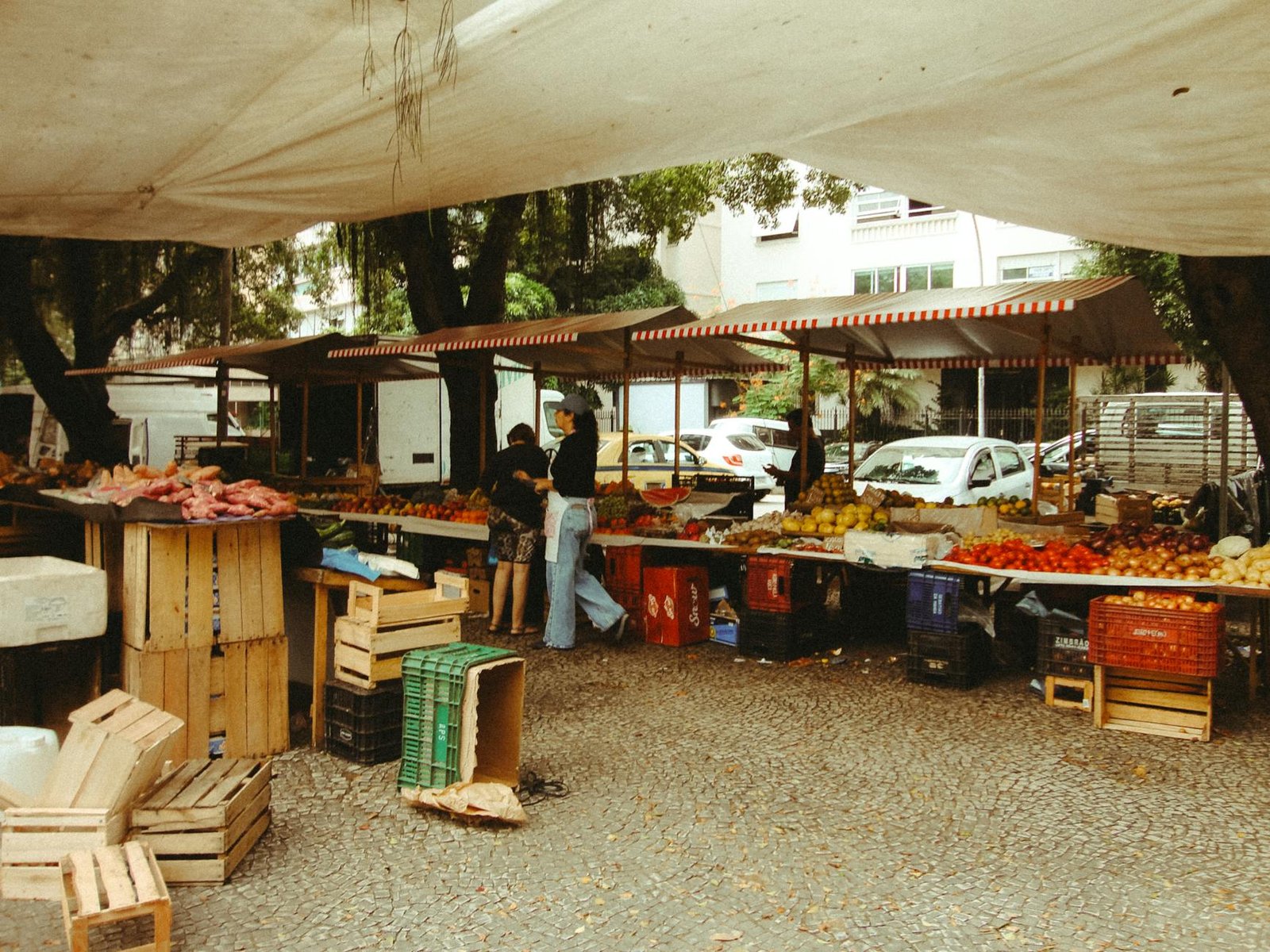
The Saara neighborhood houses one of Rio’s most chaotic and colorful markets, where vendors sell everything from fresh tropical fruits to cured meats and spices. While primarily known as a commercial district, Saara’s food stalls offer incredible street food experiences and ingredients you won’t find elsewhere. Navigate the narrow streets early in the morning to beat the crowds and sample fresh juices, pastéis (fried pastries), and other local specialties. The energy here is infectious, and the prices are unbeatable compared to more touristy areas.
For a more organized market experience, visit Cadeg (Central de Abastecimento do Estado da Guanabara) in the port area, Rio’s largest wholesale food market. While it’s primarily a distribution center for restaurants and retailers, some sections welcome tourists, and you can find the freshest produce, seafood, and specialty ingredients available. The market buzzes with activity from early morning as vendors from across Rio source their daily supplies. For a curated market experience with tastings and local vendors, the Zona Portuária has undergone significant renovation and now features modern food halls and markets alongside traditional establishments.
Top Street Food That Defines Rio’s Casual Dining Culture
Rio’s street food scene is legendary, and for good reason. Coxinha, a creamy chicken and cream cheese filling encased in a teardrop-shaped fried exterior, is perhaps the most iconic street food you’ll encounter. Pastel de queijo (cheese pastry), pastel de carne (meat pastry), and pastéis de bacalhau (salt cod pastries) are also ubiquitous and absolutely delicious. Head to Copacabana Beach at sunset and you’ll find vendors selling these golden-fried treasures, but the best versions come from dedicated street vendors in neighborhoods like Santa Teresa and Centro. The crispy exterior giving way to a warm, savory interior is addictively perfect.
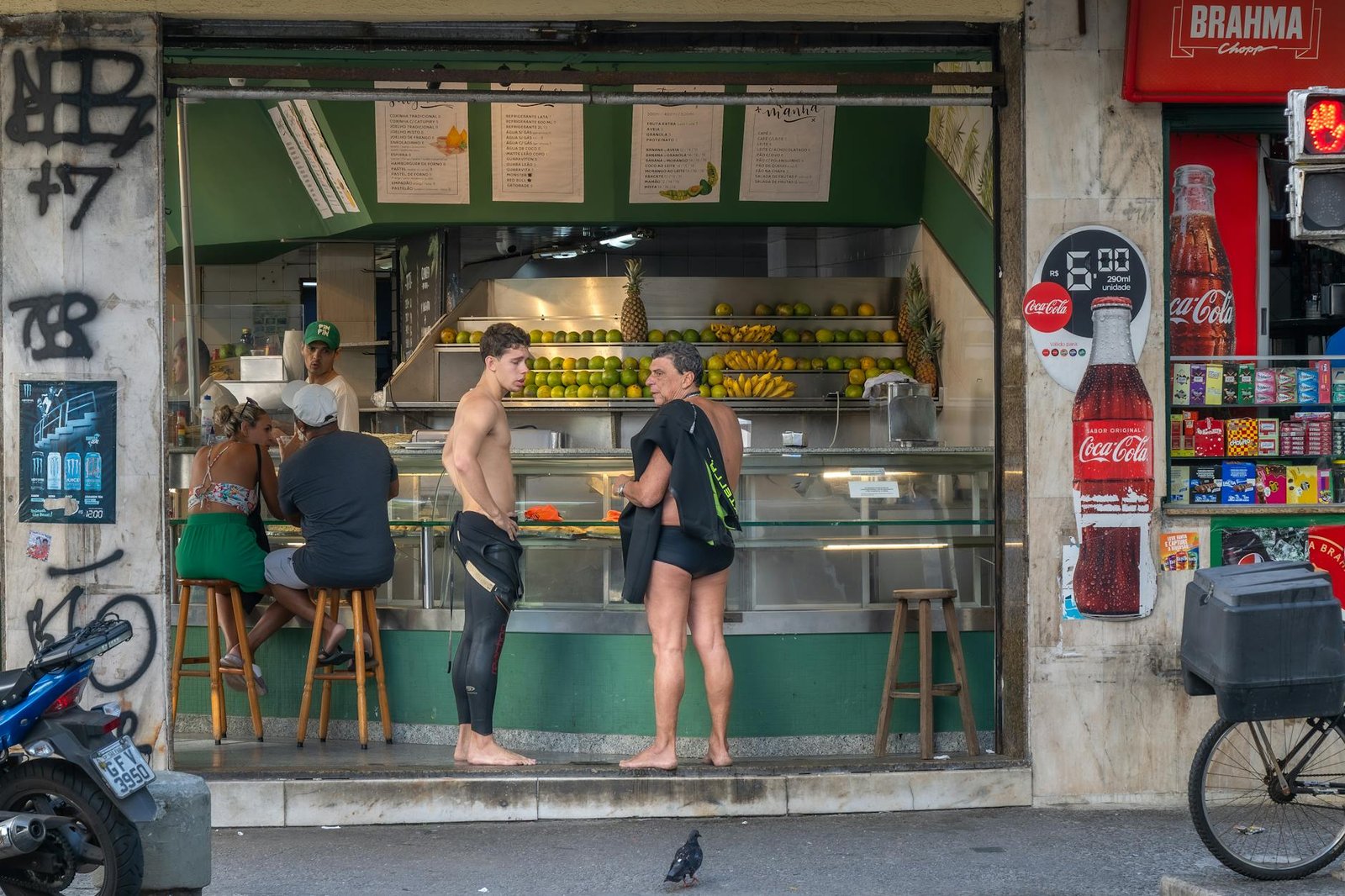
Acarajé, a black-eyed pea fritter filled with shrimp, hot sauce, and other toppings, represents Afro-Brazilian culinary heritage beautifully. Originally from Bahia, acarajé has become increasingly popular in Rio, particularly in Lapa and near beaches. Another must-try is the humble but satisfying espetinho—meat or seafood grilled on skewers and often served with chimichurri sauce. Fresh fruit juices and açai bowls are available on virtually every corner, with vendors preparing them fresh to order. For breakfast or a light snack, try tapioca, a crepe-like creation made from cassava flour, filled with either sweet or savory ingredients.
Best Restaurants for Authentic and Contemporary Cuisine
For fine dining with a Brazilian perspective, Aprazível in Santa Teresa offers spectacular views of Rio paired with creative takes on traditional dishes. The restaurant celebrates Brazilian ingredients and cooking techniques while maintaining a sophisticated atmosphere. In Ipanema, Mee features contemporary Asian fusion with Brazilian influences, representing the modern culinary evolution happening in Rio’s upscale neighborhoods. For traditional cooking in an upscale setting, Lapa has long been a destination for those seeking Amazonian ingredients and preparations that showcase Brazil’s diverse food regions.
Boteco Belmonte in Leblon serves expertly prepared Brazilian classics in a relaxed, authentically carioca atmosphere. The restaurant is famous for its perfectly grilled fish and ice-cold beer, making it ideal for a casual but high-quality meal. If you want to experience feijoada and other traditional dishes in their most authentic form, head to Bar do Mineiro in Lapa, where workers and tourists alike gather at long communal tables. For seafood lovers, any restaurant along the beachfront in Barra da Tijuca offers fresh catches prepared simply and deliciously. Don’t overlook churrascarias (Brazilian steakhouses) like Churrascaria Palace, where rodizio-style service brings endless cuts of grilled meat directly to your table.
When to Visit for Food Festivals and Seasonal Experiences
June is festival season in Rio, with various bairros (neighborhoods) hosting street parties featuring traditional foods like milho (corn-based dishes), amendoim (peanuts), and quentão (mulled wine). The Festa de Santo Antônio, Santo Antônio celebrations, and São João festivals throughout the month offer authentic experiences of Brazilian culture through food. If you visit during Carnival season (February or early March), you’ll find food stalls, pop-up restaurants, and special menus celebrating the festive spirit throughout the city.
The summer months (December through February) bring an abundance of tropical fruits to Rio’s markets—mangoes, papayas, pineapples, and passion fruit reach peak perfection. Seafood is exceptionally fresh during winter months (June through August), making it the ideal time to indulge in moqueca and fresh grilled fish. Year-round, Rio offers fantastic eating, but planning your visit around seasonal produce and festivals adds another dimension to your food experience.
Best Food Tours to Book
Viator offers several excellent Rio food tours, including neighborhood walking tours through Lapa and Santa Teresa that combine history, culture, and cuisine. These guides provide insider knowledge about local vendors and hidden gems you might miss exploring alone. GetYourGuide features similarly excellent options, including market tours at Cadeg and beachfront food experiences in Copacabana. Both platforms offer customizable tours ranging from 3 to 5 hours, with options for small group or private experiences, and prices typically range from $80 to $200 per person depending on inclusions and group size.
Practical Tips for the Rio Food Experience
Learning a few Portuguese phrases enhances your food interactions significantly. Simple expressions like “Qual é a especialidade da casa?” (What is the house specialty?) will delight locals and lead to wonderful recommendations. Always carry small bills, as many street vendors and casual establishments don’t accept cards. The best time for lunch is between noon and 2 PM, and dinner typically begins around 8 PM in Rio—arriving earlier might mean sparse crowds at some restaurants. Don’t drink tap water, but bottled water is ubiquitous and inexpensive. Most importantly, embrace the carioca spirit of eating with others, enjoying long meals, and taking time to savor not just the food, but the experience of sharing it with others.



Book a Food Experience in Rio de Janeiro
Handpicked experiences — book with free cancellation and instant confirmation.
Explore More Food Tours
More food guides from Brazil:
You might also enjoy:
- Buenos Aires Food Tour Guide (Argentina)
- Lima Food Tour Guide (Peru)
- Bogota Food Tour Guide (Colombia)
- Medellin Food Tour Guide (Colombia)
Featured in:
Frequently Asked Questions
What is the typical cost of a food tour in Rio de Janeiro?
A typical food tour in Rio de Janeiro ranges from R$150 to R$400 per person (approximately $30-$80 USD), depending on the duration, neighborhood, and inclusions like beverages or restaurant visits. Longer tours with sit-down meals at established restaurants tend to cost more, while street food walking tours are generally on the lower end of the price range. Some premium tours featuring chef-led experiences or exclusive tastings can exceed R$500.
How long do food tours in Rio de Janeiro typically last?
Most food tours in Rio de Janeiro last between 3 to 4 hours, covering multiple stops and tastings throughout a neighborhood. Half-day tours (2-3 hours) focusing on street food are popular for visitors with limited time, while full-day culinary experiences can extend 6-8 hours and include lunch at a proper restaurant. Evening food tours often run 2-3 hours and focus on carioca bar culture and late-night snacks.
What local Rio de Janeiro foods should I expect on a food tour?
You'll typically taste iconic carioca dishes like pastel (fried pastries filled with meat or cheese), coxinha (chicken croquettes), and pão de queijo (cheese bread). Expect fresh tropical fruits like açaí bowls, street-served água de coco (coconut water), and seafood preparations reflecting Rio's coastal culture such as moqueca (fish stew). Most tours also include stops for brigadeiros, feijoada (black bean stew), and local street snacks like acarajé.
Which neighborhoods in Rio are best for street food tours?
Lapa and Saúde are historic neighborhoods famous for their vibrant street food scenes, colonial architecture, and traditional boteco culture. Santa Teresa offers a more upscale yet authentic food experience with colonial charm, while the beachside neighborhoods of Copacabana and Ipanema feature fresh seafood vendors and casual beach snacks. For the most authentic working-class street food experience, tours through neighborhoods like Cidade Nova or Centro showcase generations-old food vendors and traditional carioca cuisine.
How can I communicate dietary restrictions on a Rio de Janeiro food tour?
Inform your tour operator at least 48 hours in advance about any allergies, vegetarian, vegan, or religious dietary restrictions so they can plan your route and adjust tastings accordingly. Most reputable tour companies in Rio are experienced with dietary needs and can substitute items or highlight naturally compliant options at street food stalls and restaurants. Always carry a translation card or use a translation app to communicate restrictions directly with food vendors, as English proficiency varies among street food sellers.