
Cebu Food Tour – Best Local Food & Restaurants
Cebu, Philippines: The Ultimate Food Guide
Introduction to Cebu’s Culinary Scene
Cebu, the queen city of the south, is not just known for its stunning beaches and rich history—it’s a gastronomic paradise that deserves a prominent place on any food lover’s travel itinerary. This vibrant island province has evolved into one of the Philippines’ most exciting food destinations, blending Spanish colonial influences, Chinese heritage, and indigenous Visayan traditions into a unique culinary landscape. From humble street food stalls to upscale dining establishments, Cebu offers an incredible range of flavors that tell the story of its diverse cultural heritage.
The food culture in Cebu is deeply rooted in its people’s resourcefulness and creativity. Whether you’re exploring the bustling carbon markets or dining in the Ayala Center Cebu, you’ll discover that Cebuano cuisine celebrates fresh, bold flavors and time-honored cooking techniques. The province’s proximity to the sea means that seafood plays a starring role in most dishes, while locally grown produce and unique ingredients create an authentic taste of the region that you simply cannot find elsewhere.
The Iconic Lechon: Cebu’s Most Celebrated Dish
When discussing Cebu’s culinary identity, one cannot ignore lechon—the roasted suckling pig that has put this province on the map as a food destination. Cebu lechon is legendary throughout the Philippines and beyond, distinguished by its perfectly crispy, golden skin and tender, flavorful meat that falls off the bone. The secret lies in the slow-roasting process over charcoal and the aromatic stuffing made with herbs and spices like calamansi, onions, and local herbs. Every lechonero (lechon vendor) in Cebu has their own closely guarded recipe, making it impossible to have two identical experiences.
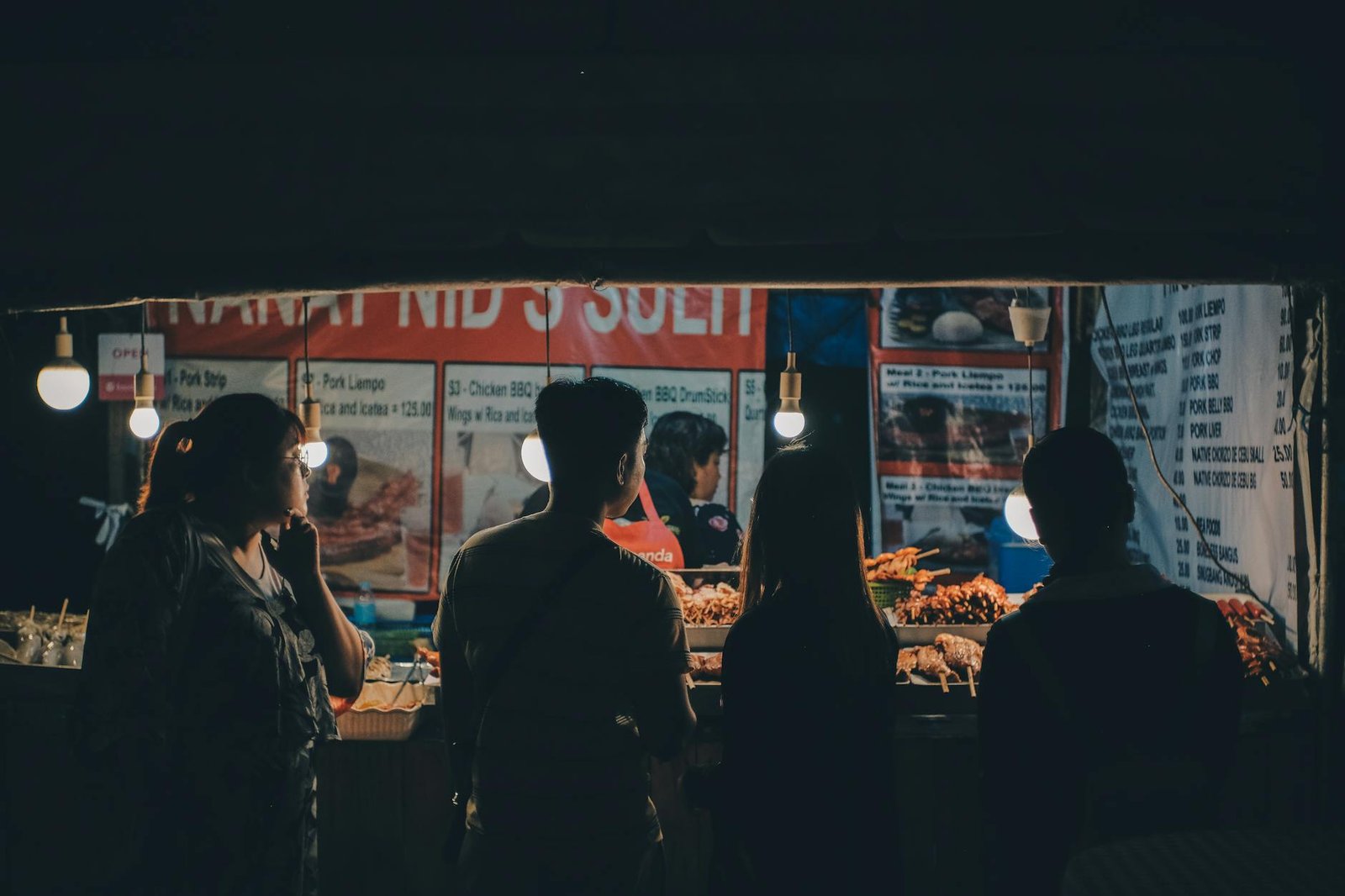
For the most authentic lechon experience, head to the Carbon Market area early in the morning, where you’ll find rows of lechoneros selling their wares. CnT Lechon is one of the most famous establishments here, attracting both locals and tourists eager to taste the real deal. Another must-visit destination is Zubuchon in Pardo, which has elevated lechon to fine dining status while maintaining its rustic charm. Whether you enjoy it with rice and the iconic liver sauce (sauce sarsa), wrapped in native bread, or in lechon fried rice, this dish is absolutely essential to any Cebu food tour.
Top Street Food: The Pulse of Cebu’s Food Culture
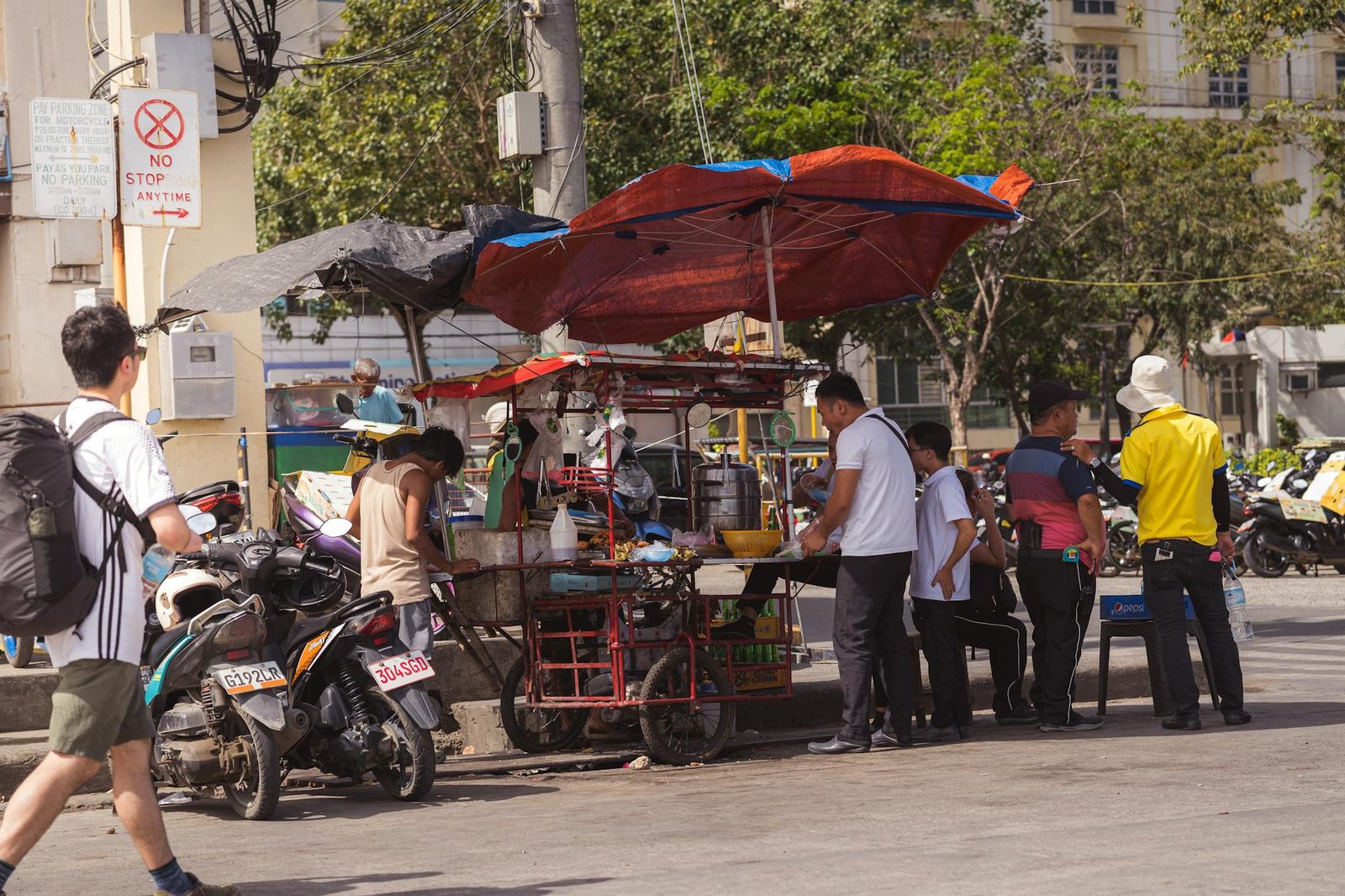
Cebu’s street food scene is vibrant, affordable, and absolutely delicious. One of the must-try items is ngohiong—a savory spring roll filled with shrimp, pork, and vegetables, typically served with a sweet and tangy vinegar-based dipping sauce. You’ll find vendors selling ngohiong throughout the city, but the Carbon Market area remains the epicenter of this beloved snack. Another essential street food is dried fish (tuyo), which might sound simple but represents a cornerstone of Filipino cuisine and makes for an excellent companion to rice and a fried egg for breakfast.
Don’t miss out on tikoy, the glutinous Chinese delicacy that’s become a Cebuano favorite, especially during festival seasons. The Colon Street area is famous for its food vendors selling everything from barbecued meat skewers (inihaw na baboy) to grilled squid (pusit). Early morning visitors should seek out the inasal joints serving grilled chicken marinated in vinegar and spices—a quintessential Visayan preparation. For something sweet, try polvoron (powdered pastries) and danggit (dried salt fish)—both perfect souvenirs and snacks that showcase the region’s culinary heritage.
Fresh Seafood Markets and Local Ingredients
The Carbon Market, also known as the Public Market, is the culinary heart of Cebu City and a sensory experience you won’t forget. This sprawling marketplace explodes with the aromas of fresh fish, prawns, squid, and shellfish brought in daily from Cebu’s waters. Walking through the corridors lined with vendors expertly gutting and preparing seafood, you’ll witness the incredible freshness and variety available to Cebuanos. The market also features sections dedicated to fresh produce, dried goods, and specialty items that reflect the region’s agricultural abundance.
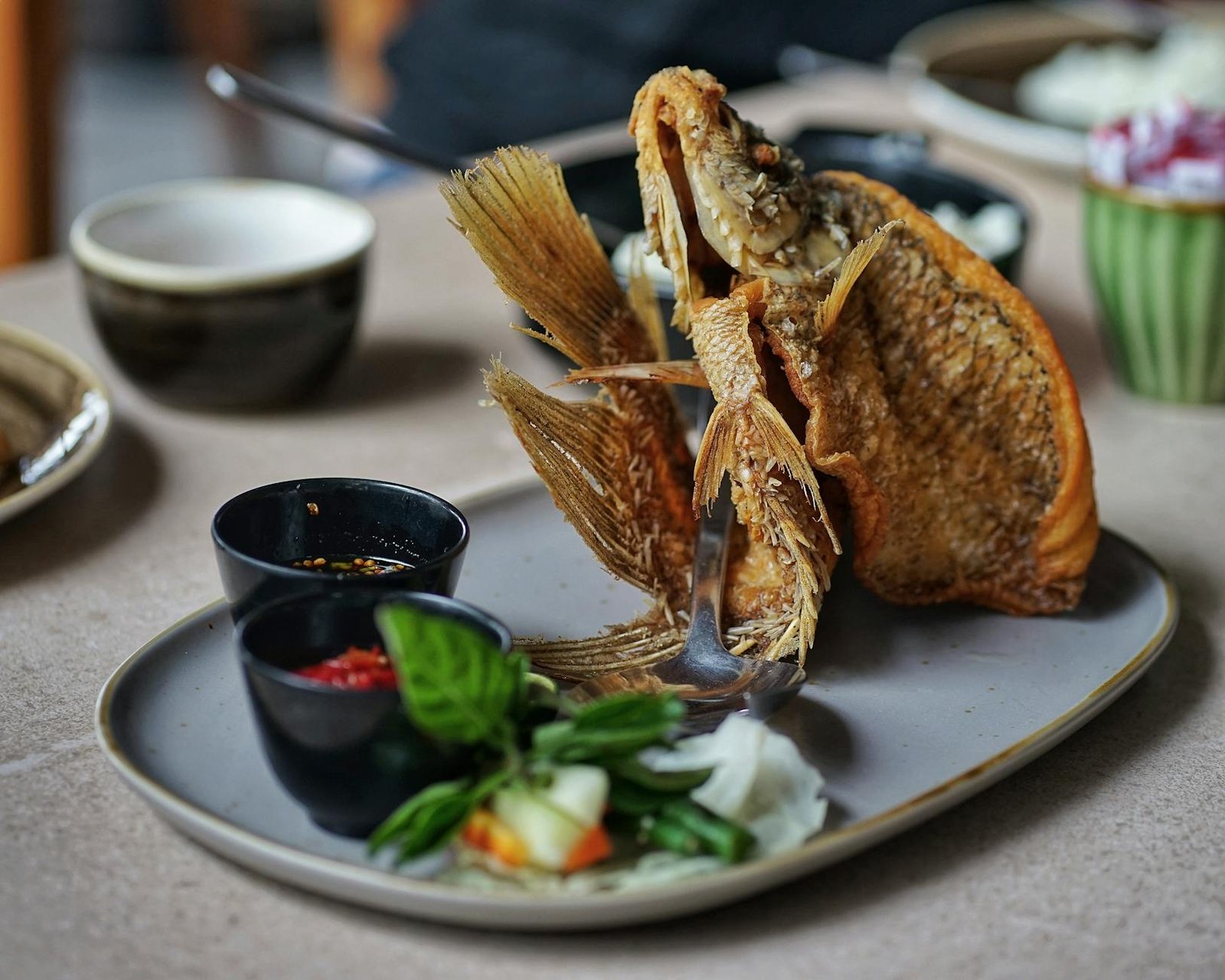
For a more organized seafood experience, visit the Mactan Cebu International Airport area’s various fish markets or head to Liloan, a fishing town just across the Mactan Strait known for its excellent tuna and other deep-sea catches. Many beachfront restaurants source directly from local fishermen, ensuring that your meal features the ocean’s bounty at its absolute freshest. The abundance of fresh seafood has made Cebu famous for dishes like tuna kinilaw (ceviche-style raw fish), grilled fish with local herbs, and rich seafood soups known as tinola.
Best Restaurants: Where Tradition Meets Innovation
Cebu boasts an impressive restaurant scene that ranges from casual Filipino eateries to internationally recognized fine dining establishments. Zubuchon remains at the top of many food critics’ lists, offering impeccable lechon alongside creative Filipino dishes in an elegant yet approachable setting. For those seeking modern Filipino cuisine, LASA BUSAY Modern Filipino Food presents traditional recipes reimagined for contemporary palates, while maintaining respect for authentic flavors and cooking techniques.
For seafood lovers, Jahara Seafood Restaurant offers exceptional fresh fish prepared simply to highlight their natural flavors, while Lantaw serves grilled blue marlin, buttered garlic shrimp, and sinigang na hipon in a floating dining room out in Cordova on Mactan — about an hour from the city and worth the drive for the sunset. Casa Verde, another beloved institution, serves traditional Visayan dishes in a charming garden setting. Don’t overlook smaller neighborhood restaurants like Kusina de Lola in the South Road Properties area, where home-style cooking celebrates the everyday flavors that define Cebuano family meals. Each establishment tells its own story of Cebu’s culinary evolution and cultural pride.
Best Food Tours: Organized Culinary Experiences
For travelers seeking guided food experiences, several platforms offer excellent options. Viator offers various food tours around Cebu, including market visits, lechon tastings, and neighborhood food walks led by knowledgeable local guides who provide context and stories behind the dishes. These tours typically include visits to hidden gems that independent travelers might miss and often include tastings at multiple locations. GetYourGuide similarly provides curated food tours focusing on different aspects of Cebu’s cuisine, from street food exploration to traditional cooking classes where you can learn to prepare authentic Cebuano dishes yourself.
These organized tours are particularly valuable if you’re visiting Cebu for a short period and want to maximize your culinary learning and experiences. Local guides can explain the historical and cultural significance of dishes, negotiate prices at markets, and ensure you’re eating at the most authentic locations. Many tours include transportation, making it easier to navigate the city while focusing entirely on the gastronomic experience. Whether you choose a market-focused tour or a neighborhood food walk, these experiences offer an invaluable introduction to Cebu’s food culture.
When to Visit for Food: Seasonal Considerations
The best time to experience Cebu’s food scene is during the Sinulog Festival in January, when the city celebrates with food stalls, special dishes, and vibrant culinary events. However, the dry season from November to May generally offers excellent conditions for food tourism, with pleasant weather for exploring outdoor markets and street food scenes. During these months, seafood is particularly abundant and fresh, as the calm seas allow for better fishing conditions and larger catches.
If you’re interested in specific seasonal dishes, visit during mango season (March to May) to enjoy fresh Cebu mangoes, or plan your trip around local festivals like the Kadaugan sa Mactan (April) and the Ati-Atihan celebrations in nearby islands. September to October, while entering the rainy season, still offers excellent food experiences with fewer tourists, allowing for more authentic interactions with local food vendors and restaurant owners who are less rushed and more willing to share their stories and culinary traditions.
Conclusion: A Culinary Journey Worth Taking
Cebu’s food scene is a living testament to the island’s rich history, cultural diversity, and the warm hospitality of its people. From the legendary lechon that brings visitors from around the world to the humble ngohiong sold by street vendors, every dish tells a story of tradition, family, and pride. A food tour through Cebu isn’t just about satisfying your hunger—it’s about connecting with a community that celebrates its heritage through every meal. Whether you’re dining at an upscale restaurant or eating from a street cart, you’ll discover that Cebuano food is an expression of love, creativity, and respect for quality ingredients and time-honored techniques.



Book a Food Experience in Cebu
Handpicked experiences — book with free cancellation and instant confirmation.
Explore More Food Tours
More food guides from Philippines:
You might also enjoy:
- Taipei Food Tour Guide (Taiwan)
- Yogyakarta Food Tour Guide (Indonesia)
- Bali Food Tour Guide (Indonesia)
- Bali Vegan Food Guide: Plant-Based Paradise for Travelers (Indonesia)
- Kuala Lumpur Food Tour Guide (Malaysia)
Frequently Asked Questions
What is the typical cost of a food tour in Cebu?
Most food tours in Cebu range from ₱1,500 to ₱3,500 per person depending on the duration and inclusions. Premium tours that include multiple meals, beverages, and experienced guides can cost up to ₱5,000, while budget-friendly street food tours may start at ₱1,000. Many tours include tastings of 8-12 different dishes with professional guides.
How long do typical food tours in Cebu last?
Most food tours in Cebu range from 3 to 4 hours for standard walking tours, though some extended tours can last 5-6 hours. Evening street food tours typically run 2-3 hours starting around 5 PM, perfect for experiencing the local dining culture at night. Full-day culinary experiences including market visits and cooking classes can extend to 7-8 hours.
What local Cebu dishes should I expect to try on a food tour?
You'll typically encounter Cebu's signature dish, lechon (roasted whole pig), along with lechon kawali (crispy pork belly), and sinuglaw (grilled fish and pork in vinegar-based sauce). Expect to sample local favorites like lato (sea grapes), dried fish, empanadas, and Cebu's famous danggit (dried sprats). Street food tours often include kakanin (rice cakes), bibingka, and fresh tropical fruits like mangoes and rambutan.
Which neighborhoods in Cebu are best for street food tours?
The Fuente Osmeña Circle and surrounding barangay is the heart of Cebu's street food scene, offering numerous food stalls and restaurants in one area. Carbon Market is the oldest public market in Cebu with authentic local vendors selling fresh produce and prepared street foods. IT Park and the South Bus Terminal areas have concentrated street food zones with local favorites that attract both residents and tourists.
How can I handle dietary restrictions on a Cebu food tour?
Most tour operators in Cebu can accommodate vegetarian and vegan requests with advance notice, substituting meat dishes with local vegetable preparations and seafood alternatives. For religious or allergy-related restrictions, inform your tour guide at least 24-48 hours before the tour so they can adjust the itinerary accordingly. Many tours are flexible enough to skip specific dishes and focus on other local cuisine that meets your dietary needs without compromising the authentic experience.