
Faro Food Tour – Best Local Food & Restaurants
Faro, Portugal: The Ultimate Food Guide
Introduction to Faro’s Culinary Scene
Faro, the capital of Portugal’s Algarve region, is a destination that often gets overlooked by travelers seeking beaches and nightlife. Yet this historic coastal city possesses one of the most authentic and vibrant food cultures in southern Portugal. The local cuisine reflects centuries of maritime tradition, Moorish influences, and agricultural bounty from the surrounding regions. From fresh seafood pulled directly from the Atlantic to traditional recipes passed down through generations, Faro offers an extraordinary culinary adventure that rivals any European city.
The beauty of eating in Faro lies in its unpretentious approach to food. You’ll find world-class meals in humble family-run restaurants where the owners still source ingredients from local fishermen and farmers. This is a place where tradition trumps trends, and authenticity is never compromised for tourism. Whether you’re sitting down for a full meal or grabbing cataplana stew from a street vendor, you’re experiencing the soul of Algarve cuisine.
Traditional Algarve Dishes You Must Try
No visit to Faro is complete without experiencing cataplana, a traditional Portuguese seafood stew cooked in a distinctive copper vessel that gives the dish its name. This hearty preparation combines fresh fish, shellfish, tomatoes, garlic, and white wine, creating a broth that’s both delicate and deeply flavorful. The cataplana cooking method traps steam and allows flavors to meld perfectly, resulting in seafood so tender it practically melts on your tongue. You’ll find exceptional versions throughout the city, but the restaurants near the harbor typically use the freshest catches of the day.
Another essential dish is grilled octopus, or polvo à Algarvia, which appears on nearly every restaurant menu for good reason. Local fishermen bring these magnificent creatures to market daily, and Faro’s chefs have perfected the art of preparing them. The octopus is typically boiled until tender, then grilled over charcoal with nothing more than olive oil, garlic, and lemon. The result is a dish of elegant simplicity that showcases the quality of the ingredient. Pair it with a cold glass of Algarve wine for an authentic coastal experience. Don’t miss arroz de marisco either—a creamy seafood rice dish loaded with clams, mussels, shrimp, and squid that’s utterly addictive.
The Mercado Municipal and Local Markets
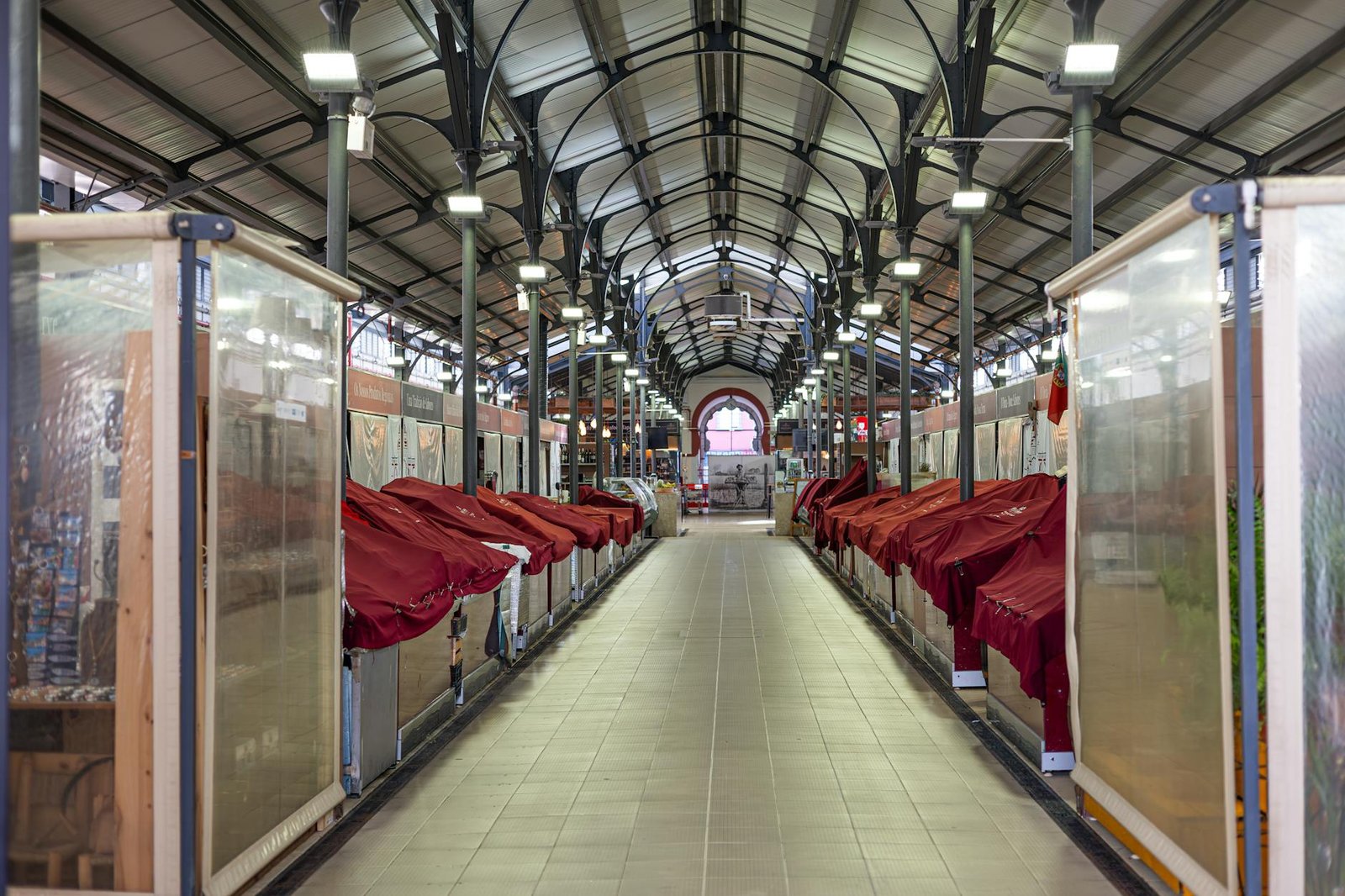
The Mercado Municipal do Faro, located near the riverfront in the historic center, is an essential stop for any serious food lover. This covered market has operated for over a century, serving as the beating heart of local food culture. Every morning, fishermen and farmers arrive with the freshest produce, seafood, and regional specialties. Walking through the aisles, you’ll encounter towering displays of Atlantic fish varieties with names you’ve likely never heard, mounds of sweet local tomatoes, baskets of fresh herbs, and wheels of aged cheese from across Portugal.
The market is divided into distinct sections: the fishmonger area with its incredible selection of fresh catch, the produce section bursting with seasonal vegetables, and specialty stalls selling dried herbs, spices, and local delicacies like presunto ham and queijo de cabra (goat cheese). Many of the produce vendors offer free samples, and if you smile and engage with them, they’ll often share recommendations for which fish to buy that day or which tomatoes are sweetest. This is where locals eat, where chefs shop, and where you’ll find the true foundation of Algarve cooking.
Top Street Food and Local Specialties
Street food in Faro celebrates the region’s coastal heritage with handheld options that pack enormous flavor. Grab a francesinha—a Portuguese sandwich filled with roasted meats, covered in melted cheese, and served with a rich beer sauce—from any of the casual eateries near the old town. For something more local, seek out pastéis de nata from bakeries throughout the city. These custard tarts with crispy, caramelized pastry have become internationally famous, but the versions you’ll find in Faro’s traditional bakeries are incomparable to mass-produced versions elsewhere.
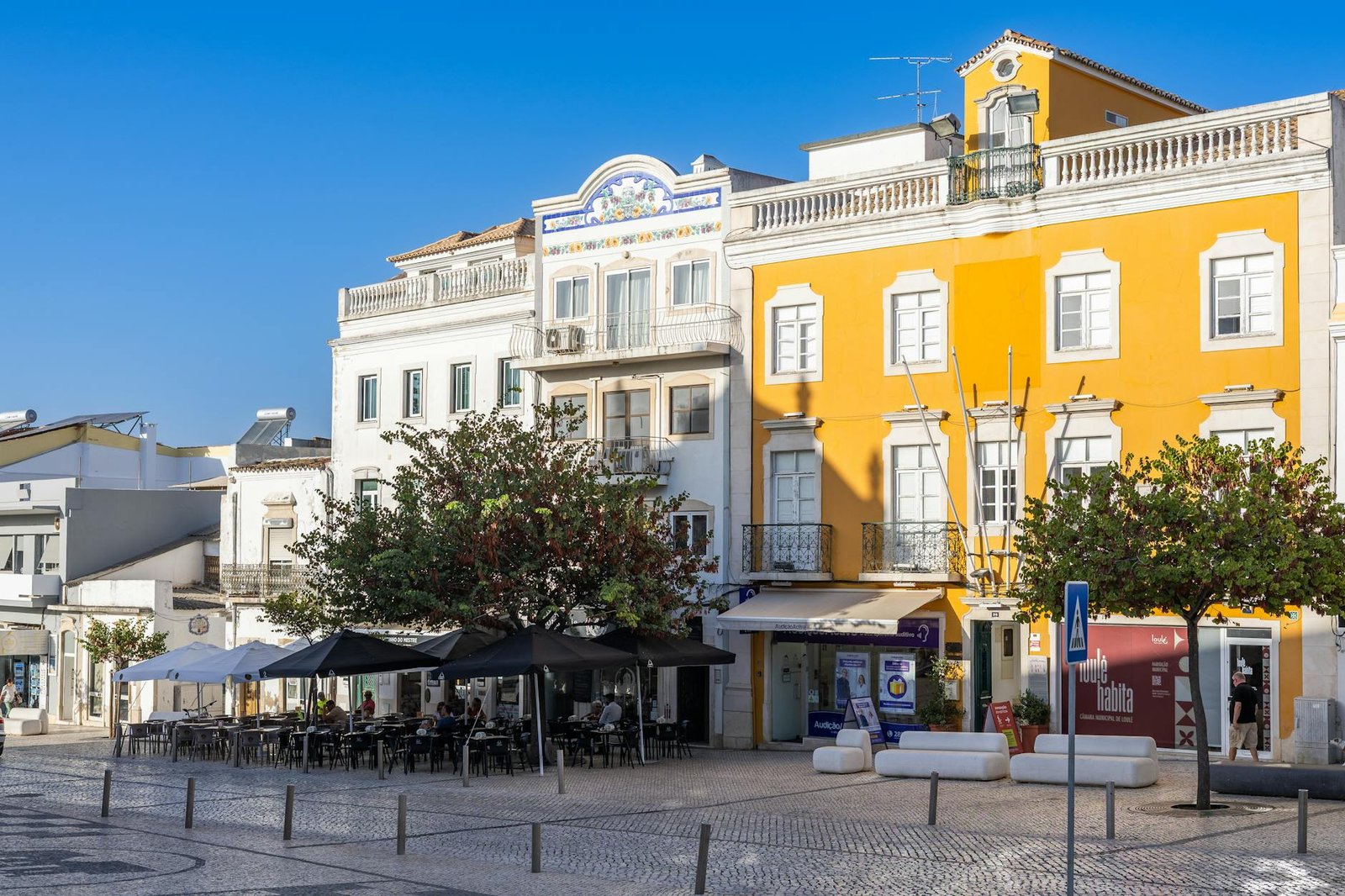
Don’t overlook the humble sardine sandwich, a staple that appears at beachside kiosks and casual lunch spots. Fresh sardines are grilled whole and served on crusty bread with a squeeze of lemon and a pinch of salt. Bifanas—thin sliced pork sandwiches in tangy marinade, served on soft rolls—are another quick bite that locals adore. For something sweet, try pastéis de queijo (cheese pastries) or bolos de chuva (rain cakes), which are light, fried pastries dusted with cinnamon and sugar. These street foods offer an authentic glimpse into how Faro residents actually eat on a daily basis.
Best Restaurants in Faro
For a memorable fine dining experience, head to O Tasco, located in a charming narrow street in the old town. This intimate restaurant focuses entirely on fresh, seasonal ingredients sourced from the Mercado Municipal. The chef creates innovative dishes while respecting traditional flavor profiles, resulting in cuisine that’s both sophisticated and authentically Algarve. Their daily specials depend entirely on what’s freshest that morning, making each visit unique. The wine list emphasizes local Algarve producers, offering excellent value and an opportunity to explore Portuguese viticulture.
Taberna Zé-Zé offers a more casual but equally rewarding experience, specializing in traditional Portuguese dishes prepared with impeccable technique. Their grilled fish selection is extraordinary, with the sea bass and bream particularly outstanding. The restaurant’s historic location and warm hospitality make it a favorite among both locals and visitors seeking authenticity. For seafood specifically, a spot near the harbor serves some of the freshest cataplana in Faro, with tables offering views of fishing boats that supplied your meal hours earlier. Don’t expect fussy presentation—expect incredible food and generous portions.
When to Visit for Food
The best time to experience Faro’s food scene is during the shoulder seasons of May to June or September to October. During these months, the weather is perfect for outdoor dining, the summer tourist crowds haven’t arrived or have departed, and local restaurants operate at their finest without compromising quality for volume. Spring brings fresh produce and new seafood varieties, while early autumn offers the final bounty of summer vegetables alongside fish that thrive in slightly cooler waters.
If possible, avoid August, when Faro becomes packed with international tourists and many traditional family-run restaurants become overwhelmed. Winter months (December through February) are actually excellent for serious food travelers, as locals reclaim their restaurants, prices drop, and chefs have the luxury of focusing on quality. The seafood selection during winter months is also exceptional, with cold-water fish varieties becoming available. Book restaurant reservations in advance during peak season, but during off-season, walk-ins are usually warmly welcomed.
Best Food Tours
For those seeking guided culinary experiences, Viator offers several excellent food-focused tours in Faro, including market visits combined with cooking classes and restaurant tastings. GetYourGuide similarly provides well-reviewed options such as traditional Algarve cooking experiences and guided market tours where local experts share stories behind the ingredients and dishes. These platforms offer tours ranging from casual walking food tours through the old town to immersive half-day experiences that include visits to local producers and lunch at family-run restaurants.
Many of these tours include transportation to surrounding villages known for specific foods, such as Olhão’s fish market or the rural areas where Algarve wine is produced. Booking through these platforms typically includes small group sizes, which creates opportunities for genuine interaction with locals and fellow food enthusiasts. Prices are reasonable, and the guides possess deep knowledge about both food and regional history. For those preferring independent exploration, both platforms also offer downloadable maps and food trail suggestions that work equally well for self-guided adventures.
Wine and Local Beverages
The Algarve wine region produces excellent wines that rarely receive international recognition, making Faro an ideal place to discover Portugal’s hidden vinous treasures. Local varieties include Lagos, Lagoa, and Silves designations, each producing full-bodied reds and crisp whites that pair beautifully with the region’s seafood. Many restaurants offer generous wine pours and knowledgeable staff who can guide you through local selections. The whites, in particular, complement cataplana and grilled fish perfectly, with enough minerality and acidity to cut through the richness of olive oil-based preparations.
Beyond wine, don’t miss medronho, a potent brandy distilled from the fruit of the strawberry tree. This is serious stuff—locals often enjoy small shots after meals or as an aperitif. Licor de ameijoa (clam liqueur) is a unique local specialty that pairs surprisingly well with seafood appetizers. For non-alcoholic options, freshly squeezed sumo de laranja (orange juice) is ubiquitous and exceptional, featuring local citrus. Portuguese coffee culture is also strong in Faro, with thick, intense espresso shots and creamy galões (coffee with milk) served in every café and restaurant.



Book a Food Experience in Faro
Handpicked experiences — book with free cancellation and instant confirmation.
Explore More Food Tours
More food guides from Portugal:
You might also enjoy:
- Cordoba Food Tour Guide (Spain)
- Madrid Food Tour Guide (Spain)
Frequently Asked Questions
What is the typical cost of a food tour in Faro?
Most food tours in Faro range from €45 to €90 per person, depending on the tour operator and inclusions. Premium tours with wine tastings or private guides can cost up to €120, while budget-friendly street food tours may start around €35-40 per person.
How long do food tours typically last in Faro?
Standard food tours in Faro usually last between 3 to 4 hours, covering multiple tasting stops and neighborhood exploration. Evening food tours often run 2.5 to 3 hours and conclude with dinner or drinks at a local restaurant.
What local food should I expect to try on a Faro food tour?
You'll typically taste cataplana seafood (a traditional copper cooking vessel dish), fresh grilled sardines, percebes (barnacles), and local pastéis de nata. Many tours also include regional specialties like alheira sausage, local cheeses from the Algarve, and fresh figs or almonds depending on the season.
Which neighborhoods are best for street food experiences in Faro?
The Cidade Velha (Old Town) offers traditional tavernas and historic food spots, while the riverside Sotavento area features modern food vendors and casual eateries. Rua de Santa Maria and the Mercado de Loulé nearby are excellent for authentic street food, fresh produce markets, and local vendors selling traditional Algarvian snacks.
How can I manage dietary restrictions on a Faro food tour?
Most tour operators in Faro are accommodating and ask about dietary restrictions during booking—notify them about vegetarian, vegan, gluten-free, or allergies in advance. The region has excellent fresh vegetables and seafood options, making it relatively easy to customize experiences, though you may want to learn key dietary phrases in Portuguese to communicate with local vendors.