
Cordoba Food Tour – Best Local Food & Restaurants
Cordoba, Spain: The Ultimate Food Guide
A City Where History Meets Cuisine
Nestled in the heart of Andalusia, Cordoba is a destination that captivates visitors with its stunning architecture, rich history, and most importantly, its extraordinary culinary traditions. This medieval city, once the capital of the Umayyad Caliphate, has been a melting pot of cultures for centuries, and this diversity is beautifully reflected in its food scene. From humble street food stalls tucked away in narrow cobblestone alleys to elegant restaurants overlooking the Guadalquivir River, Cordoba offers gastronomic experiences that range from deeply traditional to innovatively modern. The local food culture here is deeply rooted in both Jewish and Islamic heritage, blended with Andalusian traditions, creating a unique and unforgettable culinary identity.
What makes Cordoba’s food scene particularly special is its commitment to using fresh, locally-sourced ingredients that have been staples in the region for generations. The surrounding countryside produces some of Spain’s finest olive oil, fresh vegetables, and cured meats, all of which feature prominently in the city’s most beloved dishes. Whether you’re exploring the labyrinthine streets of the Jewish Quarter or relaxing in the contemporary plazas of the newer districts, you’ll find authentic flavors that tell the story of Cordoba’s complex and fascinating past.
The Soul of Cordoba: Salmorejo and Local Classics
If there’s one dish that defines Cordoba’s culinary identity, it’s salmorejo. Often confused with gazpacho, this thicker, creamier tomato-based cold soup is a Cordoban treasure that should be at the top of every food enthusiast’s list. Made with ripe tomatoes, olive oil, bread, and garlic, salmorejo is traditionally topped with jamón serrano and a drizzle of aged sherry vinegar. The beauty of this dish lies in its simplicity and the quality of its ingredients—there’s nowhere to hide when you’re working with just a handful of components. You’ll find salmorejo served everywhere during the warm months, from casual tabernas to fine dining establishments.

Beyond salmorejo, Cordoba’s classic dishes showcase the region’s agricultural bounty and Moorish influences. Rabo de toro, a hearty oxtail stew, is another must-try, combining tender meat with peppers, tomatoes, and local spices. Espinacas con garbanzos (spinach with chickpeas) reflects the city’s Jewish culinary heritage, while flamenquín—thin slices of pork wrapped around jamón and cheese, then breaded and fried—is pure comfort food that locals adore. These dishes aren’t just meals; they’re edible chapters of Cordoba’s complex history, each recipe carrying stories of the different cultures that have called this city home.
Markets and Food Shopping: The Pulse of Local Life
To truly understand Cordoban food culture, you must visit the Mercado de la Constitución, the city’s principal food market located just steps away from the Mezquita. This bustling marketplace, also known locally as Mercado de Abastos, is where locals have shopped for generations. You’ll find everything here: vendors selling pristine vegetables just picked from surrounding farms, stalls displaying rows of cured meats and local cheeses, fishmongers offering fresh seafood from the coast, and specialty shops dedicated to local products like quince paste and preserved olives. Arriving early in the morning gives you the best selection and the chance to observe locals doing their daily shopping—an authentic experience that no touristy restaurant can replicate.
Wandering through Cordoba’s markets, you’ll get a genuine sense of what Cordobans eat at home and the pride they take in sourcing quality ingredients. Many restaurants and cooking classes organize market visits as part of their experiences, allowing visitors to select their own ingredients before preparing a meal with a local chef.
Top Street Food: Authentic Bites for Every Corner
Cordoba’s street food scene is absolutely fantastic, offering quick, affordable, and delicious options throughout the city. Espetos are grilled sardines on a stick—a coastal classic that’s become popular in Cordoba’s tapas bars and street stalls, especially along the river. Rabo de toro is also served at food stalls in warmer months, offering a quick way to sample this traditional stew. The city’s numerous bars serve tostas, open-faced sandwiches piled high with jamón, queso, or local specialties, perfect for grabbing while exploring the Jewish Quarter.
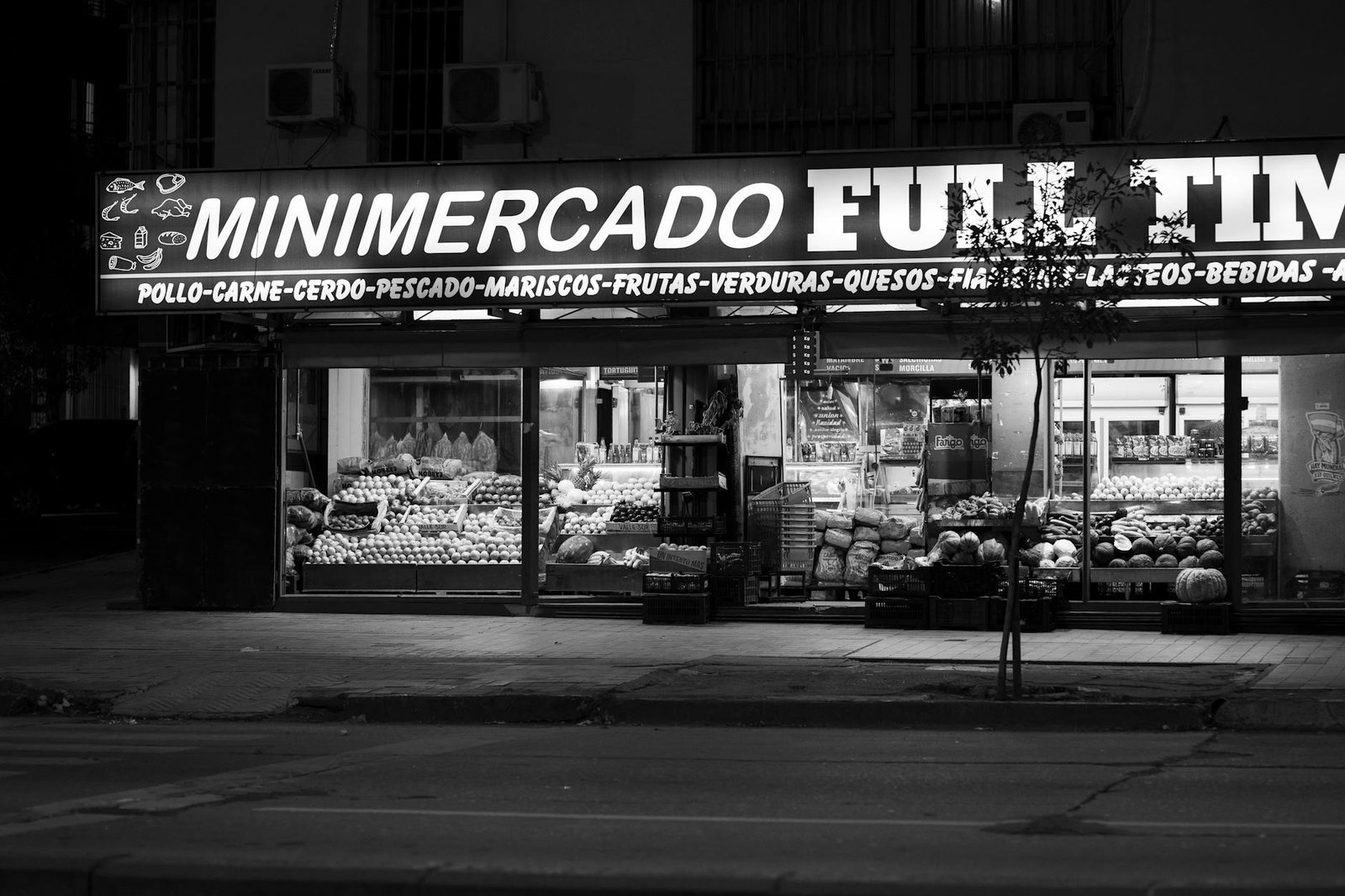
Don’t miss buñuelos de bacalao (cod fritters) or espinacas con garbanzos served as street food snacks. You’ll also find churros con chocolate for breakfast or dessert at countless street vendors—the chocolate here is rich, thick, and absolutely indulgent. For a unique Cordoban experience, try eating these street foods while sitting at a small bar, standing among locals, nursing a caña (small beer) or a glass of local wine. This is how Cordobans truly eat, and it’s where you’ll find the most authentic flavors and the friendliest interactions.
Best Restaurants: Where Tradition Meets Innovation
For fine dining, Bodegas Campos is an institution in Cordoba, housed in a historic bodega with barrel-lined walls and an atmosphere dripping with authenticity. Their salmorejo is legendary, and their wine selection showcases some of Spain’s finest bottles. Casa Pepe de la Judería offers traditional Cordoban cuisine in the heart of the Jewish Quarter, with charming outdoor seating perfect for people-watching. El Choco, a more contemporary establishment, combines local ingredients with modern culinary techniques, earning respect from both traditionalists and food adventurers alike.
For a more casual experience, Casa Pepe de la Judería is a beloved tavern by the Mezquita, serving salmorejo, flamenquín, rabo de toro and fried aubergine since 1928, while Taberna San Clemente offers excellent traditional dishes in a cozy setting. Lamberto offers contemporary takes on classic recipes. Each of these establishments represents different facets of Cordoba’s food scene, from deeply traditional to thoughtfully innovative, ensuring that every visitor can find their perfect dining experience.
Olive Oil: Liquid Gold of the Region
Cordoba province is one of Spain’s most important olive oil producing regions, and understanding local olive oil is essential to appreciating Cordoban cuisine. The region produces extra virgin olive oils with distinctive flavor profiles—grassy, herbaceous notes from early-harvest oils, and richer, buttery characteristics from later harvests. Many restaurants proudly highlight which local oil they use, and specialty shops throughout the city sell bottles from local producers. Visiting an oil mill or attending a tasting session can deepen your appreciation for this fundamental ingredient that appears in virtually every Cordoban dish.
The quality of local olive oil is so exceptional that many locals simply enjoy it drizzled over warm bread, paired with a glass of wine. This simple preparation perfectly demonstrates the pride Cordobans take in their products. Many restaurants offer bread with olive oil as a complimentary starter, and it’s worth savoring rather than rushing through—this is where you’ll taste the essence of Cordoba’s agricultural heritage.
Best Food Tours: Expert-Guided Culinary Experiences
For travelers who want structured, expert-guided experiences, several excellent food tour options are available. Viator offers multiple Cordoba food tours, including walking tours of the Jewish Quarter with tastings at local bars, as well as market tours that combine shopping with cooking demonstrations. GetYourGuide features similar options, with tours ranging from two-hour casual walks to full-day experiences that include market visits, restaurant meals, and cultural context about Cordoba’s diverse culinary heritage. These tours are led by knowledgeable local guides who can explain the historical and cultural significance of each dish while introducing you to hidden gems that tourists often miss.
Private cooking classes are also available through local culinary schools, where you’ll prepare traditional dishes in a professional kitchen or home setting, then enjoy the fruits of your labor. These experiences offer deeper cultural immersion and the opportunity to learn authentic techniques from locals who’ve been cooking these dishes their entire lives. Whether you choose a group tour or a private experience, guided food experiences in Cordoba consistently receive high ratings from visitors seeking authentic, well-organized culinary adventures.
When to Visit for Food: Seasonal Highlights and Festivals
Cordoba’s food scene shifts with the seasons, each offering distinct culinary highlights. Spring brings fresh asparagus, artichokes, and the beginning of lighter gazpachos and salmorejo season. Summer is peak time for cold soups and refreshing drinks, while autumn offers game dishes, mushroom preparations, and harvest vegetables. Winter brings hearty stews, warming soups, and the height of cured meat season. The city celebrates food culture throughout the year, with various festivals showcasing local products and traditions.
May is an excellent time to visit, as the weather is perfect for outdoor dining and the city celebrates various food-related events. September through October offers pleasant temperatures and autumn specialties. If possible, avoid the most extreme summer heat (July-August) unless you particularly enjoy very hot weather, as it can be uncomfortable for extensive food exploration. Regardless of when you visit, Cordoba’s food scene remains spectacular, with seasonal ingredients ensuring that you’ll always enjoy fresh, authentic flavors that reflect the time of year.



Book a Food Experience in Cordoba
Handpicked experiences — book with free cancellation and instant confirmation.
Explore More Food Tours
More food guides from Spain:
- Palma Food Tour Guide
- Valencia Food Tour Guide
- Barcelona Vegan Food Guide: Best Plant-Based Experiences 2026
- Granada Food Tour Guide
You might also enjoy:
- Strasbourg Food Tour Guide (France)
- Turin Food Tour Guide (Italy)
Featured in:
Frequently Asked Questions
What is the typical cost of a food tour in Córdoba?
Most guided food tours in Córdoba range from €35 to €75 per person, depending on the tour length and number of tastings included. Premium tours with wine pairings or private guides can reach €100-150 per person. Many tours include 5-8 food stops with samples at local restaurants and markets.
How long do food tours in Córdoba typically last?
Standard food tours in Córdoba last between 2.5 to 4 hours, covering the city's historic quarters on foot. Some full-day gastronomic experiences can extend to 6-8 hours, including market visits and cooking classes. Evening tapas tours typically run 2-3 hours starting around 6 PM.
What local Córdoba foods should I expect to taste on a food tour?
You'll encounter signature Córdoba dishes like salmorejo (thicker gazpacho with jamón and cheese), espinacas con garbanzos (spinach with chickpeas), and rabo de toro (oxtail soup). Expect local jamón ibérico, fresh cheeses, and Córdoba's famous queso de cabra (goat cheese), along with traditional mojama (salt-cured tuna). Desserts often include torrijas and local pastries paired with sweet Montilla-Moriles wine.
Which neighborhoods in Córdoba offer the best street food experience?
The Jewish Quarter (Judería) is ideal for traditional tapas bars and hidden courtyards serving authentic local food. San Basilio, near the Alcázar, offers excellent street food vendors and casual restaurants with local specialties. The area around the Mezquita Cathedral has numerous tapas bars, while Barrio del Campo offers a more authentic, local atmosphere away from tourist crowds.
What tips should I know about dietary restrictions on Córdoba food tours?
Inform your tour operator in advance about vegetarian, vegan, gluten-free, or allergy needs—most reputable tours can accommodate with prior notice. Córdoba's abundance of chickpea dishes, fresh vegetables, and local cheeses makes vegetarian options relatively easy to arrange. For severe allergies or restrictions, consider booking private tours or requesting custom itineraries focused on specific restaurants that can guarantee ingredient safety.