Limassol Food Guide – Where to Eat Like a Local
Limassol, Cyprus: The Ultimate Food Guide
Introduction to Limassol’s Culinary Scene
Limassol, Cyprus’s vibrant second-largest city, is a hidden gem for food enthusiasts seeking authentic Mediterranean flavors and innovative culinary experiences. Located on the southern coast, this bustling port city perfectly blends traditional Cypriot cuisine with contemporary dining trends, making it an increasingly popular destination for gastronomic travelers. The city’s food culture reflects centuries of history, influenced by Greek, Turkish, and Middle Eastern traditions, resulting in unique dishes you’ll struggle to find anywhere else in the world.
The local food scene extends beyond just restaurants—it’s woven into the daily fabric of life here. From family-run tavernas serving recipes passed down through generations to trendy modern eateries, Limassol offers something for every palate and budget. Whether you’re exploring the Old Town’s winding streets or dining along the picturesque marina, you’ll discover that food in Limassol is more than sustenance; it’s a celebration of culture, community, and passion.
Traditional Cypriot Dishes You Must Try
No visit to Limassol is complete without sampling halloumi, Cyprus’s most famous export. This squeaky cheese is best enjoyed grilled or fried until golden brown, often served with watermelon or honey for a delightfully contrasting sweet-savory combination. You’ll find it in virtually every restaurant, but the quality varies significantly—seek out establishments using locally-produced halloumi for an authentic experience that captures the essence of Cypriot culinary tradition.
Beyond halloumi, indulge in kleftiko, a slow-roasted lamb wrapped in parchment that falls off the bone with the gentlest touch. Kolokasi, a traditional root vegetable similar to taro, appears in hearty stews and meze platters. Souvlaki and sheftalia (spiced minced meat wrapped in intestines) are quintessential street foods that showcase the island’s mastery of grilled meats. Don’t miss traditional meze spreads featuring tzatziki, melitzanosalata (eggplant dip), taramosalata (fish roe spread), and various olives that exemplify Mediterranean simplicity at its finest.
Exploring Limassol’s Markets and Food Stalls
The Municipal Market of Limassol, located near the Old Town, is a sensory explosion worth experiencing. Narrow aisles overflow with seasonal produce, freshly caught fish, aromatic herbs, and local cheeses. The market is busiest in early mornings when vendors are setting up their stalls with colorful displays of tomatoes, cucumbers, citrus fruits, and wild greens. It’s the perfect place to interact with locals, sample free tastes of cheese or olives, and purchase ingredients for a picnic along the coast.
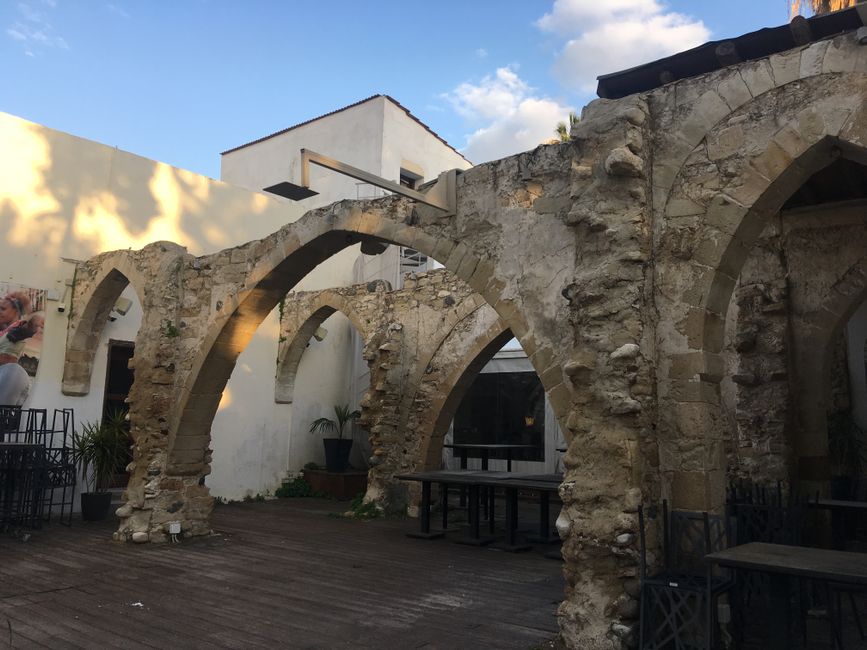
Wandering through the market, you’ll encounter vendors selling traditional sweets like loukoumades (honey puffs) and galaktoboureko (custard pastry), alongside fresh squeezed orange juice and Cyprus coffee. The Old Town’s streets are lined with smaller food shops and delis where you can grab traditional cheese pies, spinach pies, and meat pies—perfect for casual lunch explorations. These establishments often operate family businesses spanning decades, preserving authentic recipes and techniques.
Top Street Food in Limassol
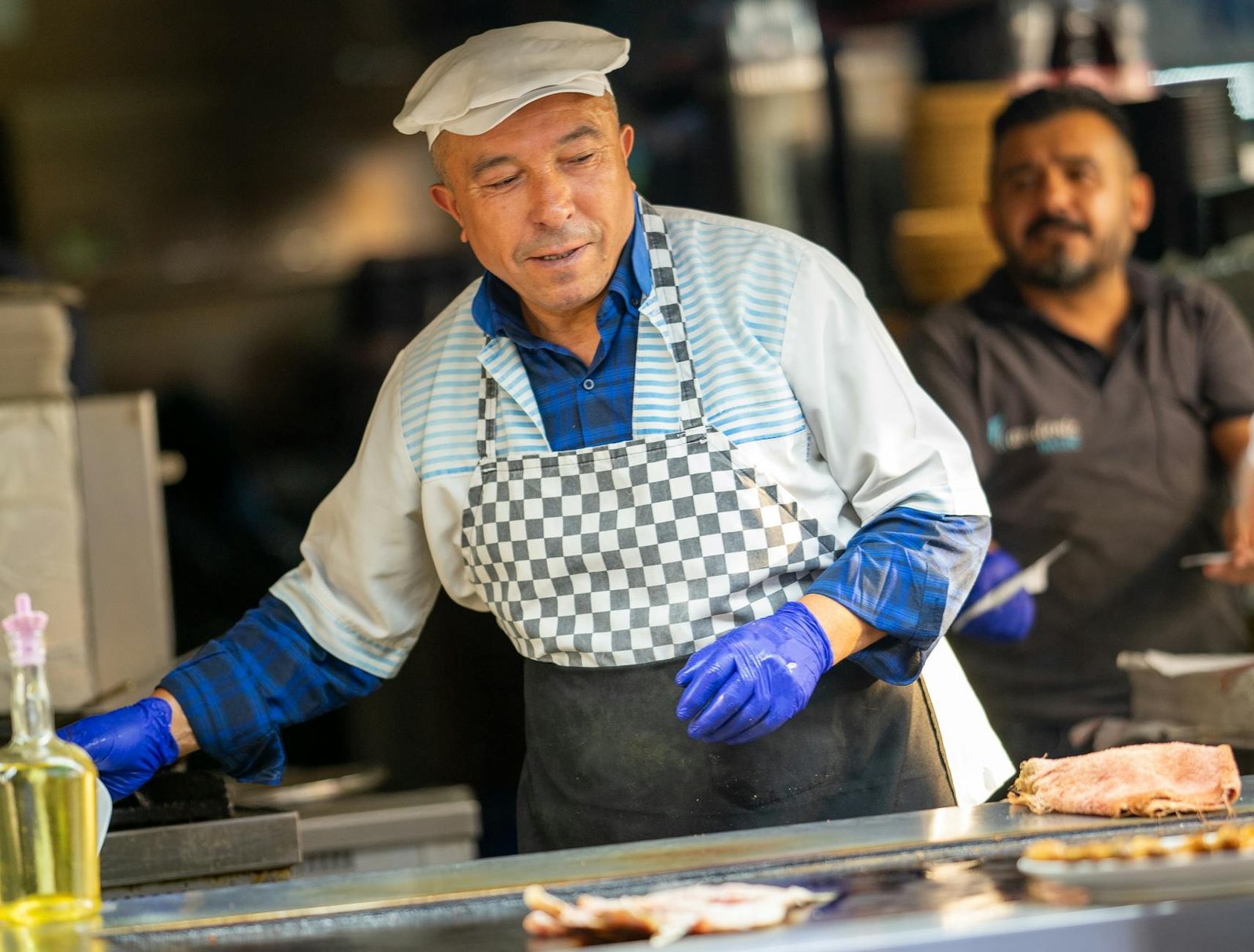
Souvlaki stands dot the streets of Limassol, particularly near the Old Town and the waterfront promenade. These chargrilled meat skewers come wrapped in warm pita bread with fresh tomatoes, onions, and tzatziki sauce. Order them with extra lemon—the citrus brightens the smoky, charred flavors beautifully. Sheftalia, though slightly less common, deserves equal attention; these meat cylinders wrapped in caul fat are intensely flavorful and perfectly complement a cold Cypriot beer on a warm evening.
For something sweeter, seek out loukoumades from street vendors—these golden, puffy donuts drizzled with honey and sprinkled with cinnamon are dangerously addictive. Pastries like spinakotyropita (spinach and cheese pie) and kreatopita (meat pie) are available from bakeries throughout the city and make excellent breakfast or light lunch options. The Molos waterfront area is particularly rich with street food vendors, making it ideal for casual grazing while enjoying sea views.
Best Restaurants in Limassol
For authentic family-style dining in the village of Fasoula outside Limassol, Taverna Areti (at Yiannaki Aeroporous 5) serves Cypriot meze alongside lamb and pork roasted for five hours, in the tradition of genuine village hospitality. For authentic family-style dining, Ta Pedia Tis Marias in the Old Town serves generously portioned meze and grilled meats in a charming, unpretentious atmosphere that captures traditional Cypriot hospitality perfectly.
For seafood lovers, Karatello Tavern offers fresh catch prepared simply—grilled fish with olive oil, lemon, and local herbs. For international cuisine with local ingredients, Bunch is a contemporary restaurant that creatively fuses Mediterranean and global flavors. These establishments range from casual to upscale, accommodating various budgets and dining preferences.
Eating Your Way Around Limassol
There are no bookable guided food tours in Limassol through the major platforms right now. What you can do instead is explore the food scene on your own terms, which honestly isn’t a bad deal. The Old Town market area and the municipal market near the seafront are good starting points. Pick up halloumi straight from a stall, find a small meze spot on a side street, and let the afternoon unfold. You’ll cover more ground and spend less money than any organized tour would cost you.
If you want something bookable with a guide, the Limassol Cruise Terminal Traditional and Modern tour gives you a structured look at the city that touches on local culture and food stops along the way. The Troodos Mountains and Villages day trip is also worth considering if you want to see where a lot of the island’s wine and cheese actually comes from. Neither is a dedicated food tour, but both put you in places where eating well is part of the experience.
Wine and Beverage Culture
Cyprus has a remarkable wine heritage, and Limassol serves as the hub for exploring it. The city hosts numerous wine shops and tasting rooms where you can sample local varieties like Xinisteri (white) and Mavro (red). Commandaria wine, produced in nearby mountain villages, is one of the world’s oldest named wines with a protected designation of origin. Many restaurants offer extensive local wine lists, and knowledgeable servers can recommend pairings with traditional dishes.
Beyond wine, Cyprus coffee is a cultural experience itself. Traditional Cypriot coffee, similar to Greek coffee, is served in small cups with grounds remaining at the bottom—sip slowly and savor. Zivania, a potent local spirit distilled from grapes, represents island hospitality; it’s often offered as digestif after meals. Cold beverages like freshly squeezed orange juice and traditional lemonade provide refreshing alternatives to alcohol during warm Mediterranean days.
When to Visit for Food
September through November represents the optimal season for culinary tourism in Limassol. The summer heat subsides, making market exploration and street food enjoyment more comfortable. Fall harvest brings peak seasonal produce—grapes, figs, pomegranates, and various vegetables appear in their finest form. The city’s numerous wine festivals during autumn celebrate the grape harvest, offering tastings and pairings throughout the region.
Spring is a genuinely good time to eat in Limassol. Easter brings roasted lamb, seasonal vegetables, and pastries you won’t find any other time of year. Summer gets crowded and prices rise along the waterfront, though eating late at an outdoor table with the sea nearby is hard to argue with. Winter is quieter and some spots scale back their hours, but the locals-only tavernas stay open and that’s usually where the better food is anyway. Check what festivals are on before you book your dates.


Book an Experience in Limassol
Handpicked experiences — book with free cancellation and instant confirmation.
Explore More Food Tours
More food guides from Cyprus:
You might also enjoy:
- Corfu Food Tour Guide (Greece)
- Mykonos Food Tour Guide (Greece)
- Rhodes Food Tour Guide (Greece)
- Santorini Food Tour Guide (Greece)
- Thessaloniki Food Tour Guide (Greece)
Frequently Asked Questions
Are there food tours in Limassol?
No. There are currently no bookable guided food tours in Limassol on the major tour platforms. Your best option is to explore independently, starting with the Old Town and the municipal market. If you want a guided experience, the Limassol city tour from the cruise terminal covers local culture and includes some food context.
How much should I budget for eating well in Limassol?
A solid meze lunch at a traditional taverna will run you roughly €15 to €25 per person including wine. Street food and market snacks are much cheaper. Fine dining along the waterfront can push well past €50 a head. Self-guided eating is flexible and usually better value than any packaged experience.
What local dishes should I try in Limassol?
Halloumi is the obvious one, but try it fresh rather than the packaged export version. Meze is worth doing properly at least once, a long spread of small dishes that keeps arriving. Loukoumades, small fried dough balls with honey, are a good street snack. Local Commandaria wine is worth trying too, especially if you get up to the Troodos villages.
What is the best area for street food in Limassol?
The municipal market near the old town centre is your best starting point. The streets around the old port have a mix of traditional spots and newer cafes. Avoid the obvious tourist strips along the main seafront promenade if you want better food at fairer prices. Walk one or two blocks inland and things improve noticeably.
Are dietary restrictions easy to manage when eating in Limassol?
Generally yes. Vegetarians do fine since meze naturally includes a lot of vegetable and cheese dishes. Vegans have a harder time but it's manageable if you ask ahead. Gluten-free is trickier in traditional spots. Always mention your requirements directly to staff rather than assuming, and most places will work with you.