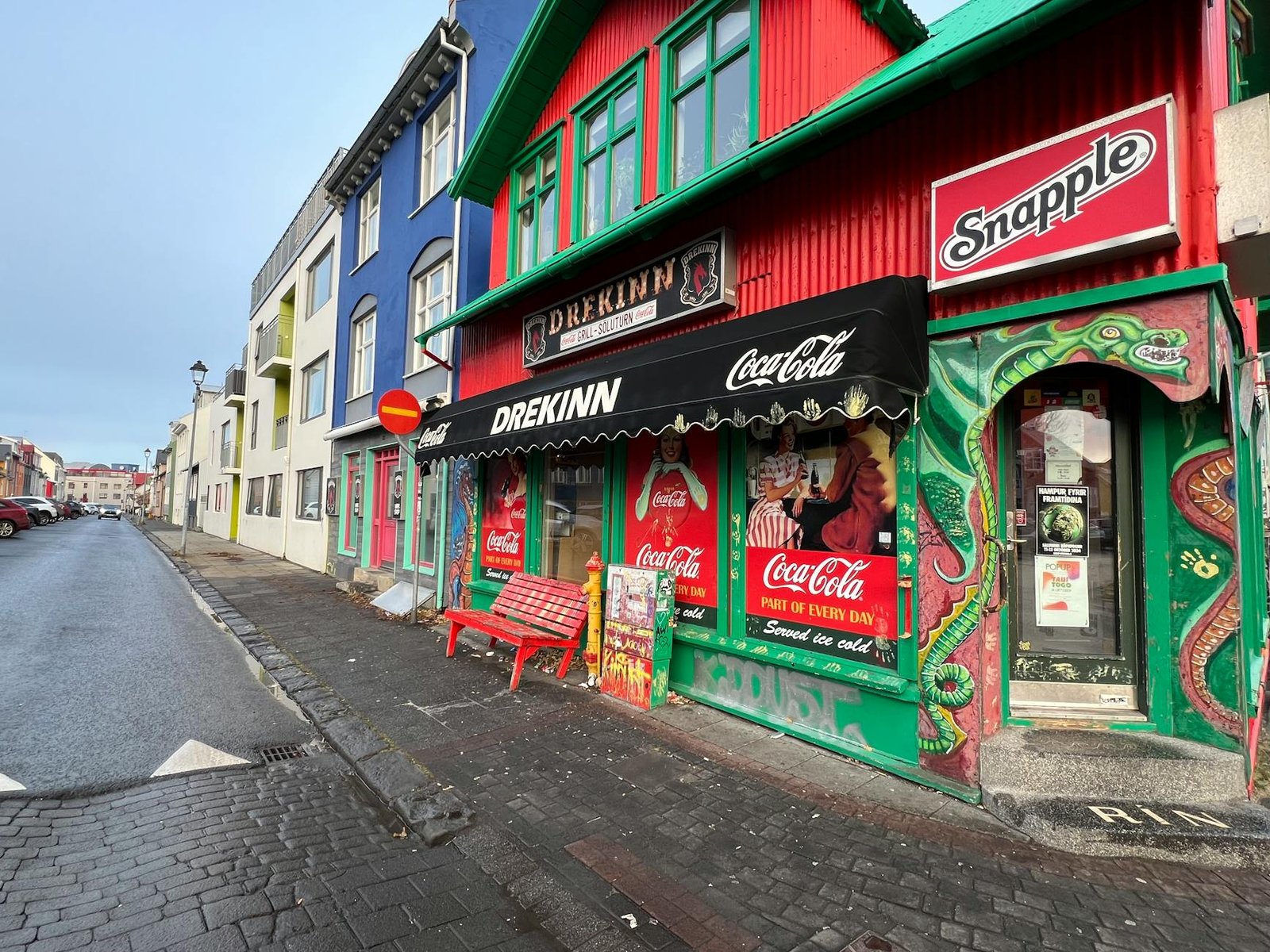
Reykjavik Food Tour – Best Local Food & Restaurants
Reykjavik, Iceland: The Ultimate Food Guide
Introduction to Reykjavik’s Culinary Scene
Reykjavik, Iceland’s vibrant capital, has transformed into one of Europe’s most exciting culinary destinations over the past decade. Once known primarily for its Viking heritage and geothermal landscapes, this Nordic gem now boasts a thriving food culture that celebrates local ingredients, innovative cooking techniques, and sustainable practices. The city’s food scene is deeply rooted in Iceland’s harsh climate and agricultural traditions, resulting in dishes that are both hearty and refined.
The Icelandic approach to food emphasizes quality over quantity, with chefs sourcing from local farms, fisheries, and foragers whenever possible. In Reykjavik, you’ll find everything from traditional turf-roofed restaurants serving centuries-old recipes to ultra-modern establishments pushing culinary boundaries. Whether you’re exploring the historic Old Harbor district or wandering through trendy neighborhoods like 101 and Laugavegur, exceptional food experiences are never far away.
Traditional Icelandic Cuisine and Historic Dishes
Icelandic food traditions have been shaped by isolation, long winters, and limited agricultural resources. One of the most iconic dishes is plokkfiskur, a hearty fish stew made with fresh Icelandic cod, potatoes, and onions in a creamy sauce. This comforting classic appears on menus throughout Reykjavik and represents the country’s deep connection to the sea. Another traditional favorite is lamb, which Icelanders have been raising for over 1,000 years. Slow-roasted Icelandic lamb, seasoned simply with salt and herbs, showcases the exceptional quality of local livestock that graze on pesticide-free pastures.

For the truly adventurous, Reykjavik offers unique traditional foods that have been enjoyed since Viking times. Hákarl, fermented shark, is perhaps the most infamous—its pungent aroma and acquired taste make it a dare for many visitors. Kjötsúpa, a traditional lamb soup, warms locals through brutal winters with its rich broth and tender meat. You’ll also find rye bread baked using geothermal heat from Iceland’s hot springs, creating a distinctive sweet flavor. Visit restaurants like Icelandic Fish and Chips or Apotek to experience both traditional dishes and modern interpretations in welcoming settings.
Fresh Seafood and the Old Harbor District
Reykjavik’s Old Harbor, known locally as the Óstiðan, is the beating heart of the city’s seafood culture. Once a working fishing harbor, it has evolved into a picturesque neighborhood lined with colorful buildings housing restaurants, galleries, and shops. The harbor’s position on the Atlantic Ocean means fish and seafood arrive daily, guaranteeing exceptional freshness at local establishments. Arctic char, haddock, plaice, and langoustine are staples on menus throughout the area, prepared simply to highlight their delicate flavors.
The Sea Baron (Sægreifinn) is perhaps the most iconic seafood spot in the harbor, where visitors queue for freshly grilled fish on skewers and creamy seafood soup served in bread bowls. For a more upscale experience, try Fish Market or Messinn, both housed in charming harbor-front buildings. Don’t miss the opportunity to try Iceland’s famous langoustine, particularly during summer months when they’re in season. The seafood here isn’t just delicious—it tells the story of Iceland’s maritime heritage and the fishermen who brave the North Atlantic to bring these treasures to shore.
Top Street Food and Quick Bites
Despite its small size, Reykjavik’s street food scene offers authentic flavors and quick culinary adventures. Iconic Icelandic hot dogs from stands like Bæjarins Beztu have gained legendary status, with locals and tourists alike lining up for these simple yet perfectly executed snacks topped with crispy onions, fresh onions, remoulade, and Icelandic lamb sausage. The hot dog stand, located near the Old Harbor, has been serving customers since 1936 and remains an essential Reykjavik experience. Another must-try is fresh fish and chips from local vendors, which provides a lighter, healthier alternative to traditional fast food.

Wander through the city’s neighborhoods and you’ll discover fusion food trucks and casual eateries reflecting Reykjavik’s multicultural population. Look for signs advertising fresh shellfish, lobster soup, or homemade pastries. The Saturday morning farmers market, held at various locations throughout the year, offers prepared foods and ready-to-eat items featuring local ingredients. Don’t overlook small bakeries tucked throughout the city—Icelandic sourdough bread, cinnamon rolls, and pastries filled with local berries make perfect grab-and-go options while exploring.
Best Restaurants in Reykjavik
Reykjavik’s restaurant scene caters to every budget and preference, from cozy neighborhood bistros to internationally acclaimed fine dining establishments. Dill Restaurant earned a Michelin star by showcasing local Icelandic ingredients through creative, modern Nordic cuisine—expect dishes featuring foraged herbs, local game, and fresh fish prepared with remarkable technique. For a slightly more casual but equally impressive experience, Snaps Bistro offers French-inspired Nordic cuisine in the charming Laugavegur neighborhood, with an impressive wine list and warm atmosphere.
If you’re seeking traditional Icelandic fare in an authentic setting, Icelandic Fish and Chips combines heritage recipes with modern sensibilities, while The Laundromat Café serves comfort food in a quirky, vintage setting that feels like dining in a friend’s living room. For seafood lovers, Antico offers Italian cuisine with Icelandic ingredients, creating a unique fusion of Mediterranean tradition and Nordic freshness. Budget-conscious travelers will appreciate casual gems like Kol Restaurant, where quality food comes without pretension or excessive pricing.
Geothermal Cuisine and Unique Dining Experiences
Iceland’s abundant geothermal energy influences its cuisine in fascinating ways. The most famous example is Iceland’s geothermal bakeries, which use steam from hot springs to bake rye bread buried underground for hours. You can experience this unique culinary tradition at restaurants and bakeries throughout Reykjavik that serve authentic geothermal bread. Some establishments even offer experiences where you can witness the baking process or enjoy bread straight from the earth. This ancient cooking method creates bread with a distinctive sweet flavor and dense texture that modern ovens simply cannot replicate.
Beyond bread, geothermal energy shapes Icelandic agriculture, allowing farmers to grow fresh vegetables year-round in heated greenhouses. Reykjavik’s restaurants celebrate this bounty with seasonal menus featuring local tomatoes, cucumbers, and herbs that taste remarkably fresh and vibrant. The city’s commitment to sustainability means many restaurants work directly with local farms, sometimes even featuring the farm names on menus to trace ingredients back to their source.
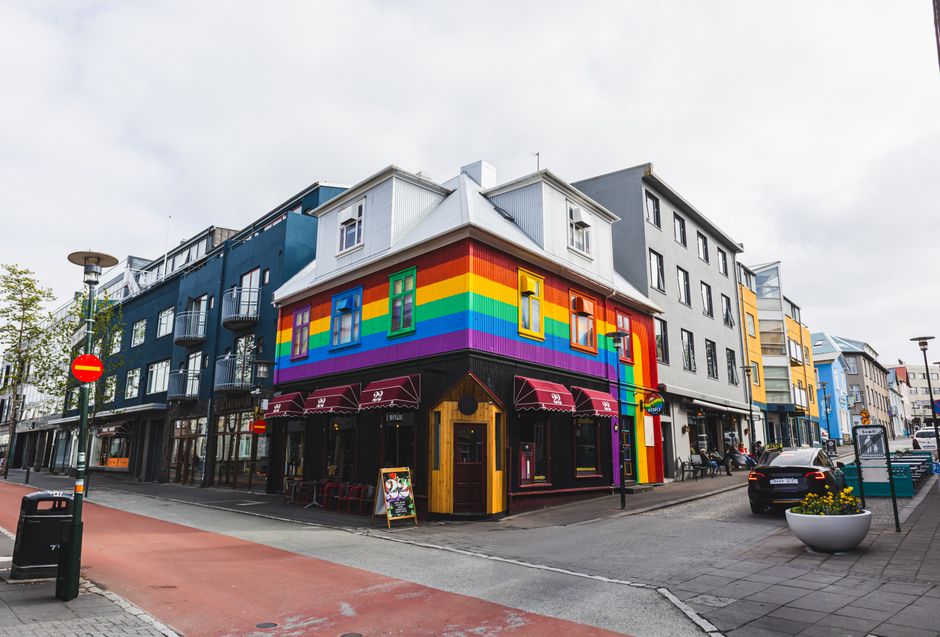
Best Food Tours in Reykjavik
For visitors wanting expert-guided culinary experiences, several platforms offer exceptional food tours throughout Reykjavik. Viator provides comprehensive food walking tours that combine history and cuisine, often including stops at local markets, restaurants, and street food vendors with knowledgeable guides explaining Icelandic traditions. GetYourGuide offers similarly curated experiences, including Harbor food tours, traditional cuisine tastings, and cooking classes where you can learn to prepare authentic Icelandic dishes. Both platforms feature highly-rated operators who can accommodate dietary restrictions and customize tours based on interests.
These guided tours typically last 2-4 hours and cover neighborhoods like the Old Harbor, 101, and Laugavegur while providing cultural context and historical background about Icelandic cuisine. Many tours include multiple tastings and meals, making them worthwhile investments that often cost less than eating independently while providing insider knowledge about restaurant quality and local favorites.
When to Visit for Food
Reykjavik’s food scene thrives year-round, but different seasons offer distinct culinary experiences. Summer months (June-August) feature fresh vegetables, berries, and lighter preparations as the midnight sun energizes the city. This season brings outdoor dining, farmers markets bursting with local produce, and special seasonal dishes celebrating lamb and fresh fish. Winter (December-February) emphasizes heartier, warming foods like soups and stews, while local hunting season brings game to restaurant menus. The winter solstice festival celebrates dark rye bread and traditional comfort foods, making it an ideal time to experience Iceland’s culinary heritage.
Spring and autumn offer moderate weather and shoulder-season prices while maintaining excellent food quality. September offers early hunting season game, while May brings fresh seafood as fishing season peaks. The annual Iceland Airwaves festival in October combines live music with gourmet dining experiences across the city, making it an excellent time for food enthusiasts to visit.


Book a Food Experience in Reykjavik
Handpicked experiences — book with free cancellation and instant confirmation.
Explore More Food Tours
More food guides from Iceland:
You might also enjoy:
- Odense Food Tour Guide (Denmark)
- Aarhus Food Tour Guide (Denmark)
- Copenhagen Food Tour Guide (Denmark)
- Oslo Food Tour Guide (Norway)
- Stavanger Food Tour Guide (Norway)
Featured in:
Frequently Asked Questions
How much does a food tour in Reykjavik cost?
Food tours in Reykjavik typically range from €25 to €80 per person for a guided group tour. Private tours and premium culinary experiences can cost more, while self-guided food walks are often free or low-cost.
How long do food tours in Reykjavik last?
Most guided food tours in Reykjavik last between 2 and 4 hours and include multiple tasting stops. Walking food tours tend to run around 3 hours, while sit-down dining experiences may last longer.
What local dishes should I try on a Reykjavik food tour?
A food tour in Reykjavik is the best way to discover authentic local specialties. Your guide will take you to street food markets, traditional restaurants, and neighbourhood gems that locals love — dishes you would never find on your own.
What is the best area for street food in Reykjavik?
The best areas for street food and local cuisine in Reykjavik are usually found in the old town, central food markets, and traditional neighbourhoods away from the main tourist hotspots. A local food guide will show you exactly where to go.
Are food tours in Reykjavik suitable for people with dietary restrictions?
Most food tour operators in Reykjavik can accommodate vegetarian, vegan, halal, and gluten-free diets with advance notice. Always inform your guide of any dietary requirements when booking so they can plan the best route for you.