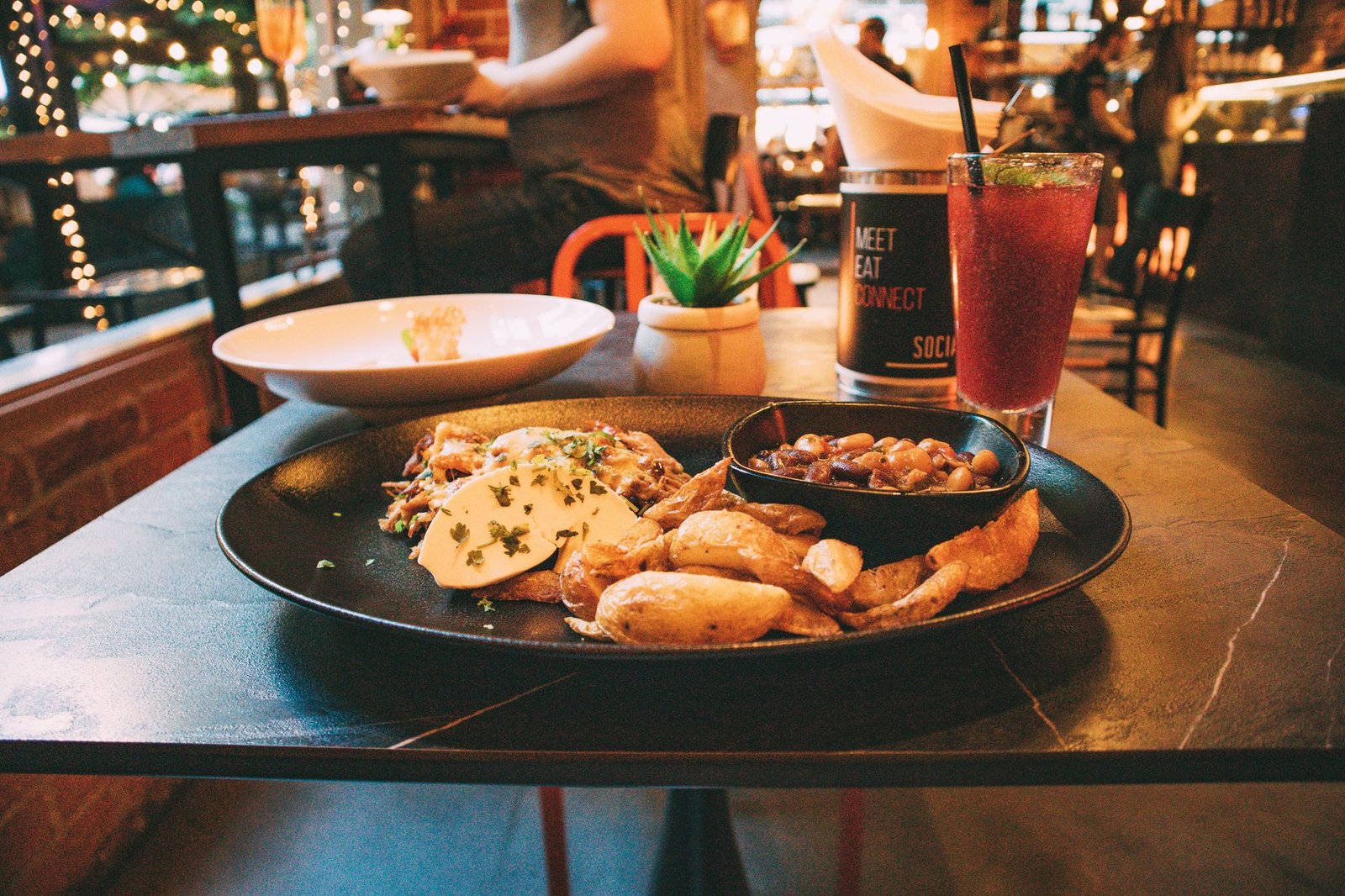
Szeged Food Guide 2026: Where to Eat Like a Local
Szeged Is Serious About Food — And You Should Be Too
Planning to eat your way through Szeged in 2026? You’ve landed on what many Hungarians quietly consider their country’s most underrated eating city. Budapest gets the hype, but Szeged gets the fish soup right. This city on the Tisza River has been cooking with locally grown paprika since the 18th century, and that’s not marketing — you can smell it the moment you walk into any proper market hall here.
Start at Mars Tér Market — Before 10am
Mars Tér covered market is where Szeged actually shops. Get there by 8:30am if you want to see it properly. By 11am the vendors start packing down and the magic fades. You’ll find dried paprika ropes hanging from the stalls, homemade lard spreads called zsír, pickled vegetables in enormous jars, and older women selling cottage cheese by the scoop. A bag of sweet paprika powder costs around 600–800 HUF. Buy some. It’s genuinely better than anything you’ll find in Budapest airport.
Don’t skip the bread stall near the east entrance — thick, seeded rye loaves that cost almost nothing. Grab one and eat it on the walk back to town. No butter needed.
Halászlé: The Dish You Cannot Leave Without Eating
Szeged’s fish soup — halászlé — is a genuinely polarising dish. It’s intensely rich, fiery red from paprika, and full of freshwater fish like carp and catfish. The bones stay in. That’s the point. Szeged-style is thicker and spicier than the Baja version, and locals will absolutely tell you theirs is superior.
Where to Eat Halászlé in Szeged
- Halászcsárda (Roosevelet tér 12) — The classic tourist option, which doesn’t mean it’s bad. The soup here is authentic, the terrace overlooks the river, and a bowl with bread runs about 2,800–3,200 HUF. It’s busy, yes, but deservedly so.
- Vendéglő a Régi Híd Helyén — Smaller, rougher around the edges, beloved by locals who work near the waterfront. No English menu, but pointing works fine and the soup costs less.
- Kiskőrössy Halászcsárda — The fish house on the north bank of the Tisza, better for a sit-down lunch where the Szeged-style halászlé is blended and simmered for about four hours until the broth thickens, then finished with fillets.
Street Food and Quick Bites Worth Knowing
Szeged’s street food scene is modest compared to Budapest, but there are specific things worth tracking down. Lángos — deep-fried dough topped with sour cream and cheese — shows up near Mars Tér and around the university area. A decent one costs 600–900 HUF. Avoid the places near the Dóm Cathedral that have laminated photo menus in six languages; those are priced for people who haven’t figured out the exchange rate yet.
Look for kürtőskalács (chimney cake) near Széchenyi tér in the afternoons. The cinnamon version is the one to get. There’s also a small langos cart that parks on Dugonics tér around lunchtime on weekdays — no sign, just a line of university students.
Best Local Restaurants for a Proper Dinner
Pagoda Restaurant
This might surprise you — Pagoda has been serving Chinese-Hungarian fusion long enough that it’s become part of Szeged’s actual food culture. Don’t overthink it. The duck dishes are excellent and main courses run 3,500–5,500 HUF. Book ahead on weekends.
Technically a cultural club that also happens to serve food, this is where local twenty- and thirty-somethings eat on a budget. The menu changes constantly, the portions are large, and you’ll pay maybe 2,000–2,500 HUF for a full meal. It’s not fancy. It’s exactly what you want after a long day of walking.
Old-school Hungarian cooking in a setting that hasn’t changed since approximately 1987. That’s a compliment. The stuffed cabbage here — töltött káposzta — is the best version I’ve had in the region. Order it. Have a Dreher beer. Take your time.
Exploring the Food Scene: What Actually Works Here
Honestly, Szeged is small enough to figure out on your own — and that’s a good thing, because there are no bookable guided food tours here as of 2026. What you can do instead is walk the thing yourself. Mars Tér market in the morning, a halászlé lunch at one of the riverside spots, a paprika tasting at the Belvárosi Piac. The old town is compact and the locals are helpful. If you want a structured day out while you’re based here, a day trip to Timisoara departing from Szeged is genuinely bookable and drops you into a completely different food culture just across the Romanian border.
Practical Tips Before You Go
- Restaurants here often close between 3–6pm, especially outside the main tourist zones. Lunch before 2pm, dinner after 6:30pm.
- Card payments are more widely accepted than they used to be, but carry some forint for market stalls and small lángos carts.
- Sunday markets are quieter — Saturday morning is the best time for Mars Tér.
- The paprika harvest season (September–October) is the absolute best time to eat in Szeged. Prices drop, produce peaks, and locals are in a good mood.
- Most menus in the centre have English translations now, but staff at smaller places may not speak much — Google Translate camera mode earns its keep here.
Szeged rewards slow, curious eating. Don’t try to tick boxes. Sit longer than you planned. Order the thing you can’t pronounce. That’s usually the dish someone’s grandmother actually taught them to make.


Book an Experience in Szeged
Handpicked experiences — book with free cancellation and instant confirmation.
Explore More Food Tours
More food guides from Hungary:
You might also enjoy:
- Brasov Food Tour Guide (Romania)
- Bucharest Food Tour Guide (Romania)
- Cluj-Napoca Food Tour Guide (Romania)
- Kosice Food Tour Guide (Slovakia)
Featured in:
Frequently Asked Questions
What is the must-try dish in Szeged and where is the best place to eat it?
Szeged is the undisputed home of halászlé, a fiery paprika-spiced fish soup made with freshwater carp from the Tisza River. The most authentic versions are served at Vendéglő a Régi Hídhoz on Oskola utca and Halászcsárda near the riverside, where it arrives bubbling in a traditional clay pot. Locals insist on ordering the 'Szegedi' version, which is significantly spicier and richer than the milder Bajai style.
Is Szeged affordable for food compared to Budapest?
Yes, Szeged is noticeably cheaper than Budapest, with a hearty main course at a traditional étterem (restaurant) costing roughly 2,500–4,500 HUF in 2026. Street food staples like lángos and kürtőskalács from the covered market on Mars tér run under 1,000 HUF. Even sit-down lunches at local favorites rarely exceed 6,000 HUF including a glass of local Tisza wine.
Where do locals actually shop for food ingredients in Szeged?
The go-to spot is the Belvárosi Piac on Széchenyi tér, a covered market open every morning Tuesday through Sunday where vendors sell Pick salami, házi paprika powder, fresh túró (curd cheese), and seasonal produce. Serious cooks also visit the larger Mars tér market on the outskirts for bulk paprika and homemade pálinka. Arriving before 9am means the best selection and the chance to chat directly with farmers from surrounding villages.
Are there good vegetarian or vegan options in Szeged?
Szeged's food scene is traditionally meat-heavy, but things have improved considerably by 2026 with spots like Zöld Kapu Bistro near the university offering creative plant-based Hungarian dishes. The markets are excellent for building your own vegetarian meals from fresh cheeses, roasted peppers, and stuffed pastries. Traditional dishes like rántott sajt (fried cheese), túrós táska (sweet curd pastry), and lecsó (paprika-tomato stew) are naturally vegetarian and widely available.
Are there bookable food tours in Szeged?
No, there are currently no bookable food tours in Szeged on Viator, the biggest tour marketplace. The city is small and straightforward enough to explore on your own — the markets, the riverside restaurants, and the old town are all within easy walking distance of each other. If you want a structured experience while you're in the region, a day trip to Timisoara departing from Szeged is bookable and gives you a taste of a completely different food culture just across the border.