Turin Food Guide – Eat Like a Local
“`html
Turin Food Guide: A Culinary Journey Through Italy’s Forgotten Capital
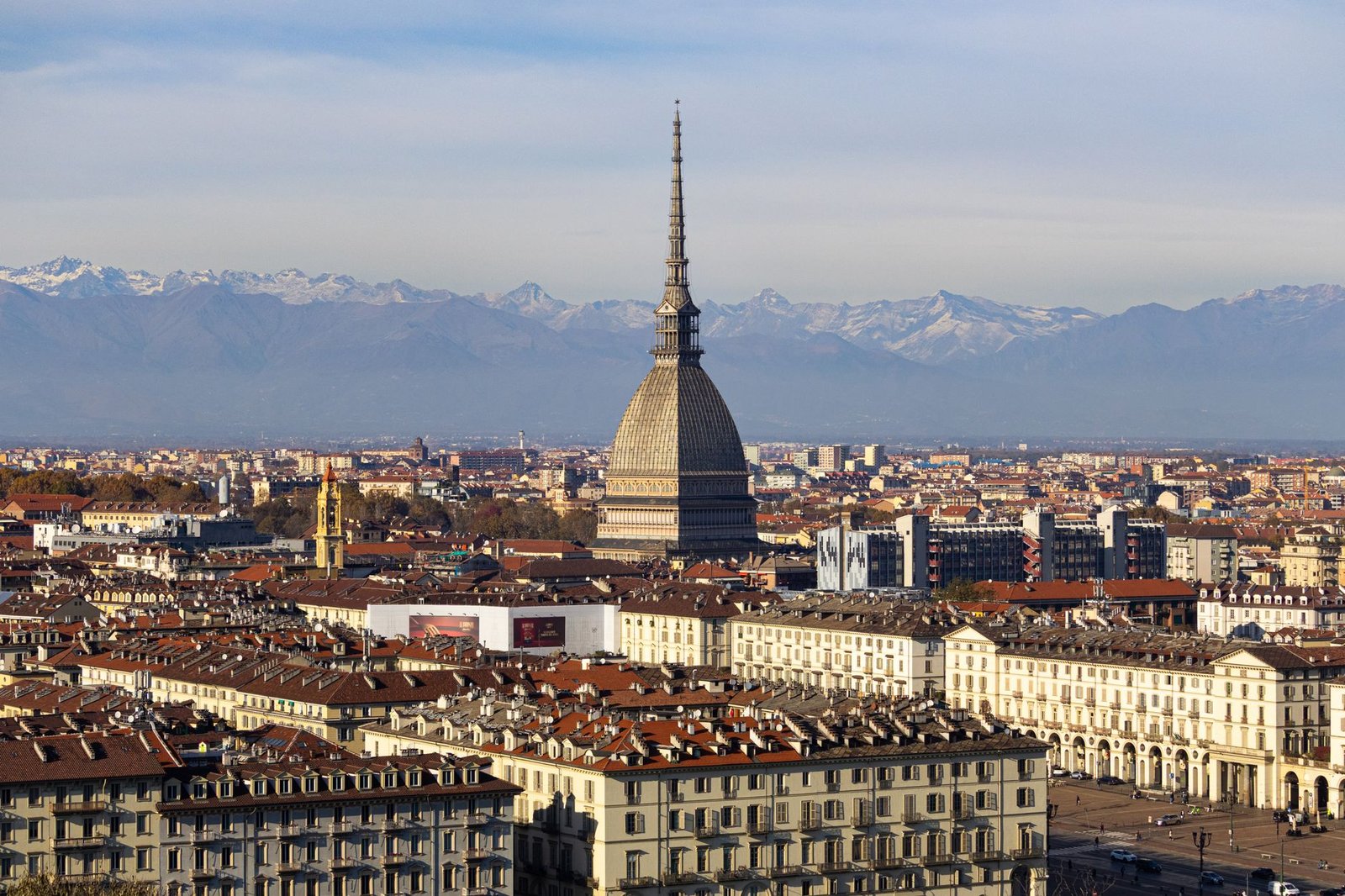
Tucked beneath the snow-capped Alps in the Piedmont region of northwest Italy, Turin is one of Europe’s most underrated food cities. While Rome and Florence steal the culinary headlines, locals and seasoned food travelers know the truth: Turin quietly serves some of the most sophisticated, soulful, and historically rich cuisine on the entire Italian peninsula. This is a city where chocolate was once considered a medicine, where vermouth was invented in a pharmacy, and where the slow food movement was literally born. Welcome to the table.
The History of Turin’s Food Culture
To understand why Turin eats the way it does, you need to understand what it once was. From 1563 to 1865, Turin served as the capital of the Duchy of Savoy and later became the first capital of unified Italy. For three centuries, the city hosted one of Europe’s most powerful royal courts, and that aristocratic legacy left permanent fingerprints on its food culture. The Savoy royal family demanded elegance, refinement, and continental sophistication at their table, and an entire culinary infrastructure grew up around those demands.
French influence runs deep here, which sets Turin apart from the pasta-and-tomato stereotypes of southern Italian cooking. The Piedmontese kitchen leans on butter rather than olive oil, cream rather than passata, and rich mountain ingredients like truffles, hazelnuts, and aged cheeses. The Alps to the north and west provided dairy and game. The Po Valley to the south provided rice, corn, and magnificent market gardens. The result is a cuisine of extraordinary depth and complexity.
The 18th century saw Turin become a center of chocolate production and coffeehouse culture. The city’s historic cafés, known locally as caffè storici, became intellectual salons where writers, politicians, and philosophers debated the future of Italy over tiny cups of espresso and plates of bicerin. Nietzsche famously adored the city. Cavour plotted the Risorgimento here. The cafés were not merely places to drink — they were the living rooms of an entire civilization.
In 1989, the Slow Food movement was founded just 60 kilometers south of Turin in the town of Bra, and it found its natural spiritual home in this region. The Salone del Gusto, now called Terra Madre, is the world’s largest food and wine fair and takes place in Turin every two years, drawing hundreds of thousands of visitors from every corner of the globe. Turin does not simply participate in Italian food culture — in many ways, it defines its intellectual and ethical direction.
Must-Try Foods in Turin
1. Bicerin
If you taste only one thing in Turin, make it a bicerin. This iconic hot drink — its name means “little glass” in Piedmontese dialect — is a layered combination of espresso, thick drinking chocolate, and whole-milk cream, served in a small cylindrical glass without stirring. The ritual is to drink through all three layers simultaneously, letting the flavors mingle on your tongue. It was invented at the Caffè Al Bicerin in Piazza della Consolata, which has been serving the drink since 1763. Alexandre Dumas wrote about it. It has never changed. Order it exactly as it comes and do not ask for modifications.

2. Vitello Tonnato
This is perhaps the most beloved and debated dish in all of Piedmontese cooking, and it is far more magnificent than it sounds on paper. Thinly sliced cold veal is draped with a silky, mayonnaise-based sauce made from canned tuna, capers, anchovies, and lemon. The combination of meat and fish strikes outsiders as unusual, but a single bite erases all skepticism. Great vitello tonnato is delicate, deeply savory, and completely addictive. It is always served as an antipasto, usually at room temperature, and the quality of the veal and the balance of the sauce are the marks of a kitchen that knows what it is doing.
3. Tajarin al Tartufo
Tajarin — pronounced tah-yah-REEN — are Piedmont’s answer to tagliatelle, but made with an extraordinary ratio of egg yolks to flour, sometimes as many as 30 yolks per kilogram of pasta. The result is an intensely golden, rich, and silky noodle with a flavor that puts ordinary pasta to shame. In autumn and early winter, these noodles are served simply with butter and shaved white truffle from nearby Alba. The truffle of the Langhe hills is considered the finest in the world, and in season, a plate of tajarin al tartufo bianco in Turin is one of the great eating experiences available anywhere on earth. Prices reflect this accordingly, but the splurge is entirely justified.
4. Agnolotti del Plin
These tiny, hand-pinched pasta parcels are the crown jewel of Piedmontese pasta-making tradition. The name comes from the local word for the pinch used to seal them — plin. Inside each small pillow is a filling of braised meat, often a combination of veal, pork, and rabbit, cooked slowly with vegetables and aromatics until deeply fragrant. They are traditionally served al sugo d’arrosto — simply with the pan drippings from the roasted meat — which is a masterclass in the philosophy that great ingredients need no decoration. In many Turinese homes, agnolotti del plin still appear every Sunday, made by hand the way grandmothers have always made them.
5. Bagna Cauda
Few dishes capture the communal, earthy spirit of Piedmontese cooking quite like bagna cauda, which translates simply as “hot bath.” A terracotta pot is kept warm at the table over a small flame and filled with a sauce of olive oil, butter, crushed garlic, and anchovies melted together into something pungent, warm, and deeply umami. Raw and cooked vegetables — cardoons, peppers, fennel, cauliflower, Jerusalem artichokes — are dipped into the hot sauce and eaten immediately. It is peasant food elevated to ritual, and it is the kind of dish that demands good wine, good company, and absolutely no plans for the following morning. Garlic breath is non-negotiable and universally forgiven.
6. Gianduiotto Chocolate
Turin is the chocolate capital of Italy, and the gianduiotto is its most famous creation. This small, boat-shaped chocolate is made from a blend of dark chocolate and finely ground Piedmontese hazelnuts, specifically the tonda gentile variety grown in the Langhe hills. The hazelnut was added in the early 19th century when Napoleon’s blockade cut off supplies of cocoa from South America, and local chocolatiers were forced to stretch their supplies with local nuts. The result was not a compromise but a revelation. Today Nutella, invented in nearby Alba by the Ferrero family, is merely the mass-market descendant of this aristocratic tradition. Buy your gianduiotti from Guido Gobino or Caffarel and eat them slowly.
Best Neighborhoods to Eat in Turin
Quadrilatero Romano
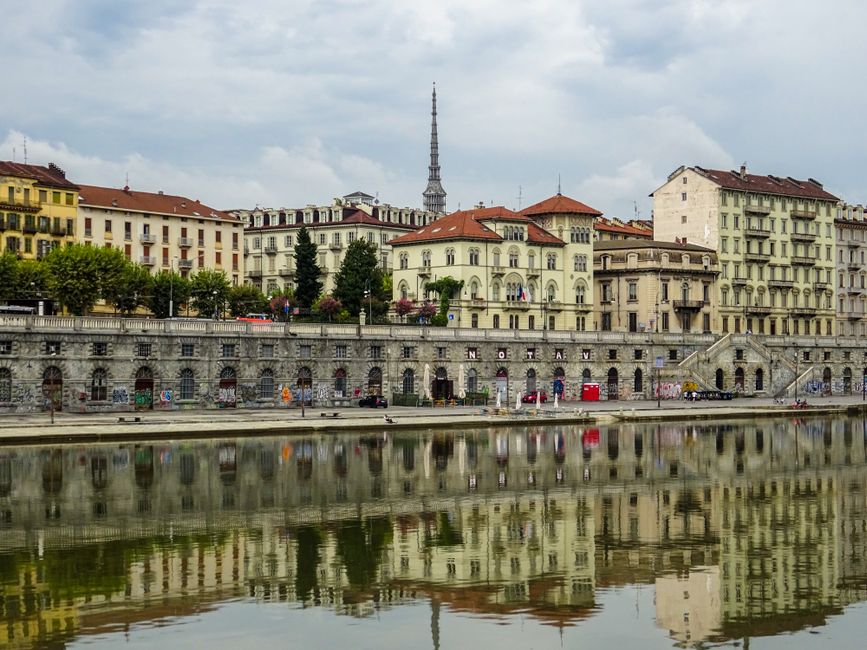
The ancient Roman grid of streets in the heart of the city center is Turin’s most vibrant and densely packed eating neighborhood. Narrow medieval streets open unexpectedly into small piazzas lined with wine bars, enotecas, and traditional osterie. This is the neighborhood for aperitivo culture, for lingering over a glass of Barolo at a marble-topped bar, for discovering tiny restaurants down alleys that have no signage and no website. The pace here is specifically Turinese — unhurried, slightly formal, deeply pleasurable. Come for lunch, stay for dinner, and be in no hurry to leave. Via Sant’Agostino and Via della Consolata are particularly rewarding for restaurant
Ready to Eat Your Way Through Turin?
Skip the tourist traps. Join a local food tour and discover the dishes, markets, and hidden spots that only locals know.


Book a Food Experience in Turin
Handpicked experiences — book with free cancellation and instant confirmation.
Explore More Food Tours
More food guides from Italy:
You might also enjoy:
- Geneva Food Tour Guide (Switzerland)
- Lausanne Food Tour Guide (Switzerland)
Featured in:
Frequently Asked Questions
What is the most iconic dish I must try in Turin?
Tajarin (thin egg pasta) with butter and sage is Turin's signature dish and considered the soul of Piedmontese cuisine. You'll find it in nearly every traditional restaurant, and locals will judge a chef by how perfectly they execute this deceptively simple pasta.
Where can I find authentic Turin street food?
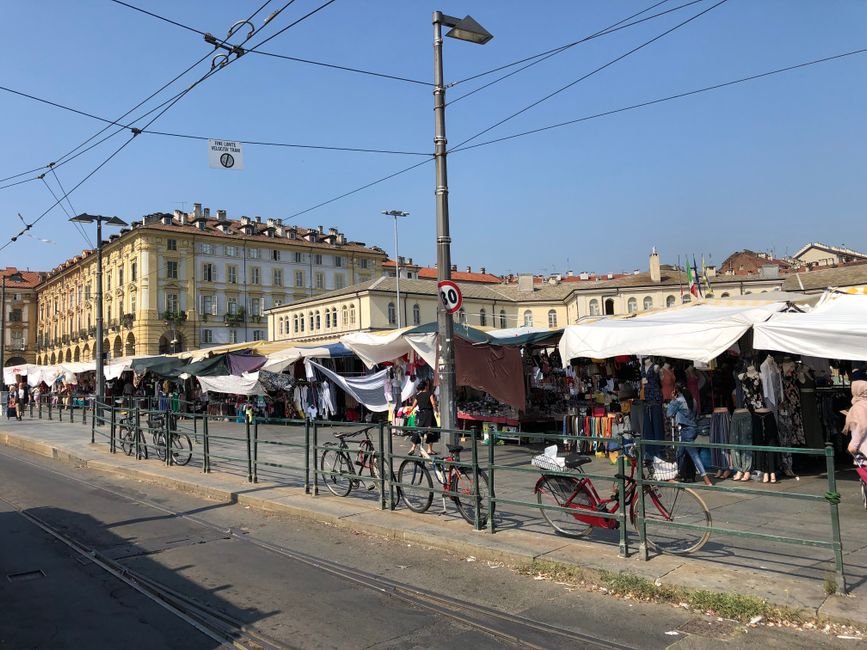
Head to the Balôn neighborhood or Porta Palazzo market for frittelle (fried pastries), panissa (chickpea fritter), and gianduiotti (hazelnut chocolates). The markets are busiest in the morning and offer the best prices and freshest selections from local vendors.
Is it true Turin has a chocolate culture, and where should I go?
Yes, Turin is famous for gianduiotto chocolate made with local hazelnuts and is considered the chocolate capital of Italy. Visit historic chocolate shops like Pepino or Caffarel in the city center, where you can taste artisanal varieties and learn about the tradition dating back to the 18th century.
What's the best way to experience Turin's wine scene?
Take a day trip to the Langhe and Roero hills just outside Turin to visit Barolo and Barbaresco wine regions, or stay in the city and visit traditional wine bars (enoteche) in the Quadrilatero district. Most establishments offer pairings with local cheese and cured meats that complement the wines perfectly.
Are there vegetarian or vegan options in traditional Turin restaurants?
While Piedmontese cuisine is meat-heavy, many traditional restaurants now offer vegetable-focused dishes like bagna cauda (warm anchovy and garlic dip with vegetables) without the anchovies, or seasonal vegetable risottos. It's best to call ahead and mention dietary preferences, as flexibility varies by establishment.