Palermo Food Guide – Eat Like a Local
“`html
Palermo Food Guide: A Complete Culinary Journey Through Sicily’s Capital
Palermo is one of the most underrated food destinations in all of Europe. Bold, unapologetic, and layered with centuries of cultural collision, the food here tells a story that no museum ever could. This is a city where street vendors have been feeding hungry locals since the Arab conquest, where African spices meet Italian pasta, and where the freshest seafood in the Mediterranean lands on your plate with almost theatrical confidence. If you are serious about eating well, Palermo deserves a permanent spot on your culinary travel list.
The History of Palermo’s Food Culture
To understand why Palermo’s food is so extraordinary, you need to understand the city’s extraordinary past. Palermo has been conquered, colonized, and transformed by nearly every major civilization in the Mediterranean world. Each wave of rulers left something behind in the kitchen, and the result is one of the most complex and distinctive regional cuisines anywhere in Italy.
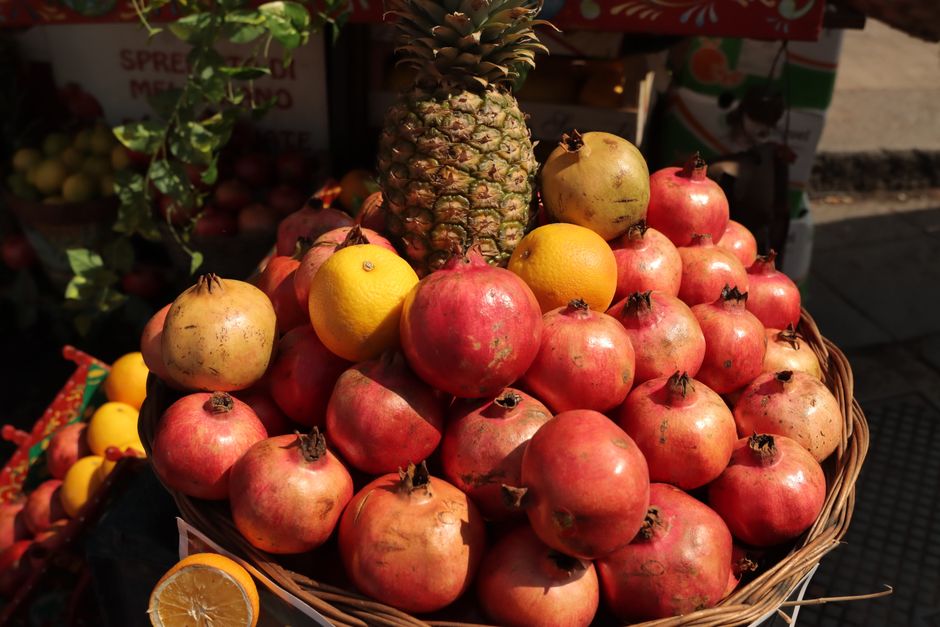
The Arabs arrived in the 9th century and fundamentally changed Sicilian cooking forever. They introduced citrus fruits, sugarcane, almonds, saffron, cinnamon, raisins, and pine nuts — ingredients that still define Palermitan cuisine today. The sweet and sour flavor combinations you find in dishes like caponata trace directly back to this period. The Arabs also brought sophisticated irrigation systems that transformed the island’s agricultural capacity, turning the Conca d’Oro valley surrounding Palermo into a lush garden of fruit and vegetables.
The Normans followed in the 11th century, blending their northern European traditions with the Arab foundations already in place. The Spanish arrived in the 15th century and brought New World ingredients including tomatoes, peppers, and chocolate, which became immediately essential to Sicilian cooking. Each of these cultural layers stacked on top of one another without fully erasing what came before, creating a cuisine of remarkable depth and contradiction.
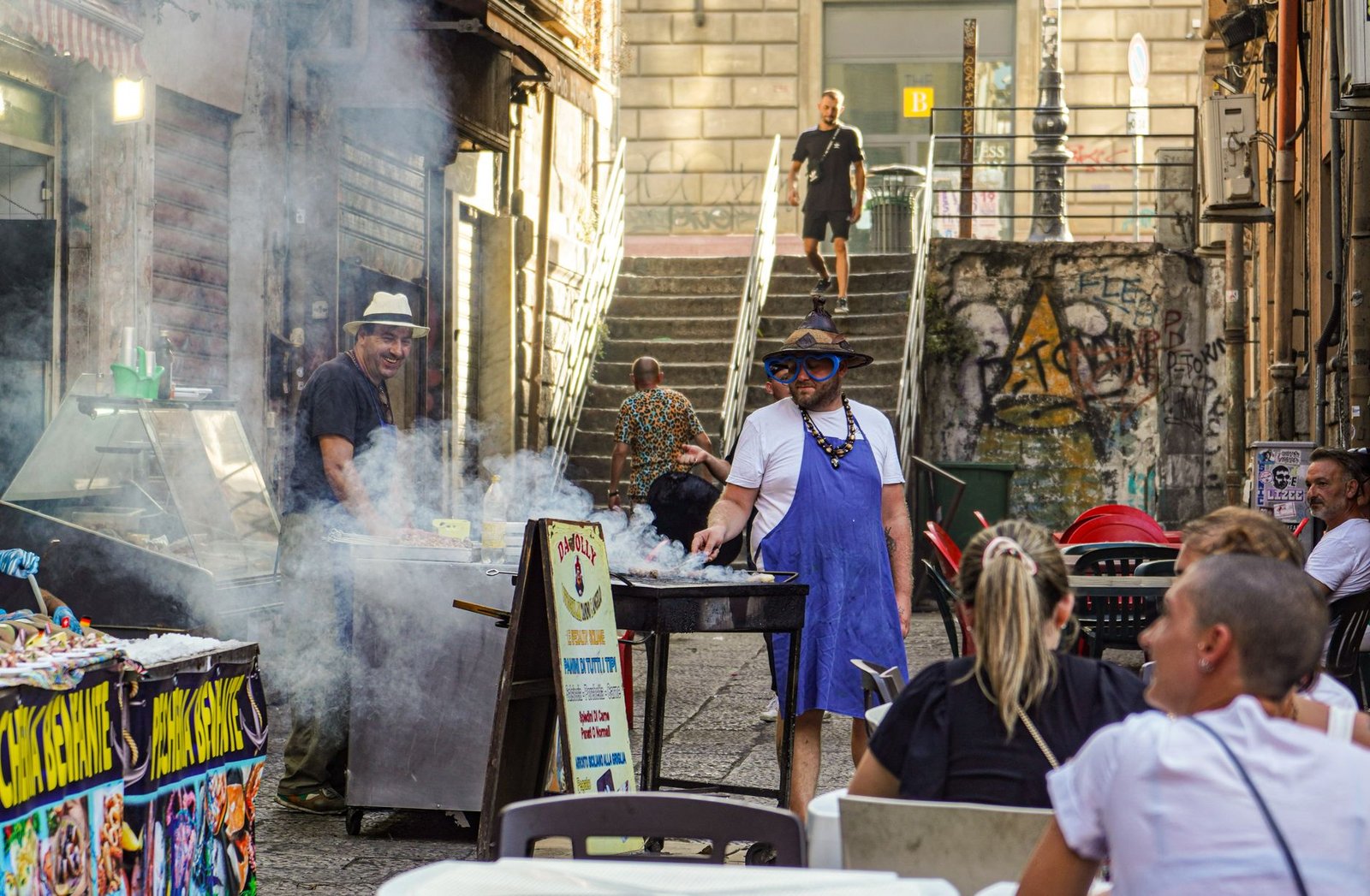
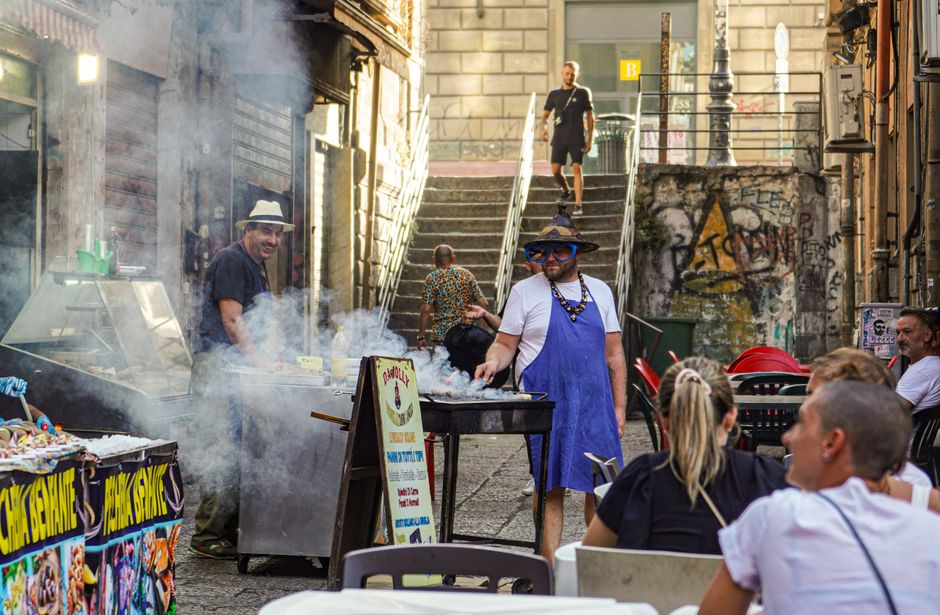
Street food has always been central to Palermo’s identity in a way that feels different from anywhere else in Italy. The city’s legendary markets — particularly the Ballarò, Vucciria, and Capo markets — have functioned as open-air kitchens for the working class for centuries. In a city where home kitchens were often small and fuel was expensive, eating on the street was not a novelty. It was simply life. That tradition remains vibrantly alive today, and Palermo’s street food scene is widely considered among the best in the world.
Must-Try Foods in Palermo
1. Arancine
Do not leave Palermo without eating multiple arancine — and yes, in Palermo they are called arancine, feminine, not arancini as they are known in eastern Sicily. This is a genuine point of local pride worth respecting. These golden, deep-fried rice balls are available at virtually every bar and street stall in the city, typically from early morning onward. The classic version is filled with ragù, a slow-cooked meat sauce with peas and tomato. The burro version comes filled with butter, béchamel, and mozzarella or ham. A good arancina should have a crisp, evenly golden exterior that gives way to creamy, well-seasoned rice with a generously filled center. The ones at Ke Palle in the Capo market neighborhood are particularly celebrated, but honestly outstanding arancine are everywhere in this city.
2. Pane con la Milza
This is the quintessential Palermitan street food experience and the one most likely to challenge visitors unfamiliar with offal. Pane con la milza is a soft sesame-seeded bun filled with thinly sliced beef spleen and lung that have been slow-cooked in lard, then finished with a squeeze of lemon. You can order it schietta, meaning plain, or maritata, meaning married, in which case it comes topped with fresh ricotta or caciocavallo cheese. The flavor is rich, deeply savory, and slightly funky in the best possible way. The texture is tender and yielding, and the warm bread soaks up the cooking fat magnificently. The Focacceria San Francesco near the Kalsa neighborhood is the most famous address for this dish, having served it since 1834, but the street vendors around the Vucciria market serve versions just as worthy of your attention.
3. Pasta con le Sarde
This is considered the definitive pasta dish of Palermo and one of the greatest expressions of the Arab-influenced sweet and sour culinary tradition that defines the city’s cooking. Bucatini or spaghetti is tossed with fresh sardines, wild fennel, saffron, pine nuts, raisins, and toasted breadcrumbs. The combination sounds improbable but is genuinely magnificent — the oily fish, the anise fragrance of the fennel, the gentle sweetness of the raisins, and the crunch of the breadcrumbs create something that is simultaneously ancient and startlingly fresh. The dish is best eaten in the spring and early summer when wild fennel is at its peak. Seek out restaurants that make it with fresh sardines rather than canned, and look for a version where the pasta is dressed generously rather than timidly.
4. Caponata
Every Sicilian family has their own caponata recipe, and every one of them will insist theirs is definitively correct. This sweet and sour eggplant relish is one of the oldest surviving dishes in Palermo’s culinary tradition, and versions of it exist across the island with dozens of local variations. The Palermitan version typically includes fried eggplant, celery, onion, capers, olives, tomato, and a generous hit of wine vinegar balanced with sugar. Some versions include pine nuts, raisins, or cocoa. What makes a great caponata is balance — between sweet and sour, between tender vegetables and textural contrast, between simplicity and complexity. It is served at room temperature and actually improves significantly the day after it is made, making it ideal picnic food from the markets. Eat it on bread, alongside grilled fish, or simply by the spoonful directly from the container.
5. Sfincione
Palermo’s answer to pizza is thicker, spongier, and frankly more interesting than its Neapolitan cousin. Sfincione is a focaccia-like bread topped with tomato sauce, onions, anchovies, caciocavallo cheese, and a heavy dusting of toasted breadcrumbs. The result is something deeply savory, with the breadcrumbs providing a slightly crunchy top layer over the soft, pillowy bread beneath. It is sold by street vendors from wheeled carts throughout the city, particularly in the markets, and it is at its best when eaten warm, standing up, in the middle of a crowded market lane with absolutely no concern for appearances. The sfincione from the Ballarò market is exceptional and costs almost nothing, which somehow makes it taste even better.
6. Cassata Siciliana
No meal in Palermo is complete without engaging seriously with the city’s extraordinary pastry tradition, and cassata siciliana is the crown jewel. This elaborate cake consists of a sponge base soaked in liqueur, filled with sweetened ricotta studded with chocolate chips and candied fruit, covered in marzipan, iced with white sugar glaze, and decorated with an almost absurdly extravagant arrangement of candied fruits and geometric marzipan designs. The visual impact alone is extraordinary — cassata looks like something a baroque architect would design if they had been commissioned to make a cake. The flavor is rich, fragrant, and deeply satisfying. Visit the Pasticceria Cappello near Via Colonna Rotta for what many consider the finest cassata in the city, and go early because they sell out.

Best Neighborhoods for Food in Palermo
Ballarò Market District
Ballarò is the oldest and largest street market in Palermo and quite possibly the most atmospheric food experience in all of Sicily. Located in the Albergheria neighborhood southwest of the old city center, the market runs daily from early morning until mid-afternoon, filling several interconnected streets
Ready to Eat Your Way Through Palermo?
Skip the tourist traps. Join a local food tour and discover the dishes, markets, and hidden spots that only locals know.



Book a Food Experience in Palermo
Handpicked experiences — book with free cancellation and instant confirmation.
Explore More Food Tours
More food guides from Italy:
You might also enjoy:
- Rovinj Food Tour Guide (Croatia)
- Split Food Tour Guide (Croatia)
Featured in:
Frequently Asked Questions
What's the difference between arancini and panelle, and where should I try them?
Arancini are deep-fried rice balls typically filled with ragù, while panelle are crispy chickpea fritters. Both are iconic Palermo street food staples, best enjoyed fresh from small vendors in Vucciria Market or sold as street snacks from morning carts. Try them separately to appreciate each distinctive flavor and texture.
Is it safe to eat street food from market vendors in Palermo?
Yes, street food from busy, well-established vendors in markets like Ballarò and Capo is generally very safe and incredibly fresh. The high turnover of food means ingredients are prepared and sold quickly, and local crowds are the best indicator of quality. Just choose vendors with visible cooking activity and long lines of locals.
What should I order at a traditional Sicilian aranceria, and how much will it cost?
Order arancini al ragù (meat-filled), arancini burro e piselli (butter and peas), or try panelle e crocchè (potato croquettes). Most street vendors charge €1.50-€3 per item, while sit-down establishments range €3-€6—it's incredibly affordable eating. Mix and match several items for a complete meal for under €10.
What's the best time of day to visit Palermo's food markets?
Early morning, between 7-10 AM, is ideal for seeing the markets at their liveliest with the freshest produce and seafood. Lunch hours (noon-2 PM) are also excellent, especially for street food vendors who prep hot items throughout the day. Avoid late afternoon when vendors start closing and selection diminishes significantly.
Are restaurants near major tourist attractions worth visiting, or should I venture elsewhere?
Skip the touristy waterfront spots and instead head to neighborhood trattorias in areas like La Kalsa or Mondello where locals eat. Side streets just two blocks away from main attractions often have authentic, better-value restaurants with genuine Sicilian cuisine. Ask your hotel staff or locals for their favorite family-run spots rather than relying on guidebooks.