Bologna Food Tour – Best Local Food & Restaurants
Bologna, Italy: The Ultimate Food Guide for Curious Travelers
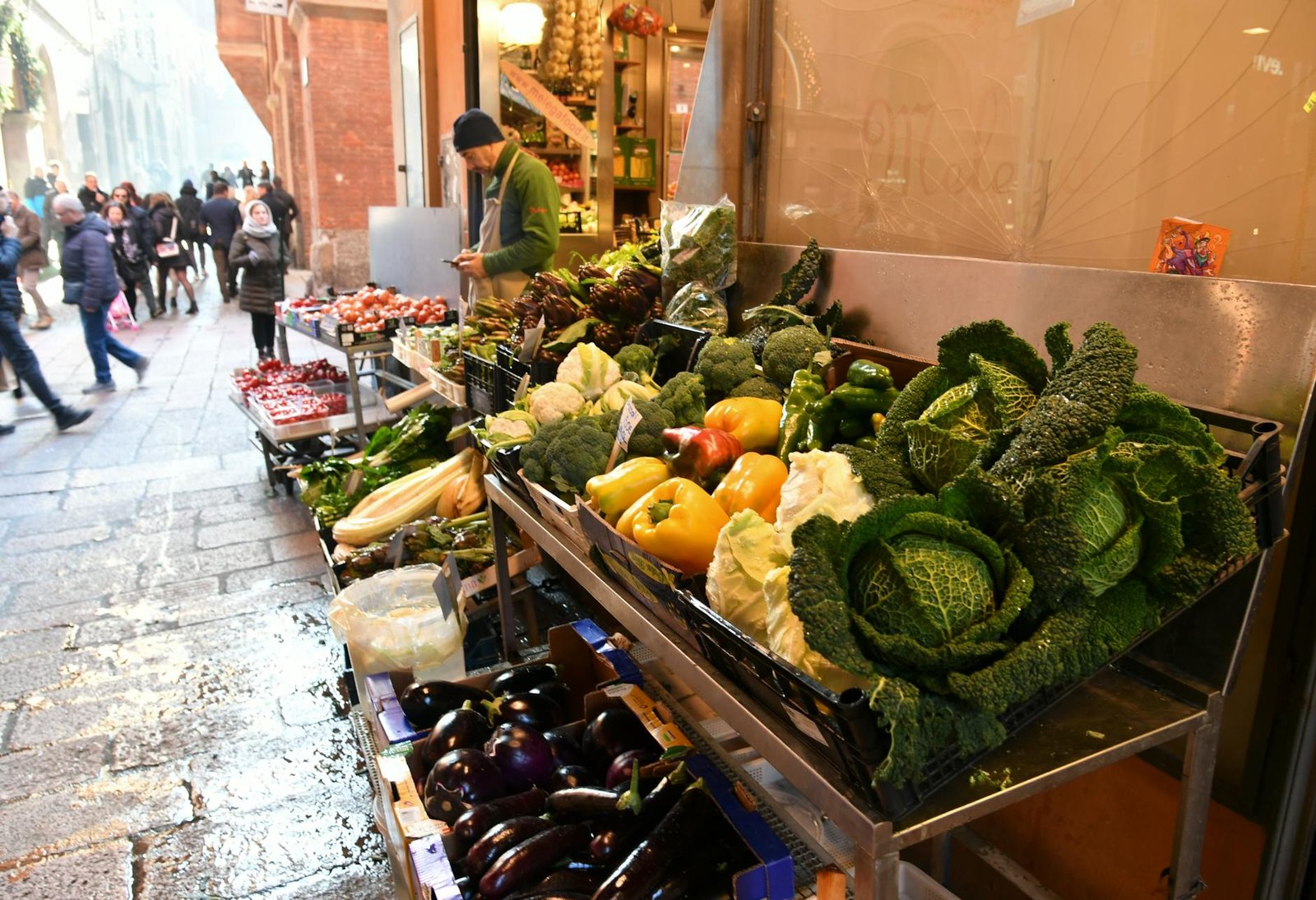
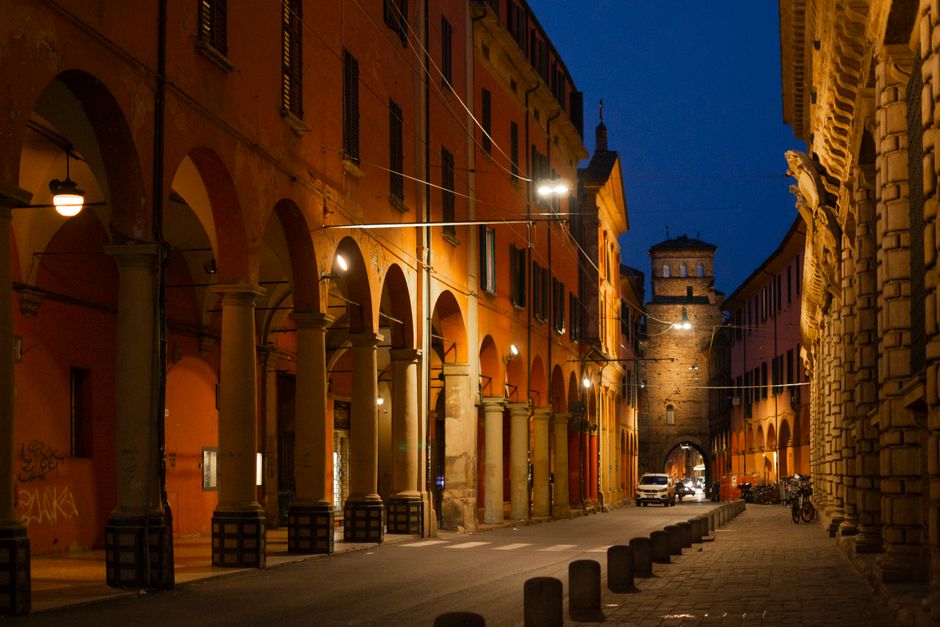
Italians themselves call Bologna La Grassa — “The Fat One.” This is not an insult. It’s a badge of honor worn proudly by a city that has spent over two thousand years perfecting the art of eating well. Tucked beneath the terracotta-colored porticoes of Emilia-Romagna, Bologna is widely regarded as the gastronomic capital of Italy — which is saying something in a country where every region makes exactly that claim. Bologna simply has the receipts to prove it.
The History of Bologna’s Food Culture
Bologna’s obsession with extraordinary food stretches back to the Roman era, when the fertile Po Valley became one of the most productive agricultural regions in the ancient world. The Romans recognized that rich alluvial soil, proximity to the Apennine mountains, and abundant fresh water created near-perfect conditions for raising livestock, growing grains, and cultivating vegetables. They called the region Gallia Cisalpina, and its produce fed legions across the empire.
During the medieval period, Bologna’s culinary identity deepened fast. The University of Bologna, founded in 1088 — the oldest university in the Western world — drew students and scholars from across Europe. Feeding this cosmopolitan crowd required a serious food infrastructure. Butchers, cheesemakers, and pasta artisans formed guilds with strict quality standards, laying the groundwork for the food craftsmanship that still defines the city today.

The Renaissance brought further refinement. Bolognese noble families competed fiercely to set the most impressive table, and the cooks who served them developed techniques that would eventually shape Italian cuisine at large. Egg-enriched pasta made with soft Po Valley wheat became a signature achievement — so delicate and precise that the women who hand-rolled the sheets, the sfogline, became legendary figures in their own right. Their skill was considered a form of high art. That reverence hasn’t gone anywhere — you still see it in the city’s professional kitchens and in home cooking passed down through generations.
The twentieth century brought international recognition, and also a peculiar cultural distortion. The global spread of so-called “Bolognese sauce” — ground meat and tomato poured over spaghetti — genuinely horrified actual Bolognese cooks, who insist on tagliatelle and a slow-cooked ragù made with precise cuts of meat. This ongoing battle to protect culinary heritage has made Bologna one of the most actively food-conscious cities in Italy. Local organizations, the Chamber of Commerce, and even notaries have worked together to officially register authentic recipes and protect traditional products. Dead serious about this stuff.
The Emilia-Romagna region surrounding Bologna produces a remarkable concentration of protected designation of origin products — Parmigiano-Reggiano, Prosciutto di Parma, Mortadella Bologna, balsamic vinegar from nearby Modena. The city sits at the center of this edible empire. Visiting means immersing yourself in a living food culture that takes its pleasures seriously without ever losing its sense of joy.
Must-Try Foods in Bologna
1. Tagliatelle al Ragù
This is the dish that defines Bologna, and it is nothing like what the rest of the world calls Bolognese. Authentic tagliatelle al ragù starts with hand-rolled egg pasta cut into ribbons precisely 8 millimeters wide when cooked — a measurement so important that the Italian Academy of Cuisine deposited a golden tagliatelle model at the Bologna Chamber of Commerce in 1972 as the official standard. The ragù itself is a slow affair: beef, pork, and sometimes veal, built with onion, celery, carrot, white wine, a small amount of tomato, and a generous pour of whole milk that gives the sauce its characteristic richness and subtle sweetness. It simmers for at least three hours, developing a savory depth that no quick version can touch. Order it at a traditional trattoria — never at a tourist-facing restaurant near the main piazza — and you’ll understand immediately why Bolognese people bristle at every imitation they encounter abroad.
2. Mortadella
Mortadella Bologna is one of Italy’s great misunderstood products, unfairly diminished by the pale, rubbery luncheon meat that borrowed its name. The real thing is a masterpiece of salumeria — a large-format cooked sausage made from finely ground pork, studded with whole peppercorns, pistachios, and cubes of pure white pork fat, cooked slowly to a silky, almost mousse-like texture. The flavor is delicate, subtly spiced, and luxuriously fatty in the best possible sense. In Bologna, mortadella is sliced paper-thin and eaten on its own, folded into a soft roll called a crescentina, or blended into a whipped spread called spuma di mortadella that you’ll want to eat by the spoonful. Head to the Quadrilatero market district, where whole sausages hang like enormous pink pendulums from the ceiling — each one a product of centuries of craft.
3. Tortellini in Brodo
Legend holds that tortellini were created by an innkeeper who was so captivated by the beauty of Venus — or, in some versions, Lucrezia Borgia — that he modeled the pasta shape after her navel. Whatever the origin story, tortellini in brodo is a dish of profound, warming elegance. Small rings of egg pasta filled with pork loin, prosciutto, mortadella, Parmigiano-Reggiano, egg, and nutmeg, folded with extraordinary precision and served floating in a crystal-clear capon or beef broth. The yielding pasta, savory filling, and pure concentrated broth together create one of those eating experiences that stays with you long after you’ve left the city. One important note: do not accept tortellini in cream sauce in Bologna. That’s a Roman invention and considered a minor heresy here.
4. Lasagne Verdi alla Bolognese
Bologna’s lasagne is a revelation for anyone whose experience of the dish involves heavy, gluey layers drowning in acidic tomato sauce. The Bolognese version uses green pasta sheets colored with spinach, layered with the same slow-cooked ragù, a generous application of béchamel, and abundant grated Parmigiano-Reggiano. Rich but not heavy, deeply savory but tempered by the creamy béchamel — the green pasta adds a gentle earthiness that lifts the whole thing. It’s baked until the top layer develops a golden, slightly crisp crust that contrasts beautifully with the yielding layers underneath. Many trattorias only serve it on Sundays and during winter months. Finding a perfect version on a cold January afternoon feels like a genuine privilege.
5. Parmigiano-Reggiano
Parmigiano-Reggiano is produced across a defined zone covering the provinces of Parma, Reggio Emilia, Modena, and parts of Mantua and Bologna — and the city provides an ideal base for exploring this extraordinary cheese in its proper context. A young Parmigiano aged 12 months is creamy and mild. At 24 months it develops crystalline tyrosine deposits and a complex nutty flavor. At 36 months and beyond it becomes intensely concentrated, almost spicy, with a granular texture that dissolves on the tongue. In Bologna’s markets and specialty food shops, you can sample wheels at every stage of aging and buy chunks by the etto. Eat it as locals do: broken into irregular pieces with an almond-shaped knife, paired with local honey, mostarda
Book a Food Tour in Bologna
Join a small-group food tour and taste the best of Bologna with a local guide. Skip the tourist traps — discover the hidden spots only locals know.


Book a Food Experience in Bologna
Handpicked experiences — book with free cancellation and instant confirmation.
Explore More Food Tours
More food guides from Italy:
You might also enjoy:
- Hvar Food Tour Guide (Croatia)
- Pula Food Tour Guide (Croatia)
Featured in:
Frequently Asked Questions
How much does a food tour in Bologna cost?
Food tours in Bologna typically range from €25 to €80 per person for a guided group tour. Private tours and premium culinary experiences can cost more, while self-guided food walks are often free or low-cost.
How long do food tours in Bologna last?
Most guided food tours in Bologna last between 2 and 4 hours and include multiple tasting stops. Walking food tours tend to run around 3 hours, while sit-down dining experiences may last longer.
What local dishes should I try on a Bologna food tour?
A food tour in Bologna is the best way to discover authentic local specialties. Your guide will take you to street food markets, traditional restaurants, and neighbourhood gems that locals love — dishes you would never find on your own.
What is the best area for street food in Bologna?
The best areas for street food and local cuisine in Bologna are usually found in the old town, central food markets, and traditional neighbourhoods away from the main tourist hotspots. A local food guide will show you exactly where to go.
Are food tours in Bologna suitable for people with dietary restrictions?
Most food tour operators in Bologna can accommodate vegetarian, vegan, halal, and gluten-free diets with advance notice. Always inform your guide of any dietary requirements when booking so they can plan the best route for you.