Marseille Food Tour – Best Local Food & Restaurants
Marseille, France: The Ultimate Food Guide
A Port City’s Culinary Identity
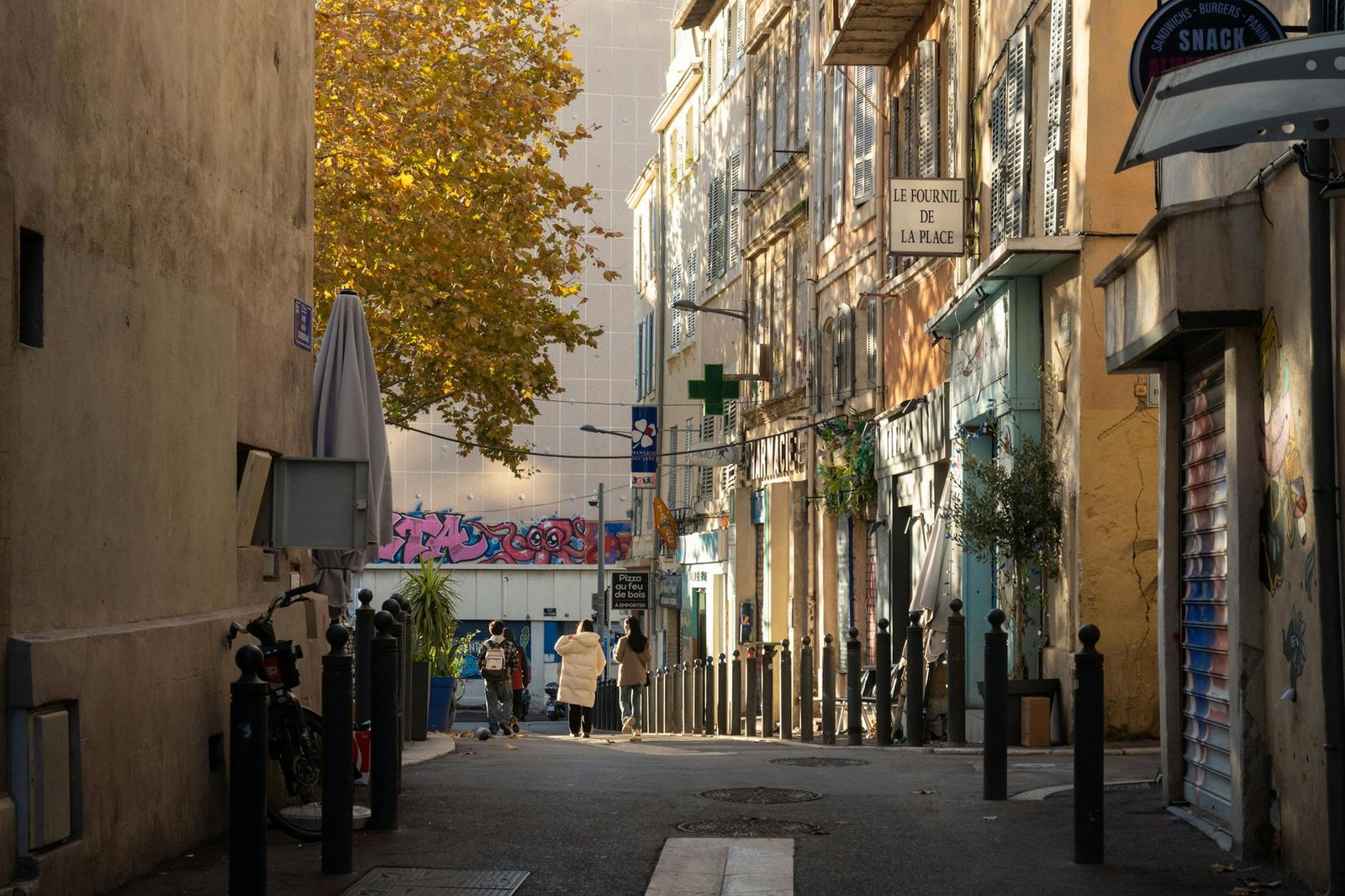
Marseille isn’t just France’s gateway to the Mediterranean — it’s a city that eats like it has nothing to prove. North African spices, Provençal olive oil, and fish pulled straight from the sea that morning all end up on the same table, and somehow it works perfectly. This is France’s second-largest city, and its food scene carries centuries of maritime history in every bite. Fishermen still bring their catch to the Old Port at dawn. Arab and Italian immigrants reshaped the local palate generations ago and those influences never left. Walk the narrow streets of Le Panier or grab a table along the Corniche and you’ll feel it immediately — this city cooks from memory, not from trend.
Paris has its haute cuisine. Marseille has something rawer and, honestly, more interesting. The working-class roots run deep here, and the food reflects that. Simple recipes, extraordinary ingredients, no pretension. A traditional bouillabaisse can easily run €50 or more at a proper restaurant — and that’s not a rip-off. That price reflects the fish, the time, and decades of accumulated technique. The Marseillaise approach is about sitting down long enough to actually taste what’s in front of you, ideally with a glass of local rosé and people you like.
Bouillabaisse: The Soul of Marseille
Every serious conversation about Marseille food starts and ends with bouillabaisse. It’s the city’s most iconic dish, UNESCO-recognized, and genuinely unlike anything you’ll find elsewhere — including every watered-down version served in tourist traps across the south of France. The original was fisherman food: unsellable catch thrown into a pot with saffron, fennel, and orange zest to make something better than the sum of its parts. The authentic version uses at least three types of Mediterranean fish, arrives with crusty bread, rouille (a punchy garlic mayonnaise), and grated Gruyère. Order it at the Vieux Port, or don’t bother.

The best spots follow the local Bouillabaisse Charter — an actual set of guidelines that separates the real thing from the imitation. Chez Fonfon and Le Miramar have been doing this since the early 20th century, and their recipes haven’t needed updating. The meal comes in two rounds: broth first, with bread and rouille to dip, then the fish arrives separately. It’s a ceremony more than a dinner. Budget accordingly, book ahead, and resist the urge to rush it. This is one splurge that delivers.
Fresh Markets and Produce Paradise
The Marché des Capucins, in the Noailles neighbourhood, operates Monday to Saturday from 8.00 to 19.00 with a kind of cheerful chaos that takes a few minutes to read. Olives in dozens of varieties sit next to bundled herbs and towers of seasonal fruit. North African spice vendors set up next to French fromageries, and the stalls lean heavily on spices, preserved lemons, harissa, and dates. The noise alone — the dialects, the bargaining, the clatter — tells you more about Marseille than any museum could.
The morning fish market on the quai des Belges at the Vieux-Port is where Marseille’s restaurant kitchens actually shop. The vendors talk about their fish the way wine people talk about vintages. Worth getting there by 8am. By noon, the good stuff is gone.
Top Street Food and Casual Eats
Panisses are what you eat while walking Le Panier’s steep, winding streets and wondering if you’re lost. Crispy chickpea flour fritters, golden outside, creamy in the middle, sold in paper cones with lemon and salt. Cheap, filling, genuinely good. Equally iconic is the local version of poutine — thin-cut fries in paper, eaten while wandering the harbor. This version predates Canada’s by a long stretch, and Marseillais will remind you of that if you bring it up.

Socca shows up at breakfast or lunch — another chickpea flour creation, closer to a savory crepe, usually eaten at a market stall standing up. Bakeries across the city do solid pain au chocolat and croissants, but the sandwich worth seeking out is pan bagnat: tuna, hard-boiled eggs, anchovies, vegetables, all pressed into bread and absolutely messy to eat. It’s deeply Provençal, costs almost nothing, and tastes better than it looks. Don’t eat it while wearing anything you care about.
Best Restaurants for Authentic Marseille Dining
Le Miramar sits right on the Old Port and earns its reputation. The bouillabaisse is prepared by the book — traditional methods, no shortcuts — and the room manages to feel both refined and genuinely relaxed. Chez Fonfon has been family-run since 1952 and specializes in bouillabaisse and fresh seafood with the kind of Provençal confidence that only comes from seven decades of practice. Both require advance reservations and a willingness to spend real money. Both are worth it.
Le Petit Nice holds three Michelin stars and uses them well — contemporary technique applied to local ingredients without losing sight of what makes Marseille cooking distinctive. In Le Panier, Estelle’s keeps things casual and Mediterranean without the fuss. La Caravelle serves excellent seafood without the bouillabaisse price tag. And if budget matters, look for neighborhood bistros in the side streets away from the port — places where the room is full of locals and the Mediterranean cooking is honest and well-priced. Marseille rewards people who walk a few extra blocks.
Best Food Tours
A guided food tour early in your trip changes how you see everything else. Viator runs market tours and bouillabaisse cooking classes where you work alongside local chefs and actually learn why things are done a certain way — not just that they are. The tastings are generous and the context helps. GetYourGuide offers food walking tours through Le Panier and the Old Port, many led by locals who grew up eating this food and have opinions about it. That specificity is what makes the difference between a tour and a useful education.
Book morning departures when possible. Markets peak early — better selection, more energy, vendors who haven’t yet exhausted their patience for questions. Many tours end with a cooking class or a sit-down meal, which makes the whole morning feel complete rather than like a series of samples. If Marseille’s cuisine is unfamiliar territory, a guided experience cuts the learning curve significantly and points you toward places you’d never find by scrolling a review app.
Wine and Provence Beverages
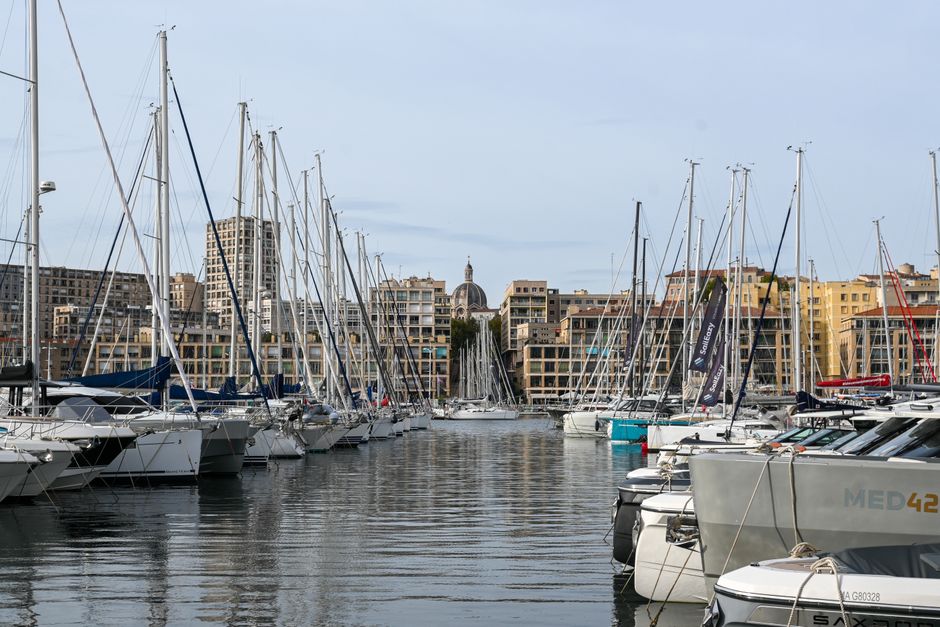
Provence rosé isn’t a cliché here — it’s the correct answer. Local wines from nearby vineyards pair naturally with fresh seafood and the bright, herb-forward flavors of Mediterranean cooking. Bistros pour decent bottles at fair markups. But before dinner, order pastis. The anise-flavored spirit mixed with cold water turns a pale, satisfying cloudy color and tastes exactly like where you are. Sitting at a table by the Old Port at dusk with a glass of pastis is the most Marseille thing you can do that doesn’t involve fish.
When to Visit for Food
September through November is the sweet spot. The summer crowds thin out, the heat breaks, and the fish and shellfish are at their best — which makes it prime bouillabaisse season. Spring works well too: comfortable temperatures for market wandering, excellent produce, and restaurants that are still primarily cooking for locals rather than tour groups. August is genuinely problematic. Many Marseillais leave the city entirely, and the restaurants that stay open pivot hard toward tourists, sometimes at the expense of quality. Summer evenings along the Corniche are lovely once the heat drops, but the midday market experience suffers. Winter brings real quiet and good value — some seasonal ingredients disappear, but the crowds disappear too, and the restaurants feel like themselves again.


Book a Food Experience in Marseille
Handpicked experiences — book with free cancellation and instant confirmation.
Explore More Food Tours
More food guides from France:
You might also enjoy:
- Monaco Food Tour Guide (Monaco)
- Turin Food Tour Guide (Italy)
Featured in:
Frequently Asked Questions
How much does a food tour in Marseille cost?
Food tours in Marseille typically range from €25 to €80 per person for a guided group tour. Private tours and premium culinary experiences can cost more, while self-guided food walks are often free or low-cost.
How long do food tours in Marseille last?
Most guided food tours in Marseille last between 2 and 4 hours and include multiple tasting stops. Walking food tours tend to run around 3 hours, while sit-down dining experiences may last longer.
What local dishes should I try on a Marseille food tour?
A food tour in Marseille is the best way to discover authentic local specialties. Your guide will take you to street food markets, traditional restaurants, and neighbourhood gems that locals love — dishes you would never find on your own.
What is the best area for street food in Marseille?
The best areas for street food and local cuisine in Marseille are usually found in the old town, central food markets, and traditional neighbourhoods away from the main tourist hotspots. A local food guide will show you exactly where to go.
Are food tours in Marseille suitable for people with dietary restrictions?
Most food tour operators in Marseille can accommodate vegetarian, vegan, halal, and gluten-free diets with advance notice. Always inform your guide of any dietary requirements when booking so they can plan the best route for you.