Madrid Food Tour – Best Local Food & Restaurants
Madrid Food Guide: A Culinary Journey Through Spain‘s Beating Heart
Madrid is not just the political capital of Spain — it’s the undisputed culinary capital of the Iberian Peninsula. Few European cities come close to what Madrid delivers. Smoky taverns wedged beneath stone archways that have been standing for centuries. Restaurants where chefs are doing things with Spanish ingredients that feel genuinely new. And everything in between. The food here isn’t just good — it’s personal. Every meal carries the weight of the city’s history, its contradictions, its generosity. This guide from FoodTourTrails.com covers what you actually need to eat, where to go, and what to skip.
The History of Madrid’s Food Culture
Madrid has no sea. For a city this size, that’s a strange and defining fact. When King Philip II made it Spain’s permanent capital in 1561, it went from a modest Castilian town to a heaving metropolis almost overnight — and it needed to be fed. Trade routes converged here from every direction, carrying ingredients and cooking traditions from Galicia, Andalusia, the Basque Country, Valencia, and beyond. The city became a kind of culinary clearinghouse for the entire empire.
What came out of that collision was something generous and unpretentious. The mesón culture took hold — hearty tavern cooking built around slow-braised meats, legume stews, wood-roasted lamb. The Real Casa de la Panadería, built in 1619 on the Plaza Mayor, wasn’t just decorative. It was practical. The city was serious about feeding itself, and that seriousness never really left. Madrid’s food culture has always been about sustenance first, ceremony second.
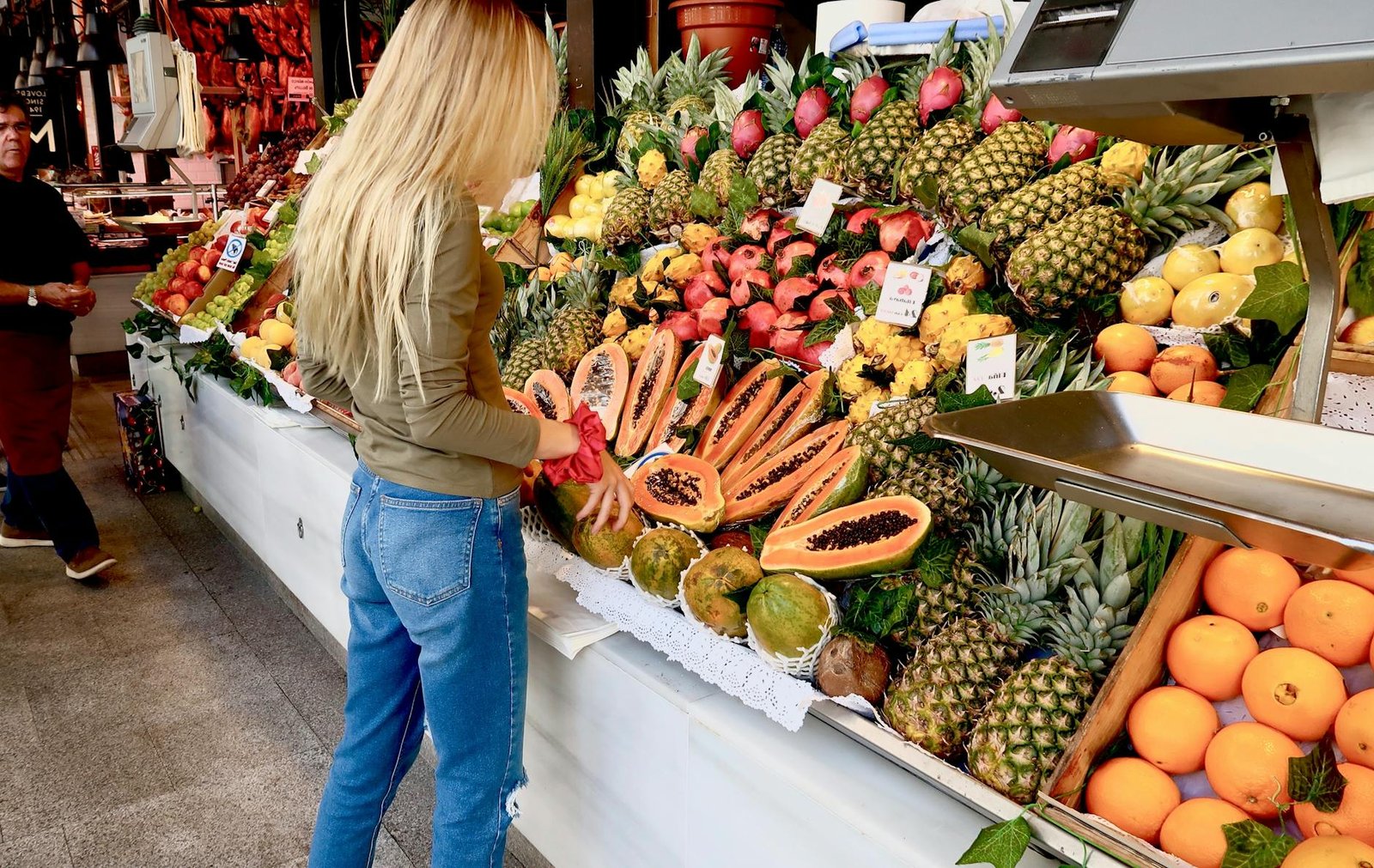
By the 18th and 19th centuries, the café and taberna scene had become the city’s social engine. Writers, politicians, bullfighters, and artists crammed into the bars of Lavapiés and La Latina to eat, drink, and argue. Hemingway was one of the most famous regulars — he wrote about Madrid’s bars and markets with the kind of love that only comes from having actually sat in them. The Mercado de San Miguel opened in 1916 and became, as the cliché goes, a cathedral of produce. Walk through it on a Tuesday morning before the tourists arrive and you’ll see what I mean.
The 20th century was brutal. The Civil War and the Franco era brought food rationing and culinary austerity. But Madrid bounced. When democracy returned in the late 1970s, the city erupted into the Movida Madrileña — a cultural explosion that swept through art, music, fashion, and food simultaneously. Today, David Muñoz at DiverXO holds three Michelin stars, the only restaurant in Madrid to do so, and the city punches well above its weight in global gastronomy conversations. Yet the old tabernas are still there, still packed, still completely unapologetic about their ancient menus. That tension — between the radical new and the stubbornly traditional — is what makes eating in Madrid so interesting.
Must-Try Foods in Madrid
1. Cocido Madrileño — The Soul of the City
If Madrid had one dish that said everything about who it is, it would be cocido madrileño. This is a slow-cooked chickpea stew served in three separate courses — called vuelcos — and eating it properly takes time. First comes a rich golden broth ladled over fine fideos noodles. Then the chickpeas and vegetables: cabbage, carrots, potatoes. Finally, the meats — morcilla, chorizo, chicken, and beef that has been braising so long it falls apart at a glance. It’s warming in a way that reaches somewhere deep. Non-negotiable, honestly. Go to La Bola Taberna, which has been operating since 1870 and still cooks its cocido in individual clay pots over charcoal fire. That’s increasingly rare, and you can taste the difference.
2. Bocadillo de Calamares — Madrid’s Iconic Street Sandwich
Here’s the great Madrid paradox: a city 300 kilometers from the nearest coast that has made a fried squid sandwich its most beloved street food. Rings of tender squid, fried light and golden in olive oil, stuffed into a crusty barra of bread. Sometimes a squeeze of lemon. Sometimes a smear of aioli. That’s it. Locals eat them at all hours — mid-morning, rushed lunch, 2am after the clubs. The epicenter is the cluster of bars around the Plaza Mayor, particularly Bar La Campana on Calle Botoneras. Queues snake out the door on weekends, and they’re worth joining.
3. Churros con Chocolate — The Breakfast That Defies Time
Madrid’s churros are not a tourist performance. They’re a genuine daily ritual — morning fuel for market workers, late-night salvation for clubbers, rainy afternoon comfort for everyone else. These aren’t the thin cinnamon-dusted things you find at theme parks. Madrid’s churros are thick, star-shaped, slightly chewy inside, fried until golden. The hot chocolate served alongside is dense — dark, almost bitter, thick enough that a spoon stands up in it. Chocolatería San Ginés has been running continuously since 1894, open 24 hours, squeezed into an alley off Calle Arenal. At 7am you’ll find elderly locals getting breakfast, and at 3am people still in club clothes. Go at least once.
4. Huevos Rotos — Broken Eggs, Unbroken Perfection
Simple food done with complete confidence. Crispy fried potatoes piled high, one or two fried eggs laid on top with yolks still runny, and then someone breaks those yolks and lets them run down through everything. It sounds like nothing. It tastes extraordinary. Good versions come with jamón ibérico or chorizo tucked beneath the eggs. Casa Lucio on Calle Cava Baja in La Latina has been serving this since 1974 — the owner, Lucio Blázquez, essentially took peasant food and turned it into one of the city’s most celebrated dishes. Kings and presidents have eaten here. More importantly, so have I, multiple times.
5. Jamón Ibérico de Bellota — Spain’s Most Precious Ingredient
Eating jamón ibérico de bellota in Madrid feels like participating in something sacred, and I don’t use that word lightly. These are black Iberian pigs raised free-range in the dehesa — the cork oak forests of Extremadura and Andalusia — feeding on acorns through the autumn montanera season. The result is a ham unlike anything else: deeply marbled with golden fat that actually melts on your tongue, complex with nutty, sweet, and savory flavors built up over years of careful curing. In Madrid, jamón isn’t a garnish. It’s the point. The Museo del Jamón chain is fine for an affordable taste while you’re getting your bearings. But for something serious, go to Hevia on Calle de Serrano in the Salamanca neighborhood, sit down, and watch a skilled cortador work through a leg with near-ceremonial precision. Worth every euro.
6. Oreja a la Plancha — The Adventurous Madrileño Classic
Madrid takes nose-to-tail eating seriously, and oreja a la plancha — griddled pig’s ear — is one of the city’s most honest tests of a curious appetite. The ear is boiled until tender, pressed flat, sliced, and then cooked hard on a smoking plancha until the edges char and crisp while the interior stays rich and gelatinous. Spicy pimentón oil. Maybe a wedge of lemon. Texturally it’s a challenge if you’re not used to it, but the flavor is deeply savory and completely addictive. Taberna Antonio Sánchez in Lavapiés — established 1830, Madrid’s oldest bar — is the right place to try it. The interior looks like time stopped around 1920. The menu hasn’t changed much either. That’s entirely the point.
Best Neighborhoods for Food in Madrid
La Latina — The Old Soul of Madrid Eating
La Latina is where Madrid’s food culture began and where it remains

Book a Food Tour in Madrid
Join a small-group food tour and taste the best of Madrid with a local guide. Skip the tourist traps — discover the hidden spots only locals know.


Book a Food Experience in Madrid
Handpicked experiences — book with free cancellation and instant confirmation.
Explore More Food Tours
More food guides from Spain:
- Seville Food Tour Guide
- Valencia Food Tour Guide
- Barcelona Vegan Food Guide: Best Plant-Based Experiences 2026
- Bilbao Food Tour Guide
You might also enjoy:
- Lecce Food Tour Guide (Italy)
- Modena Food Tour Guide (Italy)
Featured in:
Frequently Asked Questions
How much does a food tour in Madrid cost?
Food tours in Madrid typically range from €25 to €80 per person for a guided group tour. Private tours and premium culinary experiences can cost more, while self-guided food walks are often free or low-cost.
How long do food tours in Madrid last?
Most guided food tours in Madrid last between 2 and 4 hours and include multiple tasting stops. Walking food tours tend to run around 3 hours, while sit-down dining experiences may last longer.
What local dishes should I try on a Madrid food tour?
A food tour in Madrid is the best way to discover authentic local specialties. Your guide will take you to street food markets, traditional restaurants, and neighbourhood gems that locals love — dishes you would never find on your own.
What is the best area for street food in Madrid?
The best areas for street food and local cuisine in Madrid are usually found in the old town, central food markets, and traditional neighbourhoods away from the main tourist hotspots. A local food guide will show you exactly where to go.
Are food tours in Madrid suitable for people with dietary restrictions?
Most food tour operators in Madrid can accommodate vegetarian, vegan, halal, and gluten-free diets with advance notice. Always inform your guide of any dietary requirements when booking so they can plan the best route for you.