Manchester Food Tour – Best Local Food & Restaurants
Manchester, UK: The Ultimate Food Guide
Manchester’s Culinary Renaissance: A City Transformed
Manchester crept up on me. I’d spent years assuming London had a monopoly on serious UK food, and then I spent a long weekend eating my way through Ancoats and the Northern Quarter and came home genuinely humbled. This city has Michelin-starred restaurants, markets that have fed locals for generations, and a street food scene that pulls from every corner of the world — all without the London price tag or the London attitude.
What’s driven the transformation is a wave of chefs and independent operators who actually believe in the city. Former warehouse districts now house some of the most interesting restaurants in the north of England. And the thing that strikes you immediately is how unpretentious it all is. Nobody here is eating for Instagram. They’re eating because the food is genuinely good.
Iconic Manchester Dishes You Must Try
The Manchester Tart deserves more attention than it gets. Pastry case, raspberry jam, custard, desiccated coconut on top — it sounds modest and it is, but done properly it’s the kind of thing you think about on the train home. Bakeries in the Stockport area are particularly proud of it, and rightly so. It’s been around since the Victorian era and hasn’t needed updating.

Manchester hot pot is the other essential. Lamb, potato, onion, slow-cooked until everything collapses into something deeply comforting — this is exactly what you want when the northern weather does its thing, which is often. For pies, skip the chains and find Sayers or Cooplands. These are local institutions that have been doing the same thing for decades and haven’t drifted. If you’re walking through Rusholme, the Curry Mile is non-negotiable. It’s arguably the cheapest and most authentic stretch of Indian and Pakistani dining in the whole country, and the portions are obscene in the best possible way.
Best Restaurants: From Casual to Fine Dining
Mana in Ancoats is where you go when you’re willing to commit — both financially and in terms of time. The open kitchen means you watch every dish being constructed, and the seasonal tasting menu changes frequently enough that locals go back repeatedly. Book well ahead. Adam Reid at The French takes a more classical approach, French technique filtered through a distinctly British lens, and the Manchester House setting is genuinely elegant without being stiff.
For something less ceremonial, Dishoom on Bridge Street is reliable in the best sense — the Bombay café format works, the bacon naan at breakfast is worth getting up early for, and the line moves faster than you’d expect. Tampopo handles Southeast Asian cooking with real confidence. Etto in Ancoats is small, wine-focused, and northern Italian in a way that feels honest rather than performative. And if you haven’t explored Manchester’s Chinatown properly — the second largest in the UK after London’s — set aside an afternoon. Nudo for ramen is a solid starting point.
The Heart of Manchester’s Food Scene: Market Areas
Boroughs Market on weekends is busy. That’s not a warning, just context — go early, around 10am, before the lunch crowd arrives and the queues for wood-fired pizza stretch past the oyster stall. Artisan producers, international street food, excellent charcuterie — it’s the kind of market that takes two visits before you stop being overwhelmed and start being strategic about what you actually eat.
Deansgate Market is older and quieter, with proper butchers and fishmongers alongside a growing number of independent traders. It’s less theatrical than Boroughs but more useful if you’re actually cooking. The Northern Quarter operates differently — it’s not a market in the traditional sense, but Federal Deli and Tamper Cafe have become genuine institutions. The breakfast culture up here is serious. People queue for tables at Federal on Saturday mornings, and the coffee is worth the wait.
Top Street Food: Manchester’s Casual Culinary Treasures
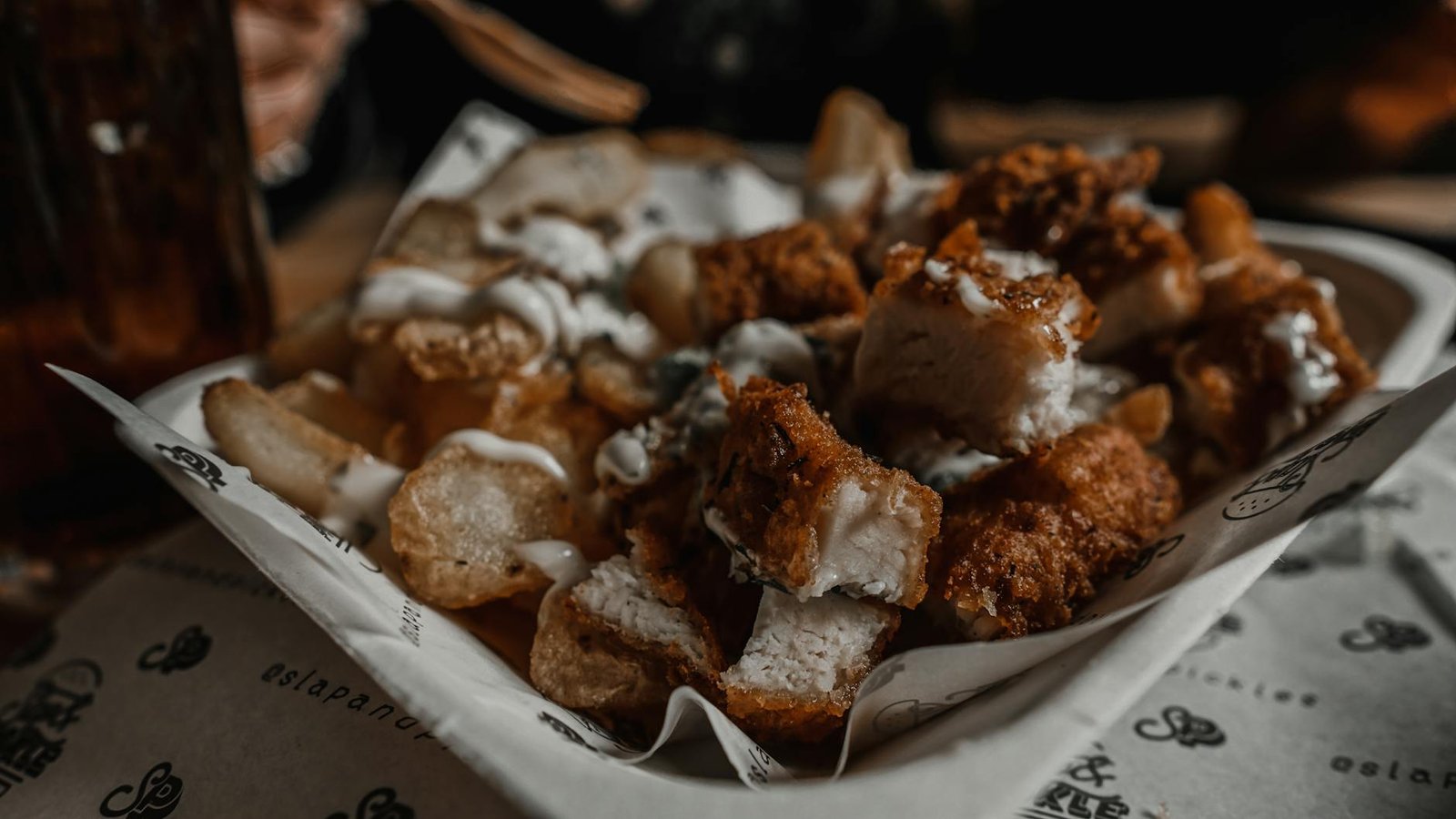
The street food around Spinningfields Market and throughout the Northern Quarter covers more ground than you’d expect. Vietnamese banh mi, Korean tteokbokki, wood-fired pizza from vendors who actually understand what they’re doing — it’s genuinely diverse and most of it is good. Mexican street food has found a solid foothold too; the tacos from several of the regular vendors are better than plenty of sit-down restaurants I’ve been to.
Indian street food is most accessible along the Curry Mile in Rusholme, about two miles south of the city center. Don’t let the slightly chaotic strip-mall aesthetic put you off. Some of the best value eating in Manchester happens here, and on a Friday night the whole area has an energy that’s completely its own. For artisan pizza specifically, seek out the wood-fired vendors at food festivals — many source ingredients properly and it shows in the result.
Best Food Tours: Guided Culinary Experiences
If you’re new to Manchester and want to understand the food geography quickly, a guided tour is genuinely worth the money. Viator runs comprehensive Manchester food tours through the Northern Quarter, with stops at independent restaurants and street food vendors, plus more focused tours built around specific cuisines. GetYourGuide has Manchester food tours that combine market visits with multiple tastings and, crucially, local guides who actually know why certain neighborhoods developed the way they did.
Most tours run three to four hours and land somewhere between £40 and £80 per person, which sounds reasonable when you factor in that you’re eating and drinking at multiple stops throughout. The real value is efficiency — a good guide will get you to the right places in the right order and save you from the tourist traps that look appealing and aren’t. Check current availability and reviews on both platforms before booking.
When to Visit for Food: Best Times and Food Events
October is when the Manchester Food and Drink Festival takes over the city. Special restaurant menus, street food events, cooking demonstrations, tastings across the city center — it runs for roughly two weeks and gives you a concentrated look at what the whole scene is doing. If you can align a trip with it, do.
September and late April through May are the sweet spots for general visiting. The weather is manageable, Boroughs Market isn’t heaving with summer tourists, and the restaurants are operating at normal capacity. Summer extends market hours and brings more street food vendors out, but you’ll share it with more people. Winter has its own appeal — the Christmas markets in November and December are genuinely atmospheric, and the restaurants lean into warming, hearty cooking that suits the season. January is quiet and often comes with restaurant deals and prix-fixe menus worth hunting down.
Practical Tips for Manchester Food Exploration
Manchester is walkable in a way that surprises people. Ancoats, the Northern Quarter, Spinningfields, Deansgate — all of these are within 15 to 20 minutes of each other on foot, or a short hop on the Metrolink tram. Ancoats is where fine dining has concentrated. The Northern Quarter is for independents, cafes, and craft beer. Rusholme requires a specific trip but it’s worth making.
Book evening restaurants on Thursday through Sunday — don’t assume you’ll walk in anywhere decent. Some market stalls and street vendors are cash-only, so carry some. And genuinely, ask locals where they eat. Manchester people are straightforward about food opinions in a way that’s refreshing. Lunch menus at the better restaurants are typically 40 to 50 percent cheaper than dinner service and use the same kitchen, same produce, same chefs. That’s the move if you want fine dining without the full financial commitment.


Book a Food Experience in Top Destinations
Handpicked experiences — book with free cancellation and instant confirmation.
Explore More Food Tours
More food guides from UK:
You might also enjoy:
- Brussels Food Tour Guide (Belgium)
- Cork Food Tour Guide (Ireland)
Frequently Asked Questions
How much does a food tour in Manchester cost?
Food tours in Manchester typically range from €25 to €80 per person for a guided group tour. Private tours and premium culinary experiences can cost more, while self-guided food walks are often free or low-cost.
How long do food tours in Manchester last?
Most guided food tours in Manchester last between 2 and 4 hours and include multiple tasting stops. Walking food tours tend to run around 3 hours, while sit-down dining experiences may last longer.
What local dishes should I try on a Manchester food tour?
A food tour in Manchester is the best way to discover authentic local specialties. Your guide will take you to street food markets, traditional restaurants, and neighbourhood gems that locals love — dishes you would never find on your own.
What is the best area for street food in Manchester?
The best areas for street food and local cuisine in Manchester are usually found in the old town, central food markets, and traditional neighbourhoods away from the main tourist hotspots. A local food guide will show you exactly where to go.
Are food tours in Manchester suitable for people with dietary restrictions?
Most food tour operators in Manchester can accommodate vegetarian, vegan, halal, and gluten-free diets with advance notice. Always inform your guide of any dietary requirements when booking so they can plan the best route for you.