Tel Aviv Food Tour – Best Local Food & Restaurants
Tel Aviv, Israel: The Ultimate Food Guide
The Vibrant Food Scene That Defines Modern Israel
Tel Aviv has transformed into one of the Middle East’s most exciting culinary destinations, earning its reputation as a foodie paradise where Mediterranean flavors meet contemporary innovation. This bustling coastal city sits at the intersection of Jewish, Arab, and international cuisines, creating a unique gastronomic landscape that reflects Israel’s diverse cultural heritage. From humble street food stalls to fine restaurants, Tel Aviv’s food scene offers something for every palate and budget, making it an essential destination for anyone serious about experiencing authentic Israeli cuisine.
The city’s food culture is deeply connected to its people—warm, welcoming, and generous. Israelis are passionate about eating well and sharing meals with friends and family, and this ethos permeates every restaurant, café, and market. Whether you’re enjoying breakfast at a neighborhood café or feasting on fresh seafood overlooking the Mediterranean, you’ll experience the genuine hospitality that defines Tel Aviv’s dining experience.
Must-Visit Markets: Carmel and Levonah
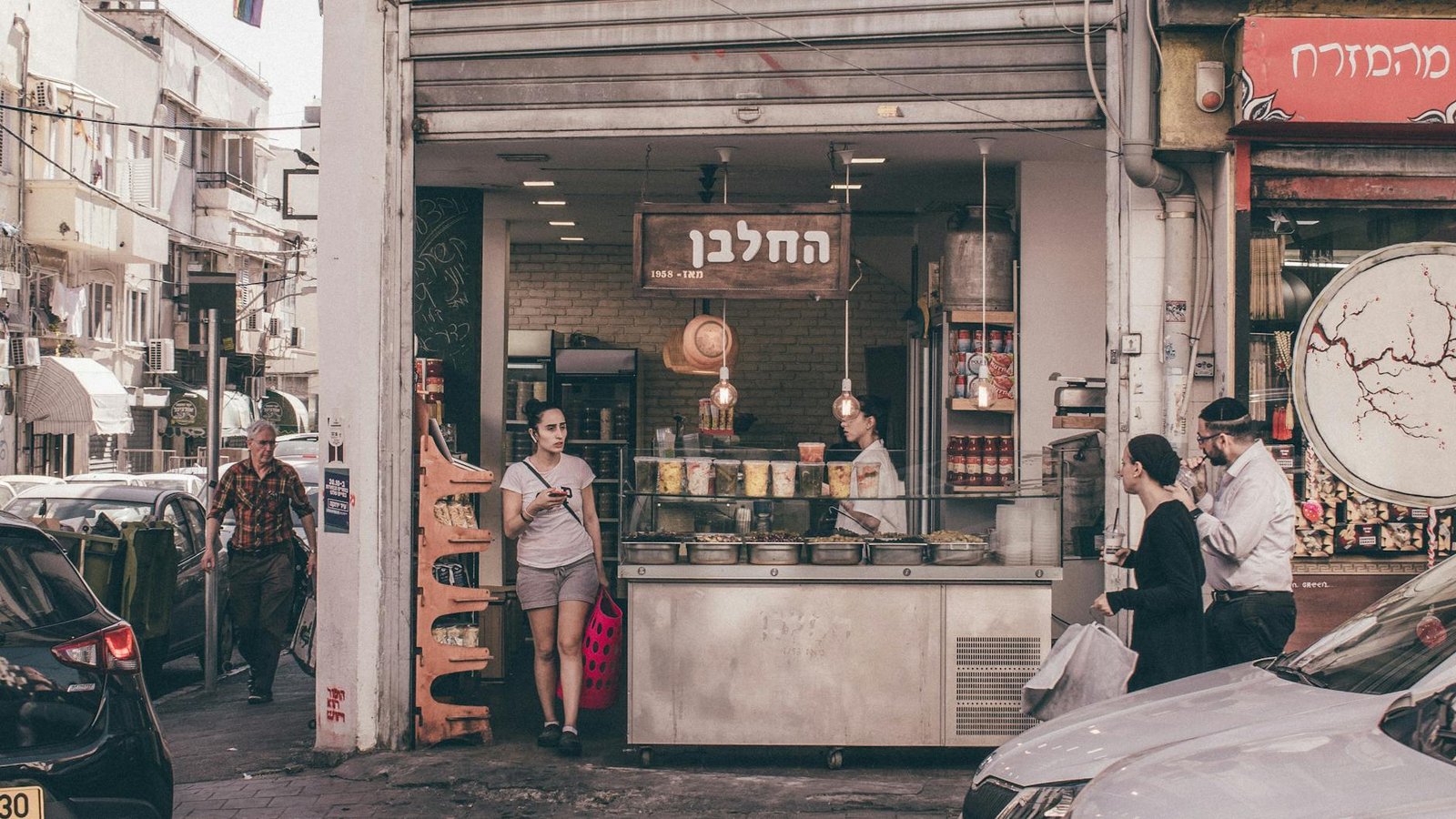
Carmel Market (Shuk HaCarmel) is the beating heart of Tel Aviv’s food culture, a sprawling bazaar that has operated since 1891. Walking through its narrow lanes, you’ll encounter vendors shouting their daily specials, mountains of colorful produce, fresh fish, olives, spices, and traditional Israeli delicacies. The market is best visited in the morning when it’s most active, and you should definitely sample fresh juice from one of the squeezers, warm pita bread with za’atar, and creamy hummus from the dedicated hummus stands that have perfected their recipes over generations.
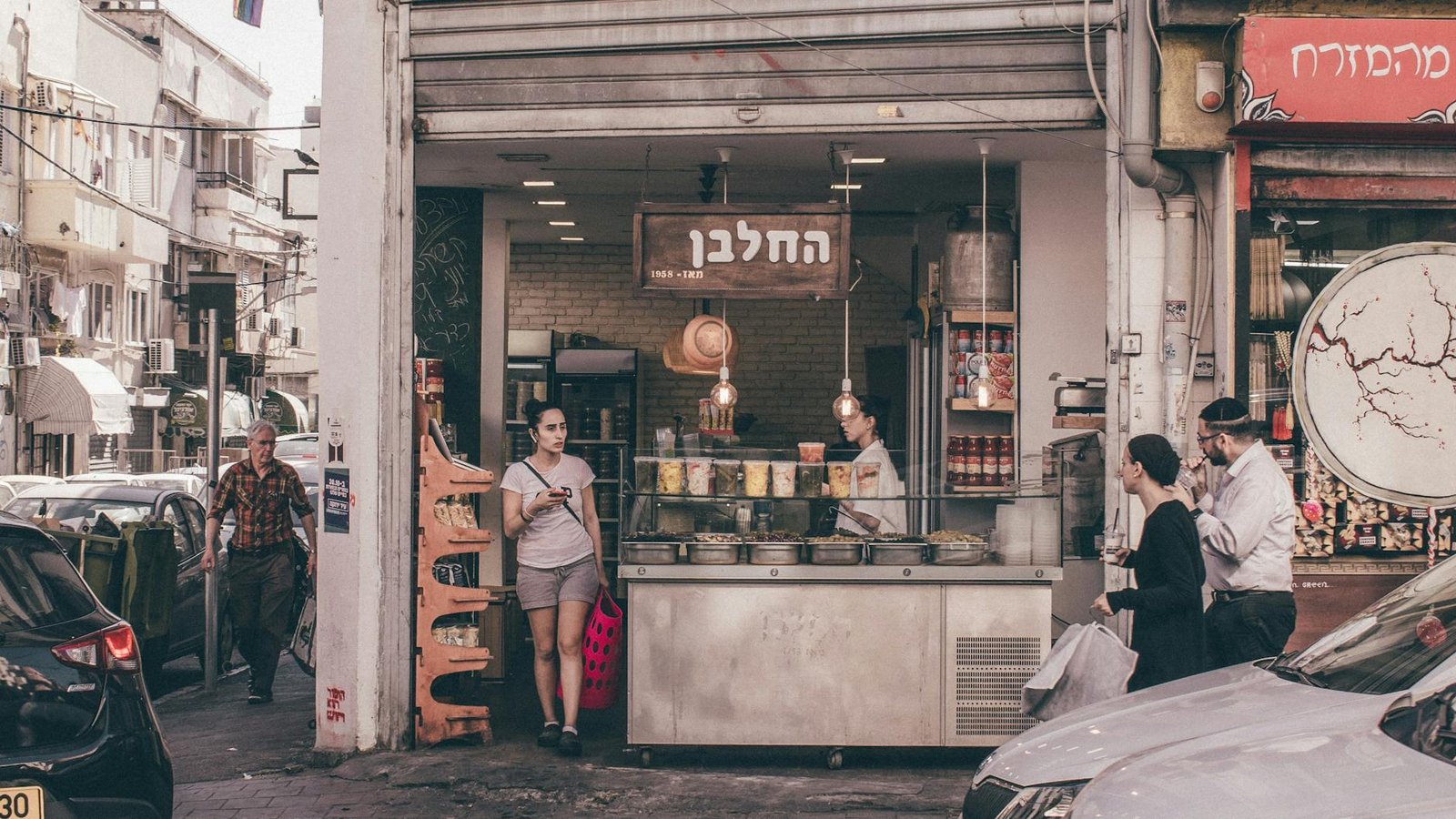
For a market experience, head to Levinsky Market in the Florentin neighborhood, south Tel Aviv. Built from the late 1920s by Jewish immigrants from Thessaloniki and reshaped in the 1950s by arrivals from Iran, it runs along Levinsky Street and offers spices, olives, cured meats, cheeses, and herbal teas. It is busiest on Fridays.
Top Street Food: Eating Like a Local
Street food in Tel Aviv is an art form, and you haven’t truly experienced the city until you’ve eaten while walking. Sabich—a crispy-on-the-outside, soft-on-the-inside eggplant sandwich layered with hummus, tahini, tomato, cucumber, and hard-boiled egg—is absolutely essential. Visit Sabich Tchernichovsky for what many consider the best version in the city. Falafel is another staple; try the legendary spots like Falafel Hakosem on Shlomo Hamelech for perfectly fried, herb-filled balls served with tahini and pickles.
Don’t miss Israeli shakshuka from casual eateries throughout the city—this baked egg and tomato stew is comfort food at its finest. For a quick lunch, grab a fresh fish fillet with chips wrapped in pita from one of the seafood stands near the port, or sample bourekas (phyllo pastries filled with cheese, potato, or spinach) from bakeries like Bourekas Penso. Late-night food cravings are best satisfied with a proper shawarma or döner kebab from family-run shops that have been perfecting their craft for decades.
Best Restaurants: Where to Dine
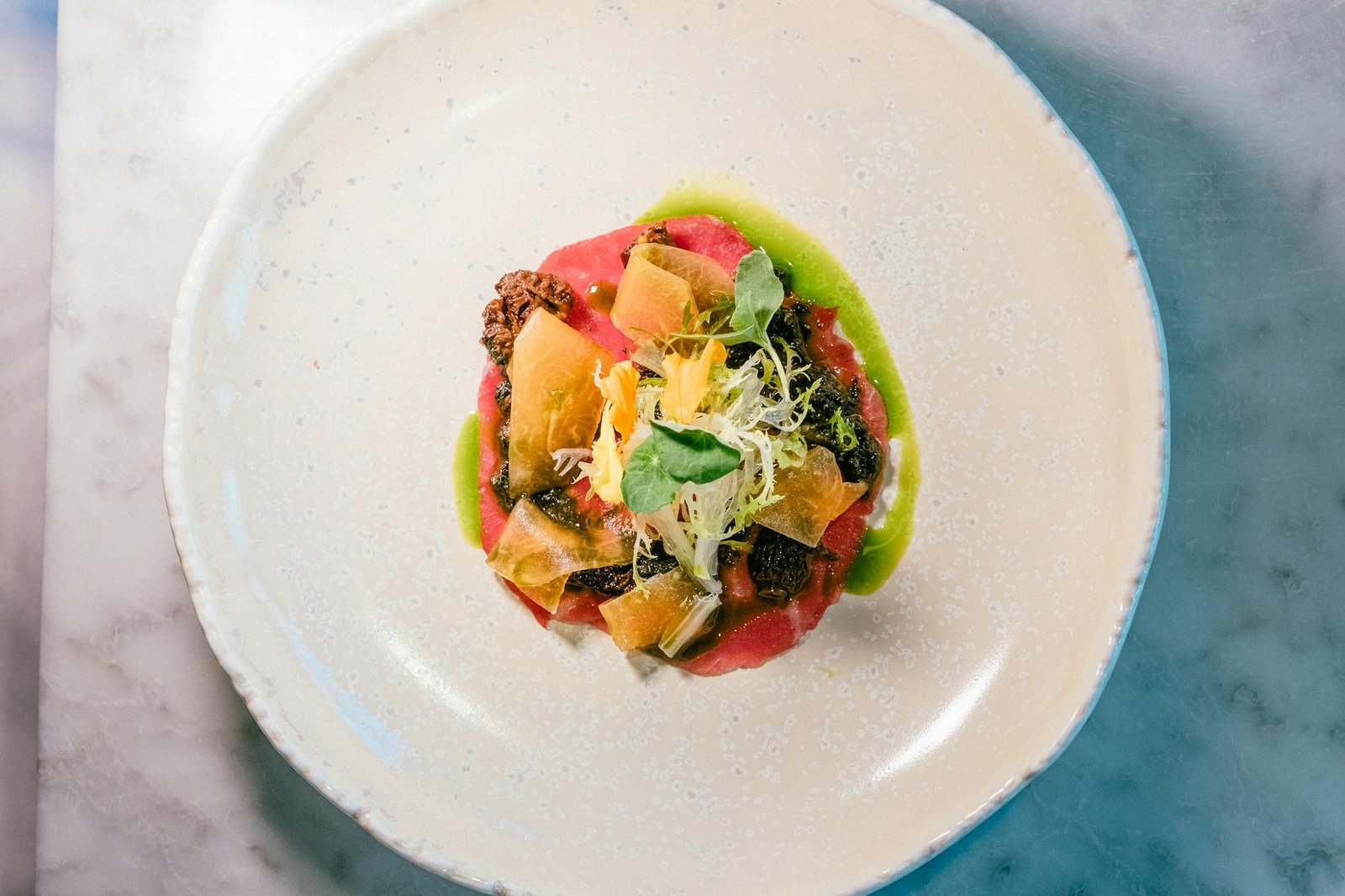
For contemporary Israeli fine dining, Mizrahi Tapas Taqueria blends traditional flavors with creative presentations, while elevated Mediterranean cuisine can be found at a number of sophisticated spots across the city.
If you want to experience authentic, family-style dining, Abu Hassan in Jaffa has been serving the best hummus in the city for over 40 years from a humble storefront. Equally beloved is Dr. Shakshuka in the same neighborhood, where the signature dish is served in a cozy, atmospheric setting filled with vintage memorabilia. For a casual but exceptional experience, try Herbert Samuel Fish Restaurant, where the fish is landed fresh daily and prepared with minimal fuss to let the quality shine through. These establishments represent the soul of Tel Aviv’s food scene—places where quality, tradition, and genuine hospitality matter most.
When to Visit for Food
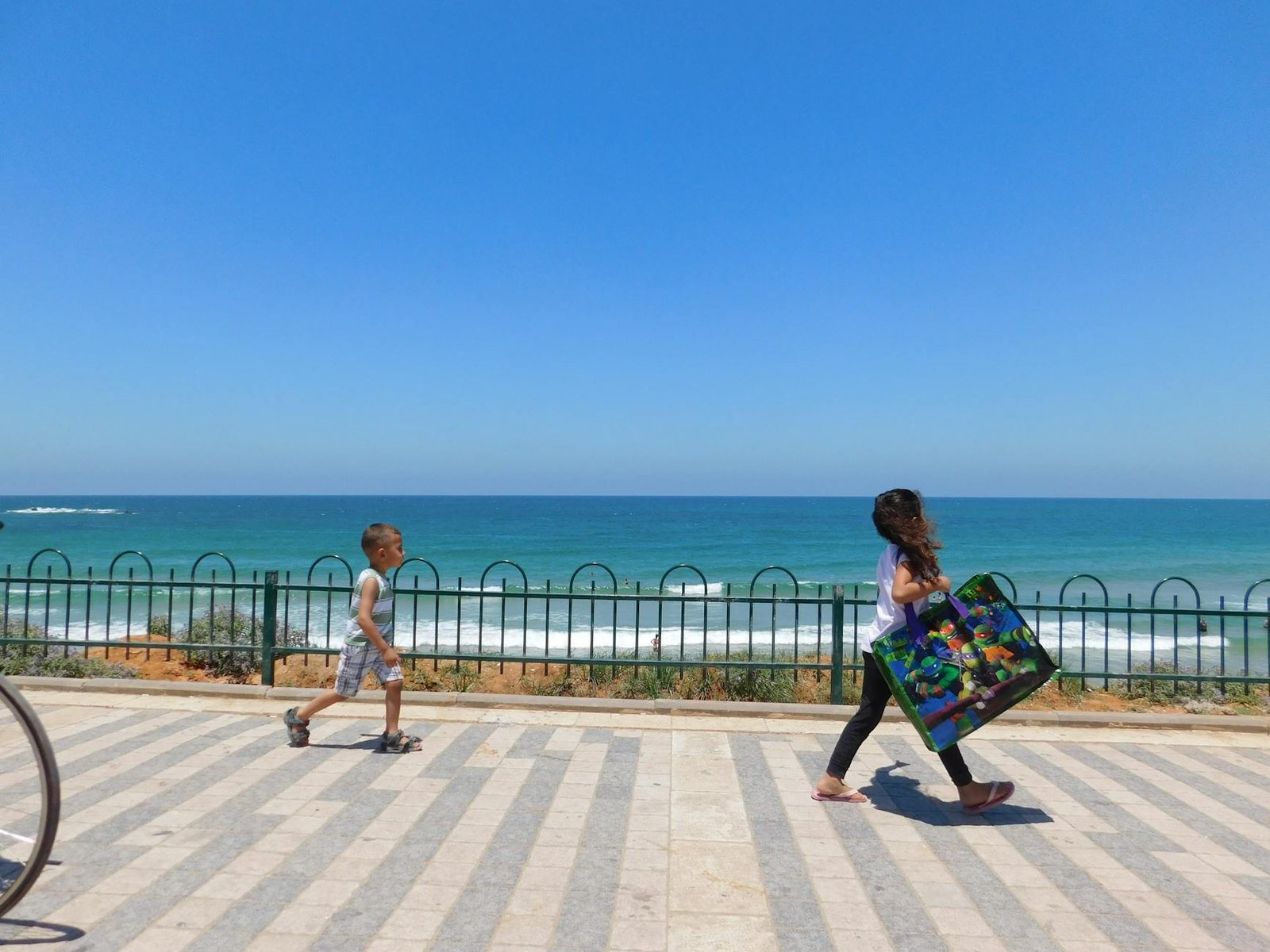
The best time to experience Tel Aviv’s food scene is during the Mediterranean spring (March-May) and fall (September-November) when temperatures are perfect for exploring neighborhoods on foot and outdoor dining. The spring brings fresh produce to markets—artichokes, spring greens, and wild herbs that inspire seasonal menus. Fall offers another bounty with tomatoes, peppers, and herbs at their peak, and the weather is ideal for beachfront dining and market exploration without the intense summer heat.
If possible, plan your visit around the Jewish holidays, which deeply influence the city’s food culture. Shabbat meals on Friday evenings offer insight into traditional Israeli home cooking, though restaurants and markets close for the holiday. Summer months (June-August) bring food festivals and outdoor markets, though the heat can be intense. Winter is quieter and still offers excellent food experiences, with hearty stews and warming fare reflecting the seasonal shift.
Neighborhoods to Explore for Food
Florentin is Tel Aviv’s artistic, bohemian neighborhood, filled with independent restaurants, vintage shops, and culinary innovators. This area has become ground zero for Tel Aviv’s newest food trends, with creative fusion concepts, natural wine bars, and experimental food courts. The neighborhood’s youth and energy make it perfect for experiencing the cutting edge of Tel Aviv’s food scene. Meanwhile, the Old Port district offers stunning waterfront dining with fresh seafood that literally comes off boats you can see from your table, creating an authentic seaside dining experience.
For traditional flavors and a more authentic local experience, Jaffa—Tel Aviv’s ancient Arab neighbor—offers incredible Palestinian and Arab cuisine that predates modern Israel. The winding streets are filled with family-owned restaurants, spice shops, and sweet bakeries producing traditional pastries and confections. White City (the Bauhaus neighborhood) features numerous cafés and bistros reflecting Tel Aviv’s cosmopolitan character, while the neighborhood around Allenby and Dizengoff streets offers everything from haute cuisine to classic Israeli comfort food.
Best Food Tours: Guided Experiences
For those wanting expert guidance through Tel Aviv’s culinary landscape, Viator offers several excellent food tours including market walks, cooking classes, and neighborhood culinary tours led by knowledgeable local guides. These tours typically include tastings at multiple locations and provide context about the city’s food culture and history. GetYourGuide similarly offers comprehensive food experiences, from street food tours focusing on Carmel Market to Jaffa-specific tours exploring Arab cuisine and historic eateries that have operated for generations.
Private food tour companies like Tel Aviv Food Tours provide intimate, customizable experiences where you can focus on your specific culinary interests—whether that’s vegan cuisine, wine pairings, or traditional Jewish foods. Many tours include stops at markets, street food vendors, and sit-down restaurants, often concluding with a full meal at a local favorite. Booking a tour is particularly valuable if you’re visiting for the first time, as guides can explain the cultural and historical context of dishes while navigating you to places tourists often miss.
Israeli Specialties You Must Try
Beyond the items mentioned, seek out some uniquely Israeli dishes that define the country’s food identity. Labneh—thick, creamy strained yogurt—appears on nearly every breakfast table and is perfect served with olive oil and za’atar. Israeli salad, a finely chopped mixture of tomatoes, cucumbers, and parsley, accompanies nearly every meal. Knafeh, a dessert of shredded pastry, cheese, and syrup, is absolutely essential for those with a sweet tooth, especially from established bakeries in Jaffa where it’s been perfected over centuries.
Try Israeli wine from local producers, as the country has developed a sophisticated wine culture over recent decades. Arak, the anise-flavored spirit, is traditionally enjoyed with mezze. For breakfast—considered the most important meal—expect platters of cheeses, olives, breads, fresh vegetables, eggs prepared multiple ways, and spreads that showcase Israeli hospitality at its finest. The culture of leisurely breakfasts cannot be overstated; plan to spend at least two hours at a café experiencing this essential Tel Aviv ritual.



Book a Food Experience in Tel Aviv
Handpicked experiences — book with free cancellation and instant confirmation.
Explore More Food Tours
More food guides from Israel:
You might also enjoy:
- Beirut Food Tour Guide (Lebanon)
- Nicosia Food Tour Guide (Cyprus)
- Bodrum Food Tour Guide (Turkey)
- Gaziantep Food Tour Guide (Turkey)
- Goreme Food Tour Guide (Turkey)
Featured in:
Frequently Asked Questions
What is the typical cost of a food tour in Tel Aviv?
Most food tours in Tel Aviv range from 150-300 Israeli Shekels (approximately $40-80 USD) per person for a 3-4 hour tour, though premium tours with wine pairings can cost up to 500 Shekels. Prices typically include tastings at multiple restaurants and street food vendors, though beverages and tips are often separate. Group sizes and tour operators affect pricing, with private tours commanding higher rates than group experiences.
How long does a typical Tel Aviv food tour last?
Most food tours in Tel Aviv last between 3-4 hours, covering 5-8 different food stops throughout the city. Some specialized tours, such as evening food and wine experiences or market-focused tours, can extend to 5 hours or more. Morning and afternoon tours are the most common, typically starting between 9-10 AM or 3-4 PM to avoid peak heat.
What local Tel Aviv food should I expect on a food tour?
You'll typically sample hummus, falafel, sabich (roasted eggplant sandwich), shakshuka (eggs in tomato sauce), fresh Mediterranean salads, and locally-caught seafood, especially at Jaffa's fish restaurants. Tel Aviv's food scene emphasizes fresh Israeli produce, dairy like labneh and halloumi, and street food specialties such as burekas (pastries) and shwarma with Israeli salads. Tours often include tastings of Israeli wines and local craft beers, reflecting Tel Aviv's vibrant culinary innovation.
What are the best neighborhoods in Tel Aviv for street food?
Carmel Market (Shuk HaCarmel) is the historic heart of Tel Aviv street food, offering vibrant stalls with fresh produce, hummus joints, and traditional Israeli fare dating back decades. Jaffa's Old City and port area are excellent for fresh seafood and Palestinian-influenced cuisine, while the Neveh Tzedek neighborhood combines bohemian charm with artisanal food vendors. Dizengoff Street and the surrounding area offer modern street food experiences, including contemporary takes on traditional dishes from trendy restaurants and food stalls.
How can I manage dietary restrictions on a Tel Aviv food tour?
Most tour operators in Tel Aviv accommodate vegetarian, vegan, kosher, and gluten-free diets when notified in advance, as Israeli cuisine naturally features abundant plant-based options like hummus, sabich, and vegetable-based mezze platters. Inform your tour guide of restrictions at the beginning so they can substitute dishes and select appropriate vendors—many Tel Aviv restaurants cater to these diets given the city's diverse population. Shellfish allergies and other allergies should also be communicated early, as guides can direct you to safe food options at each stop.