Warsaw Food Tour – Best Local Food & Restaurants
Warsaw, Poland: The Ultimate Food Guide
A Culinary Journey Through Poland’s Vibrant Capital
Warsaw has undergone a remarkable transformation over the past two decades, and nowhere is this more evident than in its food scene. Once considered a culinary backwater, Poland’s capital has emerged as one of Europe’s most exciting gastronomic destinations. The city’s restaurants range from humble milk bars serving traditional Polish comfort food to ambitious establishments pushing the boundaries of modern cuisine. Whether you’re wandering through the cobblestone streets of the Old Town or exploring trendy neighborhoods like Praga, Warsaw offers an incredible array of flavors that tell the story of Poland’s rich cultural heritage and contemporary innovation.
The food culture in Warsaw is deeply rooted in tradition yet constantly evolving. Local chefs are reimagining classic Polish dishes with modern techniques while maintaining their authentic essence. You’ll find young entrepreneurs opening farm-to-table restaurants, craft breweries, and innovative street food stalls alongside family-run establishments that have been serving the same recipes for generations. This blend of old and new makes Warsaw an ideal destination for food lovers who want to experience both the comfort of traditional Polish cuisine and the excitement of culinary experimentation.
Traditional Polish Cuisine: The Heart of Warsaw’s Food Scene
To truly understand Warsaw’s food culture, you must start with traditional Polish cuisine. Piercing the soul of Polish cooking are dishes like barszcz, a deeply earthy beet soup that appears on tables throughout the year but holds special significance during Christmas and Easter. Zurek, a sour rye soup served in a bread bowl, is another Warsaw staple that warms you from the inside out. These aren’t just dishes; they’re expressions of Polish identity and regional pride. The flavors are bold, the portions are generous, and every meal tells a story of agricultural traditions and family recipes passed down through generations.

Pierogi remain the undisputed king of Polish comfort food, and Warsaw is the place to experience them in all their glory. These half-moon shaped dumplings come filled with countless combinations: potato and cheese (the classic), sauerkraut and mushroom, ground meat, or even sweet variations with fruit. You’ll find pierogi at casual milk bars (bar mleczny) for just a few zloty, at upscale restaurants where chefs present elevated versions, and at dedicated pierogi specialists throughout the city. Kielbasa, Poland’s famous sausage, and paczki, a rich fried pastry often filled with jam or cream, round out the essential Polish dishes every visitor should taste.
The Legendary Milk Bars (Bar Mleczny)
One of Warsaw’s most uniquely Polish dining experiences is the milk bar, or bar mleczny. These institutions, which originated during Communist times as government-subsidized cafeterias, have become beloved gathering places where locals still queue for authentic, affordable food. Bar Pod Barbakanem, its orange walls just metres from the Old Town walls, and Milk Bar Tosia in the Wola district are two of the city’s most iconic examples. At these establishments, you’ll order at the counter, find your seat in a crowded dining room, and enjoy meals that cost just a few euros while surrounded by Polish families, students, and elderly regulars who have been coming for decades.
The experience of eating at a milk bar is as important as the food itself. You’re not just getting a meal; you’re getting a slice of Polish life and culture. The menus typically feature daily specials handwritten on chalkboards, with options like hunter’s stew (bigos), breaded pork cutlets (kotlet mielony), and various dumpling preparations. Milk bars represent affordable, authentic dining that has somehow remained unchanged while the rest of Warsaw has modernized. For budget-conscious travelers and curious foodies alike, visiting at least one milk bar is essential to understanding the soul of Warsaw’s food culture.
Top Street Food and Markets in Warsaw
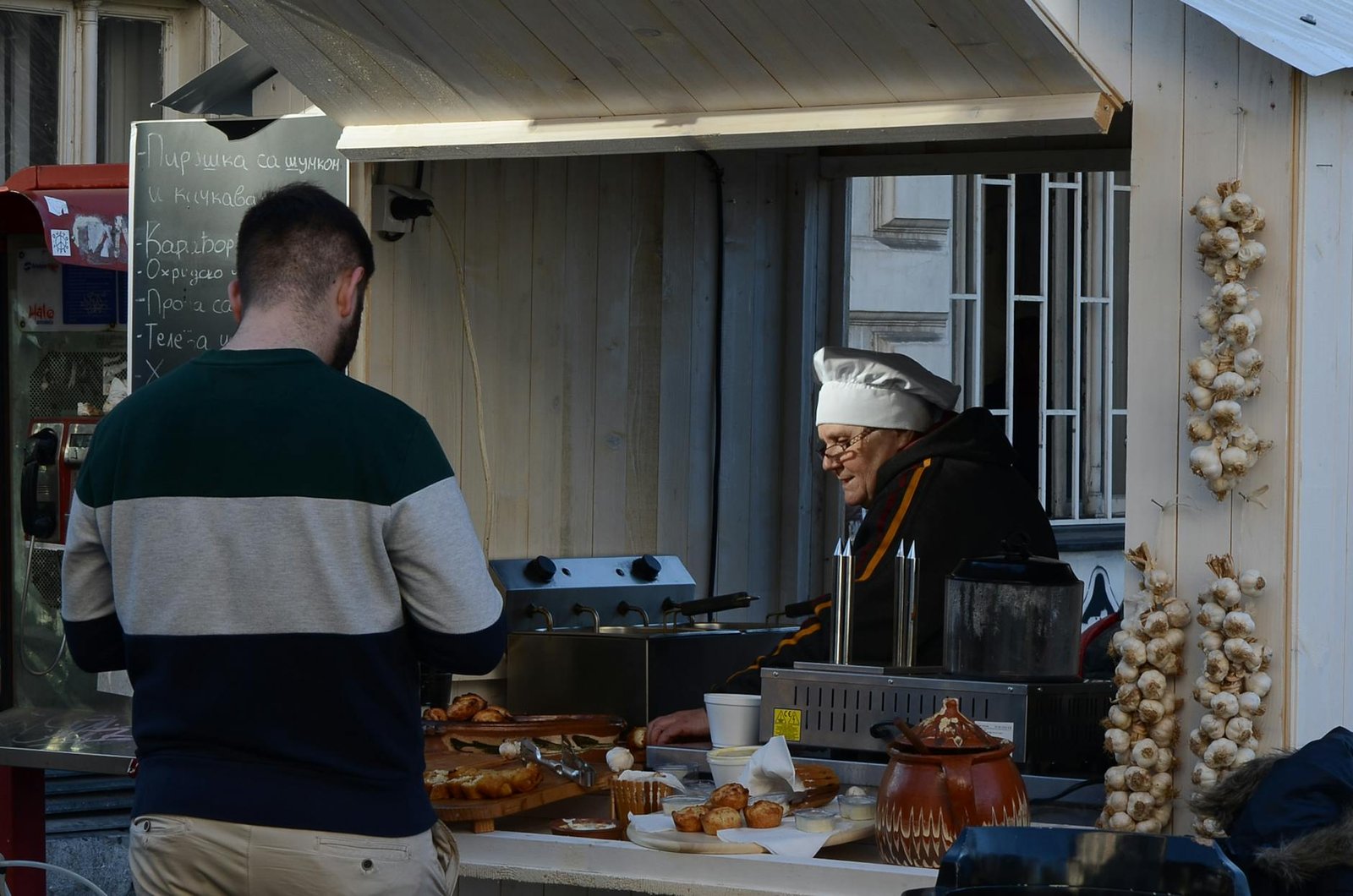
Warsaw’s street food scene has exploded in recent years, particularly in neighborhoods like Praga and around the Vistula River. Food trucks and outdoor stalls now serve everything from traditional obwarzanek (a ring-shaped bread product similar to a bagel) to modern fusion cuisine. The Old Town Square and surrounding streets are filled with vendors selling traditional snacks, though prices tend to be tourist-oriented. For a more authentic experience, head to the residential neighborhoods where locals grab breakfast or afternoon snacks from street vendors offering fresh, affordable options.

Stadion Narodowy (National Stadium) area hosts seasonal food markets and festivals, particularly during summer months, where local food entrepreneurs showcase their creations. The Sunday market at Mirów Plac (Mirów Square) in the Wola district offers fresh produce, local specialties, and prepared foods at reasonable prices. For a more curated market experience, visit Hala Gwardii, an indoor market in the Wawer district, or explore the various farmers’ markets that operate throughout the week in different neighborhoods. These markets provide insight into Polish ingredients and seasonal specialties while allowing you to purchase items for picnics or self-catering.
Best Restaurants in Warsaw
For fine dining with a Polish accent, NUTA stands out as one of Warsaw’s most celebrated restaurants, offering an innovative tasting menu that draws inspiration from Polish culinary traditions. For a more accessible upscale experience, try Polska Kuchnia in the Old Town, which presents modern interpretations of classic Polish dishes in an elegant setting. Concept 13 offers contemporary Polish cuisine in a minimalist space, while Tamka 19 provides traditional dishes in a historic townhouse setting that captures the charm of pre-war Warsaw.
Sense Restaurant focuses on seasonal ingredients and creative presentations. If you want to explore contemporary European cuisine with Polish influences, Salt in Old Town is an excellent choice with an extensive wine list. For those seeking vegetarian or vegan options, Vegab offers creative plant-based interpretations of Polish classics. Warsaw’s restaurant scene caters to all budgets and preferences, from casual neighborhood spots serving hearty portions to ambitious culinary establishments where chefs are redefining Polish cuisine for the modern palate.
Best Food Tours and Culinary Experiences
Exploring Warsaw’s food scene with a knowledgeable guide enhances the experience significantly. Viator offers several excellent food tours, including walks through the Old Town with tastings, market-to-table tours that visit local vendors and include a cooking class, and neighborhood food tours in Praga that explore the area’s growing food scene. GetYourGuide similarly provides comprehensive options, from vodka and food pairings to traditional Polish cooking classes where you can prepare dishes like barszcz and pierogi from scratch.
For a truly immersive experience, consider booking a private cooking class with a local chef who can teach you traditional Polish techniques while sharing stories about the cultural significance of each dish. Many food tours in Warsaw combine walking through neighborhood markets with tastings at milk bars and established restaurants, providing a well-rounded introduction to the city’s culinary landscape. These guided experiences often include insights into Polish food history, ingredient sourcing, and how traditional recipes have evolved, making them invaluable for serious food enthusiasts.

When to Visit Warsaw for Food
While Warsaw offers excellent food year-round, certain seasons highlight specific culinary traditions. Spring brings fresh asparagus, new potatoes, and lighter dishes as Warsaw emerges from winter. Summer is ideal for exploring outdoor food markets, street food, and riverside dining along the Vistula. Fall offers mushroom season, when forests around Warsaw yield prized varieties featured in restaurants throughout the city, and the harvest brings fresh produce to markets. Winter transforms Warsaw into a festive food destination with Christmas markets featuring traditional pastries, warm soups, and seasonal specialties.
If you’re interested in food festivals and events, plan your visit around Warsaw Food Festival (typically summer), or the various seasonal markets and celebrations. However, avoid peak tourist season in July and August if you prefer authentic experiences at milk bars and neighborhood restaurants, as these can become crowded with tourists. Spring and fall offer ideal conditions: moderate weather, fewer crowds, and excellent seasonal ingredients that inspire both traditional and contemporary Polish cuisine.


Book a Food Experience in Warsaw
Handpicked experiences — book with free cancellation and instant confirmation.
Explore More Food Tours
More food guides from Poland:
You might also enjoy:
- Vilnius Food Tour Guide (Lithuania)
- Bratislava Food Tour Guide (Slovakia)
Featured in:
Frequently Asked Questions
How much does a food tour in Warsaw cost?
Food tours in Warsaw typically range from €25 to €80 per person for a guided group tour. Private tours and premium culinary experiences can cost more, while self-guided food walks are often free or low-cost.
How long do food tours in Warsaw last?
Most guided food tours in Warsaw last between 2 and 4 hours and include multiple tasting stops. Walking food tours tend to run around 3 hours, while sit-down dining experiences may last longer.
What local dishes should I try on a Warsaw food tour?
A food tour in Warsaw is the best way to discover authentic local specialties. Your guide will take you to street food markets, traditional restaurants, and neighbourhood gems that locals love — dishes you would never find on your own.
What is the best area for street food in Warsaw?
The best areas for street food and local cuisine in Warsaw are usually found in the old town, central food markets, and traditional neighbourhoods away from the main tourist hotspots. A local food guide will show you exactly where to go.
Are food tours in Warsaw suitable for people with dietary restrictions?
Most food tour operators in Warsaw can accommodate vegetarian, vegan, halal, and gluten-free diets with advance notice. Always inform your guide of any dietary requirements when booking so they can plan the best route for you.