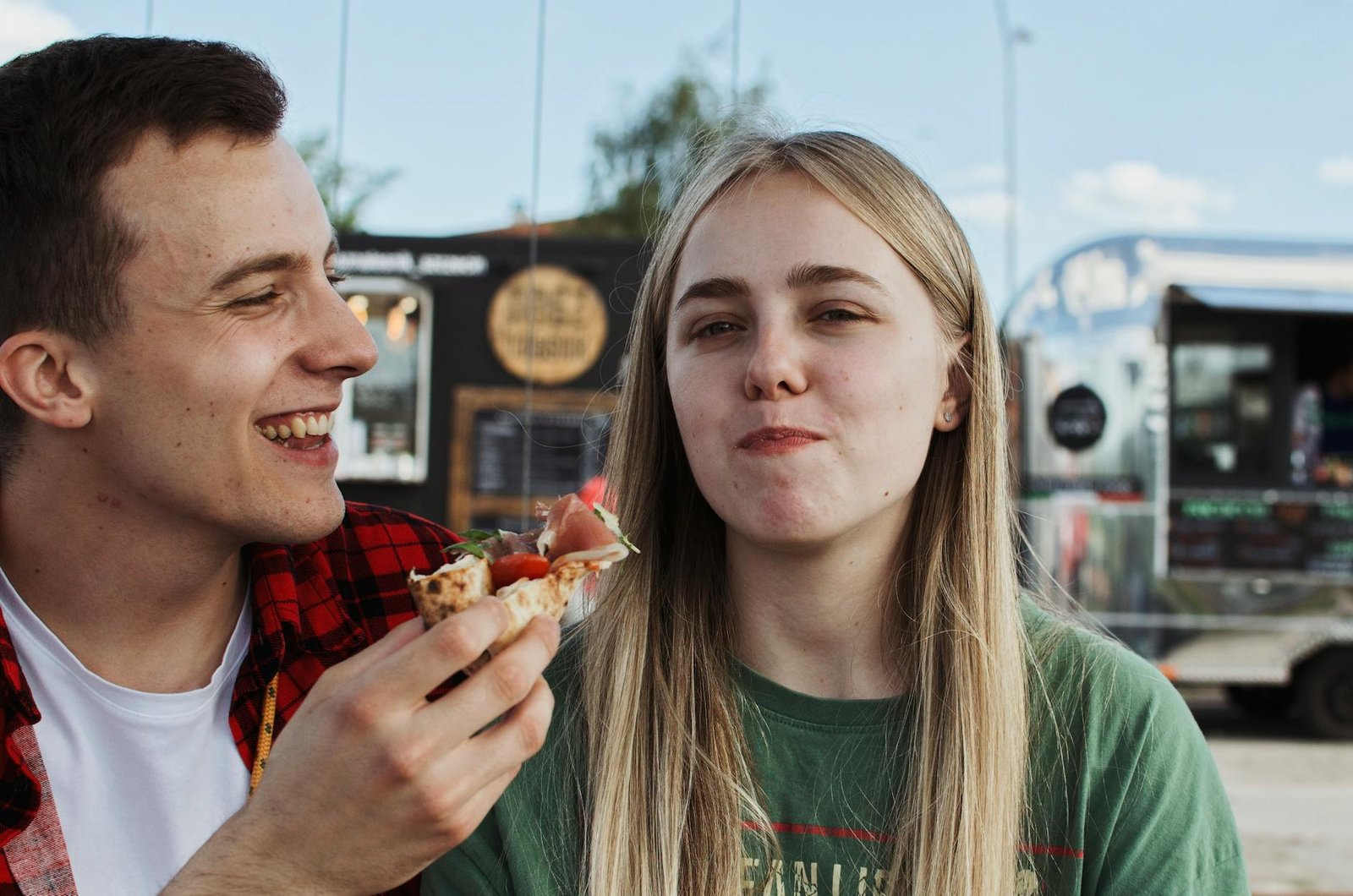
Wroclaw Food Tour – Best Local Food & Restaurants
Wroclaw, Poland: The Ultimate Food Guide
Introduction: Wroclaw’s Culinary Renaissance
Wroclaw, the vibrant capital of Lower Silesia, has emerged as one of Europe’s most exciting food destinations. This historic city, nestled along the Oder River and famous for its picturesque Market Square, offers a culinary landscape that beautifully blends traditional Polish heritage with contemporary gastronomy. From centuries-old recipes passed down through generations to innovative modern interpretations, Wroclaw’s food scene reflects the city’s complex history and its position at the crossroads of European cuisines.
The city’s gastronomic identity is deeply rooted in regional traditions. Silesian cuisine, characterized by hearty portions, rich flavors, and quality ingredients, forms the backbone of local dining. What makes Wroclaw particularly special is how local chefs honor these traditions while pushing culinary boundaries, creating an authentic yet progressive food culture that appeals to both traditionalists and adventurous eaters.
The Heart of Local Flavors: Traditional Silesian Cuisine
Silesian cuisine represents comfort food at its finest, with dishes that warm both body and soul. The region’s signature dish, Śląskie Pierniki (Silesian dumplings), consists of potato dough filled with savory fillings like sauerkraut and mushrooms, or meat and onions. These pillowy creations are nothing like their sweet counterparts from other regions—they’re substantial, flavorful, and absolutely essential to understanding Wroclaw’s food identity. Another beloved classic is Żurek, a traditional sour rye soup made with fermented rye flour, featuring white sausage and potatoes, often served in a hollowed-out rye bread bowl.
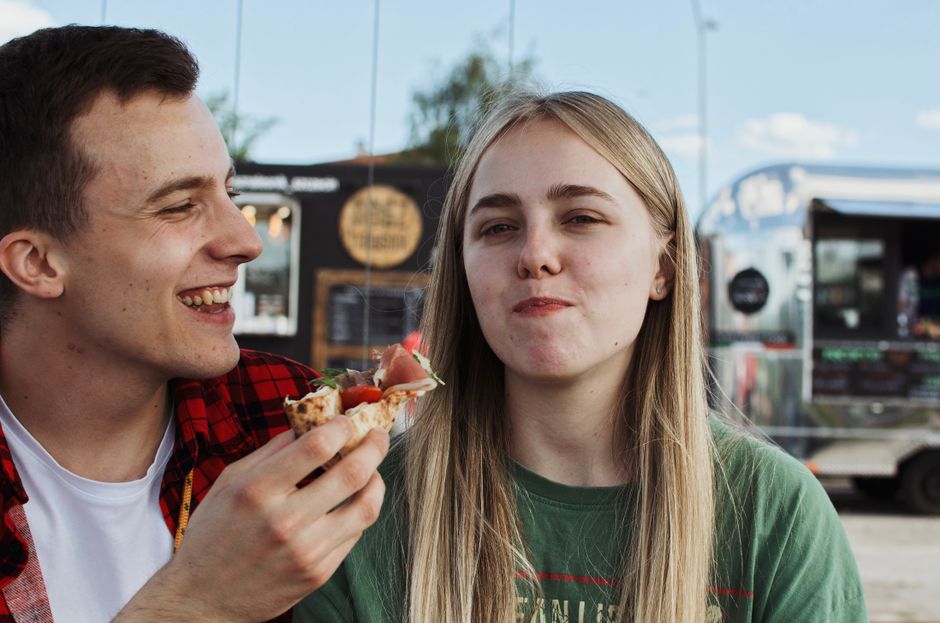
For an authentic experience, seek out restaurants serving Kluski Śląskie (Silesian potato dumplings) and Maulwurf, a local favorite consisting of layers of meat, potato, mushroom, and cabbage. The region is also famous for its smoked meats and sausages, with Wroclaw’s butchers maintaining centuries-old smoking techniques. Don’t miss Bigos, the hunter’s stew featuring various meats and sauerkraut, which represents the pinnacle of Polish rustic cooking. These dishes aren’t just meals—they’re cultural artifacts that tell stories of Silesian life and resilience.
Exploring Wroclaw’s Markets and Food Districts
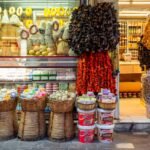
The Stary Targ (Old Market) in the city center is where Wroclaw’s food culture comes alive daily. This atmospheric square, surrounded by Renaissance buildings painted in cheerful pastels, hosts farmers selling fresh produce, local honey, artisanal cheeses, and seasonal specialties. The market remains largely unchanged from centuries past, making it feel like a step back in time while providing the freshest ingredients for both home cooks and restaurant chefs. Wednesday and Saturday mornings are particularly bustling, with vendors arriving early to display their wares.
The Nowy Targ (New Market), an underrated gem near the Rynek, offers a more local, less touristy atmosphere where you’ll find authentic Polish products and regional specialties. The nearby Pasaż Niepolski, a charming covered passage, houses several small eateries and food shops worth exploring. For a taste of Wroclaw’s market tradition, head to Hala Targowa on Ulica Piaskowa, a magnificent reinforced-concrete hall built between 1906 and 1908, where you can browse fruit and vegetables, cheese, salami and ham, visit a coffee roastery, and stop at one of the bars. Open Monday to Saturday, 8.00–18.30.
Top Street Food and Quick Bites
Wroclaw’s street food scene blends international influences with local traditions. The iconic Zapiekanka (Polish open-faced sandwich) is available from street carts throughout the city, with the best versions featuring melted cheese, mushrooms, and crispy baguette. Find authentic vendors around the Market Square and near the university areas where prices are reasonable and portions generous. For something distinctly Silesian, seek out stands selling Kluski (potato dumplings) with fried onions and mushrooms—a warming, satisfying snack for just a few zlotys.
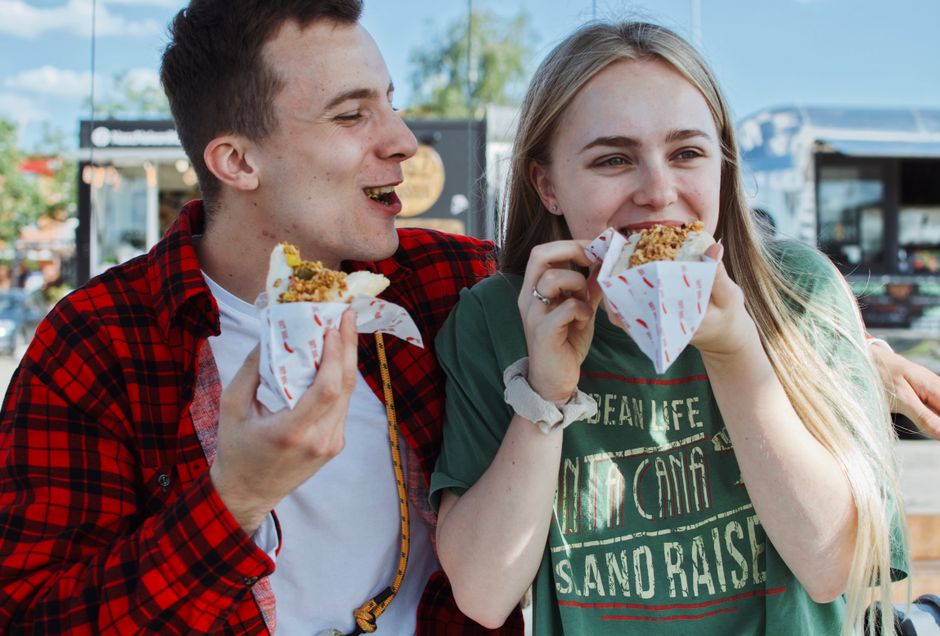
Don’t overlook the city’s growing trend of food trucks and pop-up vendors. Around Plac Solny and the surrounding streets, you’ll find contemporary street food ranging from Vietnamese banh mi to creative fusion dishes, though locals particularly love the traditional herring sandwiches sold from small kiosks. These quick bites offer authentic tastes without the commitment of a full meal, perfect for exploring the city’s food diversity between cultural attractions.
Best Restaurants for Authentic Wroclaw Dining
For traditional Silesian cuisine in an elegant setting, Karczma Lwowska is an essential destination where recipes passed down through generations are prepared with meticulous attention to detail. The mushroom soup served in rye bread and the extensive selection of regional vodkas create an immersive cultural experience.
Pod Fredrą, on the Rynek beside the Town Hall entrance opposite the Aleksander Fredro statue, serves pierogi, bigos, kaszanka, golonka, sausage and fish from its own smokehouse in a 1930s interior, open 11.00–23.00. IDA kuchnia i wino, located in a restored historic building, offers farm-to-table dining celebrating Lower Silesia’s agricultural heritage, with a carefully curated wine list featuring Polish producers. These establishments represent Wroclaw’s evolution from purely traditional to thoughtfully progressive gastronomy.
Best Food Tours and Culinary Experiences
Several platforms offer excellent guided food experiences in Wroclaw. Viator offers comprehensive walking tours focusing on traditional cuisine and market visits, with knowledgeable local guides providing historical context and insider knowledge about regional specialties. These tours typically last 3-4 hours and include tastings at multiple locations, providing excellent value for understanding Wroclaw’s food culture. GetYourGuide similarly features curated food tours emphasizing authentic neighborhood experiences, often led by passionate locals who share personal stories about family recipes and culinary traditions.
For more specialized experiences, consider booking private cooking classes with local culinary experts who teach preparation of traditional dishes in home kitchens, offering intimate, immersive learning. The Wroclaw Food Tours company specifically focuses on market-to-table experiences, starting at the Stary Targ and ending with home-cooked meals, providing the most authentic introduction to Silesian cooking available. These guided experiences remove guesswork from exploration and create memorable connections with local food culture.
When to Visit for Food: Seasonal Considerations
Spring and early summer bring fresh produce to Wroclaw’s markets, with asparagus, fresh greens, and berries defining seasonal menus. Late summer and early fall represent peak season for mushroom foraging, and local restaurants celebrate this with special mushroom preparations featured throughout menus. This season also brings new potato harvests, essential for traditional dumpling preparations, making these months ideal for experiencing Silesian cuisine at its finest.
Winter transforms Wroclaw into a cozy gastronomic haven, where hearty soups, game dishes, and preserved specialties shine. The city’s Christmas markets offer traditional festive foods like peppernuts, honey cakes, and mulled wine. December and January are excellent months for experiencing warming traditional dishes like Żurek and various pierniki variations. While summer offers vibrant market scenes and outdoor dining, winter captures the essence of Polish comfort food culture, making autumn and winter truly special seasons for food-focused visits.
Conclusion: Wroclaw’s Food Legacy and Future
Wroclaw’s food scene represents something increasingly rare in modern Europe: a city that respects and preserves culinary traditions while embracing contemporary innovation. From humble market stalls to refined restaurants, every dining experience tells stories of Silesian heritage, resilience, and hospitality. Whether you’re sharing pierniki with locals at a traditional karczma or discovering molecular gastronomy in a trendy new restaurant, Wroclaw offers comprehensive culinary education through tasting.
Planning a food-focused visit to Wroclaw means embracing both predictable classics and spontaneous discoveries. Venture beyond tourist zones, befriend restaurant staff who’ll guide you toward hidden gems, and approach each meal with curiosity and appetite. Wroclaw’s culinary renaissance welcomes all who arrive hungry—intellectually and literally.


Book a Food Experience in Wroclaw
Handpicked experiences — book with free cancellation and instant confirmation.
Explore More Food Tours
More food guides from Poland:
You might also enjoy:
- Frankfurt Food Tour Guide (Germany)
- Hamburg Food Tour Guide (Germany)
Frequently Asked Questions
How much does a food tour in Wroclaw cost?
Food tours in Wroclaw typically range from €25 to €80 per person for a guided group tour. Private tours and premium culinary experiences can cost more, while self-guided food walks are often free or low-cost.
How long do food tours in Wroclaw last?
Most guided food tours in Wroclaw last between 2 and 4 hours and include multiple tasting stops. Walking food tours tend to run around 3 hours, while sit-down dining experiences may last longer.
What local dishes should I try on a Wroclaw food tour?
A food tour in Wroclaw is the best way to discover authentic local specialties. Your guide will take you to street food markets, traditional restaurants, and neighbourhood gems that locals love — dishes you would never find on your own.
What is the best area for street food in Wroclaw?
The best areas for street food and local cuisine in Wroclaw are usually found in the old town, central food markets, and traditional neighbourhoods away from the main tourist hotspots. A local food guide will show you exactly where to go.
Are food tours in Wroclaw suitable for people with dietary restrictions?
Most food tour operators in Wroclaw can accommodate vegetarian, vegan, halal, and gluten-free diets with advance notice. Always inform your guide of any dietary requirements when booking so they can plan the best route for you.