Gdansk Food Tour – Best Local Food & Restaurants
Gdansk, Poland: The Ultimate Food Guide
A Culinary Gateway to Baltic Flavors
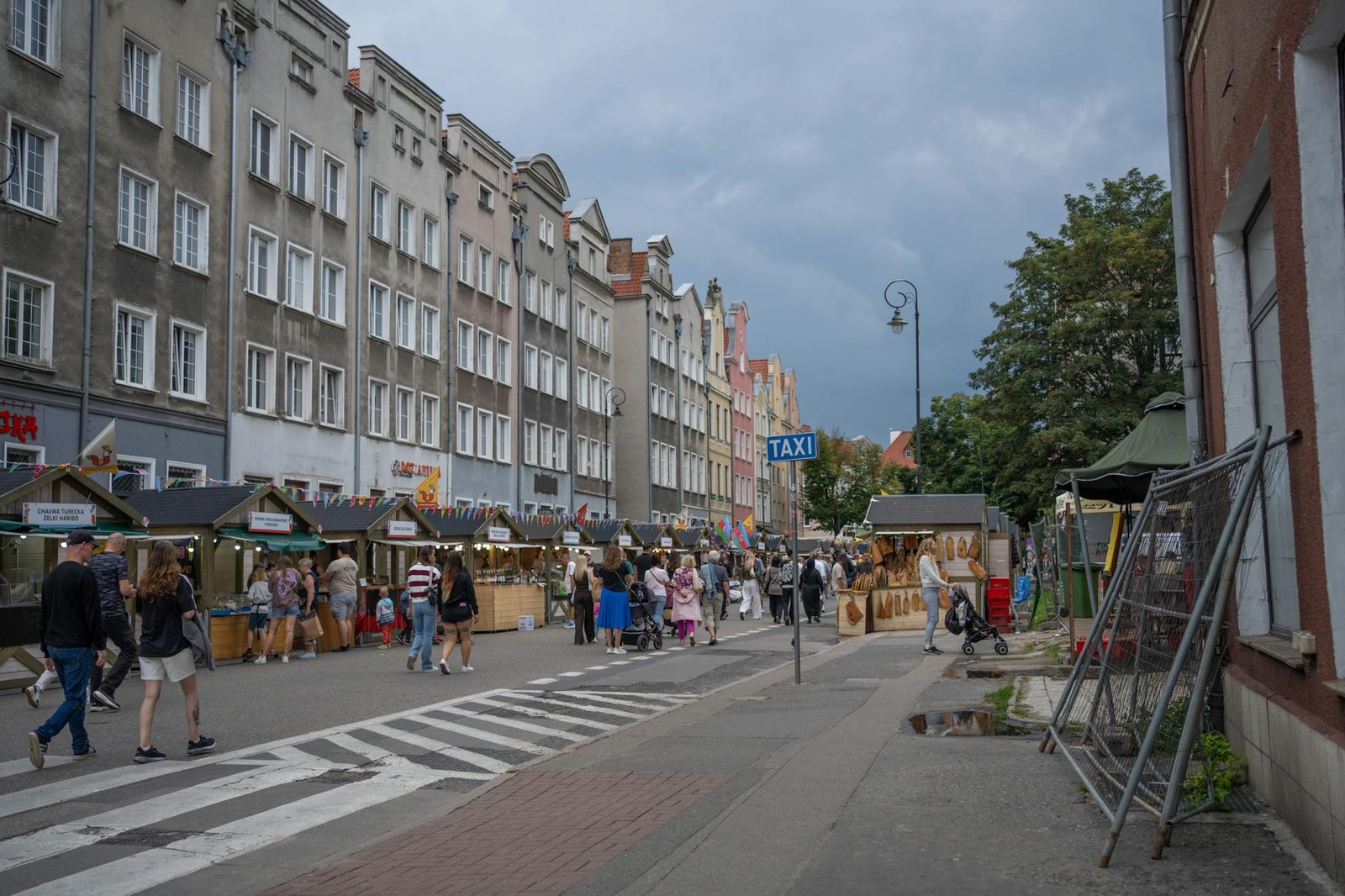
Nestled on the Baltic coast, Gdansk is Poland’s culinary treasure chest, where centuries of maritime tradition, German heritage, and Slavic flavors converge on every plate. This historic port city has been a crossroads of cultures for centuries, and this rich tapestry is beautifully reflected in its diverse food scene. From amber-colored pierniki to fresh seafood straight from the Baltic, Gdansk offers visitors an authentic taste of Polish coastal gastronomy that extends far beyond traditional pierogis and kielbasa.
Walking through Gdansk’s reconstructed Old Town, you’ll discover that food here isn’t just sustenance—it’s a celebration of the city’s resilient spirit and creative culinary evolution. The city boasts everything from refined modern restaurants to humble milk bars serving traditional zupy (soups) that have remained unchanged for generations. Whether you’re a culinary adventurer seeking modern gastronomy or a traditionalist yearning for authentic home-cooked meals, Gdansk delivers an unforgettable food experience.
Top Street Food and Local Favorites
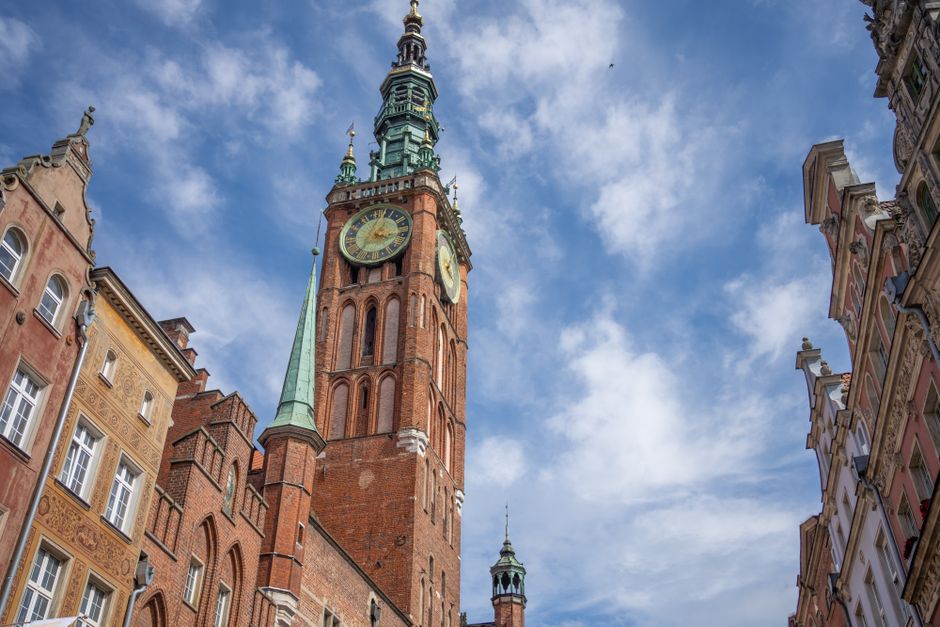
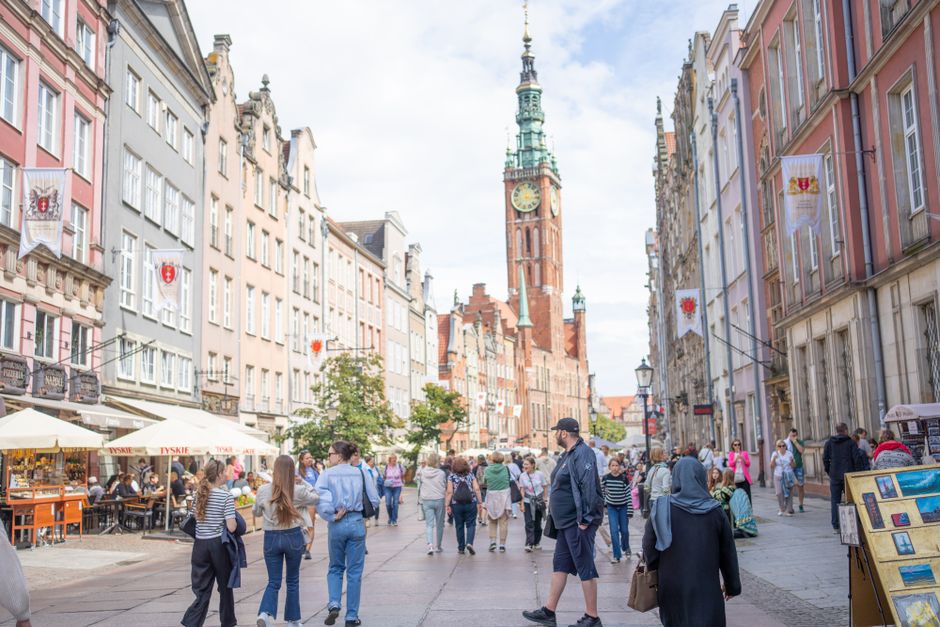
Gdansk’s street food culture is vibrant and accessible, with the most iconic treat being the paczki—a deep-fried pastry filled with jam, custard, or seasonal fruit that locals queue for at bakeries throughout the city. Seek out a local bakery in the Old Town for authentic, freshly-made paczki that practically melt in your mouth. Another must-try street staple is the zapiekanka, Poland’s answer to an open-faced sandwich, which you’ll find at numerous kiosks along Ulica Długa. These baguette slices are topped with melted cheese, mushrooms, and various meats before being grilled to crispy perfection.
Don’t miss Baltic herring snacks (sledz) available at casual seafood stands, often served with rye bread and onions—a briny, authentic taste of the coast. For something warmer, seek out the street vendors selling traditional Polish obwarzanek, a ring-shaped bread product that’s boiled then baked, typically topped with seeds or poppy seeds. The Gdansk Milk Bar (Bar Mleczny Gdańsk) on Ulica Długa serves affordable traditional plates including golabki (cabbage rolls), bigos (hunter’s stew), and żurek (sour rye soup) in a casual, working-person’s setting that’s been a fixture for decades.
Exploring Gdansk’s Food Markets
The Hala Targowa (Central Market Hall) is the beating heart of Gdansk’s food scene, a stunning nineteenth-century structure brimming with vendors selling everything from locally-caught fish to seasonal vegetables. Located at Ulica Obrońców, this market is where locals shop for dinner ingredients and where you can sample regional cheeses, smoked fish, and fresh produce. The seafood section is particularly impressive, with platters of Baltic salmon, cod, and the regional favorite—small sweet shrimp that are a delicacy during summer months.
For a more bohemian market experience, visit Targ Węglowy on weekends, where food vendors, craftspeople, and restaurateurs set up temporary stalls selling everything from craft cheeses to artisanal cold cuts. This open-air market perfectly captures the creative energy of modern Gdansk while maintaining connections to traditional food culture. Both markets offer perfect opportunities to purchase ingredients for picnics or to eat directly from vendors’ stalls while exploring the city.
Best Restaurants for Authentic Polish Cuisine
For fine dining that honors Polish traditions, Kubicki offers an elegant setting in a centuries-old warehouse where chef Krzysztof Mielcarz crafts modern interpretations of coastal and regional dishes using primarily Polish ingredients. The smoked fish preparations and inventive presentations of traditional recipes have earned the restaurant consistent recognition. For a more casual but equally authentic experience, Restauracja Przystanek Cafe serves traditional Polish comfort food in a cozy, unpretentious atmosphere where daily specials feature seasonal soups, fresh fish, and hearty meat dishes that grandmother’s would approve of.
Chleb i Wino Na Wyspie Gdańsk Restauracja, located in a charming setting on Stągiewna, specializes in seafood with a Polish accent. Their herring selection is encyclopedic, and their Baltic salmon preparations are sublime. For vegetarian travelers, Babette – pracownia zupy i chleba offers creative plant-based interpretations of Polish classics in a warm, neighbourhood setting. The pierogi here are crafted with imaginative fillings like beetroot and goat cheese, proving that traditional dishes can evolve without losing their soul.
Best Food Tours and Culinary Experiences
Several well-established platforms offer curated food experiences in Gdansk. Viator features multiple Gdansk food tours, including market-to-table experiences where local guides take you through Hala Targowa before cooking lunch together in a shared kitchen space. These tours typically last four to five hours and include tastings of local specialties, educational conversations about Polish food culture, and the opportunity to cook alongside experienced instructors.
GetYourGuide also lists various food-focused walking tours, including a popular “Old Town Food Tour” that combines historical narrative with culinary stops at seven to ten strategic locations throughout the historic center. For something more immersive, look for private cooking classes offered by local chefs who teach traditional Polish dishes in home kitchens or dedicated culinary studios. These experiences often include market visits and meals featuring your own creations, providing deeper insight into the techniques and philosophy behind Gdansk’s food traditions.
Seafood Excellence and Baltic Traditions
Being a Baltic port city, seafood forms the backbone of Gdansk’s culinary identity. Smoked fish—particularly salmon, trout, and mackerel—are local legends, available fresh at markets or beautifully presented in restaurants. The fishing traditions here date back centuries, and you’ll taste this heritage in every preparation.
Baltic amber shrimp, available primarily in summer months, are tiny, sweet treasures that shouldn’t be missed. Many restaurants serve them simply chilled with fresh lemon and rye bread, allowing their delicate flavor to shine. The tradition of fish smoking in Gdansk is so respected that several small producers maintain family recipes passed down through generations, creating products you can purchase to take home.
When to Visit Gdansk for the Best Food Experience
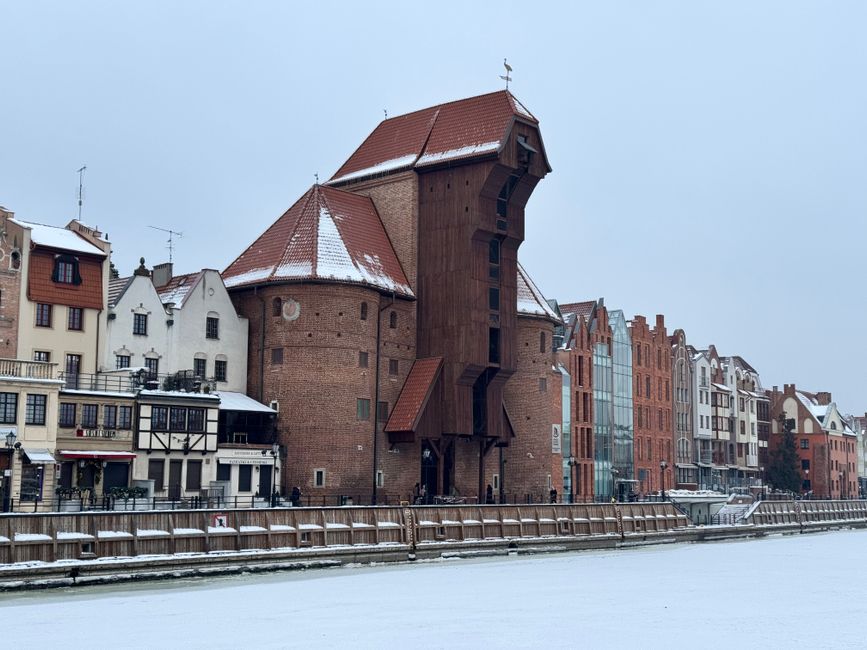
Summer months (June through August) bring the best selection of fresh seafood and seasonal ingredients, with outdoor dining becoming a central part of city life. The Amber festivals and outdoor markets are particularly vibrant during these months. However, autumn (September and October) offers a more intimate experience with fewer tourists and the arrival of seasonal game, mushrooms, and hearty comfort foods that define Polish fall cooking. Winter transforms Gdansk into a Christmas wonderland, with festive markets selling traditional holiday foods like bigos, pierniki (Polish gingerbread), and mulled wine.
Fat Thursday (the Thursday before Lent) is when Poles traditionally indulge in paczki, and bakeries throughout the city create special seasonal fillings worth timing a visit around. Spring brings lighter vegetable-focused cuisine as asparagus and fresh greens arrive at markets. Regardless of season, Gdansk’s food scene offers compelling reasons to visit, though summer provides the most complete picture of the city’s culinary offerings.
Practical Dining Tips and Local Customs
Most traditional Polish restaurants expect diners to remove outer jackets and are fairly formal in atmosphere, though newer establishments are more casual. Tipping fifteen percent is customary if service is satisfactory. Many restaurants offer lunch specials (obiad) between noon and 3 PM, representing excellent value and giving you access to full menus at reduced prices. Don’t hesitate to ask restaurant staff for recommendations—Poles are generally proud of their food traditions and enjoy sharing their favorites with genuinely interested visitors.
When visiting milk bars and casual eateries, you typically order at a counter and find your own seating. These establishments accept cash primarily, though some now take cards. Make reservations at nicer restaurants, especially during summer tourist season. Learning a few Polish food words—like “ryba” (fish), “mięso” (meat), and “smaczne” (tasty)—endears you to locals and enhances your dining experience throughout this remarkable Baltic culinary destination.


Book a Food Experience in Gdansk
Handpicked experiences — book with free cancellation and instant confirmation.
Explore More Food Tours
More food guides from Poland:
You might also enjoy:
- Vilnius Food Tour Guide (Lithuania)
- Kaunas Food Tour Guide (Lithuania)
Frequently Asked Questions
How much does a food tour in Gdansk cost?
Food tours in Gdansk typically range from €25 to €80 per person for a guided group tour. Private tours and premium culinary experiences can cost more, while self-guided food walks are often free or low-cost.
How long do food tours in Gdansk last?
Most guided food tours in Gdansk last between 2 and 4 hours and include multiple tasting stops. Walking food tours tend to run around 3 hours, while sit-down dining experiences may last longer.
What local dishes should I try on a Gdansk food tour?
A food tour in Gdansk is the best way to discover authentic local specialties. Your guide will take you to street food markets, traditional restaurants, and neighbourhood gems that locals love — dishes you would never find on your own.
What is the best area for street food in Gdansk?
The best areas for street food and local cuisine in Gdansk are usually found in the old town, central food markets, and traditional neighbourhoods away from the main tourist hotspots. A local food guide will show you exactly where to go.
Are food tours in Gdansk suitable for people with dietary restrictions?
Most food tour operators in Gdansk can accommodate vegetarian, vegan, halal, and gluten-free diets with advance notice. Always inform your guide of any dietary requirements when booking so they can plan the best route for you.