Nuremberg Food Tour – Best Local Food & Restaurants
Nuremberg, Germany: The Ultimate Food Guide
A Medieval City with Modern Culinary Ambitions
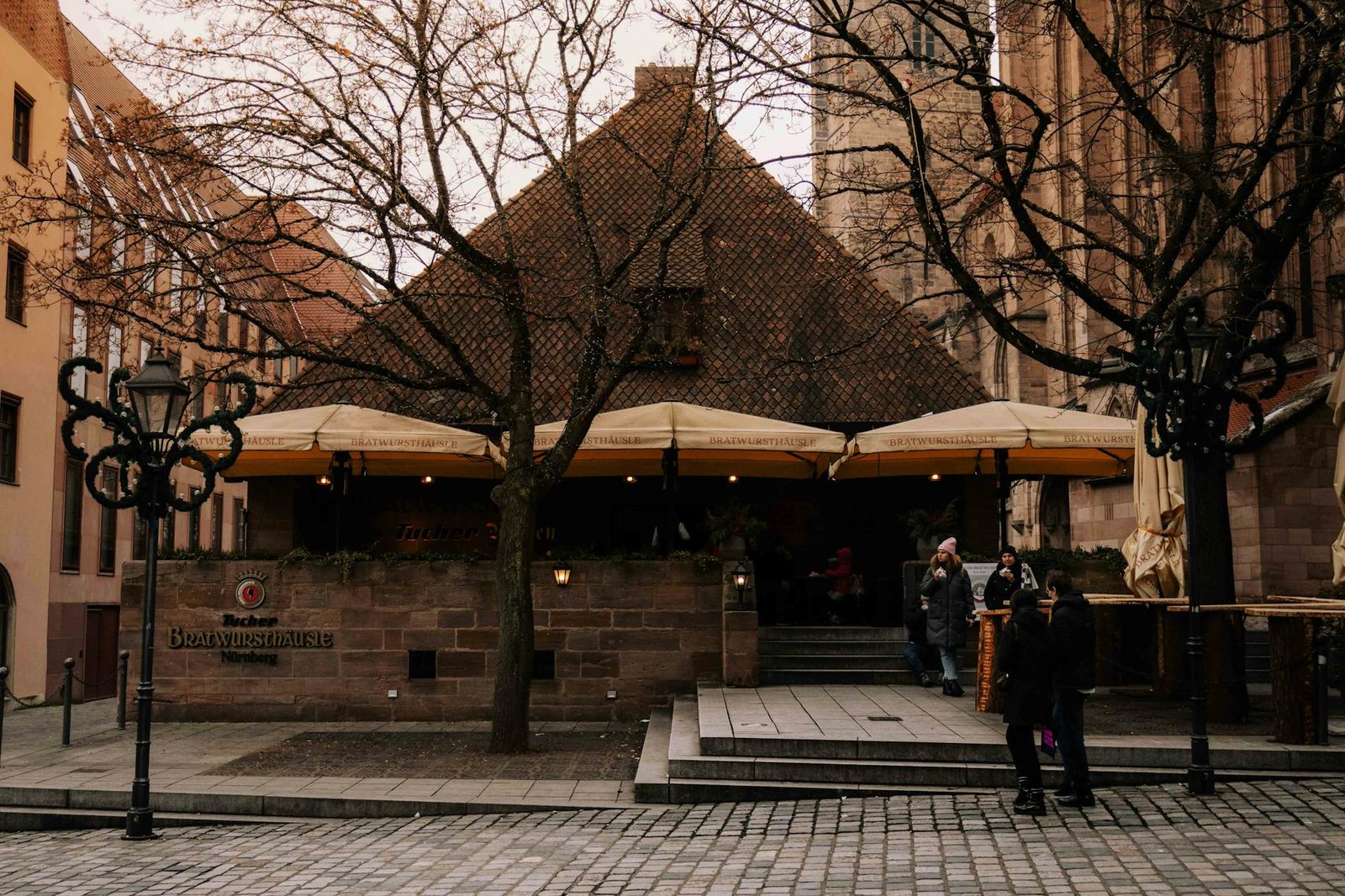
Nuremberg sits in the heart of Bavaria, and the moment you step onto the cobblestones of the Altstadt, you feel the weight of history underfoot. But the food here doesn’t feel like a museum piece. It feels alive. The city spent centuries as one of medieval Europe’s great trading hubs — spices, grains, and goods from across the continent passed through here — and that history shows up on every plate. The local food culture is genuinely Franconian, which means it borrows from both northern and southern German traditions without being quite like either.
What stands out in Nuremberg isn’t a single dish. It’s how seriously the locals take all of it — the old recipes, the regional producers, the whole idea that food here means something beyond fuel. Family recipes get handed down like heirlooms. Traditional cooking methods aren’t nostalgia; they’re just how things are done. Contemporary bistros in the Altstadt are interpreting Franconian cuisine with real skill, not gimmicks. Nuremberg has earned its reputation as a food destination, and it hasn’t done it by chasing trends.
The Iconic Nürnberger Bratwurst: A Sausage Like No Other
Let’s start with the obvious. The Nürnberger Bratwurst is a Protected Designation of Origin product — same legal status as Champagne or Parmigiano-Reggiano — and it has been refined over roughly 600 years. These are small sausages. Seven to nine centimeters long, about 25 grams each. If you’re expecting something thick and fatty, you’ll be surprised. Made with finely ground pork, marjoram, and a careful blend of spices, they’re delicate and aromatic, with a snap when you bite through the casing. Nothing else tastes quite like them. Any sausage labeled “Nürnberger Bratwurst” must be produced within the city limits using the traditional recipe — so what you’re eating here is the real thing.

Nuremberg’s central square, the Hauptmarkt, is where I’d send anyone first. Watch them grill the sausages over actual charcoal, then eat them in a warm roll with mustard and sauerkraut standing up in the square. That’s it. That’s the move. For a sit-down meal, Bratwurst Röslein on the main market square seats up to 600 and has been a bratwurst house on that site since 1493. But if you want the most historically absurd option, Zum Gulden Stern has been grilling bratwurst since 1419. Sixteen-nineteen. Let that sit for a moment.
Nuremberg’s Christmas Markets and Lebkuchen Tradition
The Nuremberg Christmas market — the Christkindlesmarkt — runs from late November through December 24th in the Hauptmarkt, and it draws visitors from across Europe for good reason. The air genuinely smells like cinnamon and cloves. It’s not a candle store; it’s actual baking. The crowds can be intense on weekends, so if you can get there on a weekday morning, do it. You’ll actually be able to breathe and look at things properly.
The Nürnberger Lebkuchen is what you come for. Gingerbread that dates back to 15th-century monks who had direct access to the spice trade routes running through the city. The glazed, decorated versions are almost too beautiful to eat — almost — but the plain ones dunked in Glühwein are honestly better. Lebkuchen-Schmidt sells year-round and has maintained traditional recipes for generations. Made with rye flour, honey, nutmeg, and cardamom, the good ones are nothing like the dry supermarket versions you might know. Visit the Lebkuchen House museum if you want the full history; it’s genuinely interesting and takes about an hour.
Top Street Food and Quick Bites
Beyond the bratwurst, the street food in Nuremberg rewards wandering. Schäufele — Franconian roasted pork shoulder — shows up at various stands around the city. Hearty, served with bread and horseradish, good for a cold afternoon. The Hauptmarkt has fresh produce, regional cheeses, and cured meats from local producers most mornings. Prices are reasonable. The quality is high.
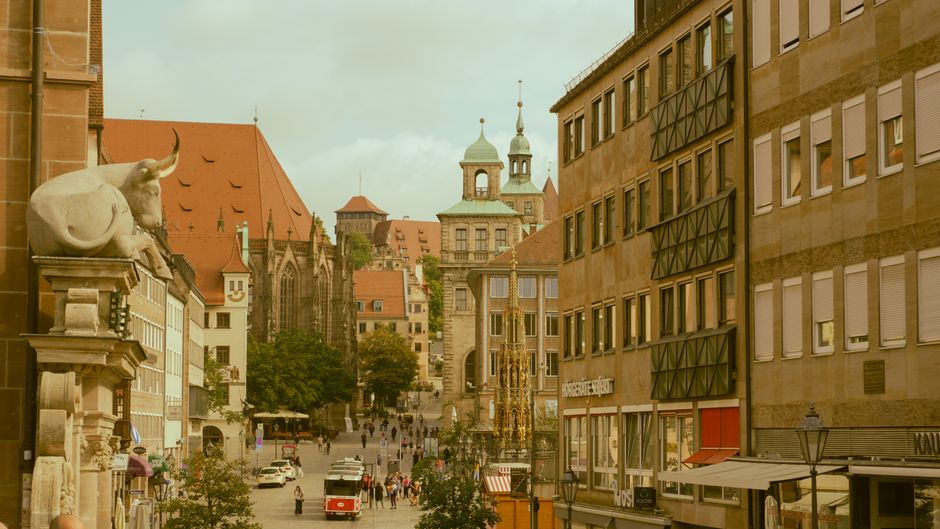
The Handwerkerhof — a reconstructed medieval craftsmen’s quarter near the main train station — has several food stands serving traditional specialties. It’s touristy, yes, but the food is genuinely good and the setting is atmospheric in a way that doesn’t feel cheap. Street vendors sell Nürnberger Rostbratwurst in paper cones throughout the Altstadt, which is the ideal format for eating while walking. If you’re visiting in winter, track down a Feuerzangenbowle preparation somewhere — flaming punch poured over a sugar cone soaked in rum. It’s theatrical and it works. Potato-based dishes and sauerkraut appear everywhere as side options, reflecting the agricultural tradition of the Franconia region.
Best Restaurants for Authentic Franconian Cuisine
Restaurant Essigbrätlein earned its two Michelin stars doing something genuinely interesting: taking classical Franconian recipes apart and rebuilding them with modern technique and serious seasonal sourcing. Chef Andree Köthe works closely with local producers and changes the menu constantly. It’s not cheap, but it’s the best meal I’ve had in Nuremberg. Book well in advance. Zum Gulden Stern, already mentioned for the bratwurst, has a proper upstairs dining room with original 15th-century wooden beams where they serve broader Franconian fare — worth seeing even if you’ve already eaten at the stand downstairs. Albrecht Dürer Stube, named after Nuremberg’s famous painter and sitting right in the heart of the Altstadt, does Nürnberger Schnitzel and fresh fish from the Pegnitz river in a setting that feels genuinely old without feeling shabby.
Best Food Tours
A guided food tour is one of the smarter ways to spend a first day in Nuremberg. You eat well, you cover ground efficiently, and you walk away knowing which places are actually worth returning to. GetYourGuide has several solid walking food tours of the Altstadt — typically 3 to 4 hours, 4 to 6 stops, with cultural context woven in alongside the tastings. These cover the medieval food history of the city without being a lecture. Viator runs good market tours centered on the Hauptmarkt, where you get to interact with vendors and sample seasonal products that you’d probably walk straight past on your own.
The better guides have real relationships with the vendors and restaurant owners they visit — you sometimes get tastings or access that you simply wouldn’t arrange independently. December tours lean heavily into the Christmas market experience, which makes sense. Summer tours tend to focus more on beer gardens and outdoor culture. Either way, booking through these platforms means vetted guides and structured experiences that mix the well-known spots with places that locals actually use.
[viator_box]

[gyg_box]
When to Visit for Food
December is the obvious answer, and it’s obvious because it’s true. The Christmas markets run from late November through December 24th, and the combination of Lebkuchen, Glühwein, roasted almonds, and cold air in the Altstadt is genuinely special. Go on weekdays if you can. Weekends in December are crowded in a way that stops being fun fairly quickly.
Summer — June through August — is excellent for different reasons. Beer gardens open up across the city, seasonal produce peaks, and restaurants shift to lighter dishes that show off regional fruit and vegetables. Spring brings asparagus season in April and May, and white asparagus is taken seriously here — simple preparations with hollandaise, or worked into traditional Franconian dishes. Fall runs from September into October with game, mushrooms, and the start of the Franconian wine harvest. The Nuremberg Festival (Nürnberger Volksfest) happens in late summer with local beer and food and traditional Bavarian entertainment — worth timing a trip around if regional culinary culture is the main draw. Skip January and early February. Many restaurants cut their hours, seasonal produce disappears, and the city is quieter than you might want it to be.
Day Trip: Exploring Franconia’s Culinary Region
If you have extra days, the Franconia region around Nuremberg is worth leaving the city for. Erlangen is about 30 minutes away and has its own beer gardens and specialties — low-key, genuinely local, easy half-day. Bamberg is 45 minutes and is a different kind of food destination entirely: famous for its smoked Rauchbier and its own Schäufele preparations, with a beautifully preserved old town that feels less trafficked than Nuremberg’s Altstadt. The Franconian wine villages around Eltmann and Castell produce wines that pair well with the regional food — they’re not internationally famous, which keeps prices sensible.
The broader Franconia region has more breweries per capita than anywhere else in Germany, and many of them function as restaurants and welcome visitors for tours and tastings. Several tour companies run day trips from Nuremberg focused on regional wine and food, visiting family-owned producers and local markets. These trips give real context to what you’ve been eating in the city — you start to understand where the ingredients come from and how the agricultural landscape shapes the cuisine. For anyone seriously interested in German food traditions, spending a day outside Nuremberg in the surrounding Bavarian countryside is time very well spent.

Book a Food Experience in Nuremberg
Handpicked experiences — book with free cancellation and instant confirmation.
Explore More Food Tours
More food guides from Germany:
You might also enjoy:
- Vienna Food Tour Guide (Austria)
- Brno Food Tour Guide (Czech Republic)
Featured in:
Frequently Asked Questions
How much does a food tour in Nuremberg cost?
Food tours in Nuremberg typically range from €25 to €80 per person for a guided group tour. Private tours and premium culinary experiences can cost more, while self-guided food walks are often free or low-cost.
How long do food tours in Nuremberg last?
Most guided food tours in Nuremberg last between 2 and 4 hours and include multiple tasting stops. Walking food tours tend to run around 3 hours, while sit-down dining experiences may last longer.
What local dishes should I try on a Nuremberg food tour?
A food tour in Nuremberg is the best way to discover authentic local specialties. Your guide will take you to street food markets, traditional restaurants, and neighbourhood gems that locals love — dishes you would never find on your own.
What is the best area for street food in Nuremberg?
The best areas for street food and local cuisine in Nuremberg are usually found in the old town, central food markets, and traditional neighbourhoods away from the main tourist hotspots. A local food guide will show you exactly where to go.
Are food tours in Nuremberg suitable for people with dietary restrictions?
Most food tour operators in Nuremberg can accommodate vegetarian, vegan, halal, and gluten-free diets with advance notice. Always inform your guide of any dietary requirements when booking so they can plan the best route for you.