San Marino Food Tour – Best Local Food & Restaurants
San Marino, San Marino: The Ultimate Food Guide
Introduction: A Culinary Gem in the Heart of Italy
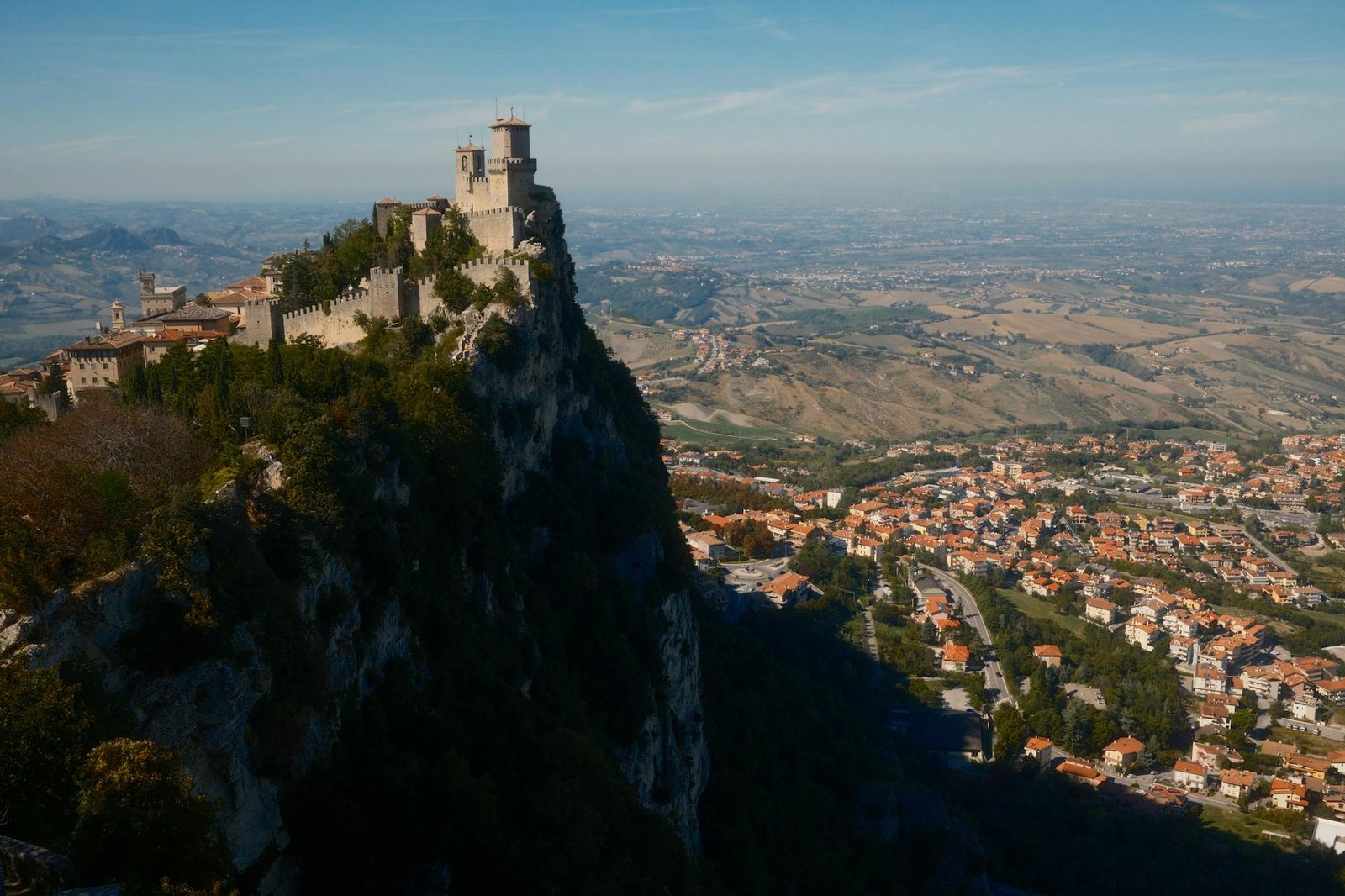
Perched majestically on Mount Titano, the microstate of San Marino offers far more than stunning panoramic views and medieval charm. This tiny European principality, nestled between Emilia-Romagna and Marche regions of Italy, boasts a distinctive culinary heritage that reflects centuries of mountain living and cultural exchange. The food of San Marino represents a beautiful intersection of Romagnol and Marchigian traditions, where simple ingredients transform into extraordinary dishes that tell stories of tradition, family, and regional pride. From hand-rolled pasta to aged cheeses and preserved meats, San Marino’s cuisine deserves a place on every food lover’s travel itinerary.
What makes San Marino’s food scene particularly special is its authenticity and accessibility. Unlike heavily touristed Italian destinations, you’ll find genuine family-run trattorias where recipes have been passed down through generations, and locals outnumber tourists at lunch counters. The small size of San Marino means you can sample the entire gastronomic landscape in just a few days, moving from rustic mountain eateries to elegant restaurants without traveling far. Whether you’re navigating the cobblestone streets of Città di San Marino or exploring the quieter parishes, every corner offers an opportunity to taste something delicious and real.
The Heart of San Marino’s Culinary Tradition
San Marino’s food culture is deeply rooted in resourcefulness and seasonality, shaped by the challenges and rewards of mountain living. Historically, the isolated mountain communities developed their own distinct food traditions, relying on what could be grown, raised, or preserved during harsh winters. Pasta, particularly hand-rolled varieties like tortellini and crescione, forms the foundation of San Marinese cuisine. These aren’t mass-produced versions but artisanal creations made with fresh eggs and filled with carefully crafted mixtures of meat, cheese, and herbs. The most famous San Marinese pasta is undoubtedly the crescione, a half-moon shaped filled pasta that differs from similar pastas found elsewhere in Italy, with its unique blend of local ingredients and preparation methods.
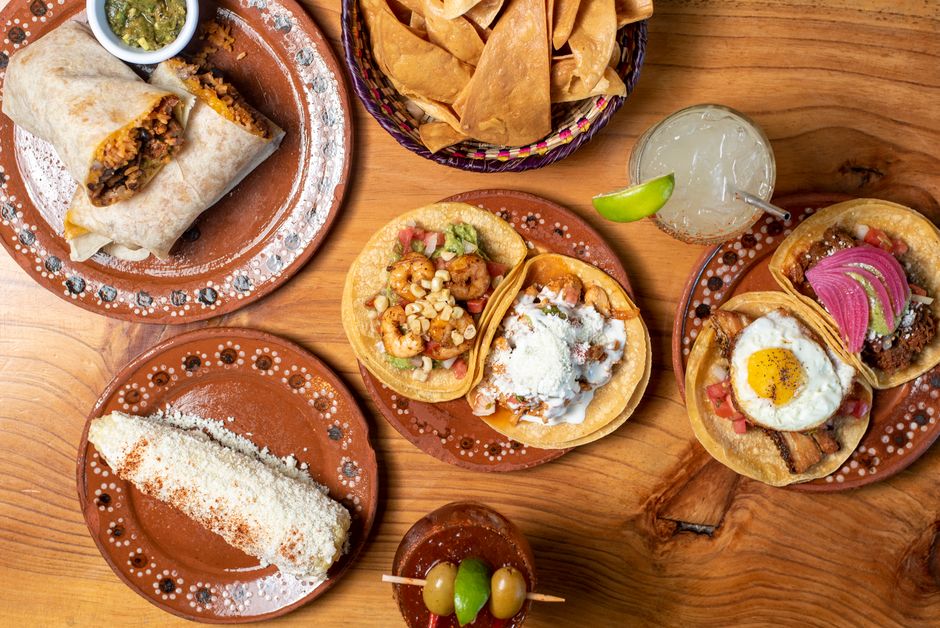
Cured meats hold equally important status in the local food hierarchy. Prosciutto San Marino, made from locally raised pigs and aged in the mountain air, develops a distinctive flavor that aficionados consider unparalleled. The same dedication applies to other cured products like mortadella and coppa, where salt, nitrates, and patience work together to create products that have been integral to San Marinese tables for centuries. Local cheeses, particularly cascata and pecorino, round out the charcuterie experience. These aren’t mere condiments but celebrations of San Marino’s pastoral heritage, often served as part of a simple yet profound antipasto that might include local honey, fig jam, or homemade mostarda.
Top Street Food and Quick Bites in Città di San Marino
The capital, Città di San Marino, is where you’ll find the most concentrated street food scene, particularly along Via Basilicata and in the charming piazzas scattered throughout the old town. Piadina, a traditional Romagnol flatbread filled with cheese, ham, or greens, is absolutely everywhere and represents the ultimate quick bite. Locals and visitors alike queue at small counters for fresh piadina, which emerge hot from traditional griddles. Try Piadina e Cassoni, a beloved spot where the owner has perfected the art of this simple but essential street food, offering both traditional and creative fillings. The bread is thin, crispy on the edges, and gloriously warm—perfect for eating while wandering through medieval streets.
Beyond piadina, seek out the small bakeries and food shops tucked into narrow alleyways where you can grab crescentina fritta (fried dough) served with local salumi and cheese, or arancini filled with ragù and peas. The roasted chestnuts sold by vendors in autumn deserve special mention, as does the simple but addictive torta di riso, a rice and egg cake that’s both dessert and breakfast. Stop by any small alimentari (grocer) to assemble your own picnic of local products: pick up a wedge of aged cheese, several slices of prosciutto, some piadina, and a bottle of local wine, then find a quiet bench with a view for an unforgettable meal.
Best Restaurants: From Casual to Fine Dining
For a genuine dining experience, Restaurant Titano offers family-style Sammarinese cuisine in a warm, unpretentious setting where locals regularly dine. The kitchen here specializes in traditional crescione filled with meat ragù and served in sage butter, alongside rustic soups and roasted meats that exemplify comfort food elevated through quality ingredients and technique. The wine list features local wines from neighboring regions, and the owners are happy to guide you through their offerings while sharing stories about how certain dishes connect to seasonal rhythms and family history.
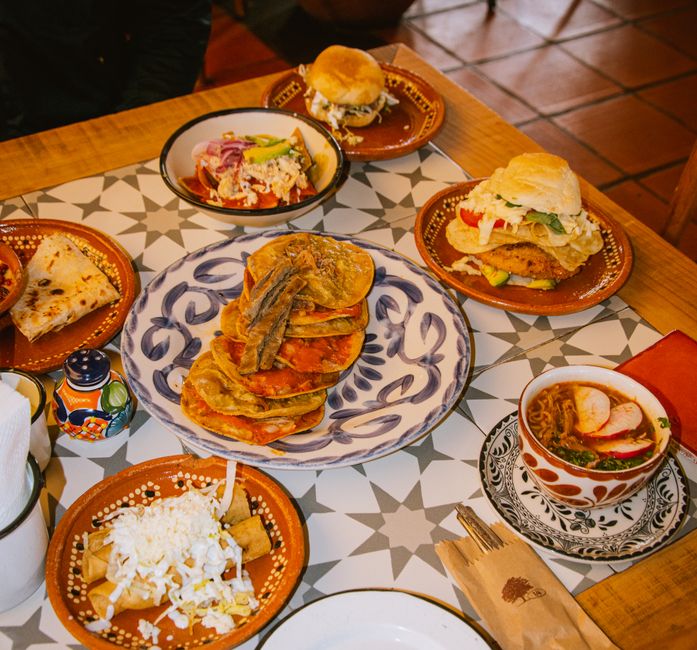
La Taverna offers a step up in sophistication while maintaining its commitment to traditional recipes. Located in a beautifully restored building within the old town, this restaurant presents elevated versions of classic dishes—perhaps a delicate tortellini in brodo served in bone marrow broth, or slowly braised wild boar with polenta. The ambiance here is elegant without being stuffy, making it perfect for celebrating a special occasion while still experiencing authentic San Marinese food. For something between these two extremes, Osteria La Gualdana provides excellent seasonal cooking in a casual setting, with an impressive selection of local cured meats and a notably strong wine program.
Markets and Local Ingredients to Explore
The Mercato Coperto (covered market) in Città di San Marino, located near the base of the oldest towers, is where you’ll find the freshest produce, local meats, and specialty ingredients. This market has operated for generations and represents the true pulse of San Marinese food culture. Here you’ll encounter vendors who can guide you to the best tomatoes, artichokes, and seasonal vegetables. The butcher counters showcase different cuts of local pork and beef, and you can watch as traditional products are sliced to order. Arrive early morning when the market is most vibrant and the selection is at its peak.
For packaged goods and to-go items, seek out specialty shops like San Marino Food, which curates the best local products under one roof—everything from aged balsamic to specialty pastas to jars of preserved mushrooms and truffles. These shops are invaluable for purchasing gifts or provisioning yourself with supplies for picnics and snacks throughout your stay. Many of these establishments can also provide detailed information about product origins and production methods, deepening your understanding of where your food comes from.
Best Food Tours: Structured Culinary Experiences
For those preferring guided experiences, Viator offers several food-focused tours of San Marino that combine walking tours of the old town with tastings at local establishments and artisanal producers. These tours typically include visits to cured meat producers, cheese makers, and traditional pasta workshops, providing behind-the-scenes insight into how iconic San Marinese products are made. The guides are knowledgeable about food history and can explain the cultural significance of different dishes while connecting you with local producers who are proud to share their work.
GetYourGuide similarly features curated food experiences ranging from half-day tasting tours to multi-course dinners at local restaurants. Many of these tours include market visits, allowing you to shop alongside your guide and learn to identify quality ingredients like a local. The advantage of booking through these platforms is that you can read reviews from other food travelers, compare different tour styles and focuses, and often receive skip-the-line access to popular restaurants. These structured experiences are particularly valuable if you prefer organized exploration or have limited time to navigate San Marino’s food scene independently.

Wine and Beverages: Sipping Through San Marino
San Marino itself produces limited wine, but its position at the intersection of Emilia-Romagna and Marche regions means exceptional wines from both areas are readily available. Local wine shops and restaurants feature Sangiovese from Romagna, Montepulciano d’Abruzzo, and Vermentino from the Marche. Many restaurants offer outstanding wine pairings with traditional foods, and proprietors are eager to discuss how local wines complement specific dishes. Don’t overlook local digestifs and liqueurs, particularly those made from local herbs and fruits—these are perfect for sipping after dinner and are quintessentially San Marinese.
Coffee culture thrives here too, with espresso bars serving excellent shots pulled from quality machines. The ritual of standing at the bar for your morning caffè is worth experiencing, and you’ll notice how locals interact with baristas they’ve known for years. For non-alcoholic options, freshly squeezed fruit juices and traditional hot chocolate (incredibly thick and rich) are popular during cooler months. Many bars offer excellent aperitivo hour where you can enjoy a spritz or beer with complimentary snacks.
When to Visit for Food: Seasonal Considerations
Spring (April-May) brings fresh asparagus, artichokes, and young greens to San Marino’s tables, making it an excellent time to experience seasonal cuisine and visit during the comfortable weather. Summer (June-August) is peak tourist season, meaning more crowded restaurants but also vibrant outdoor dining and the most extensive menu selections. Autumn (September-October) is arguably the best season for food lovers, as wild mushrooms, truffles, grapes for wine production, and hunting season meats dominate menus. This is when you’ll encounter some of the most interesting and rustic preparations at restaurants.
Winter (November-February) offers a quieter, more intimate experience with hearty soups, slow-braised meats, and rich preparations dominating menus. The months leading up to Christmas feature special pastries, cured meats, and seasonal specialties that won’t appear other times of year. Consider visiting during food festivals like the Festa del Tartufo (truffle festival) if these culinary events align with your travel plans. Regardless of season, San Marino’s food culture remains vibrant and authentic, though your menu will beautifully reflect what’s currently harvested and produced in the region.
Book a Food Experience in Top Destinations
Handpicked experiences — book with free cancellation and instant confirmation.
Explore More Food Tours
Frequently Asked Questions
How much does a food tour in San Marino cost?
Food tours in San Marino typically range from €25 to €80 per person for a guided group tour. Private tours and premium culinary experiences can cost more, while self-guided food walks are often free or low-cost.
How long do food tours in San Marino last?
Most guided food tours in San Marino last between 2 and 4 hours and include multiple tasting stops. Walking food tours tend to run around 3 hours, while sit-down dining experiences may last longer.
What local dishes should I try on a San Marino food tour?
A food tour in San Marino is the best way to discover authentic local specialties. Your guide will take you to street food markets, traditional restaurants, and neighbourhood gems that locals love — dishes you would never find on your own.
What is the best area for street food in San Marino?
The best areas for street food and local cuisine in San Marino are usually found in the old town, central food markets, and traditional neighbourhoods away from the main tourist hotspots. A local food guide will show you exactly where to go.
Are food tours in San Marino suitable for people with dietary restrictions?
Most food tour operators in San Marino can accommodate vegetarian, vegan, halal, and gluten-free diets with advance notice. Always inform your guide of any dietary requirements when booking so they can plan the best route for you.