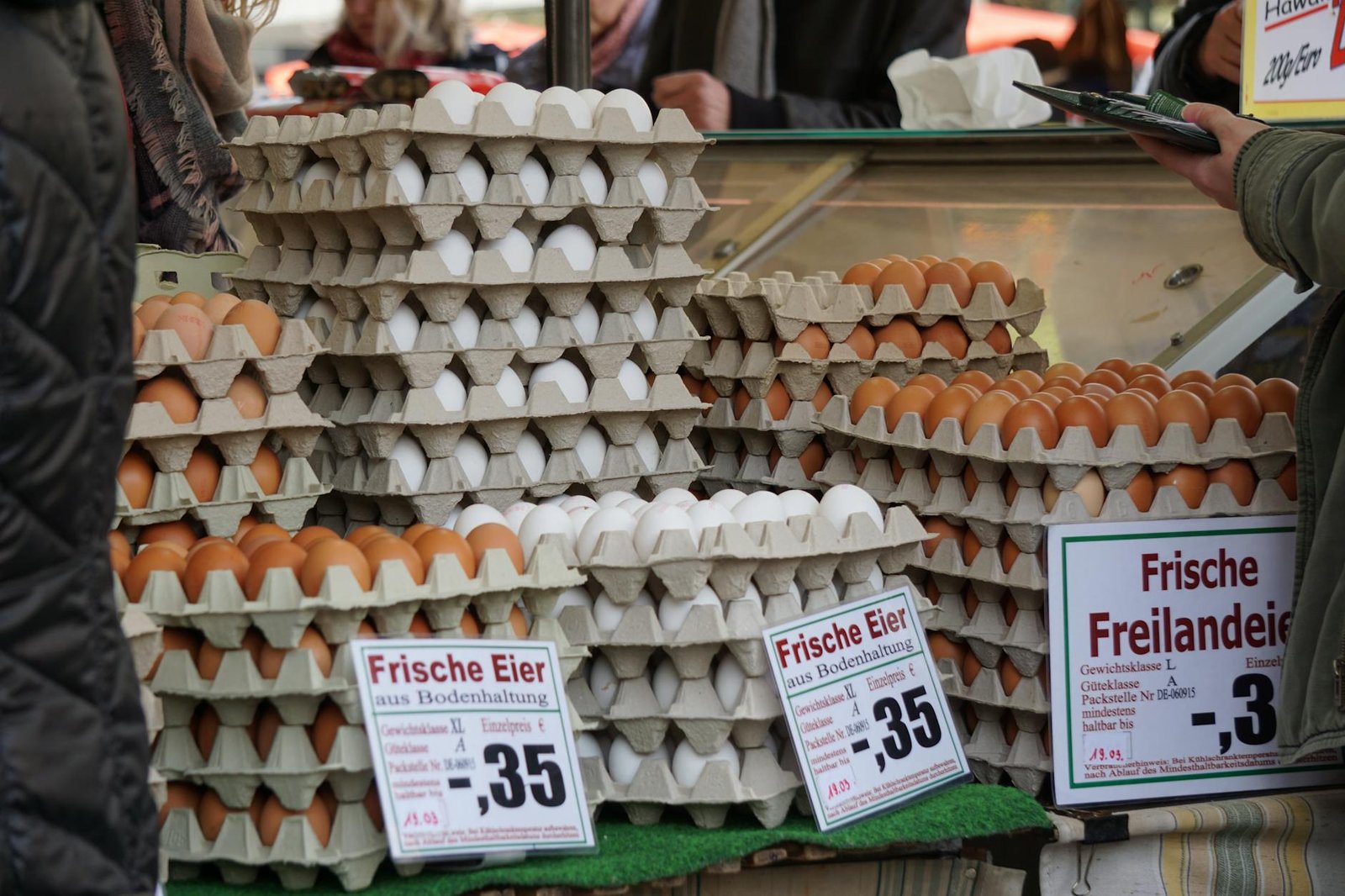
Frankfurt Food Tour – Best Local Food & Restaurants
Frankfurt, Germany: The Ultimate Food Guide
Introduction to Frankfurt’s Culinary Scene
Frankfurt gets overlooked. Berlin gets the cool factor, Munich gets the beer halls and the tourists, and Frankfurt quietly gets on with being one of Germany’s most interesting cities to eat in. It sits on the Main River, runs on apple wine, and has built a food identity that’s genuinely its own — Hessian cooking at its core, with layers of international influence added by the city’s role as a major European financial hub. The result is a food scene that takes its traditional recipes seriously while also supporting restaurants that are doing genuinely creative things.
The Bankenviertel crowd needs feeding, so there are expense-account restaurants. But there’s also Sachsenhausen, where apple wine taverns have been pouring from ceramic pitchers since before your grandparents were born. Frankfurt caters to every budget. The food culture runs deep here — certain recipes haven’t changed in generations, and the locals will tell you exactly why they shouldn’t.
The Heart of Hessian Cuisine: Traditional Dishes You Must Try
Grüne Sauce is the dish you need to understand first. Seven herbs — parsley, chives, sorrel, borage, cress, chervil, and burnet — blended into a cold, tangy sauce with vinegar or buttermilk, served over boiled eggs and potatoes. It sounds simple. It tastes unlike anything else in Germany. Every cook has their own ratio, and Frankfurters will argue passionately about whose version is best. Find it at a family-run tavern rather than a tourist-facing restaurant — the difference is noticeable.

Handkäse mit Musik is next, and yes, it smells exactly as intense as it sounds. It’s a small, sour hand cheese marinated in vinegar, oil, and raw onions. The “music” in the name is a local joke about what the onions do to you later. Acquired taste, absolutely. Worth trying, yes. Wädele — roasted pork knuckle — shows up across Germany, but the local preparation here has its own character. And then there’s Äppelwoi, the apple wine that anchors everything. Tart, low in alcohol, served in a Bembel (a blue-grey ceramic jug), it pairs with everything on this list. The local saying “Äppelwoi und Musik” captures something real about how people actually spend their evenings here.
Sachsenhausen: Where Tradition Meets the River
Cross the Main River to the south bank and you’re in Sachsenhausen. This is where the old Frankfurt food culture lives. The streets are narrow, the buildings are half-timbered, and on a weekday evening the apple wine taverns fill up with people who’ve been coming here for decades. Communal wooden tables, checkered cloths, walls covered in old photographs and painted tiles — the atmosphere is completely unpretentious in the best possible way.
Zum Gemalten Haus has been here since 1638. The hand-painted interior is genuinely beautiful, not in a polished tourist-attraction way but in an old, slightly worn, well-loved way. Apfelwein Wagner is where you’ll see locals queuing on weekends — the Grüne Sauce is excellent, the Äppelwoi comes straight from wooden barrels, and the portions are serious. Get there before 6:30pm on a Friday or accept that you’re waiting.
Main Tower Food Court and Modern Dining
The Main Tower observation deck restaurant gives you the city from above, which is a good way to understand Frankfurt’s geography before spending time at street level. But the more interesting food story in this part of the city is happening in the streets around the Bankenviertel, where younger chefs have been opening restaurants that take Hessian ingredients seriously without being slavishly traditional about it.
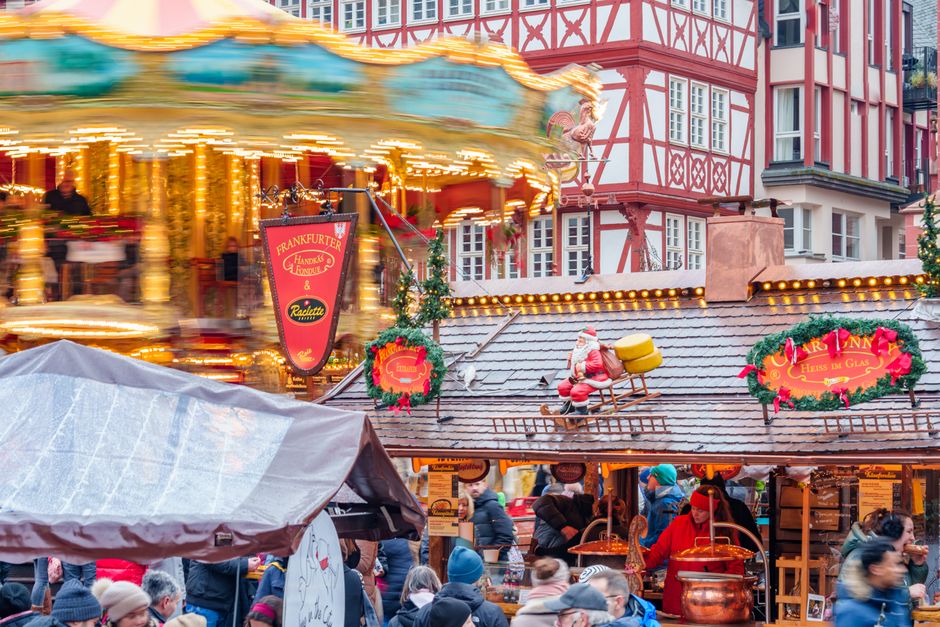
The Kleinmarkthalle, just off Zeil near Liebfrauenberg, is the real draw. It’s Frankfurt’s central market — three floors of vendors selling fresh asparagus, wild mushrooms, regional cheeses, traditional sausages, olives, spices, and hot food. Go on a weekday morning. The place is busy with people who actually cook at home, picking up ingredients they know. It closes around 6pm most days, earlier on Saturdays, and is shut Sundays. Budget an hour and eat as you walk — the vendors are generous with samples.
Best Food Tours and Guided Experiences
Honestly, a good food tour in Frankfurt is worth it, especially for the apple wine tavern culture, which has its own rituals and unwritten rules that take some decoding. Viator offers Frankfurt food tours focused on Sachsenhausen’s traditional scene, as well as broader culinary walking tours covering several neighborhoods. The Sachsenhausen-focused options are particularly good — a knowledgeable guide gets you into family-run establishments that don’t advertise in English and wouldn’t necessarily welcome an uncertain tourist fumbling through the menu alone.
GetYourGuide has solid market tour options, including visits to the Kleinmarkthalle with a local guide who can explain what’s seasonal and what’s worth buying. Several of their food and wine experiences pair regional wine with Hessian cuisine, which is a good way to understand how the food is meant to be eaten. The better tours connect the dishes to their history — why Grüne Sauce matters here specifically, why the apple wine culture developed the way it did. That context makes the eating better.
Top Street Food and Quick Bites
The Kleinmarkthalle is the best quick-bite destination in the city. Grab Handkäse mit Musik from a vendor stall, pick up a fresh Bretzel from one of the bakery counters, eat standing up. That’s lunch. Falafel stands have spread across Frankfurt, particularly through the Alt-Sachsenhausen area, and the quality is generally high — the city’s large Middle Eastern and Turkish communities have been feeding Frankfurt for decades, and the döner kebab options on nearly any main street are genuinely good.
Currywurst is everywhere, as it is across Germany. The Frankfurt versions are fine — it’s sausage with curry ketchup, it does what it’s supposed to do. Apfelstrudel from a traditional bakery is better than you’d expect: warm, properly spiced, the pastry actually crispy. For something a bit more unusual, look for Gefüllte Champignons — stuffed mushrooms with cream cheese and ham — from vendors at the city markets. Simple, cheap, satisfying.
Best Restaurants in Frankfurt
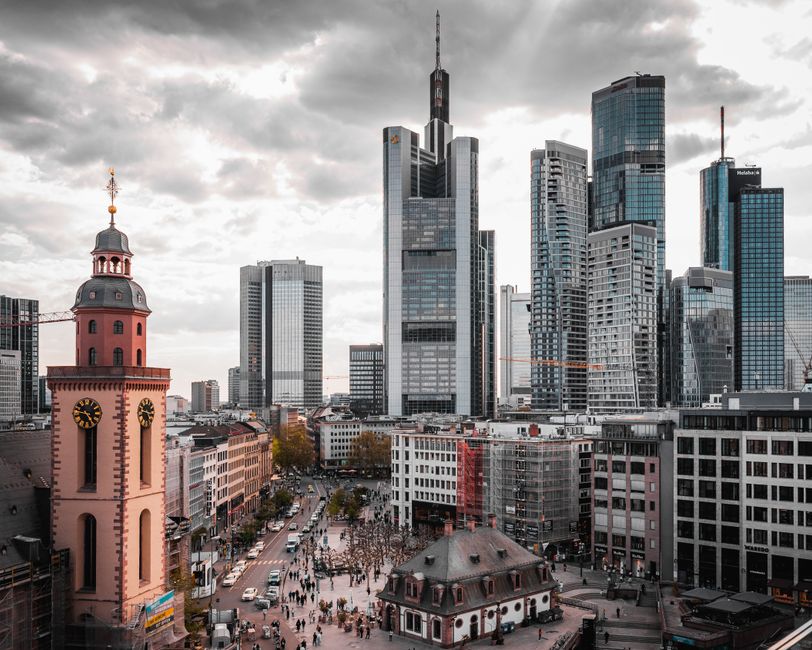
For fine dining, Lafleur has earned its Michelin recognition with contemporary cuisine that doesn’t feel like it’s trying too hard. Main Tower Restaurant trades heavily on its 200-meter-high views, and the food matches the setting — it’s expensive, but the city spread out below you at dinner is something. Budget around €80–120 per person before wine.
Mid-range and worth every euro: Zum Schwarzen Stern in Sachsenhausen. Family-run for generations, Hessian classics executed properly, no performance of tradition — just the real thing. Apfelwein Wagner and Zum Gemalten Haus remain the go-to spots for atmosphere and food together. In Bornheim, Café Karin takes regional dishes and applies a lighter, more modern touch without losing what makes them interesting. The Westend and Nordend neighborhoods have both developed into genuinely good casual dining areas over the last decade — worth wandering through on an evening with no fixed plan, looking for smaller taverns with handwritten menus on chalkboards.
When to Visit for Food
Spring means asparagus, specifically white asparagus, which the Germans treat as a near-religious event. From late April through June, it appears on menus across the city, usually prepared simply — hollandaise, potatoes, maybe a thin slice of ham. Don’t overcomplicate it. Summer is for eating outside along the Main River terraces and in the city’s beer gardens, which are numerous and unpretentious. Fall brings wild mushroom season, when Champignons and foraged varieties show up in everything from soups to pasta. Winter means hearty game dishes, thick stews, pickled vegetables doing real work.
May through October is the sweet spot for general food tourism — markets are at their liveliest, the river terraces are open, and the whole city feels more accessible. But if you want Frankfurt at its most traditionally Frankfurtian, come in November or February. Cold outside, warm inside, locals packed into the old taverns of Sachsenhausen with apple wine and Grüne Sauce. That’s when you see what the city is actually like when it’s not performing for anyone.


Book a Food Experience in Frankfurt
Handpicked experiences — book with free cancellation and instant confirmation.
Explore More Food Tours
More food guides from Germany:
You might also enjoy:
- Lodz Food Tour Guide (Poland)
- Warsaw Food Tour Guide (Poland)
Featured in:
Frequently Asked Questions
How much does a food tour in Frankfurt cost?
Food tours in Frankfurt typically range from €25 to €80 per person for a guided group tour. Private tours and premium culinary experiences can cost more, while self-guided food walks are often free or low-cost.
How long do food tours in Frankfurt last?
Most guided food tours in Frankfurt last between 2 and 4 hours and include multiple tasting stops. Walking food tours tend to run around 3 hours, while sit-down dining experiences may last longer.
What local dishes should I try on a Frankfurt food tour?
A food tour in Frankfurt is the best way to discover authentic local specialties. Your guide will take you to street food markets, traditional restaurants, and neighbourhood gems that locals love — dishes you would never find on your own.
What is the best area for street food in Frankfurt?
The best areas for street food and local cuisine in Frankfurt are usually found in the old town, central food markets, and traditional neighbourhoods away from the main tourist hotspots. A local food guide will show you exactly where to go.
Are food tours in Frankfurt suitable for people with dietary restrictions?
Most food tour operators in Frankfurt can accommodate vegetarian, vegan, halal, and gluten-free diets with advance notice. Always inform your guide of any dietary requirements when booking so they can plan the best route for you.