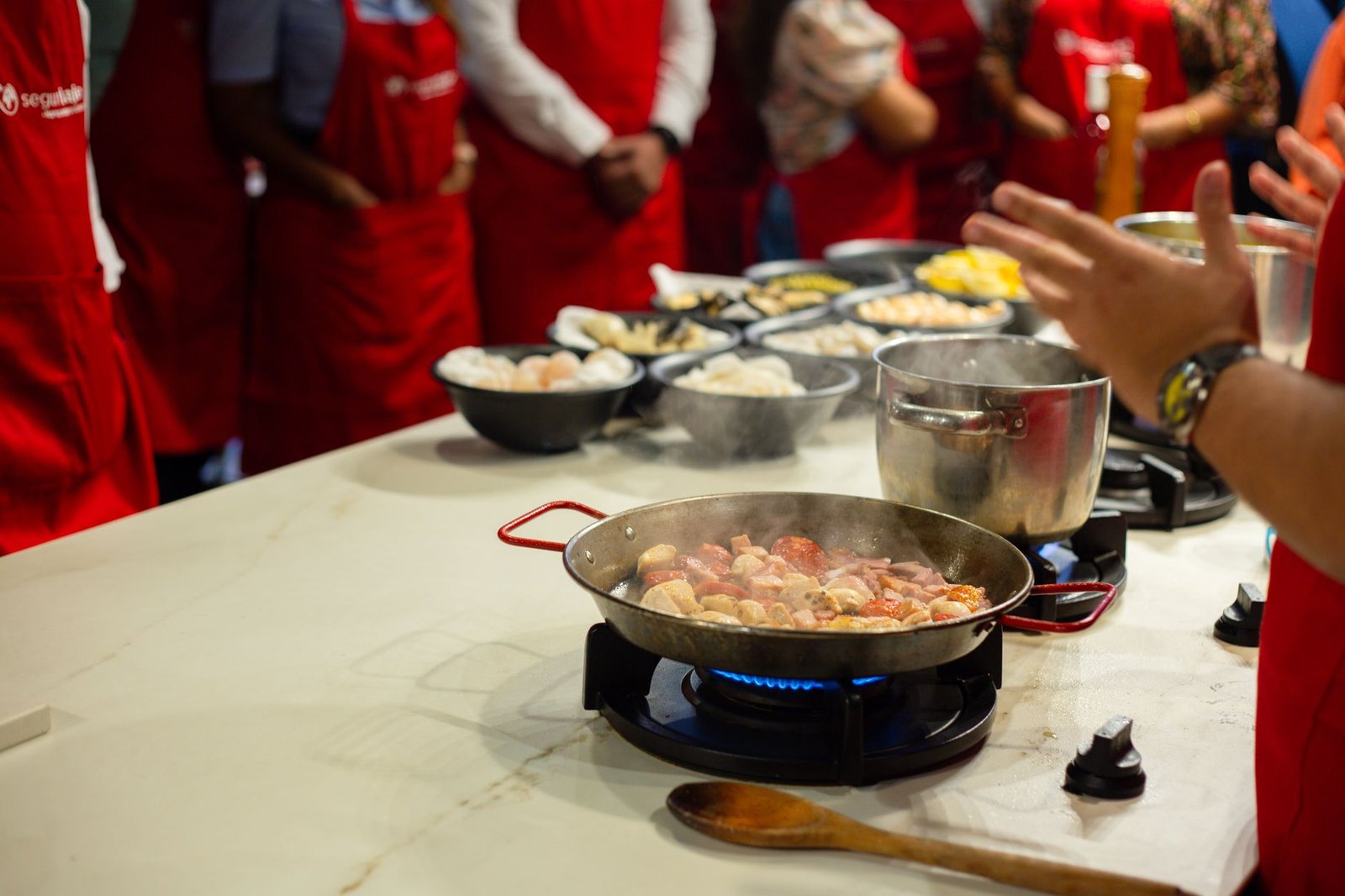
How to Choose a Cooking Class Abroad (And What to Expect)
There is something deeply satisfying about bringing a skill home from your travels. Photographs fade into screensavers, souvenirs collect dust, but the ability to recreate a perfect bowl of Thai green curry or hand-roll fresh pasta on a Sunday afternoon? That stays with you forever. Cooking classes abroad have exploded in popularity over the last decade, and for good reason — they combine culture, history, local markets, and genuine human connection into a single morning or afternoon. But not all classes are created equal. Some are transformative experiences that leave you with lifelong skills and a recipe booklet stuffed into your carry-on. Others are overpriced tourist performances where you watch someone else cook and leave with nothing but a full stomach and a vague sense of disappointment. This guide will help you tell the difference, know what to pay, and find the right class in some of the world’s best food cities.
What Separates a Great Cooking Class from a Mediocre One
The best cooking classes abroad share a handful of qualities that are worth looking for before you book. Understanding these markers will save you money and ensure you actually learn something worth taking home.
- A market visit is included. This is one of the most reliable signs of a quality class. Walking through a local market with your instructor — learning to pick a ripe tamarind, smell the difference between fresh and dried spices, or understand how locals actually shop — adds enormous context to everything you cook afterward. Classes that skip the market often feel disconnected from the real food culture.
- Small group sizes, ideally eight people or fewer. In a large group, you spend more time watching than doing. In a class of six, you are actually at the cutting board, adjusting the heat, tasting and correcting. When you see a class advertising groups of fifteen or twenty, that is a warning sign.
- Hands-on cooking, not a demonstration. Some classes are essentially restaurant dinners dressed up as education. You sit, you watch, you eat. A genuine cooking class puts tools in your hands from the first ten minutes. Ask the operator directly: will every participant cook, or do we take turns?
- Recipes to take home. Any instructor who is proud of what they teach will send you home with written recipes. If a class keeps its recipes vague or proprietary, that tells you something about their priorities.
- A local instructor with real cooking knowledge. This sounds obvious, but it is worth checking. Seek out classes run by home cooks, restaurant chefs, or families rather than booking agencies that subcontract the teaching. Reading reviews carefully for comments about the instructor is time well spent.
How Much Should You Expect to Pay
Cooking class prices vary enormously depending on location, group size, and what is included, but there is a useful general range to keep in mind. For most destinations, a solid half-day cooking class with a market visit should cost somewhere between €30 and €120 per person. Here is how that breaks down in practice.
At the lower end of the scale — roughly €30 to €50 — you will typically find classes in Southeast Asia, particularly in Thailand, Vietnam, and Cambodia. These can be outstanding value. A half-day class in Chiang Mai that includes a market trip, four dishes, and a recipe booklet for around €35 is genuinely one of the best travel experiences money can buy.
In Europe, prices naturally climb. A pasta-making class in Bologna or a seafood cooking morning on the Amalfi Coast will more likely fall in the €70 to €100 range. Classes in Japan, particularly in Tokyo, often sit between €80 and €120, reflecting the higher cost of ingredients and the meticulous instruction style.
Anything priced significantly below these ranges should prompt some questions — what is being cut to make it cheaper? And anything priced well above them should come with very clear justification, such as a private chef instructor, a prestigious cooking school setting, or an extended full-day format.
How to Find Legitimate Local Classes and Avoid Tourist Traps
The honest challenge with cooking classes abroad is that the most visible options are often the least authentic. The classes that rank highest on generic search results are frequently large-operation tourist experiences optimised for volume, not quality. Here is how to dig deeper.
Start with platforms like Viator and GetYourGuide, but read the reviews critically rather than just looking at the star rating. Look for reviews that mention specific instructors by name, describe what they actually cooked, and comment on group size. Five-star reviews that are vague and short are less reliable than detailed four-star reviews that mention both strengths and minor drawbacks. Both platforms also feature food tours in most cities, and these can be an excellent warm-up — a well-run food tour often leads you toward neighborhoods and operators where you might book a cooking class the following day.
Accommodation staff, particularly in guesthouses and smaller boutique hotels, are often a better resource than any website. A receptionist who has lived in the city for years knows which cooking school a colleague’s aunt runs out of her home on Tuesday mornings. That class will not have a slick website, but it will be the real thing.
Expat food bloggers and local food writers are also worth consulting. A quick search for “cooking class [city name] local recommendation” in a food-focused travel blog often turns up specific names and contacts that do not appear on mainstream booking platforms.
Red flags to watch for include: classes held in purpose-built hotel demonstration kitchens rather than real homes or working restaurant kitchens, menus that seem designed around foreign palates rather than authentic local food, and operators who cannot tell you the name of your instructor in advance.
Five Destinations Worth Planning a Cooking Class Around
Bangkok, Thailand
Bangkok is one of the world’s great cooking class destinations, and the experience of visiting a morning market in the Bangrak or Lat Phrao neighborhoods before cooking pad kra pao or massaman curry is genuinely memorable. Look for classes run out of traditional Thai homes rather than hotel kitchens. Baipai Thai Cooking School is a well-regarded mid-range option, while smaller operators discovered through guesthouse recommendations often provide a more personal experience. Expect to pay around €35 to €55 for a half-day session including the market visit.
Bologna, Italy
Bologna is arguably Italy’s most serious food city, and a pasta-making class here carries real weight. Learning to make tagliatelle al ragù in the city that essentially invented the sauce is a different experience from doing the same class in a tourist-heavy town elsewhere. Many classes here are run out of private apartments by home cooks who have been making fresh pasta for forty years. La Vecchia Scuola Bolognese is a respected institution, but smaller private classes booked through local food tour operators often feel more intimate. Budget around €75 to €95.
Istanbul, Turkey
Istanbul’s food culture is spectacularly layered, and a good cooking class here will introduce you to techniques and ingredients that bear little resemblance to what most Western visitors think of as Turkish food. Classes that include a visit to the Spice Bazaar or the Kadiköy market on the Asian side are particularly worthwhile. Expect to make dishes like stuffed vegetables, böreks, or slow-cooked lamb stews. Prices typically range from €50 to €80.
Marrakech, Morocco
A cooking class in Marrakech that begins in the medina’s souks — navigating the spice stalls to source ras el hanout, preserved lemons, and fresh herbs — is one of the most sensory travel experiences available. The best classes teach you to make a proper tagine and harira from scratch and are hosted in traditional riads. Aim for a class with no more than six participants and a female instructor if possible, as Moroccan home cooking is largely a women’s tradition. Rates are generally €45 to €70.
Tokyo, Japan
Cooking classes in Tokyo tend toward precision and patience, and that is part of what makes them so rewarding. Classes focused on ramen, sushi, or the art of dashi broth are widely available. Look for classes taught by working chefs or culinary school instructors rather than large tourist operations. Many excellent Tokyo cooking classes are bookable through GetYourGuide, where verified reviews are particularly helpful for filtering quality. Plan to spend €80 to €120 for a well-structured session.
Practical Tips for Getting the Most from Your Class
- Book early, especially for smaller group classes — the best ones fill up weeks in advance during peak travel seasons.
- Mention any dietary restrictions when booking, not on the day. Good operators will adapt their menus; less professional ones will not be able to.
- Wear comfortable clothes you do not mind getting turmeric on. It will happen.
- Take photographs of each stage of the cooking process, not just the finished dishes. These become useful reference points when you recreate the recipe at home.
- Ask your instructor where they shop and eat personally. These recommendations are usually better than anything in a guidebook.
- If the class is going well and you have the time, ask if there are any additional dishes or techniques the instructor would be willing to show you. Many teachers love the chance to go beyond the standard curriculum with genuinely curious students.
A well-chosen cooking class is one of the most rewarding investments you can make in a travel experience. It slows your trip down in the best possible way, puts you in genuine contact with local culture, and gives you something practical to carry home long after the journey ends. Whether you are navigating the spice souks of Marrakech, rolling pasta dough in a Bolognese kitchen, or learning the precise knife work required for a Tokyo sushi class, the key is to prioritise authenticity, hands-on learning, and small groups over convenience and price alone. Explore our destination guides on FoodTourTrails.com for curated recommendations on food tours and cooking experiences in cities around the world — and start planning the meal you will be making for friends six months from now.
Book a Food Experience in Top Destinations
Handpicked experiences — book with free cancellation and instant confirmation.
Explore More Food Tours
Guides for the cities in this article:
- Lisbon Food Tour Guide (Portugal)
- Istanbul Food Tour Guide (Turkey)
- Bangkok Food Tour Guide (Thailand)
- Marrakech Food Tour Guide (Morocco)
- Tokyo Food Tour Guide (Japan)
- Amalfi Food Tour Guide (Italy)
Frequently Asked Questions
How do I know if a cooking class abroad is actually taught by a local or just marketed as 'authentic'?
Look for classes hosted in private homes or small family-run kitchens rather than large tourist centers, and check whether the instructor's name and background are clearly listed. Read recent reviews on TripAdvisor or Google specifically mentioning the teacher's personal stories or market visits, which signal genuine local knowledge. Booking through platforms like Airbnb Experiences or EatWith also tends to surface real locals over commercial operators.
What's a realistic budget for a quality cooking class in popular destinations like Thailand, Italy, or Mexico?
In Thailand you can find excellent half-day classes including a market tour for $25–$50 USD, while Italy tends to run $80–$180 for a hands-on session with a local chef, often including wine. Mexico sits in the middle, with Oaxacan mole or tortilla classes typically costing $40–$90 depending on whether meals and mezcal are included. Price alone doesn't indicate quality — smaller group sizes and market visits are better value indicators than cost.
How many people are usually in a cooking class, and does group size really matter?
Classes can range from intimate 2–4 person sessions to large groups of 20 or more, and size significantly affects how much hands-on time you actually get. In bigger classes you often end up watching rather than cooking, which limits how much you'll actually learn and take home. Aim for classes capped at 8–10 participants for a good balance of personal attention and the social energy of cooking with others.
I have dietary restrictions — is it worth trying to book a cooking class abroad, or will it be too complicated?
Most reputable cooking schools are experienced handling vegetarian, vegan, or gluten-free needs, especially in destinations like India or Southeast Asia where plant-based cooking is deeply traditional. Always email ahead rather than mentioning it only at booking, and ask specifically whether the menu can be adapted rather than just noting your restriction. Be aware that in some cuisines like classic French or certain Japanese styles, substitutions may be limited, so choose a class whose core menu naturally aligns with what you can eat.
Will I actually be able to recreate the dishes at home, or are the recipes dependent on hard-to-find local ingredients?
Good instructors anticipate this and will often suggest practical substitutions during the class itself, such as swapping fresh galangal for dried or finding local equivalents for specialty chiles. Ask the teacher directly at the end of class which ingredients are essential versus swappable, and photograph the spice stalls or markets you visit so you can identify them later at specialty grocery stores. Many classes provide printed recipe cards, but always take your own notes with the chef's verbal tips, which are usually more useful than the written version.