Weekend Food Trip to Barcelona: 48 Hours of Eating
Barcelona has a way of making you fall in love through your stomach. The city’s food culture lives in the standing bars where locals knock back cava at noon, in the smoky backrooms of century-old tabernas, and in the quiet hour before the markets overflow with selfie sticks. Forty-eight hours is not enough time to eat everything Barcelona wants to feed you. But if you move with purpose, start early, stay out late, and eat like the Barcelonins do, you will come close. This is exactly how to do it.
Friday Evening: Arrive Hungry, Hit El Born First
Land, drop your bags, and resist the urge to eat at the hotel. Friday evening in Barcelona is one of the great culinary experiences in Europe, and El Born is where you want to spend it. The neighborhood hums with a specific energy — art galleries spilling into bars, narrow medieval streets lit by warm amber light, and the unmistakable smell of anchovies, olive oil, and cold wine.
Start standing. El Xampanyet on Carrer de la Montcada is exactly the kind of bar that ruins all future bars for you. Order their house cava — a slightly sweet, fizzy house-made sparkling wine poured into small glasses for around €2 each — and pair it with their anchovies, which come from a tin and taste better than anything you’ve had from a tin before. Pintxos on the bar run roughly €2 to €3 each. This is not dinner. This is the warm-up, and it’s essential.
For dinner, walk fifteen minutes toward Barceloneta to La Cova Fumada, though be aware this legendary spot has limited evening hours and often sells out of its most famous dishes by late afternoon. If you miss it on Friday, hold it for Saturday lunch. Instead, explore the smaller seafood spots along Passeig del Born or ask your accommodation host for whatever local joint they actually eat at on a Friday night. Real tip: avoid any restaurant with a laminated photo menu displayed outside. Barcelona’s best food is rarely marketed to you on the street.
Saturday Morning: The Boqueria Before the Crowds
Set your alarm. This is non-negotiable. If you arrive at La Boqueria market on La Rambla after 9:30am on a Saturday, you will be standing in a river of tourists and the magic evaporates entirely. Walk through the main entrance before 8am and you enter a completely different world — stallholders drinking coffee, fishmongers arranging the day’s catch, the air sharp with citrus and brine.
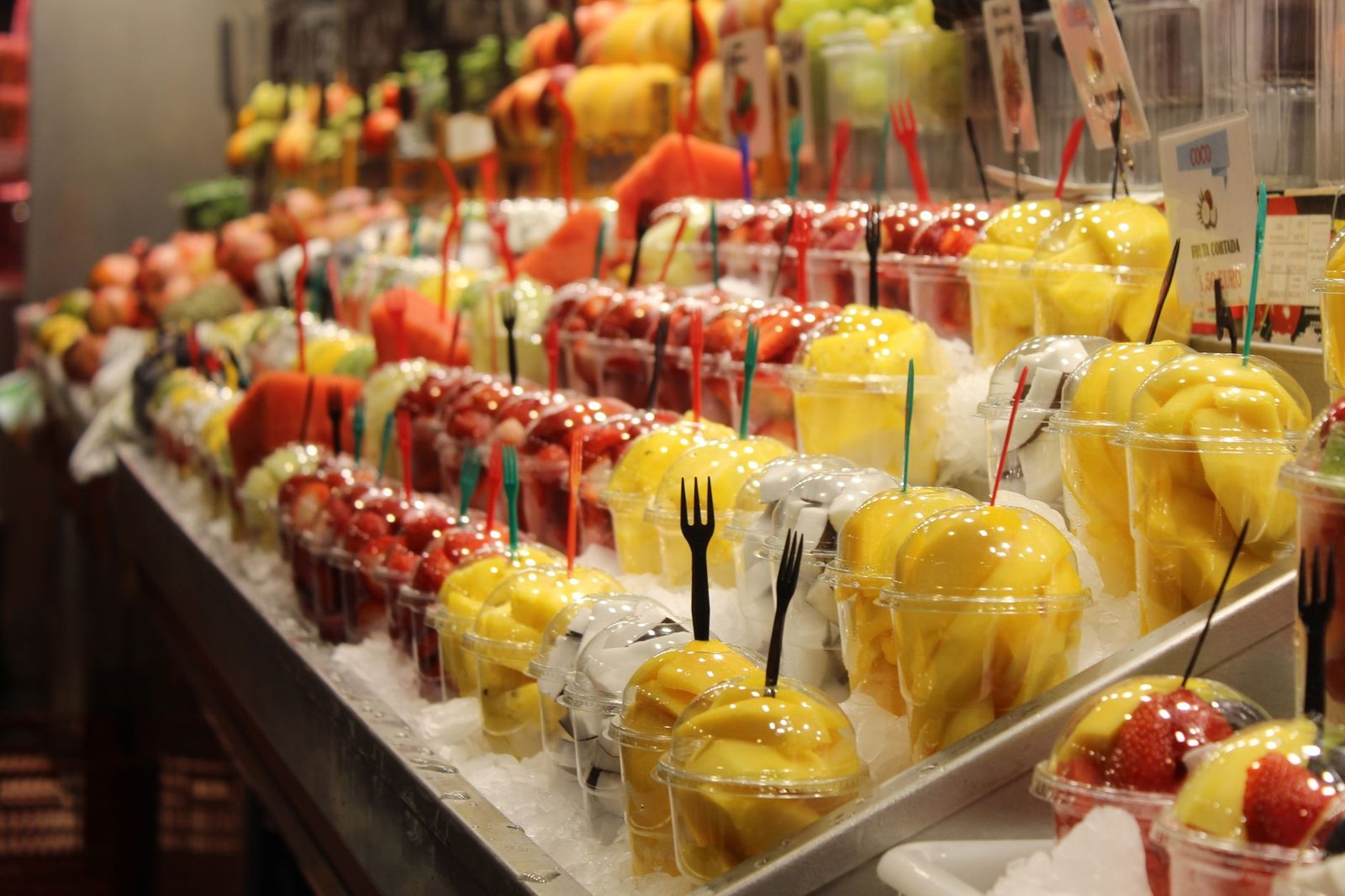
Here is the most important insider rule of the Boqueria: skip the display stalls at the front of the market. Those bright pyramids of pre-cut fruit and elaborate seafood displays at the entrance are designed for tourists and are significantly overpriced. Walk toward the back and sides of the market where the working stalls are. These are where the restaurant buyers come, where prices are fair, and where the produce is genuinely exceptional.
For breakfast at the market, look for the small counter bars tucked into the interior. A glass of fresh-squeezed orange juice costs around €1 at the working counters versus €4 to €5 at the front-facing stalls. Grab a bocadillo — a small crusty sandwich with jamón or truita (Spanish omelette) — for €2 to €3 and eat it standing at the counter. This is how Barcelona has breakfast.
If you want deeper context for what you’re eating and why certain ingredients matter to Catalan cooking specifically, a guided food market tour can completely change how you see the experience. Both Viator and GetYourGuide list excellent small-group tours that combine Boqueria visits with tastings and neighborhood context — worth considering if this is your first time or if you’re traveling with someone who’d appreciate the storytelling alongside the sampling.
Saturday Brunch and Afternoon: Gràcia and Vermut Hour
After the market, take the metro up to Gràcia, the bohemian neighborhood that feels like a village within the city. This is where Barcelona’s creative class lives and eats, and weekend brunch here has a relaxed, generous quality that the tourist zones can’t replicate. Wander the Plaça de la Vila de Gràcia and surrounding streets and look for a spot with outdoor tables doing weekend brunch service — late eggs, good bread, strong coffee, and often a small glass of something sparkling on the side.
Budget around €12 to €18 per person for a proper Gràcia brunch with coffee. Take your time. This is a neighborhood for wandering — the small squares, the tiled fountains, the independent bookshops and record stores. Barcelona rewards the person who puts their phone away and just walks.
Return to El Born by mid-afternoon for what locals call the vermut hour — typically between 1pm and 3pm, though it stretches later on weekends. Circle back to El Xampanyet (yes, again — this place deserves two visits) and this time order the house vermouth. It arrives in a small glass with a single olive, possibly a small dish of olives or cured fish alongside. It costs almost nothing. It is perfect. This ritual of the late afternoon aperitif before the main evening meal is one of the most civilized things Barcelona does, and too many visitors miss it entirely.
For Saturday evening, head down to Barceloneta, the old fishing quarter that curves along the seafront. The seafood here ranges from tourist traps to genuinely excellent — the trick is to walk one or two blocks back from the beach itself before choosing a restaurant. Look for chalkboard menus, local families, and a menu del día that changes daily. Grilled fish, fideuà (the noodle-based cousin of paella), and fresh shellfish are your targets. Dinner in Barceloneta runs €25 to €40 per person with wine, depending on how adventurously you order.
Sunday Morning: Coffee, Croissants, and Churros Done Right
Sunday morning in Barcelona moves at a gentler pace, and you should let it. Begin at Alsur Cafe, a relaxed spot that does exceptional coffee and genuinely good croissants — the kind with proper lamination and butter you can taste. It’s a favorite among both locals and expats who take their breakfast seriously, and the relaxed atmosphere makes it ideal for a slow Sunday start. Budget around €6 to €8 for coffee and a pastry.
After Alsur, find a traditional bar — not a café, a proper old-school bar with a zinc counter — and order churros with chocolate. This is a Sunday morning tradition in Barcelona that predates every food trend and will outlast all of them. A portion of churros with thick dipping chocolate costs around €4 to €5. The chocolate should be dense enough to coat the back of a spoon. If it isn’t, find a different bar next time.
Sunday Lunch: The Paella Ritual in Barceloneta
Sunday lunch is sacred in Barcelona, and paella is the meal most associated with it — though Catalans will quickly remind you that paella is technically Valencian and that their own rice dishes deserve equal reverence. Regardless of the geography debate, Barceloneta on a Sunday lunchtime is one of the great eating experiences of the Mediterranean.
Book ahead if possible. The better restaurants in Barceloneta fill up for Sunday lunch by early in the week. Look for restaurants that serve rice dishes made to order — this takes twenty to twenty-five minutes minimum, and that wait is a good sign. Any paella ready in five minutes was made hours ago. A seafood paella or fideuà for two with a carafe of house white wine runs approximately €35 to €55 total, depending on the restaurant’s positioning.
If you want to learn to tell the difference between a genuine paella and a tourist imitation, or understand what the socarrat (the caramelized rice crust at the bottom of the pan) is supposed to taste like and why it matters, consider joining a food tour that includes a cooking or tasting component. GetYourGuide in particular lists several Barcelona food experiences that include paella education alongside the eating — a useful addition to a longer trip or a second visit when you’re ready to go deeper.
Budget Breakdown and Getting Around
Barcelona is manageable on a food-focused weekend without spending a fortune if you eat strategically. Here’s a rough breakdown for one person over 48 hours:
- Friday pintxos and cava at El Xampanyet: €15 to €20
- Friday dinner: €25 to €35
- Saturday Boqueria breakfast: €5 to €8
- Saturday brunch in Gràcia: €14 to €18
- Vermut and pintxos: €8 to €12
- Saturday seafood dinner in Barceloneta: €30 to €40
- Sunday coffee and croissant at Alsur Cafe: €7 to €9
- Sunday churros and chocolate: €4 to €5
- Sunday paella lunch: €20 to €30 (split between two)
- Total food spend: approximately €130 to €180
For transport, Barcelona’s metro system is excellent and cheap. A T-Casual card (10 trips) costs around €11.35 and covers all the neighborhoods mentioned here. El Born, Barceloneta, and the Boqueria are all walkable from one another — Gràcia is a short metro ride on Line 3. Avoid taxis for short distances and skip the tourist hop-on buses entirely. The city is best understood at street level, on foot, between meals.
A Few Final Tips Before You Go
- Lunch is the main meal in Barcelona — restaurants open for lunch around 1:30pm and dinner rarely begins before 9pm
- Catalans take food provenance seriously — asking where something is from is a genuine conversation starter, not an affectation
- Standing at the bar is almost always cheaper than sitting at a table, and often more fun
- Learn two words: gràcies (thank you in Catalan) and socarrat — one earns you goodwill, the other earns you the best part of the paella
- Book El Xampanyet visits for when it opens — it closes when the food runs out
Forty-eight hours in Barcelona will leave you with olive oil on your shirt, cava in your memory, and a persistent, specific hunger that no other city quite satisfies. Whether you follow this guide course by course or use it as a loose framework for your own wandering, the most important thing is to slow down, eat where the locals eat, and say yes to the small glass of whatever the person behind the bar recommends. Barcelona’s food is not a checklist — it’s a conversation, and the city has a lot to say. Ready to plan your own food trip? Browse our full collection of Barcelona food itineraries and guided tour recommendations at FoodTourTrails.com.
Book a Food Experience in Weekend
Handpicked experiences — book with free cancellation and instant confirmation.
Explore More Food Tours
Guides for the cities in this article:
- Cordoba Food Tour Guide (Spain)
- Bilbao Food Tour Guide (Spain)
- Seville Food Tour Guide (Spain)
- Barcelona Food Tour Guide (Spain)
Frequently Asked Questions
What is the best neighborhood to stay in for easy access to Barcelona's top food spots?
El Born and the Gothic Quarter put you within walking distance of La Boqueria market, countless tapas bars, and pintxos spots on Carrer del Parlament. Staying in Eixample is also great since you're close to upscale restaurants and the Mercat de l'Eixample. Avoid staying too far out in tourist-heavy areas near the beach if food exploration is your main goal.
When do locals actually eat dinner in Barcelona and should I follow their schedule?
Locals rarely sit down for dinner before 9pm, with 10pm being completely normal on weekends. If you eat at 7pm you'll often find restaurants half-empty and serving a slightly different crowd of tourists. Following the local schedule is worth it because the atmosphere, energy, and even the freshness of some dishes genuinely improves later in the evening.
Is La Boqueria market worth visiting or is it just a tourist trap?
La Boqueria is visually stunning but has become heavily commercialized, with many stalls charging inflated prices aimed squarely at tourists. Locals largely shop at Mercat de Santa Caterina in El Born or Mercat de l'Eixample, which offer fresher produce, lower prices, and a more authentic atmosphere. That said, grabbing a fresh juice or a small tasting plate at La Boqueria early in the morning before the crowds arrive is still a worthwhile experience.
How much should I budget per day just for food and drink in Barcelona?
A realistic budget for someone who wants to eat well without splurging on Michelin-starred restaurants is around €60–€80 per day. This covers a cafe breakfast, a menú del día lunch (typically €12–€15 with wine included), an afternoon vermouth with snacks, and a tapas dinner. If you plan to try one higher-end restaurant, budget an extra €50–€80 per person for that meal.
What are the must-order dishes specific to Barcelona that I shouldn't leave without trying?
Pan con tomate (pa amb tomàquet) is non-negotiable — toasted bread rubbed with ripe tomato and olive oil that appears at nearly every meal. You should also seek out fideuà, a noodle-based dish similar to paella that originated nearby in Gandia but is beloved across the city. Finishing with crema catalana, the original version of crème brûlée, at a traditional restaurant rounds out a genuinely local eating experience.