Phu Quoc Food Tour Guide 2026: Night Market Seafood, Fish Sauce & Island Eats
What a Phu Quoc Food Tour Is Actually Like
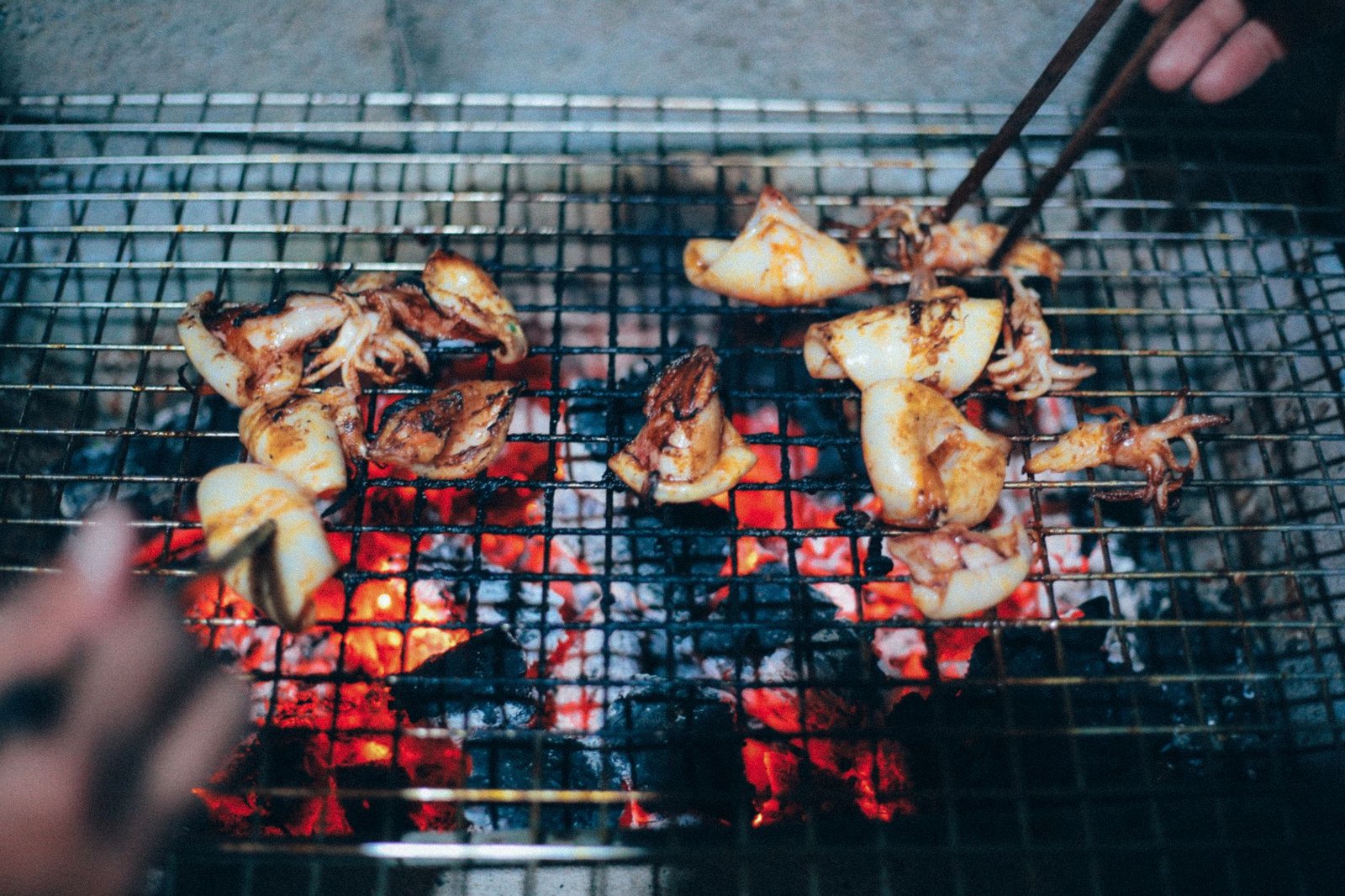
A Phu Quoc food tour is less about fine dining and more about standing at a plastic table at 9pm, grease on your chin, pointing at a tank of live prawns while someone’s grandmother fans a charcoal grill two feet away. That’s the honest version — and it’s better than anything I’d hyped it up to be. Phu Quoc’s food scene in 2026 is still anchored by its night market on Tran Hung Dao Street and a string of seafood shacks along Dinh Cau Harbour, but it’s grown more confident in the last few years. Unlike food tours in Hanoi or Ho Chi Minh City, where you’re often bouncing between tourist-polished restaurants, Phu Quoc keeps things genuinely local. The island’s fishing heritage is everywhere — in the smoky grilled scallops, the fermented fish sauce poured over everything, the sim wine they’ll push on you whether you want it or not. Expect walking, sweating, and eating more than you planned.
Who It’s For (and Who Should Skip It)
Food tours here suit curious eaters who are comfortable with street-level cooking, informal settings, and some ambiguity about what exactly is in a dish. If you have serious shellfish or crustacean allergies, this is genuinely difficult — seafood is in nearly everything, cross-contamination is real, and communication can be patchy. Vegetarians can manage but will feel like second-class citizens at most stops. The night market walking routes cover 2–3km of uneven pavement in humid evening heat, typically 28–32°C even in cooler months. That’s manageable for most adults, but people with mobility issues or heat sensitivity should be careful. Children 8 and up usually do fine — kids generally love the grilled corn and fresh coconut stops. Anyone expecting white-tablecloth hygiene standards, air conditioning, or laminated menus should book a restaurant instead. This is not that.
What It Costs
Self-guided eating at the Dinh Cau Night Market runs cheapest — budget around 200,000–350,000 VND (roughly USD 8–14) for a solid solo meal with a beer. Guided food tours with an English-speaking local run 600,000–1,200,000 VND (USD 24–48) per person depending on group size and how many stops are included. Premium small-group tours — the kind that add a fish sauce factory visit, a pepper farm, and a cooking demo — sit between USD 55–80 per person. Most mid-range tours include six to eight tastings, water, and transport between stops. What they almost never include: alcoholic drinks beyond one token sim wine tasting, tips for market vendors, and any extra food you buy because you went back for seconds (you will). Tour platforms like Viator and GetYourGuide list several reputable operators with verified reviews — worth checking before you commit to anything booked directly on the street.
What’s Included and What to Bring
Typically included:
- English-speaking guide with local food knowledge
- Six to eight curated tastings across different vendors
- One sim wine or fruit wine tasting
- Bottled water throughout
- Transport between distant stops (usually by motorbike taxi or van)
- Fish sauce factory or pepper plantation entry on longer tours
Bring yourself:
- Small bills in VND — vendors rarely have change for 500,000 notes
- A light breathable shirt you don’t mind smelling like charcoal afterward
- Insect repellent (the harbour area at dusk, trust me)
- A reusable bag if you plan to buy fish sauce or pepper to take home
- A fully charged phone — the lighting at night stalls is terrible for photos without it
The thing everyone forgets: antacids or digestive tablets. Seven seafood stops in two hours is a commitment your stomach may protest by midnight.
Choosing an Operator
The gap between a good Phu Quoc food tour operator and a cheap one usually comes down to three things: guide knowledge, group size, and whether they actually take you where locals eat or just where kickbacks are paid. Ask directly how many people are in the group — anything over twelve starts to feel like a school trip and you lose the ability to linger, ask questions, or get second helpings. The best guides grew up on the island and can explain why Phu Quoc fish sauce (nuoc mam) is considered different from mainland versions, and which producer is actually worth visiting. Red flags: operators who won’t tell you the specific stops in advance, tours priced suspiciously below 400,000 VND, and anyone who describes it as a ‘luxury food safari.’ Check for recent reviews from 2025–2026 on GetYourGuide or Viator — look specifically for mentions of how the guide handled dietary needs and whether the market stops felt authentic or staged. A good operator will also brief you on etiquette before you arrive at any family-run stall.
Best Time of Day and Year
Evening is non-negotiable for the night market — stalls open around 5:30pm and hit their stride between 7pm and 9:30pm. Arrive much after 10pm and the best stuff is sold out. For the fish sauce factory and pepper farm visits, morning tours (8–11am) are cooler and less crowded, and you’ll actually see production activity rather than a closed facility. Seasonally, November through April is the dry season and the most comfortable time to eat your way around the island — lower humidity, no sudden downpours interrupting your grilled squid. May through October brings the southwest monsoon. Rain usually comes in short bursts rather than all-day soaks, but evening tours can get disrupted. July and August are peak domestic tourism season — the night market gets genuinely crowded and waits at popular stalls stretch to 20 minutes.
Safety and Honest Warnings
Raw or undercooked shellfish is a real risk at busy market stalls where turnover is high and refrigeration is inconsistent. Watch that your scallops and clams are cooked through — if anything looks underdone, say so or skip it. Stomach upsets are common for first-timers; they’re usually mild but can ruin a beach day. Ice in drinks is generally fine at established vendors but avoid ice at very small roadside stalls. The motorbike taxi legs of some tours are on busy roads without helmets being offered as standard — ask your operator about this specifically before booking. Pickpocketing at the night market is not rampant but the crowds create opportunity; keep your phone in a front pocket. Finally, the fish sauce smell at the production facilities is intense and genuinely unpleasant for some people — this sounds trivial until you’re standing next to a 12,000-litre fermentation barrel.
Is It Worth Booking?
Yes, for most visitors to Phu Quoc — with the right expectations. The island’s food identity is distinct enough from mainland Vietnam to justify a proper guided introduction rather than wandering the market alone and eating whatever looks biggest. At USD 35–50 for a well-run evening tour, it’s good value relative to what you’d spend at a mediocre beach resort restaurant for worse food. Skip the premium tours (above USD 70) unless you genuinely care about the fish sauce production process — the core eating experience doesn’t change much. Book ahead in high season. Show up hungry.



Book a Food Experience in Phu Quoc
Handpicked experiences — book with free cancellation and instant confirmation.
Explore More Food Tours
More food guides from Vietnam:
You might also enjoy:
- Siem Reap Food Tour Guide (Cambodia)
- Beijing Food Tour Guide (China)
Frequently Asked Questions
What are the must-try dishes at the Phu Quoc Night Market in 2026?
The Dinh Cau Night Market is famous for grilled scallops with spring onion and peanuts, fresh sea urchin, and giant prawns cooked to order at open-air stalls. Don't miss the bánh mì ốc (snail baguette) and crab fried rice, which are local staples you won't easily find elsewhere. Arrive before 7pm on weekends to secure a table, as the market fills up fast during peak tourist season.
Can I visit a fish sauce factory and is it worth the trip?
Absolutely — Phu Quoc is the birthplace of some of Vietnam's finest nước mắm, and factory tours at producers like Hung Thanh or Khai Hoan are free or cost under $2 USD. You'll see the traditional wooden barrel fermentation process and sample different grades of sauce, with the highest-protein batches reserved for gourmet export. Most tours last 30–45 minutes and include a small shop where you can buy authentic bottles to take home.
How much should I budget for a street food day in Phu Quoc?
A full day of eating your way through local markets, beach shacks, and night stalls will cost roughly 200,000–400,000 VND ($8–$16 USD) per person if you stick to street vendors and market stalls. Seafood platters at the Night Market can push costs higher — a shared grilled seafood spread for two typically runs 300,000–600,000 VND depending on what you choose. Always confirm prices before ordering at tourist-heavy spots to avoid surprise markups.
Where can I find authentic local food away from the tourist crowds?
Head to Ham Ninh fishing village on the east coast, where small family-run restaurants serve steamed crab and clams pulled directly from the surrounding waters at a fraction of Night Market prices. The local market near Duong Dong town centre (open from 5am) is where islanders actually shop and eat, offering bowls of bún quậy (Phu Quoc stirred noodles) and bánh canh for under 30,000 VND. Getting there by motorbike rental allows you to explore roadside stalls that rarely appear in tourist guides.
Are there food safety concerns I should know about before eating seafood in Phu Quoc?
Seafood at busy, high-turnover stalls is generally fresh and safe, but always check that shellfish are cooked thoroughly and that the grill or pot is visibly hot before serving. Avoid raw preparations like uncooked oysters if you have a sensitive stomach, and stick to bottled or filtered water throughout your trip. Carrying a small pack of oral rehydration salts is a sensible precaution, though most travellers eat their way through the island without any issues.