
Siem Reap Food Tour – Best Local Food & Restaurants
Siem Reap, Cambodia: The Ultimate Food Guide
Introduction: A Culinary Gateway to Southeast Asia
Siem Reap has transformed from a quiet town serving temple tourists into Southeast Asia’s most exciting culinary destination. While many visitors come for the magnificent Angkor Wat temples, the city’s restaurant scene and street food culture deserve equal attention. The local cuisine reflects Cambodia’s rich history, blending influences from Thailand, Vietnam, and France with indigenous cooking techniques passed down through generations. From humble night markets bustling with energy to sophisticated restaurants helmed by innovative chefs, Siem Reap offers food experiences that rival Bangkok and Ho Chi Minh City.
The beauty of eating in Siem Reap lies in its authenticity and affordability. You can enjoy a multi-course meal at a high-end restaurant for the same price as a modest dinner in Western countries, while street food remains incredibly cheap—often just 50 cents to a dollar per item. The local food culture emphasizes fresh ingredients, bold flavors, and communal dining, making every meal an opportunity to connect with Cambodian traditions and meet fellow travelers and locals alike.
Must-Try Cambodian Dishes and Flavors
Khmer cuisine centers on the holy trinity of fish sauce, lime juice, and chili, creating a flavor profile that’s simultaneously salty, sour, and spicy. Amok, Cambodia’s national dish, showcases these flavors beautifully—a creamy curry cooked in coconut milk and served in a banana leaf or coconut shell with fish or chicken. Another essential dish is nom banh chok, the traditional Cambodian breakfast consisting of fermented rice noodles topped with a pungent fish-based gravy, fresh vegetables, and crispy noodles. This humble dish appears at nearly every street corner and market stall throughout Siem Reap, particularly in the early morning hours.
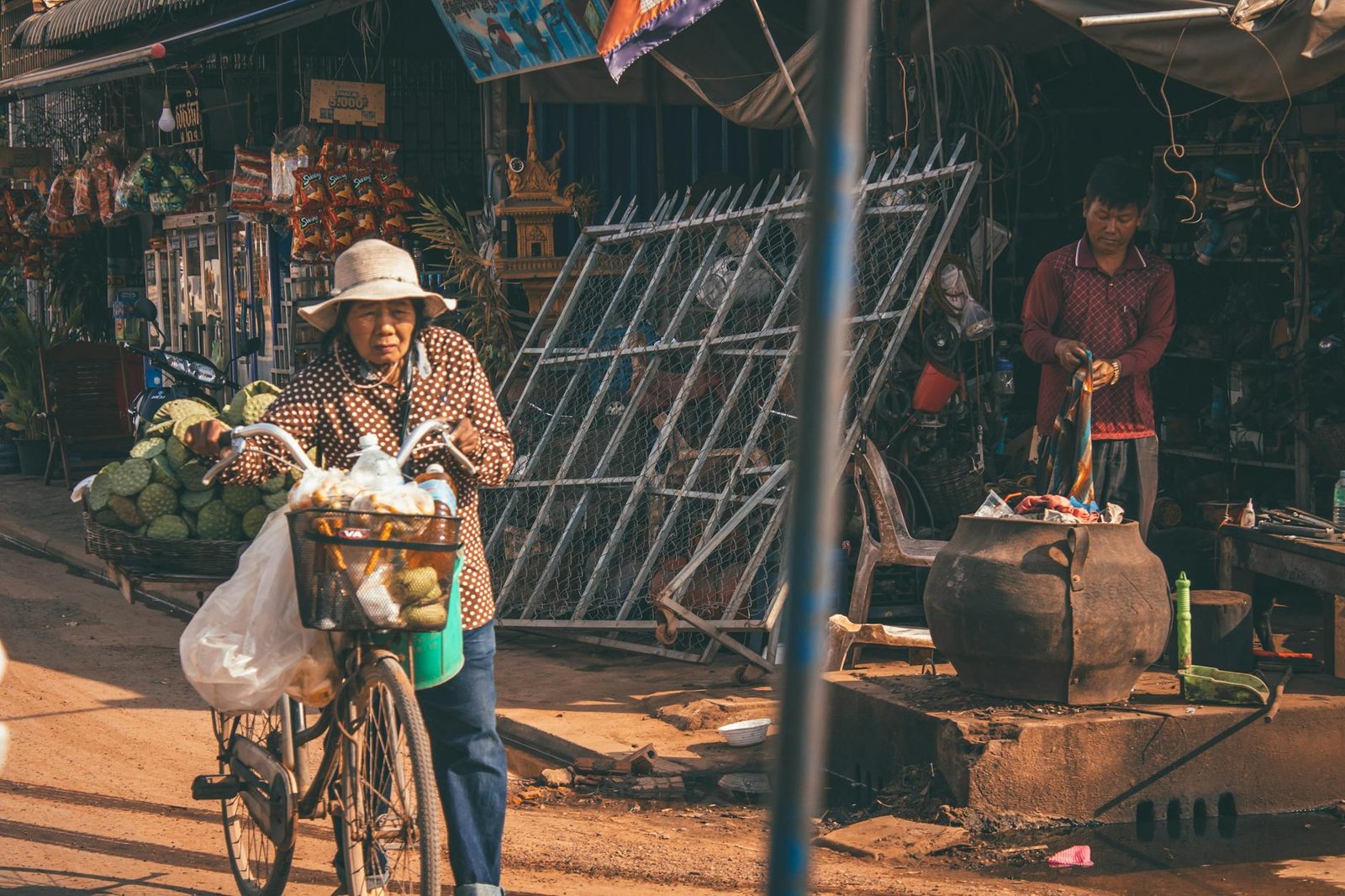
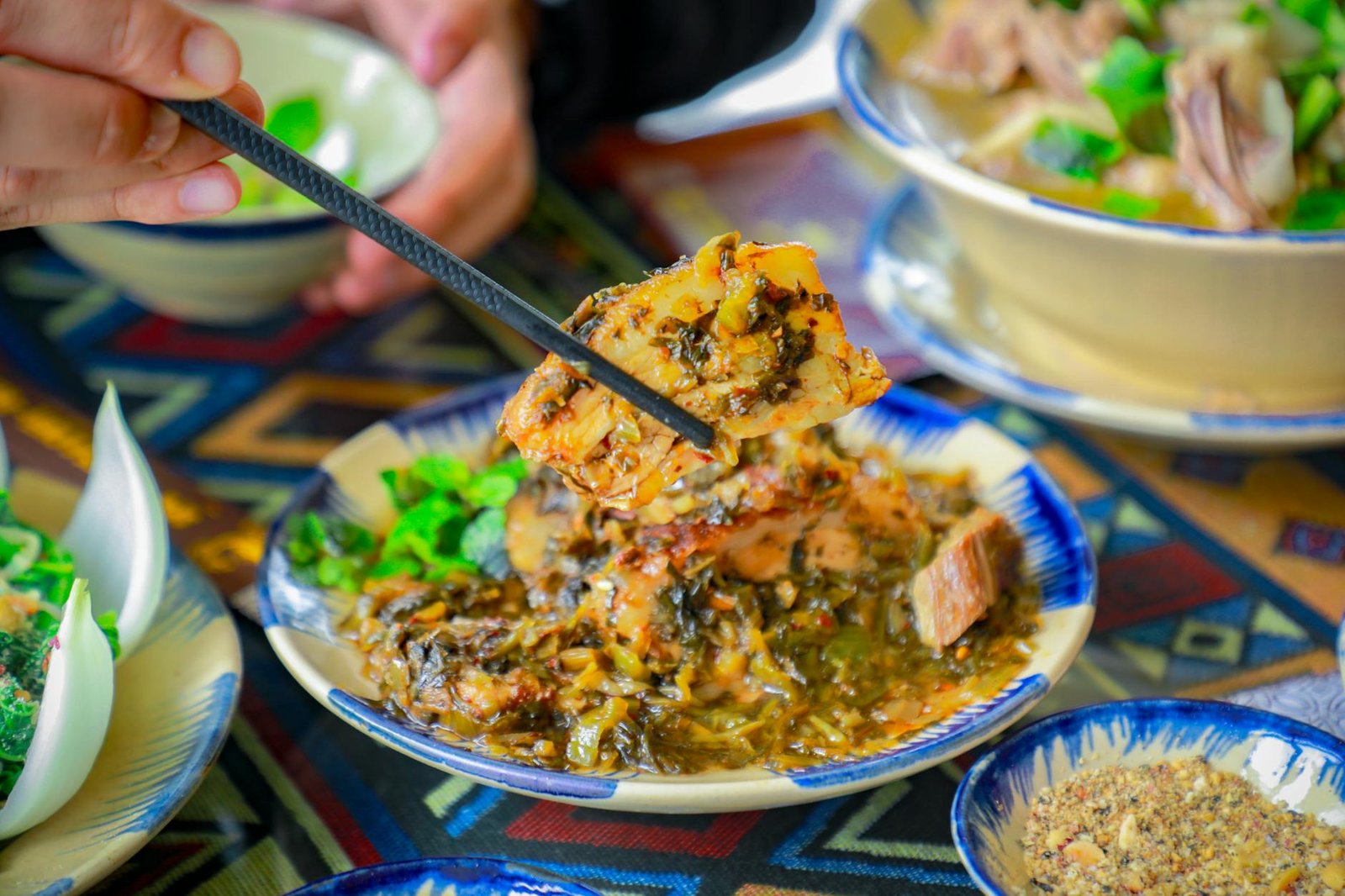
Lok lak, marinated beef served with pepper and lime, represents Cambodian fine dining at its most elegant. The dish typically arrives sizzling at your table, cooked tableside in many restaurants, and is traditionally eaten with jasmine rice or wrapped in fresh lettuce leaves. Fish in clay pot (trey char kroeng) offers another must-try experience—fresh river fish slow-cooked with turmeric, coconut milk, and aromatics in an earthenware vessel. For vegetable lovers, samlor machu teuk, a sour soup made with vegetables and either fish or shrimp paste, provides comforting, complex flavors that represent everyday Cambodian home cooking.
Top Street Food: Where Locals Really Eat
The night markets of Siem Reap provide the most authentic and thrilling food experiences. The Old Market Night Bazaar (Psar Chas), operating from around 5 PM to 11 PM near the historic Psar Chas marketplace in the city center, transforms into a gastronomic wonderland after dark. Here you’ll find grilled fish cakes (nems), spit-roasted chicken, freshly made spring rolls, grilled meatballs on skewers, and crepes filled with egg and green onion. The energy is palpable, with locals and tourists alike crowding around food stalls with plastic stools, dipping everything into pungent fish sauce concoctions.
For daytime street eating, head to Artisans Angkor Market for grilled specialties, or explore the cramped alleyways near the Central Market where elderly women serve steaming bowls of local congee and chicken soup from dawn until mid-morning. Don’t miss tteuk skewer—grilled pork intestines, liver, and meat on bamboo skewers, served with fresh herbs and dipping sauce. Sugar palm fruit smoothies, served in the hollowed fruit itself, offer refreshing respite from Siem Reap’s heat, while crispy fried tarantulas remain the ultimate street food dare for adventurous eaters, found particularly around Tonlé Sap Lake areas.
Best Restaurants for Fine Dining and Casual Meals
For upscale Khmer dining, Chanrey Tree, located in a charming colonial-era building, serves exceptional amok and fish curry alongside impeccable service. For contemporary dining that showcases local ingredients, Cuisine Wat Damnak represents the pinnacle of Siem Reap’s restaurant scene—a single-menu, chef’s-table experience featuring seasonal Khmer specialties paired with natural wines, though advance reservations are essential.
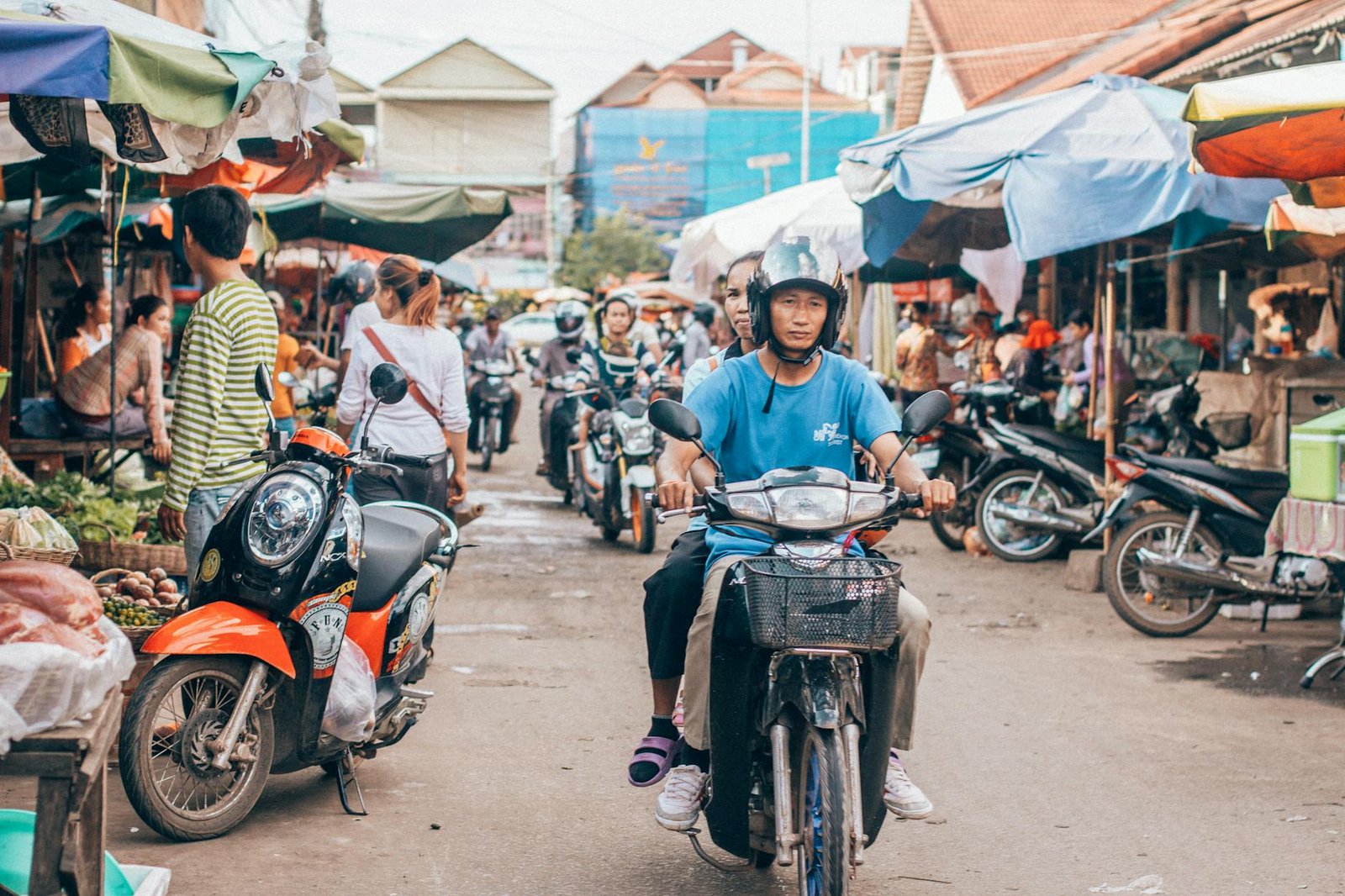
Mid-range restaurants like Khmer Grill and Bar offer fantastic value, with talented chefs preparing traditional dishes in modern, casual settings. Sugar Palm has multiple locations and specializes in home-style cooking, with an excellent daily-changing menu featuring lesser-known Khmer specialties. For casual dining with serious flavor, seek out the many street food spots around the Old Market area serving excellent Khmer and Southeast Asian street food in hip, laid-back environments popular with both tourists and expats.
Market Exploration: Where Ingredients Tell Stories
Psar Chas (Old Market), the heart of Siem Reap’s food culture, sprawls across several blocks in the city center with vendors selling everything from fresh produce to smoked fish and dried herbs. The market’s intensity at dawn, when locals arrive for morning shopping, captures the essence of Cambodian life. Watch vendors butcher pigs, scale fish fresh from the Tonlé Sap, and arrange pyramids of tropical fruits you’ve never seen before. Spending an hour wandering these aisles with an open mind provides invaluable insight into local eating habits and seasonal ingredients.
For a more tourist-friendly market experience, the Artisans Angkor Market combines shopping with food stalls, featuring both local fare and higher-quality produce. This market also showcases crafts and offers several restaurants, making it an all-in-one cultural destination. The floating villages’ markets, accessed by boat from Tonlé Sap Lake, offer another unique perspective—here you’ll find fresh fish and squid sold directly from fishing boats, vegetables grown on floating gardens, and the freshest meals cooked immediately at waterside restaurants.
Best Food Tours: Guided Experiences
Several established platforms offer comprehensive food tours throughout Siem Reap. Viator features multiple highly-rated options, including morning market tours combined with a cooking class, and evening street food tours led by knowledgeable local guides. These tours typically cost between $40-80 per person and include multiple tastings, with the cooking class variants allowing you to prepare several dishes yourself. GetYourGuide similarly offers excellent Siem Reap food tour options, including specialized tours focusing on specific neighborhoods or cooking techniques.
Local operators run floating restaurant experiences on Tonlé Sap Lake combined with village visits, and companies such as Osmose offer immersive culinary experiences that include visits to local homes and fishing communities. For the most personalized experience, consider booking a private guide through Siem Reap’s tourism office or your accommodation—many locals offer reasonably-priced private tours focusing on their favorite neighborhood food spots, markets, and family-run restaurants that rarely appear in guidebooks.
When to Visit for Food: Seasonal Considerations
November through February represents the ideal season for food tourism in Siem Reap. During these cooler months, local markets overflow with abundant produce, seafood catches are plentiful, and the weather makes street food exploration comfortable. This period coincides with peak temple tourism, however, meaning restaurants and tours fill quickly—book accommodations and experiences well in advance. The dry season also makes visiting floating villages and taking boat tours on Tonlé Sap Lake more enjoyable, enhancing any food-focused itinerary.
The rainy season (May to October) brings different advantages for food lovers willing to brave the weather. Restaurant crowds diminish dramatically, prices drop, and freshwater fish become exceptionally abundant. During this period, water levels rise on Tonlé Sap Lake, creating different fishing conditions and bringing unique seasonal dishes to local menus. If visiting during shoulder seasons (March-April or September-October), expect occasional heavy rains but also fewer tourists and the thrill of discovering places without crowds, eating alongside locals rather than fellow visitors.
Practical Tips for Food Adventuring in Siem Reap
Street food safety is a legitimate concern for travelers, but the key is choosing busy stalls with high turnover—the food cooks and sells quickly, meaning freshness is prioritized. Watch your chosen vendor prepare food from raw ingredients, avoid items that have been sitting, and always bring your own utensils if you’re particularly cautious. Stick to cooked items rather than raw vegetables or fruits that can’t be peeled, and drink only bottled water or beverages from sealed containers. Most casual restaurants and night markets cater successfully to thousands of travelers annually with minimal issues when basic precautions are observed.
Learn a few basic Khmer phrases—”Orguhn” (delicious) and “Arkouyy” (thank you) go remarkably far in markets and modest restaurants. Carry small bills for street food vendors, as change-making difficulties are common. Finally, plan for food adventures during specific times: breakfast and lunch from 11 AM-2 PM, dinner from 5-9 PM, and night markets from 5 PM onward. Most traditional restaurants close by 10 PM, so don’t wait until late evening to seek dinner unless you’re heading to night markets or tourist-oriented establishments that stay open later.



Book a Food Experience in Siem Reap
Handpicked experiences — book with free cancellation and instant confirmation.
Explore More Food Tours
You might also enjoy:
- Nha Trang Food Tour Guide (Vietnam)
- Phu Quoc Food Tour Guide (Vietnam)
- Sa Pa Food Tour Guide (Vietnam)
- Can Tho Food Tour Guide (Vietnam)
- Da Lat Food Tour Guide (Vietnam)
- Da Nang Food Tour Guide (Vietnam)
Featured in:
Frequently Asked Questions
What is the typical cost of a food tour in Siem Reap?
Most food tours in Siem Reap range from $25 to $60 USD per person, depending on the tour operator and inclusions. Budget tours typically cost $25-35 and include street food tastings, while premium tours with restaurant experiences can reach $50-60 and often include beverages and a professional guide.
How long do food tours in Siem Reap usually last?
Standard food tours in Siem Reap typically last between 3 to 4 hours, though some specialized tours can extend to 5-6 hours. Evening street food tours are commonly 3 hours, while full-day culinary experiences may include cooking classes and market visits.
What local Siem Reap foods should I expect to try on a food tour?
You can expect to taste signature Cambodian dishes like nom banh chok (Khmer noodle soup), fish amok (curry steamed in banana leaf), and lok lak (stir-fried beef with lime dip). Street food highlights include Cambodian crepes (nom kreng), grilled meats on skewers, fresh spring rolls, and unique items like fried insects and frog legs, which are local delicacies.
Which neighborhoods in Siem Reap are best for street food exploration?
The Pub Street area and surrounding Old Market (Psar Chas) district offer vibrant street food stalls and local restaurants where you can find authentic Khmer cuisine. The Night Market near Angkor Night Bazaar is excellent for evening food tours, featuring numerous vendors selling grilled items, soups, and desserts, while the riverside area provides a mix of local and tourist-friendly food options.
How can I handle dietary restrictions on a Siem Reap food tour?
Inform your tour operator about dietary restrictions at least 24 hours before the tour, as most guides can arrange alternative dishes and navigate the street food vendors accordingly. Vegetarian and vegan options are readily available in Siem Reap since Buddhism influences local cuisine, though you should clarify that fish sauce and shrimp paste should be excluded, and always confirm ingredients directly with vendors due to potential cross-contamination.