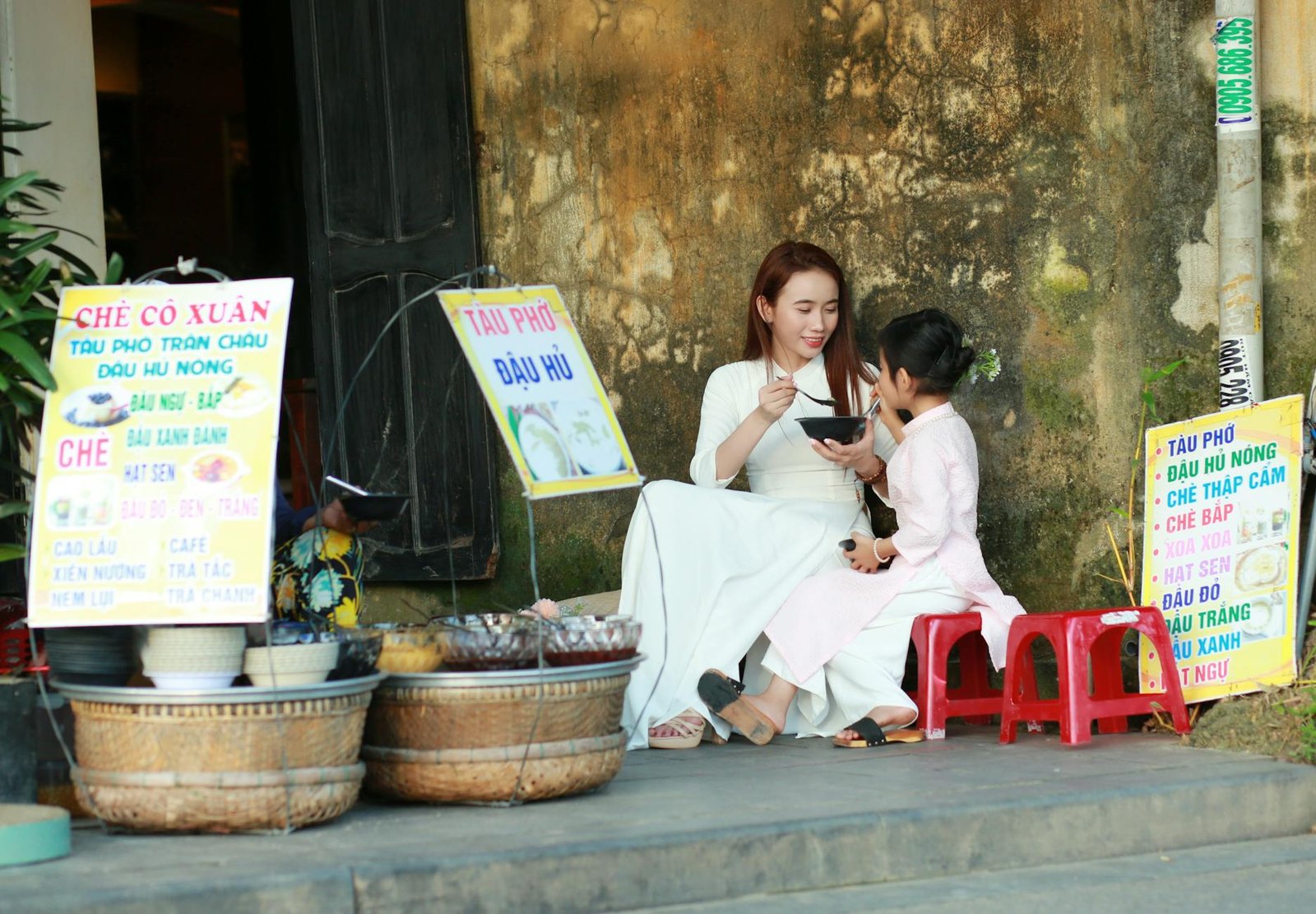
Hoi An Food Tour – Best Local Food & Restaurants
Hoi An Food Guide: A Complete Culinary Journey Through Vietnam’s Most Delicious Ancient Town
Hoi An sits along the Thu Bon River in central Vietnam, and it’s arguably the most rewarding food destination in the entire country. Hanoi has its pho. Ho Chi Minh City has its gloriously chaotic street food. But Hoi An occupies a different space entirely — a living kitchen where ancient trading routes, colonial influences, and generations of family recipes have slowly fused into something you won’t find anywhere else. For serious food travelers, this UNESCO World Heritage town isn’t just a stop on the itinerary. It’s the whole point.
The History of Hoi An’s Food Culture
To understand why Hoi An food tastes the way it does, you need to travel back roughly five centuries. Between the 15th and 19th centuries, Hoi An — then called Faifo — was one of the busiest trading ports in Southeast Asia. Japanese merchants built a permanent quarter here. Chinese traders set up clan houses and noodle shops. Portuguese, Dutch, and French sailors passed through regularly, each leaving behind spices, techniques, and ingredients that quietly wove themselves into the local cooking over generations.
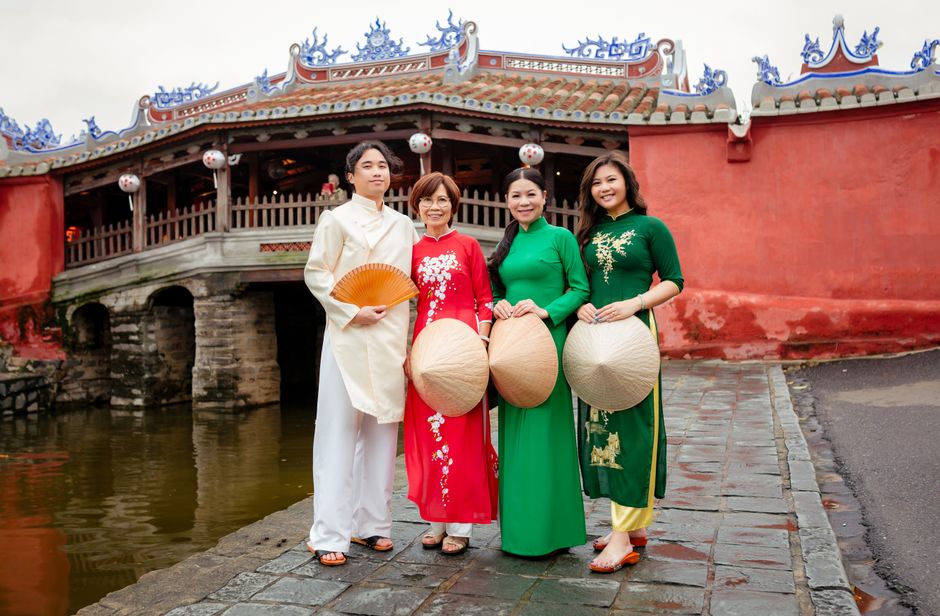
The Japanese influence is most visibly preserved in the iconic Chua Cau, the Japanese Covered Bridge, but it runs much deeper into the food culture. Japanese merchants introduced certain soy-based fermentation techniques and a preference for clear, refined broths — echoes of which still appear in local soups today. The Chinese community, which settled in significant numbers during the 17th and 18th centuries, brought wonton techniques, rice noodle-making traditions, and a culture of communal eating that fundamentally shaped how people here approach mealtimes.
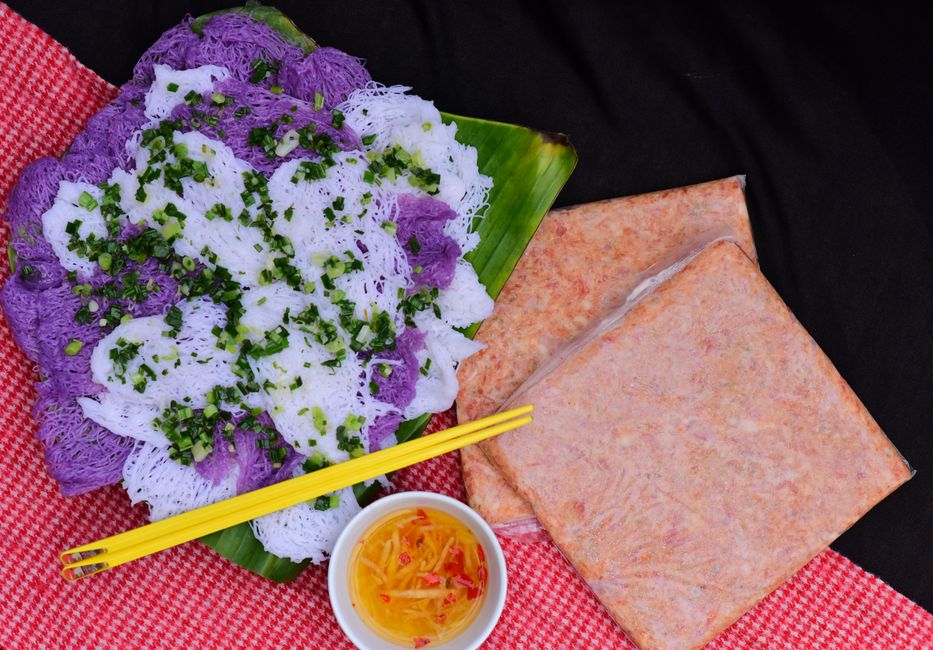
The French colonial period added yet another layer. Baguettes arrived, crusty and golden, and were almost immediately adapted into local banh mi variations that bear only a passing resemblance to anything you’d find in a French bakery. The French also cemented a cafe culture that persists today — riverside coffee shops and shaded garden restaurants are still central to daily life here, not just for tourists but for locals too.
What makes Hoi An’s food culture genuinely unique, though, is its isolation. Unlike Hanoi or Saigon, Hoi An’s commercial importance faded significantly by the 19th century when the Thu Bon River silted up and large trading vessels could no longer reach the port. That relative quiet meant recipes were preserved rather than modernized. Grandmothers passed down exact techniques to daughters and granddaughters without commercial pressure or the dilution that comes with mass tourism cooking — at least not until fairly recently. Even now, many of the best cooks in town are women who learned in family kitchens. The culinary identity here is deeply matriarchal.
The three dishes most symbolic of this heritage — Cao Lau, White Rose dumplings, and Banh Mi Phuong — don’t exist in the same authentic form anywhere else in Vietnam. That’s not marketing. It’s geography, water chemistry, and generations of jealously guarded technique. Cao Lau requires water drawn from a specific ancient Cham well, Ba Le Well, and its noodles are treated with ash lye in a process that produces a chewy, subtly smoky texture impossible to replicate elsewhere. That’s the essence of Hoi An’s food story: deeply local, fiercely specific, utterly irreplaceable.
Must-Try Foods in Hoi An
1. Cao Lau — The Dish That Cannot Leave Town
If you eat only one dish in Hoi An, make it Cao Lau. It’s the crown jewel of the local food scene and arguably the most geographically specific dish in all of Vietnamese cuisine. The thick, chewy rice noodles are made using water sourced exclusively from the ancient Ba Le Well in the center of the Old Town, then treated with ash from trees on the Cham Islands. The result is a noodle with a distinctive yellowish color, a firm and slightly smoky bite, and a texture that simply cannot be replicated anywhere else — something local noodle makers will tell you with very quiet, very genuine pride.
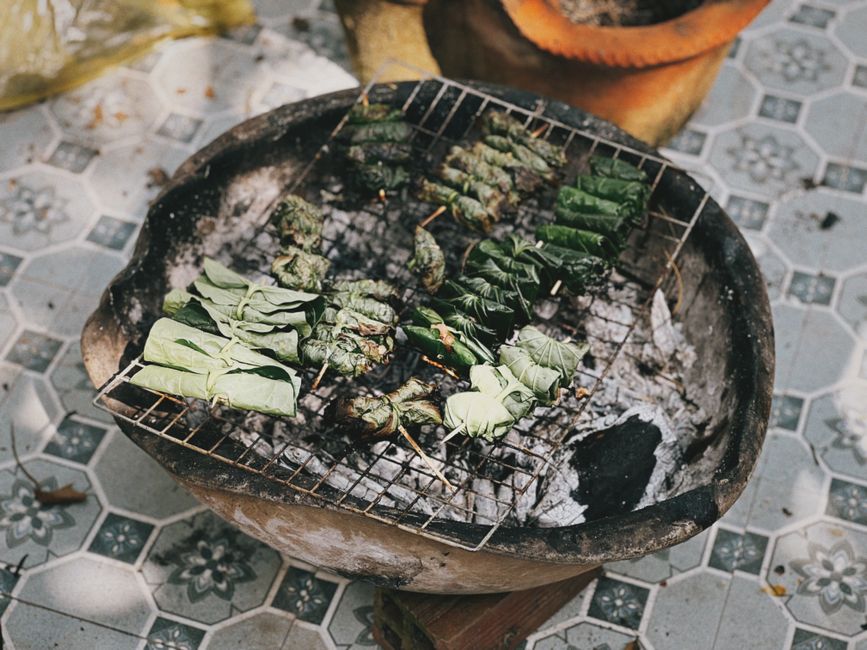
The bowl itself is a study in restraint. Noodles come with slices of char siu-style roasted pork showing clear Chinese influence, crispy wonton crackers, fresh herbs including mint and bean sprouts, and a small amount of rich, reduced broth used more as a dressing than a soup base. Unlike pho or bun bo Hue, Cao Lau isn’t soupy at all. It’s closer to a dressed noodle salad — intensely savory, deeply satisfying, and gone far too quickly.
For the best version in town, go to Thanh Cao Lau on Tran Phu Street. It’s a tiny, no-frills shop run by a family that has been making this dish for decades. Arrive before 10am for the freshest noodles and expect to pay around 40,000 to 60,000 VND per bowl. That’s roughly two dollars for one of the more memorable meals you’ll have in Vietnam.
2. White Rose Dumplings — Banh Bao Vac
Banh Bao Vac — the White Rose dumplings — are so delicate that first-time visitors often pause before eating them, reluctant to disturb the presentation. Shaped to resemble blooming white roses, with translucent rice paper petals folded around a savory filling of shrimp or pork, they’re simultaneously a culinary achievement and something that genuinely looks too pretty to eat. Eat them anyway.
The shrimp filling carries a clean oceanic sweetness. The pork version goes deeper — more aromatic, warmed with shallots and black pepper. Both are steamed until just barely firm, preserving that ethereal translucency, then topped with crispy fried shallots and a dipping sauce that hits salt, sour, heat, and sweetness in that precise Vietnamese balance you keep chasing through an entire trip.
Here’s a detail that makes these dumplings even more interesting: they’re produced almost exclusively by a single family operation, White Rose Restaurant on Hai Ba Trung Street, which supplies the vast majority of restaurants in Hoi An. This isn’t a monopoly play — it’s quality control as a cultural value. Restaurants throughout town proudly advertise that their dumplings come from this source. Visit the restaurant itself for the freshest experience. Sit near the open kitchen and watch the women folding each dumpling by hand. It’s worth seeing.
3. Banh Mi Phuong — Vietnam’s Most Famous Sandwich
Anthony Bourdain called it the best banh mi in the world, and millions of food travelers have since made the pilgrimage to a small, perpetually chaotic shop on Phan Chau Trinh Street to see if he was right. The verdict is almost universally yes. Banh Mi Phuong has become a genuine phenomenon, but the sandwich itself remains remarkably honest and unchanged despite the global attention.
The baguette is baked fresh throughout the day — shorter, crustier, and lighter than its French ancestor, with a satisfying crunch that gives way to an almost cloud-like interior. The fillings are generous to the point of structural ambition: pate, cold cuts of Vietnamese char siu and headcheese, fresh cucumber, pickled daikon and carrot, sliced chili, cilantro, and a house-made mayo that binds everything together. The combination of textures — crunchy bread, silky pate, crisp vegetables, tender meat — works in a way that’s hard to explain until you’re eating one on the street at 7am wondering if you can justify ordering a second.
Go early to beat the worst of the lines. Prices hover around 25,000 to 35,000 VND, making this one of the best value meals in Southeast Asia. Order the dac biet — the special combination — for the full experience. Bring napkins. This is not a tidy sandwich.
4. Com Ga Hoi
Book a Food Tour in Hoi An
Join a small-group food tour and taste the best of Hoi An with a local guide. Skip the tourist traps — discover the hidden spots only locals know.
📚 Food Travel Guides & Tips Best Sandwich Cities in the World 2026
 Best Food Museums and Culinary Experiences Worldwide 2026
 Tourist Trap Index 2026: Bar vs Shop Beer Prices in 30 European CitiesSee all food travel guides →
Book a Food Experience in Hoi An
Handpicked experiences — book with free cancellation and instant confirmation.
Explore More Food Tours
More food guides from Vietnam:
- Ho Chi Minh City Food Tour – Best Local Food & Restaurants
- Hue Food Tour Guide
- Nha Trang Food Tour Guide
- Phu Quoc Food Tour Guide
You might also enjoy:
- Chengdu Food Tour Guide (China)
- Chiang Mai Food Tour Guide (Thailand)
Featured in:
Frequently Asked Questions
How much does a food tour in Hoi An cost?
Food tours in Hoi An typically range from €25 to €80 per person for a guided group tour. Private tours and premium culinary experiences can cost more, while self-guided food walks are often free or low-cost.
How long do food tours in Hoi An last?
Most guided food tours in Hoi An last between 2 and 4 hours and include multiple tasting stops. Walking food tours tend to run around 3 hours, while sit-down dining experiences may last longer.
What local dishes should I try on a Hoi An food tour?
A food tour in Hoi An is the best way to discover authentic local specialties. Your guide will take you to street food markets, traditional restaurants, and neighbourhood gems that locals love — dishes you would never find on your own.
What is the best area for street food in Hoi An?
The best areas for street food and local cuisine in Hoi An are usually found in the old town, central food markets, and traditional neighbourhoods away from the main tourist hotspots. A local food guide will show you exactly where to go.
Are food tours in Hoi An suitable for people with dietary restrictions?
Most food tour operators in Hoi An can accommodate vegetarian, vegan, halal, and gluten-free diets with advance notice. Always inform your guide of any dietary requirements when booking so they can plan the best route for you.
Book a Food Tour in Hoi An
Join a small-group food tour and taste the best of Hoi An with a local guide. Skip the tourist traps — discover the hidden spots only locals know.
Book a Food Experience in Hoi An
Handpicked experiences — book with free cancellation and instant confirmation.
Explore More Food Tours
More food guides from Vietnam:
- Ho Chi Minh City Food Tour – Best Local Food & Restaurants
- Hue Food Tour Guide
- Nha Trang Food Tour Guide
- Phu Quoc Food Tour Guide
You might also enjoy:
- Chengdu Food Tour Guide (China)
- Chiang Mai Food Tour Guide (Thailand)
Featured in:
Frequently Asked Questions
How much does a food tour in Hoi An cost?
Food tours in Hoi An typically range from €25 to €80 per person for a guided group tour. Private tours and premium culinary experiences can cost more, while self-guided food walks are often free or low-cost.
How long do food tours in Hoi An last?
Most guided food tours in Hoi An last between 2 and 4 hours and include multiple tasting stops. Walking food tours tend to run around 3 hours, while sit-down dining experiences may last longer.
What local dishes should I try on a Hoi An food tour?
A food tour in Hoi An is the best way to discover authentic local specialties. Your guide will take you to street food markets, traditional restaurants, and neighbourhood gems that locals love — dishes you would never find on your own.
What is the best area for street food in Hoi An?
The best areas for street food and local cuisine in Hoi An are usually found in the old town, central food markets, and traditional neighbourhoods away from the main tourist hotspots. A local food guide will show you exactly where to go.
Are food tours in Hoi An suitable for people with dietary restrictions?
Most food tour operators in Hoi An can accommodate vegetarian, vegan, halal, and gluten-free diets with advance notice. Always inform your guide of any dietary requirements when booking so they can plan the best route for you.