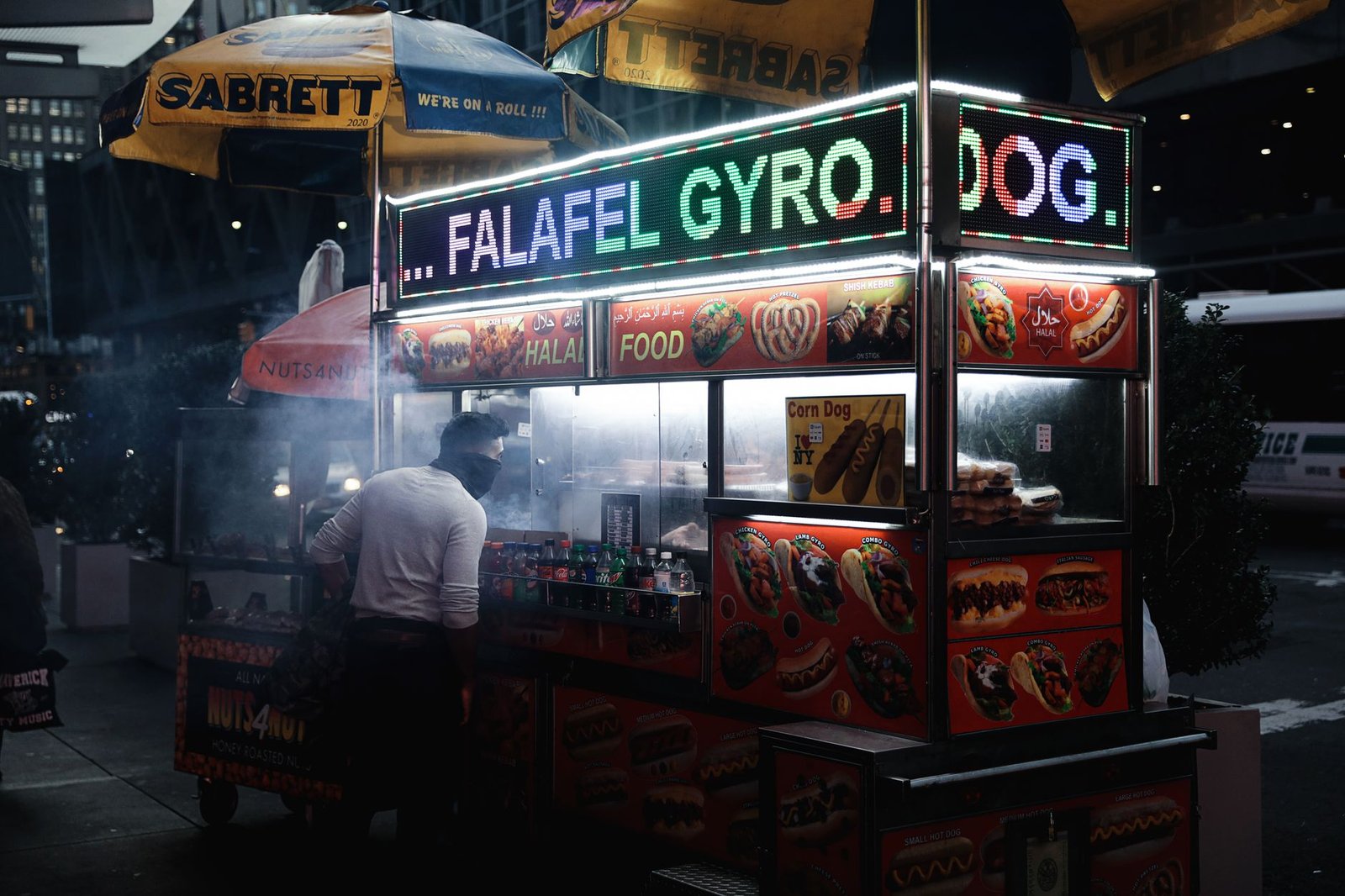
A Traveler’s Guide to Finding Halal Food Abroad 2026
Traveling as a Muslim — or simply choosing to eat halal for ethical or dietary reasons — has never been easier, but it still requires a little extra homework before you land. Whether you’re navigating the neon-lit street markets of Bangkok, hunting down a proper lamb tagine in Paris, or decoding certification stickers on a London restaurant window, knowing what to look for can be the difference between a confident, joyful meal and an anxious guessing game. The global halal food industry is now worth over $2 trillion and growing fast, which means more cities, more restaurants, and more infrastructure exist to serve halal travelers than ever before. This guide is your practical, honest companion for finding great halal food abroad in 2026 — no stress, no skipped meals, just good eating.
Understanding Halal Certification Symbols Around the World
One of the trickiest parts of eating halal abroad is that there is no single universal certification logo. Every country — and sometimes every region — has its own certifying body, and spotting the right symbol on a menu or storefront takes a little education before your trip.
Here are some of the most widely recognized certification bodies and symbols to look for:
- JAKIM (Malaysia) — A green circle with crescent and star design. One of the most rigorous and respected certifications in the world. If you see JAKIM-certified products in grocery stores internationally, consider them thoroughly verified.
- MUI (Indonesia) — A square Arabic-script logo from Indonesia’s Ulema Council. Common on packaged goods across Southeast Asia.
- HMC (UK) — The Halal Monitoring Committee certification is highly regarded in the United Kingdom, specifically because it requires hand-slaughter. Look for the green HMC logo in British restaurants and takeaways.
- IFANCA (USA and international) — The Islamic Food and Nutrition Council of America certifies many packaged foods sold globally. Their crescent-M symbol appears on everything from candy bars to sauces in American and European supermarkets.
- CCMO and ARGML (France) — France has multiple certifying bodies; the Grande Mosquée de Paris certification is one of the oldest and most recognized in the country.
A practical tip: before you travel, Google the primary halal certification body for your destination country and save an image of their logo to your phone. When you’re standing in a convenience store in Singapore or browsing a Paris butcher, you’ll know exactly what you’re scanning for.
The Best Apps and Websites for Halal Food Discovery in 2026
Technology has genuinely transformed the halal travel experience. A few reliable apps should live on your phone before any international trip.
- Zabihah.com / Zabihah App — The original and still the most trusted crowd-sourced halal restaurant directory. With over 25 years of community reviews and listings in more than 100 countries, this is your first stop for any destination. Search by neighborhood, filter by cuisine, and read real diner reviews about whether the certification is current.
- HalalTrip — Think of this as a full Muslim travel platform. Beyond food listings, it includes prayer time alerts, mosque finders, and halal hotel filters. The restaurant listings are well-curated for major tourist cities.
- Crave Halal — A newer app gaining traction in North America and Europe, with a clean interface and user photo uploads so you can see actual menu items and certification stickers.
- Google Maps — Don’t underestimate a simple search like “halal restaurant near me” on Google Maps. Many restaurants now tag themselves as halal in their business profiles, and the photo section often shows certification stickers posted near the entrance.
Pro tip: download offline restaurant lists or screenshots before you land, especially if you’re traveling to destinations where mobile data can be patchy. A few saved Zabihah listings in your camera roll could save dinner on a slow-data night in rural Thailand.
The Best Halal Food Cities Outside the Muslim World
Some cities have invested so heavily in diverse food infrastructure that finding exceptional halal meals is genuinely effortless. Here are four that consistently impress halal travelers.
London, United Kingdom
London is arguably the halal food capital of the Western world. Brick Lane in East London is a legendary destination — dozens of Bangladeshi and South Asian restaurants line the street, the majority halal-certified by HMC or local bodies. For something more upscale, head to Edgware Road, often called “Little Cairo,” where Lebanese restaurants like Maroush serve outstanding shawarma and mezze from around £12–18 per person. The city’s vast Muslim population (over one million residents) means halal options exist in virtually every neighborhood, from Nigerian suya spots in Peckham to Turkish mangal grills in Dalston. Food tours in London specifically focused on halal and multicultural cuisine are readily available on Viator, and they’re genuinely one of the best ways to eat your way through the city with a knowledgeable local guide.
Singapore
Singapore is a halal traveler’s dream, partly because the government’s MUIS (Majlis Ugama Islam Singapura) certification is legally regulated and prominently displayed. The famous hawker centers — Newton Food Centre, Lau Pa Sat, and Geylang Serai Market — all have dedicated halal stalls clearly marked with the MUIS crescent logo. You can eat char kway teow, nasi lemak, and chicken rice for as little as SGD $4–6 (roughly $3 USD) per plate. Kampong Glam, Singapore’s historic Malay quarter, is packed with halal restaurants ranging from casual to fine dining. Guided food tours through Kampong Glam on GetYourGuide typically run around SGD $60–80 per person and are worth every cent for the storytelling alone.
Bangkok, Thailand
Thailand’s southern provinces are majority Muslim, and Bangkok has a thriving Muslim community concentrated in areas like Bang Rak and the streets around Haroon Mosque. The halal food scene here is spectacular and budget-friendly. Look for the Thai Islamic Restaurant Association sticker — a green Arabic-script logo — on restaurant windows. Halal Thai food in Bangkok can mean rich massaman curry with slow-braised beef, fragrant biryani rice with raita, or grilled satay sticks for as little as 40–80 Thai Baht (about $1–2 USD) from street stalls near mosques. The Friday market near Haroon Mosque is a must-visit for halal street snacks, especially in the morning.
Paris, France
Paris surprises many travelers with the depth and quality of its halal food scene. The 18th and 19th arrondissements — particularly around Barbès-Rochechouart — are packed with North African halal butchers, Algerian pastry shops, and Moroccan restaurants serving harira soup and slow-cooked lamb merguez. Rue de la Goutte d’Or is a fantastic street for affordable halal eating, with grilled merguez sandwiches available for around €4–5. For a fancier night out, several halal French-fusion restaurants in the Marais district have emerged in recent years, offering classic French technique applied to halal proteins. Look for the Grande Mosquée de Paris certification logo or listings on Zabihah before booking.
How to Ask the Right Questions at Restaurants
Sometimes a certification sticker isn’t visible, or you’re in a destination where halal certification infrastructure is limited. Knowing how to ask smart, specific questions is an essential skill.
- Ask specifically: “Is your meat halal-certified?” rather than just “Is this halal?” — the latter is vague and staff may say yes simply to reassure you.
- Ask where the meat is sourced from and whether the supplier is certified. Many restaurants can tell you the name of their butcher.
- Ask about cross-contamination: “Is this cooked in the same pan or oil as pork products?” This matters enormously in Chinese, Southeast Asian, and European kitchens where pork fat is commonly used.
- Ask whether the kitchen uses alcohol in sauces or marinades — a common preparation step in French, Italian, and many fusion cuisines.
- If language is a barrier, consider using a halal food card translated into the local language. Several are available as free downloads online for destinations like Japan, China, and Thailand.
Street Food Caveats Every Halal Traveler Should Know
Street food is one of the great joys of travel, and halal travelers shouldn’t have to miss out — but it does require an extra layer of awareness.
- Shared grills are common at street markets. In places like Bangkok’s night markets or Istanbul‘s bazaars, halal and non-halal meats are sometimes grilled side by side. When in doubt, ask or observe before ordering.
- Broth and sauces at Asian noodle stalls may contain pork bone stock even when the visible toppings appear halal. This is particularly common in Vietnam and parts of China.
- In Japan, many sauces including mirin, sake-based glazes, and some soy sauces contain alcohol. Vegan or Buddhist-friendly stalls are often the safest bet for avoiding alcohol ingredients.
- Look for stalls physically located near mosques or in predominantly Muslim neighborhoods — these are almost always operating under community expectations of halal compliance, even without formal certification.
- Seafood and plant-based stalls are generally lower-risk options when certification is uncertain, as the primary halal concerns center around land animal slaughter and pork contamination.
Traveling halal in 2026 is an adventure, not an obstacle. The combination of powerful apps like Zabihah and HalalTrip, increasingly widespread certification systems, and a booming global halal food economy means you can eat beautifully and confidently in almost any corner of the world. Do a little research before you land, learn the local certification logos, ask the right questions, and don’t be afraid to seek out food tours led by locals who know exactly where to take you. Some of the most memorable meals of your life are waiting in the halal kitchens, street stalls, and family-run restaurants of London, Singapore, Bangkok, and Paris. Ready to start planning? Browse our curated food tour guides at FoodTourTrails.com for destination-specific halal eating itineraries and our top picks for guided culinary experiences worldwide.
Book a Food Experience in Top Destinations
Handpicked experiences — book with free cancellation and instant confirmation.
Explore More Food Tours
Guides for the cities in this article:
- Cairo Food Tour Guide (Egypt)
- Singapore Food Tour Guide (Singapore)
- Istanbul Food Tour Guide (Turkey)
- Paris Food Tour Guide (France)
- London Food Tour Guide (UK)
- Bangkok Food Tour Guide (Thailand)
Frequently Asked Questions
How do I verify if a restaurant is truly halal certified when traveling abroad?
Look for official halal certification logos from recognized local Islamic authorities, such as JAKIM in Malaysia, MUI in Indonesia, or IFANCA in the United States. Always ask to see the physical certificate, as it should display an expiry date and issuing body. Cross-reference the certification on the official authority's website or app when possible, since fraudulent signage does exist in tourist-heavy areas.
Which apps are most reliable for finding halal restaurants in unfamiliar cities in 2026?
HalalTrip, Zabihah, and Muslim Pro remain the most widely used and consistently updated platforms for locating halal dining options globally. HalalTrip in particular added AI-powered real-time user verification in 2025, making its listings significantly more trustworthy. Always read recent reviews dated within the last three months, as restaurant ownership and halal status can change without notice.
What should I do if I'm traveling in a country with very few halal-certified restaurants?
Focus on vegetarian or vegan restaurants, seafood establishments, and kosher-certified eateries, as these often align with halal dietary requirements for many travelers. Grocery stores selling packaged goods with halal logos, particularly in cities with any Muslim population, are a reliable backup for snacks and simple meals. Countries like Japan, Iceland, and parts of Eastern Europe have improved halal availability significantly, so researching local Muslim community centers before arrival can lead you to trusted resources.
Is cross-contamination a real concern at non-halal restaurants that claim to offer halal menu options?
Yes, cross-contamination is a legitimate and frequently overlooked concern, particularly in restaurants that serve both pork and halal items from the same kitchen. Ask staff directly whether separate utensils, cutting boards, and cooking surfaces are used for halal dishes, and whether pork-based cooking oils or stocks are used in sauces. Many experienced halal travelers recommend calling ahead rather than asking in person during a busy service, as kitchen staff can give more detailed and accurate answers.
How do I handle halal food needs on long international flights when airline meals are uncertain?
Always request a halal meal (MOML) at least 48 hours before your flight through the airline's website or customer service, as these are prepared separately and are generally more reliably halal than standard meals. Pack substantial backup snacks like halal-certified protein bars, nuts, and dried fruit in your carry-on in case the special meal request is missed, which happens more often on connecting or code-share flights. Emirates, Turkish Airlines, and Qatar Airways are consistently rated highest for the quality and reliability of their halal meal options as of 2026.