
Cairo Food Tour – Best Local Food & Restaurants
Cairo, Egypt: The Ultimate Food Guide
A Culinary Journey Through Egypt’s Ancient Capital
Cairo is a city where ancient history collides with vibrant street culture, and nowhere is this more apparent than in its extraordinary food scene. From bustling medieval markets to modern dining establishments, Egypt’s capital offers a sensory experience that will transform your understanding of Middle Eastern cuisine. The food of Cairo tells stories of trade routes, cultural exchanges, and centuries-old family recipes passed down through generations. Whether you’re navigating the aromatic chaos of Khan el-Khalili bazaar or sitting down to a traditional meal in a local home, every bite represents a piece of Egyptian heritage that deserves to be savored and celebrated.
The foundation of Cairo’s food culture is built on centuries of culinary tradition. Egyptian food emphasizes simplicity, seasonality, and bold flavors derived from spices like cumin, coriander, and cardamom. What makes Cairo’s food scene particularly special is how locals have maintained these authentic recipes while modern restaurants continue to innovate. You’ll discover that eating in Cairo isn’t just about sustenance—it’s about community, conversation, and connection to a civilization that has thrived for thousands of years along the Nile River.
Top Street Food of Cairo
No visit to Cairo is complete without indulging in the city’s legendary street food. Koshari is perhaps Cairo’s most iconic street dish—a chaotic yet harmonious combination of rice, lentils, pasta, chickpeas, and tomato sauce, topped with crispy fried onions and a sharp vinegar dressing. You’ll find koshari carts throughout the city, but Abou Tarek in Talaat Harb Square is the undisputed king, serving this beloved dish to crowds of locals and tourists alike since 1957. The beauty of koshari lies in its democratic appeal—it’s affordable, delicious, and perfectly captures the spirit of Cairo street food.
Other essential street foods include ta’ameya (Egyptian falafel made from fava beans rather than chickpeas), which produces a fluffier texture and more delicate flavor than its Middle Eastern cousins. Grab a freshly fried ta’ameya sandwich from any street vendor, tuck it into warm pita bread with tahini sauce and fresh vegetables, and you’ll understand why Egyptians queue for this breakfast staple. Don’t miss feteer meshaltet, a flaky pastry that can be sweet or savory, often filled with cheese, honey, or jam. These hand-rolled, butter-layered creations are typically enjoyed in the early morning, fresh from street vendors who have been perfecting their craft for decades.
Khan el-Khalili: The Heart of Cairo’s Food Culture
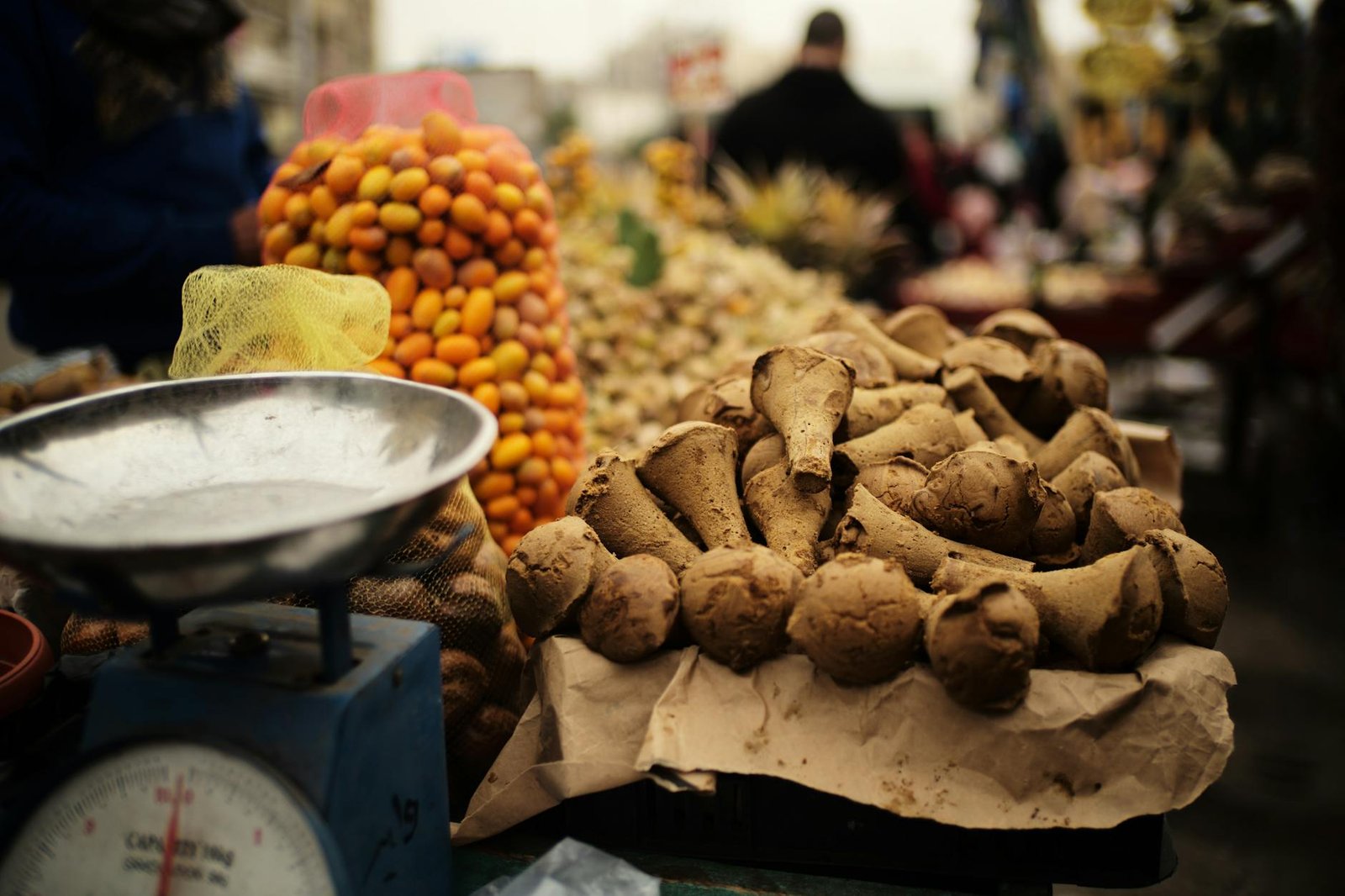
Khan el-Khalili is Cairo’s most famous bazaar and a food lover’s paradise. This medieval marketplace has thrived since the 14th century, and its narrow alleyways are packed with spice merchants, juice vendors, pastry shops, and food stalls that seem frozen in time. Walking through Khan el-Khalili engages all your senses—the aroma of cardamom, cinnamon, and roasted nuts mingles with the calls of merchants and the sizzle of food being prepared. The market is organized by product, so you’ll find entire sections dedicated to dried fruits, nuts, spices, and traditional sweets.
Visit the spice merchants near the Al-Fishawi café to witness towering pyramids of vibrant powders—sumac, mahlab, and baharat spice blends that form the foundation of Egyptian cooking. The pastry shops here display trays of baklava, basbousa (coconut semolina cake), and konafa (shredded pastry soaked in honey) that have been made using the same recipes for generations. Stop at Al-Fishawi, established in 1773, for strong coffee and shisha while watching the bazaar pulse with life around you. This café is the perfect place to observe local culture and soak in the atmosphere that has made Khan el-Khalili the soul of Cairo for over six centuries.
Best Restaurants in Cairo
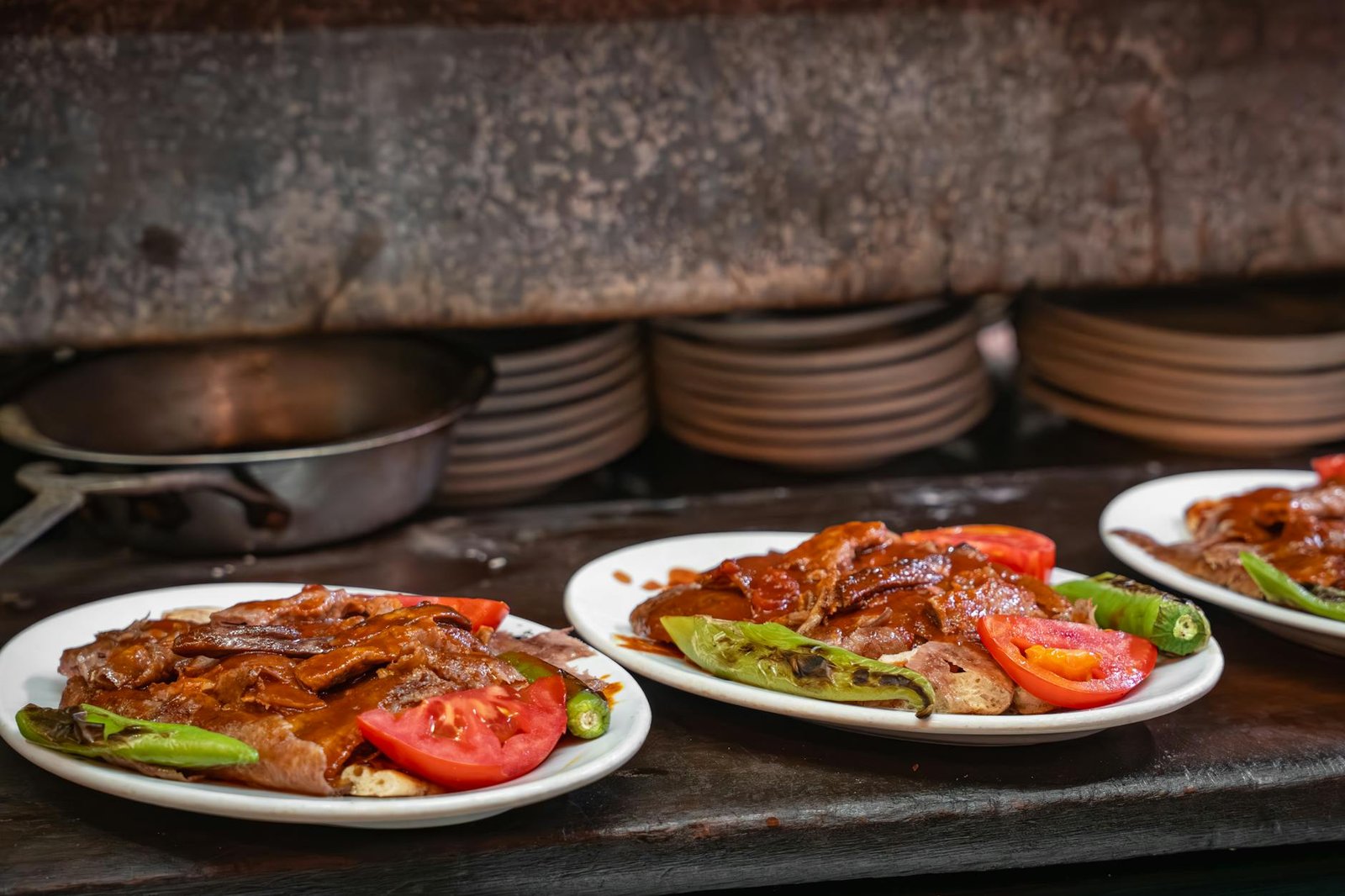
For a more formal dining experience, Nile-side restaurants offer spectacular views paired with refined Egyptian and Mediterranean cuisine. For an unforgettable meal in this style, seek out restaurants along the Nile in Zamalek that serve contemporary Egyptian dishes in an elegant setting, with standout preparations of grilled fish, molokheya (leafy green stew), and traditional mezze. Chefs in this scene respect traditional recipes while adding modern plating and presentation techniques that elevate the dining experience, and specialty Egyptian duck prepared with local spices and served with roasted vegetables harvested from the Nile Delta is a dish worth seeking out.
Abu El Sid in Islamic Cairo offers an immersive experience in a restored traditional mansion, where you can enjoy authentic Egyptian cuisine in rooms decorated with antiques and traditional furnishings. Their mahshi (stuffed vegetables), ful medames (slow-cooked fava beans), and various kebab preparations are executed with precision and love. For something more casual but equally authentic, Haggag in Zamalek is famous for its roasted pigeon stuffed with herbs and rice—a dish that requires skill and patience to prepare correctly. Locals queue for tables here, and the modest setting belies the quality of food being served.
Best Food Tours and Experiences
Taking a guided food tour through Cairo provides invaluable context and access that solo exploration cannot replicate. Viator offers several well-reviewed Cairo food tours that include visits to Khan el-Khalili, local markets, and street food tastings with knowledgeable guides who explain the history and cultural significance of each dish. These tours typically run 4-6 hours and include samples of koshari, ta’ameya, fresh juices, and traditional pastries, with prices ranging from $60-$120 per person depending on group size and inclusions.
GetYourGuide features curated food experiences including Egyptian cooking classes where you’ll learn to prepare classic dishes from local chefs, as well as evening food tours through Cairo’s neighborhoods that showcase both street food and family-run establishments. Many tours include hotel pickup and transportation, which is particularly valuable given Cairo’s challenging traffic and the difficulty of navigating some neighborhoods independently. These structured experiences often provide better value and deeper insights than self-guided exploration, particularly if you’re short on time or uncomfortable navigating the city solo.
When to Visit Cairo for Food
The best time to experience Cairo’s food scene is during the cooler months from October through April. During this period, the weather is pleasant enough to comfortably explore markets and eat at outdoor venues, and many seasonal dishes reach their peak. Ramadan, the Islamic holy month of fasting, transforms Cairo’s food culture entirely—if you can plan around it, the pre-dawn and post-sunset meals are legendary. Street vendors and restaurants prepare special seasonal dishes, and the nights come alive with food celebrations, though restaurant hours during Ramadan are unconventional, closing during daylight hours and reopening after sunset.
Avoid the summer months of June through September when temperatures exceed 40°C (104°F), making market exploration uncomfortable and tiring. Winter months also coincide with peak produce season, so you’ll find the freshest ingredients in dishes and the most vibrant juice bars. If you time your visit for local festivals or holidays, you’ll encounter traditional foods prepared specifically for those occasions, adding another layer of authenticity to your culinary journey through this magnificent city.
Essential Egyptian Dishes You Must Try
Beyond street food, several classic Egyptian dishes deserve dedicated exploration. Molokheya is a beloved national dish—leafy greens cooked down into a dark, almost black stew, flavored with garlic and served over rice or bread. It’s humble, deeply flavorful, and represents the essence of Egyptian home cooking. Fatta is another comfort food staple, combining bread, rice, lentils, and a yogurt sauce with meat—it’s often served on special occasions and embodies the communal spirit of Egyptian dining. Fattah (a different spelling, different dish) combines crumbled bread with rice, vinegar, and meat broth, creating a deconstructed yet harmonious meal.
Stuffed vegetables, or mahshi, showcase Egyptian creativity with technique—tomatoes, peppers, and zucchini are hollowed and filled with seasoned rice and meat, then slow-cooked until tender. Grilled meats like kofta (ground meat kebabs) and shish taouk (marinated chicken skewers) are quintessential Cairo fare, best enjoyed at local grills throughout the city. Finally, don’t overlook omelets prepared by street vendors—they often include fresh herbs, cheese, and vegetables, transforming a simple breakfast into something memorable when made fresh before your eyes.
Tips for Food Safety and Dining Etiquette
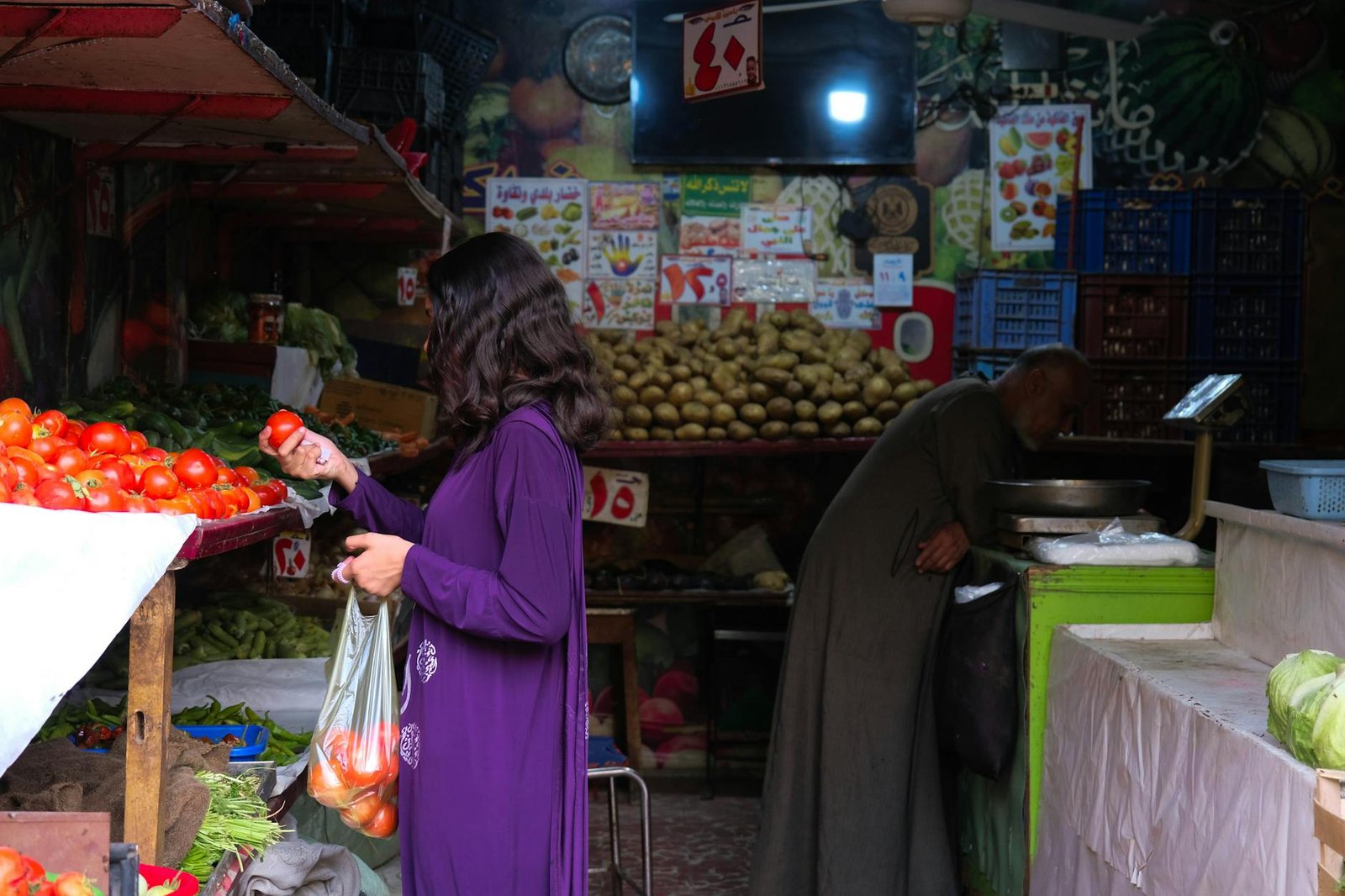
When eating street food in Cairo, choose vendors with high turnover and visible popularity among locals—this typically indicates fresh, regularly-prepared food. Stick to bottled water, avoid ice in drinks at street stalls, and peel fruits yourself when possible. Most street food is cooked fresh in front of you, which ensures quality. Restaurants in tourist areas and established establishments maintain food safety standards, though it’s wise to check reviews and ask hotel staff for current recommendations.
When dining in Cairo, understand that meals are social events—expect leisurely pacing and multiple courses. Tipping is customary; aim for 10-15% at restaurants. If invited to a local home for food, accept graciously and come with an appetite—hosts take pride in generous portions. Always praise the food, as this is considered respectful. Learning basic Arabic phrases like “Tastes delicious” (Za’eeq) and “Thank you” (Shukran) endears you to vendors and restaurant staff, often resulting in generous portions and warm hospitality that no guidebook can guarantee.



Book a Food Experience in Cairo
Handpicked experiences — book with free cancellation and instant confirmation.
Explore More Food Tours
More food guides from Egypt:
You might also enjoy:
- Jeddah Food Tour Guide (Saudi Arabia)
- Riyadh Food Tour Guide (Saudi Arabia)
- Fes Food Tour Guide (Morocco)
- Jerusalem Food Tour Guide (Israel)
- Tel Aviv Food Tour Guide (Israel)
Featured in:
Frequently Asked Questions
What is the typical cost of a food tour in Cairo?
Most guided food tours in Cairo range from $40 to $80 USD per person for a 3-4 hour experience, with premium tours reaching $100-150. Prices typically include samples of various dishes, drinks, and the guide's expertise, though some budget tours may not cover all tastings.
How long do food tours in Cairo usually last?
Standard food tours in Cairo typically last between 3 to 4 hours, though some evening tours extend to 5 hours to include dinner at a local restaurant. Walking-focused tours tend to be shorter (2-3 hours), while comprehensive neighborhood tours may take the full afternoon or evening.
What local Cairo foods should I expect to try on a food tour?
You can expect to sample iconic Egyptian dishes like koshari (mixed rice, pasta, and lentils), ful medames (fava bean stew), ta'ameya (Egyptian falafel), and freshly baked aish baladi (Egyptian flatbread). Tours often include street food specialties like liver and meat skewers, basboosa (coconut cake), and traditional Egyptian sweets like konafa and basboosa.
Which neighborhoods in Cairo offer the best street food experiences?
Khan El-Khalili bazaar is famous for traditional Egyptian sweets and street food, while Islamic Cairo offers authentic local eateries in historic surroundings. Downtown Cairo (Heliopolis and Zamalek) features a mix of modern and traditional street food vendors, and Al-Moattaz street in Heliopolis is renowned for its concentrated food stalls and busy food scene.
How can I handle dietary restrictions on a Cairo food tour?
Inform your tour operator about dietary restrictions at least 48 hours in advance; most reputable tours can accommodate vegetarian, vegan, and halal requirements. Cairo has abundant plant-based options like ful medames, ta'ameya, and koshari without meat, and vendors can typically prepare dishes without animal products upon request.