Mumbai Food Tour – Best Local Food & Restaurants
Mumbai Food Guide: A Complete Culinary Journey Through India’s Most Delicious City
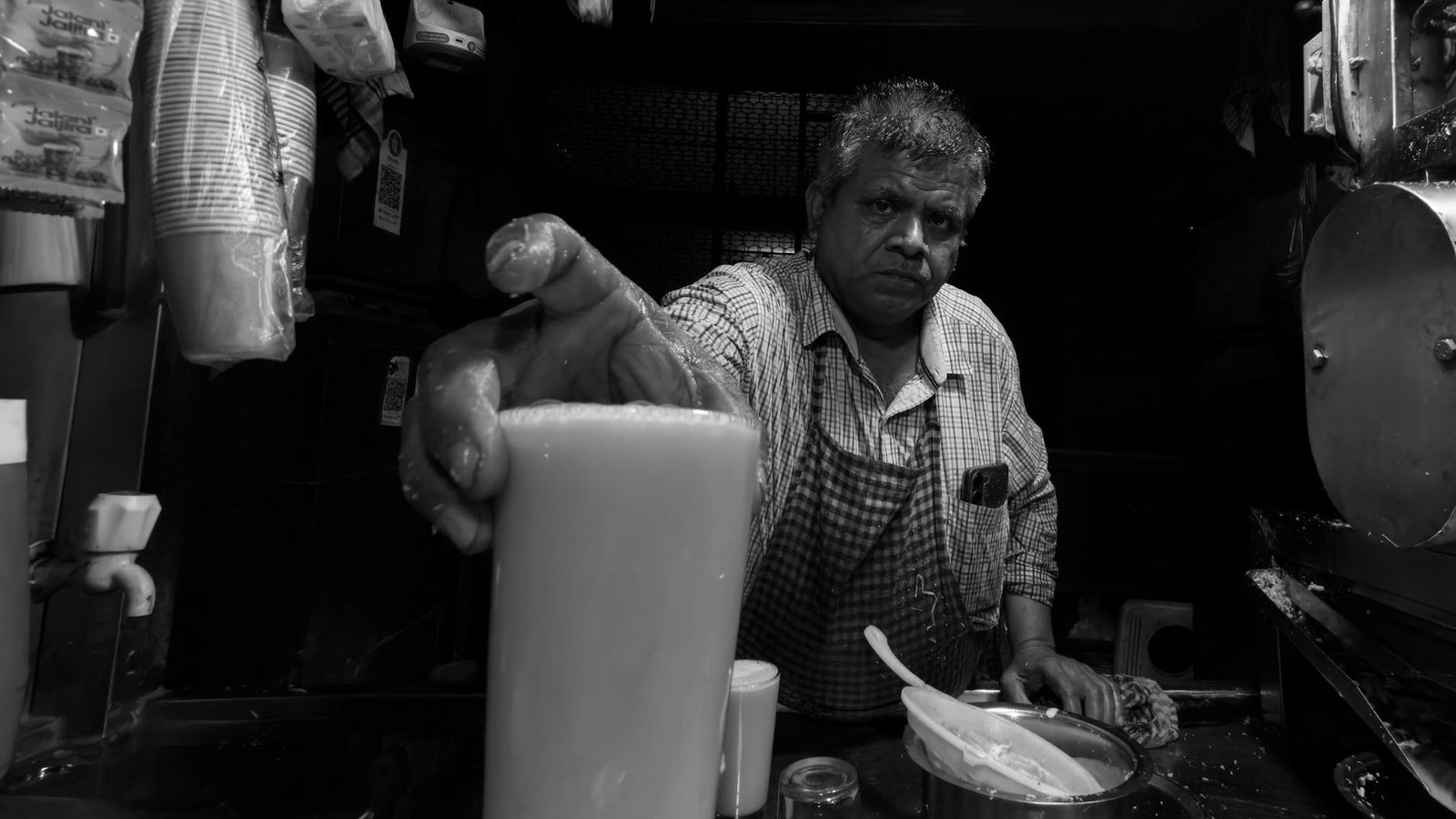
Mumbai is not just India’s financial capital — it’s the street food capital of the world, and I’ll stand by that claim after eating my way through dozens of cities. With over 20 million residents representing every corner of India, every religion, every culinary tradition imaginable, the food scene here is magnificent, chaotic, and deeply personal. You can’t replicate it anywhere else. From the smoky vada pav stalls outside local train stations to the legendary kebabs of Mohammad Ali Road, eating in Mumbai tells you more about this city than any guidebook ever could.
The History of Mumbai’s Food Culture
Mumbai’s food story begins long before the city had its modern name. Originally a cluster of seven islands inhabited by the Koli fishing community, the earliest cuisine here was dominated by fresh seafood — pomfret, bombil (Bombay duck), surmai — cooked in fiery coconut-based gravies that still form the backbone of authentic Maharashtrian coastal cooking today. The Kolis introduced the city to bombil fry and clam curry. Centuries later, those dishes are still cultural touchstones.
Everything shifted when the Portuguese arrived in the 15th century, followed by the British East India Company in 1661. The Portuguese brought vinegar-based cooking techniques that deeply influenced Goan cuisine, which in turn shaped Mumbai’s palate more than most people realize. The British colonial period transformed Bombay into a booming port city, pulling in waves of migrants — Gujarati traders, Parsi refugees from Persia, Sindhi merchants, Udupi Brahmins from Karnataka, Muslim communities from across the subcontinent. Every group brought their kitchen with them.
The Parsis, who arrived from Persia between the 8th and 10th centuries, made one of the most enduring contributions to Mumbai’s food identity. Their cuisine — Persian technique married to Indian spice — gave the city dhansak, patra ni machhi, and the legendary Irani café culture. The Iranis who followed in the late 19th and early 20th centuries opened the iconic cafés that became Mumbai’s beloved gathering spaces. Poets, politicians, and factory laborers all sat at the same chipped tables drinking chai and eating bun maska from the same menu.
The real explosion of street food came during the 20th century as industrialization pulled millions of workers from Maharashtra, Gujarat, and Uttar Pradesh into the city. These workers needed fast, cheap, filling food — eaten standing up between shifts. That necessity birthed the vada pav, the pav bhaji, the bhel puri. Not just snacks. Economic lifelines. Accidental culinary masterpieces created by vendors competing for pennies on crowded footpaths.
Today, Mumbai’s food culture keeps evolving while fiercely protecting its roots. The city embraces contemporary fine dining concepts and defends century-old street stalls with the same fierce loyalty. New-wave chefs are reimagining traditional Maharashtrian ingredients with modern technique, while neighborhood aunties still make sol kadhi from scratch the way their grandmothers taught them. That tension between old and new is what keeps this food scene genuinely alive.
Must-Try Foods in Mumbai
1. Vada Pav — The Soul of Mumbai
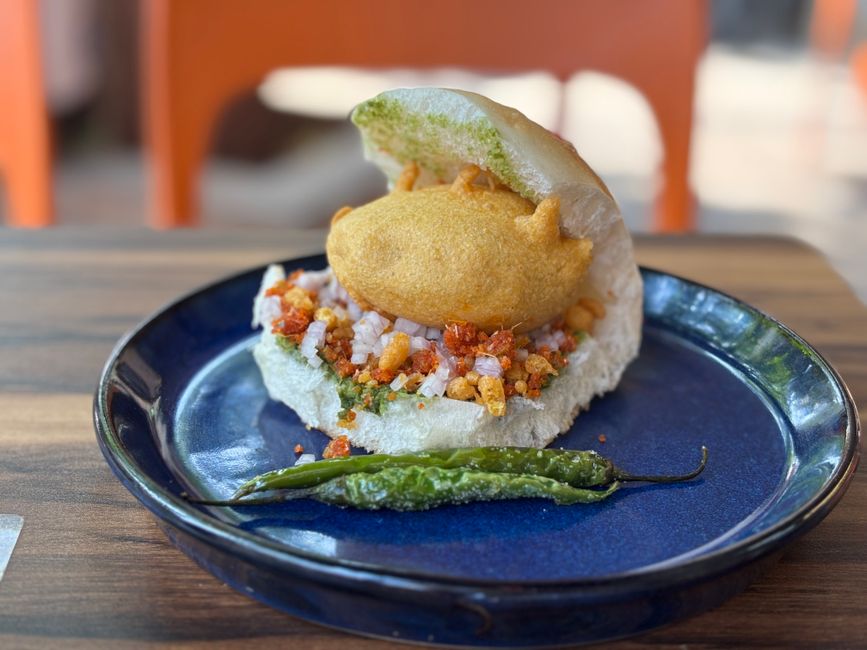
No dish captures Mumbai more completely than the vada pav. Often called the “Indian burger,” though that label undersells it — this is a spiced, deep-fried potato dumpling nestled inside a soft white bread roll, layered with dry garlic chutney, green chutney, and a smear of tamarind sauce. Ashok Vaidya invented it in 1966 outside Dadar station, originally as an affordable meal for textile mill workers. Today it crosses every class boundary in the city. Office executives eat it at 8am on the platform. Schoolkids eat it at 3pm on the street. No two vada pav stalls taste identical — the secret is the chutney ratio and the freshness of the vada itself. The original Ashok Vada Pav in Dadar is worth the trip, but honestly, the stalls outside Churchgate or CST during morning rush hour are equally good and cost around ₹15–20 per piece.

2. Pav Bhaji — Mumbai’s Greatest Comfort Food
Pav bhaji was born out of necessity in the 1850s. Textile mill workers needed a hot lunch that cooked fast and ate faster. Resourceful vendors started mashing together leftover vegetables — potatoes, tomatoes, peas, cauliflower, capsicum — into a thick, aggressively spiced curry, then serving it with bread rolls seared on a flat iron griddle. The result was so good it transcended its working-class origins entirely. Modern pav bhaji is cooked with an embarrassing amount of butter — do not feel guilty about this — finished with lime juice and raw onion, with the pav toasted in so much butter it turns golden and crispy at the edges. Sardar Pav Bhaji in Tardeo is the benchmark. The stalls at Juhu Beach on a breezy evening are a close second and a harder experience to forget.
3. Seafood — The Koli Legacy
Mumbai was built on islands surrounded by the Arabian Sea. Seafood runs through the city’s culinary DNA in ways that outsiders constantly underestimate. The Bombay duck — bombil — is the most misunderstood thing on any menu here. Not duck at all. A slender, gelatinous fish that’s either deep-fried until crackling crispy or sun-dried and used as a flavor bomb in other dishes. Pomfret shows up two ways worth knowing: Parsi-style patra ni machhi, steamed in banana leaves with green chutney, and the Goan-style deep-fried version with a rice flour coating that’s simple and just about perfect. Surmai steaks — kingfish marinated in turmeric and chili, pan-fried in coconut oil — are seafood cooking at its most honest. For the freshest meal, go to Mahesh Lunch Home in Fort. Or wake up early and head to Versova fishing village when the catch comes in around 6am. That experience costs nothing and stays with you.
4. Bhel Puri and the Chaat Family
Mumbai’s chaat culture is a world unto itself. Bhel puri sits at the top of that world. Puffed rice, sev (thin chickpea flour noodles), chopped onion, tomato, boiled potato, and a layering of chutneys — tamarind, green coriander, sometimes date — served in a newspaper cone and eaten immediately before the puffed rice softens. You have maybe three minutes. The genius is in the balance: sweet, sour, spicy, crunchy, all landing at once. Its relatives deserve equal attention. Sev puri loads crispy flat discs with toppings. Ragda pattice puts potato cakes into a dried pea curry. Dahi puri fills hollow crispy shells with yogurt and chutney. Together they can fill an entire afternoon. Chowpatty Beach at sunset is the classic setting, though the Juhu Beach stalls have their own devoted crowd and the sea breeze there hits differently.
5. Dhansak — The Parsi Masterpiece
Dhansak is one of Mumbai’s most complex and rewarding dishes, and eating it properly means understanding what the Parsi community actually contributed to this city. Slow-cooked mutton — sometimes chicken — with a blend of four or five different lentils, pumpkin, brinjal, and fenugreek leaves, all simmered with a specific Parsi masala containing over a dozen spices. The result is thick, rich, slightly sweet, deeply savory. Traditionally served on Sundays with caramelized brown rice and kachumber salad. Dhansak is considered comfort
Book a Food Tour in Mumbai
Join a small-group food tour and taste the best of Mumbai with a local guide. Skip the tourist traps — discover the hidden spots only locals know.



Book a Food Experience in Mumbai
Handpicked experiences — book with free cancellation and instant confirmation.
Explore More Food Tours
More food guides from India:
You might also enjoy:
- Kathmandu Food Tour Guide (Nepal)
- Phuket Food Tour Guide (Thailand)
Featured in:
Frequently Asked Questions
How much does a food tour in Mumbai cost?
Food tours in Mumbai typically range from €25 to €80 per person for a guided group tour. Private tours and premium culinary experiences can cost more, while self-guided food walks are often free or low-cost.
How long do food tours in Mumbai last?
Most guided food tours in Mumbai last between 2 and 4 hours and include multiple tasting stops. Walking food tours tend to run around 3 hours, while sit-down dining experiences may last longer.
What local dishes should I try on a Mumbai food tour?
A food tour in Mumbai is the best way to discover authentic local specialties. Your guide will take you to street food markets, traditional restaurants, and neighbourhood gems that locals love — dishes you would never find on your own.
What is the best area for street food in Mumbai?
The best areas for street food and local cuisine in Mumbai are usually found in the old town, central food markets, and traditional neighbourhoods away from the main tourist hotspots. A local food guide will show you exactly where to go.
Are food tours in Mumbai suitable for people with dietary restrictions?
Most food tour operators in Mumbai can accommodate vegetarian, vegan, halal, and gluten-free diets with advance notice. Always inform your guide of any dietary requirements when booking so they can plan the best route for you.