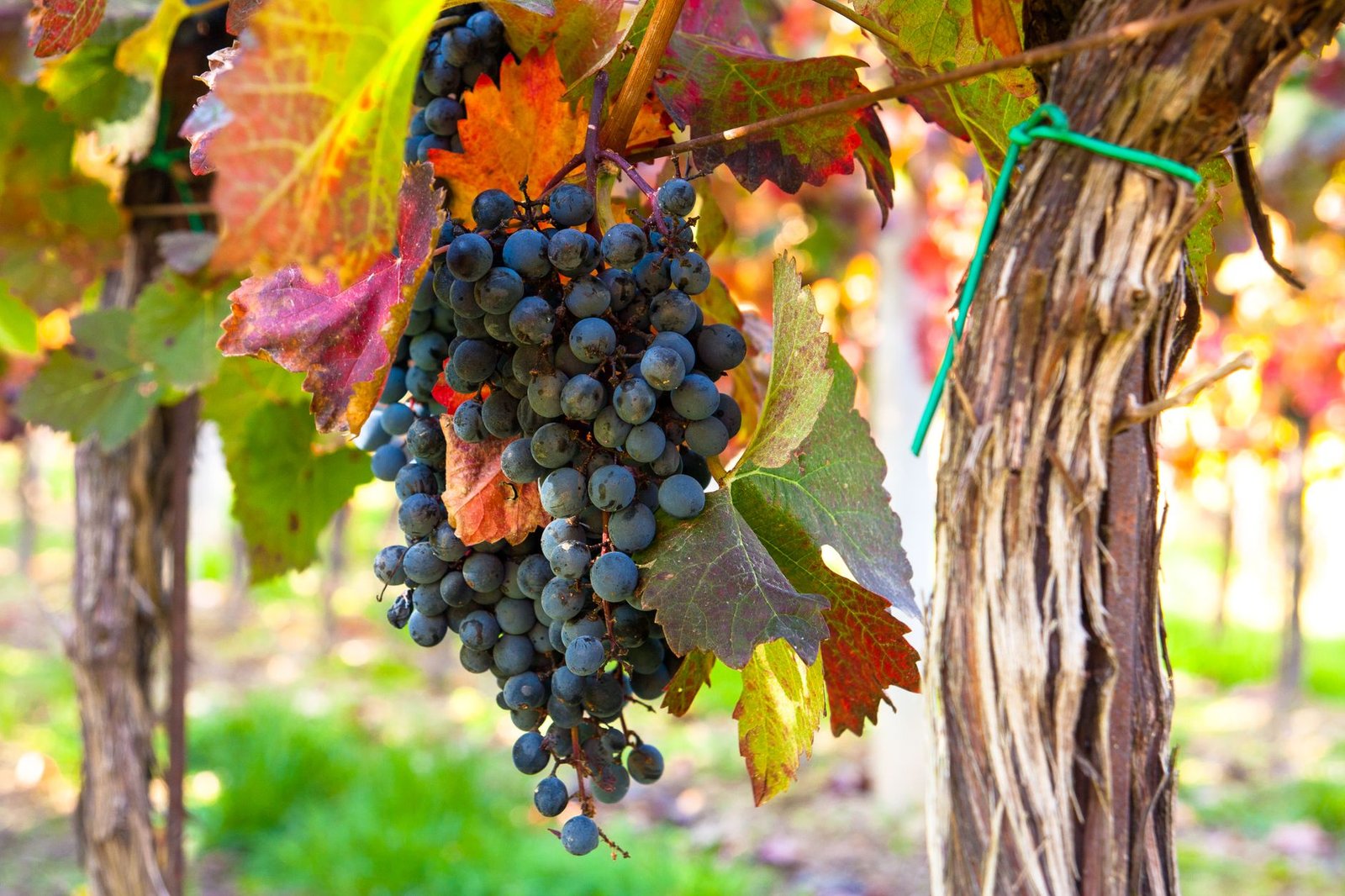
World’s Best Wine Regions for Food-Loving Travelers 2026
There is something quietly magical about standing in a vineyard as the morning mist burns off the hills, a glass of something extraordinary in your hand, and a table nearby loaded with local cheese, cured meats, and freshly baked bread. Wine travel has evolved far beyond dusty cellar tours and formal tastings — today’s best wine regions are full-blown culinary destinations where the food is just as essential as the bottle. Whether you are planning your first wine country adventure or adding another stamp to an already well-worn passport, 2026 is shaping up to be a spectacular year to explore the world’s greatest vineyards. Here is your insider guide to six iconic wine regions, packed with food pairing tips, restaurant recommendations, harvest timing, and everything a first-timer needs to sip with confidence.
Tuscany, Italy: Where Every Meal Feels Like a Masterpiece
Tuscany remains the gold standard of wine travel, and for very good reason. The region’s famous Sangiovese-based Chianti Classico and the powerful Brunello di Montalcino are made to be enjoyed alongside food — think wild boar ragu, hand-rolled pici pasta, aged Pecorino, and liver crostini that locals have been eating since the Renaissance. The wines here are naturally high in acidity and tannin, which makes them extraordinary partners for rich, fatty, and savory dishes.
For a truly memorable experience, book lunch at Osteria di Passignano, tucked inside a 1,000-year-old abbey owned by the Antinori winery near Greve in Chianti. A three-course lunch with wine pairings runs approximately €80–€110 per person and is worth every euro. Harvest season in Tuscany typically runs from late September through mid-October, and some estates like Castello di Brolio welcome paying guests to participate in the vendemmia for a hands-on connection to the land. Viator and GetYourGuide both list excellent small-group food and wine tours departing from Florence and Siena that combine vineyard visits with olive oil tastings and local market stops.
Douro Valley, Portugal: Remote, Rugged, and Remarkably Good
The Douro Valley is one of the most visually stunning wine regions on earth — tiered terraces of old-vine Touriga Nacional climbing impossibly steep schist slopes above a glittering river. This is the home of Port wine, but do not sleep on the region’s dry red and white table wines, which are finally getting the international attention they deserve. Food here is honest and deeply satisfying: bacalhau prepared a hundred ways, grilled lamb chops with roasted peppers, and the region’s beloved Sopa de Castanhas (chestnut soup) in autumn.
The harvest in Douro runs from early to mid-September, making it arguably the best time to visit. Some quintas (wine estates) still use traditional lagares — giant granite tanks where grapes are foot-trodden — and a few welcome visitors to join in during harvest week. Quinta do Crasto and Quinta da Pacheca both offer exceptional winery restaurants with tasting menus that showcase the marriage of regional cuisine and estate wines. Prices are refreshingly affordable compared to Napa or even Tuscany — expect to pay €40–€60 for a full tasting lunch. Check GetYourGuide for guided Douro Valley day trips from Porto, which often include riverboat segments and winery visits for around €85–€120 per person.
Mendoza, Argentina: Big Malbec Energy and Serious Steakhouses
If your idea of heaven involves a thick cut of Argentine beef, a bold glass of Malbec, and a view of the snow-capped Andes, Mendoza will feel like a spiritual homecoming. This high-altitude wine region sits at 900 meters above sea level, which gives its wines an extraordinary depth of color, powerful tannins, and a freshness that surprises many first-time visitors. The food culture here is unapologetically carnivorous, built around asado (wood-fire grilling) that is practically an art form.
Zuccardi Valle de Uco — ranked among the world’s best wineries — has an on-site restaurant called Piedra Infinita that is absolutely worth the 90-minute drive from Mendoza city. The tasting menu, priced around $80–$100 USD per person, is a masterclass in pairing altitude-grown vegetables, heritage breeds, and estate wines. Harvest in Mendoza runs from late February through April, which is also the most pleasant time to visit weather-wise. Viator offers several highly rated Mendoza wine and food day tours, including bike-through-vineyard options that stop at two or three boutique bodegas with cheese and charcuterie pairings — a fantastic choice for active travelers.
Napa Valley, USA: Indulgent, Polished, and Worth the Splurge
Napa Valley is unapologetically luxurious, and if you lean into that energy rather than fighting it, you will have the time of your life. The Cabernet Sauvignons from the Rutherford and Oakville appellations are world-class, with the kind of structured richness that begs for a bone-in ribeye or a slow-braised short rib. The culinary scene here is extraordinary — The French Laundry in Yountville holds three Michelin stars, though reservations are famously hard to secure and dinner runs $400+ per person before wine.
For something equally memorable but more accessible, try PRESS Restaurant in St. Helena, which pairs Northern California beef with an all-Napa wine list — dinner for two with wine runs approximately $200–$280. Harvest season in Napa runs from August (for sparkling base wines) through October, and harvest parties and special events are plentiful. Many wineries require tasting reservations, typically $50–$150 per person, so book ahead. Castello di Amorosa, a genuine 13th-century-style Tuscan castle in Calistoga, offers guided tasting tours that are particularly beginner-friendly and theatrical — GetYourGuide lists several Napa wine tour packages with transportation from San Francisco for around $150–$200.
Santorini, Greece: Volcanic Wines and Clifftop Dining
Santorini is far more than sunsets and Instagram cliffs — it is home to one of the world’s most distinctive wine styles, made from the ancient Assyrtiko grape grown in basket-shaped vines trained low to the ground to survive fierce Aegean winds. These wines are crisp, mineral-driven, and salinity-forward, making them one of the greatest companions to fresh seafood you will ever encounter. Pair a glass of Santo Wines’ Assyrtiko with grilled octopus and a squeeze of lemon while overlooking the caldera and you will understand why people keep coming back.
The harvest in Santorini happens unusually early — late July through August — due to the island’s intense volcanic heat. Estate 18+ (Domaine Sigalas) offers structured tasting experiences in a beautiful setting near Oia, with flights starting around €25. For a full food and wine immersion, look for guided Santorini wine tours on Viator that combine vineyard visits with mezze cooking demonstrations in traditional cave houses — these typically run €70–€100 per person and are perfect for couples or small groups.
Rioja, Spain: Ancient Tradition Meets Modern Gastronomy
Spain’s most celebrated wine region sits in the foothills of the Sierra Cantabria, and its Tempranillo-based Reserva and Gran Reserva wines are benchmark examples of structured, elegant aging. Rioja’s wine culture is deeply intertwined with its food — pintxos bars in Logroño (the regional capital) let you graze your way through incredible small bites for just €1.50–€3 each, and the city’s Calle Laurel is considered one of the great bar-hopping streets in all of Europe.
For fine dining with serious architectural ambition, Marqués de Riscal winery in Elciego houses a Frank Gehry-designed hotel and restaurant where wine-pairing tasting menus run €120–€150 per person. Harvest in Rioja typically falls in October, when the valleys turn gold and red with changing leaves — possibly the most beautiful time to visit. Bodegas Muga and López de Heredia both offer exceptional guided cellar tours with barrel-room tastings for around €15–€25 per person. GetYourGuide lists day trips from Bilbao and San Sebastián that pair Rioja wine visits with Basque cuisine tastings, combining two of Spain’s greatest culinary cultures in a single day.
Wine Tasting Etiquette for Beginners: A Quick Cheat Sheet
- Always hold your wine glass by the stem, not the bowl, to keep the temperature stable.
- Swirl gently before smelling — it releases aromatic compounds and makes you look like you know what you are doing.
- It is completely acceptable to spit at professional tastings — it helps you stay sharp across multiple wines.
- Ask questions freely — winemakers and tasting room staff love curious guests more than silent ones.
- If you enjoy a wine, say so specifically — “I love that smoky finish” goes a long way in any language.
- Never feel pressured to buy, but buying at least one bottle is a kind gesture when a visit has been exceptional.
Whether you are gazing across Santorini’s caldera with a chilled glass of Assyrtiko, pulling grapes in Douro’s terraced hillsides, or settling into a long Tuscan lunch that stretches comfortably into the afternoon, wine region travel is ultimately about slowing down, paying attention, and letting a place reveal itself through the food and drink it has spent centuries perfecting. Each destination on this list offers something genuinely irreplaceable, and 2026 is the perfect year to start ticking them off your list. Start planning your next wine country food tour at FoodTourTrails.com, where we curate the best tasting experiences, harvest adventures, and vineyard restaurants for travelers who eat and drink with equal enthusiasm.
Book a Food Experience in Top Destinations
Handpicked experiences — book with free cancellation and instant confirmation.
Explore More Food Tours
Guides for the cities in this article:
- Porto Food Tour Guide (Portugal)
- San Francisco Food Tour Guide (USA)
- Bilbao Food Tour Guide (Spain)
- Florence Food Tour Guide (Italy)
- Santorini Food Tour Guide (Greece)
Frequently Asked Questions
Which wine region offers the best combination of exceptional food and wine without breaking the budget?
Portugal's Douro Valley remains one of the most underrated and affordable wine regions for food lovers, where a three-course meal with local wine rarely exceeds $25 USD. The region pairs its famous Port and Douro Reds with hearty dishes like bacalhau à lagareiro and roasted lamb. Smaller quintas often offer free or low-cost tastings compared to Napa or Bordeaux equivalents.
When is the best time of year to visit Tuscany to experience both harvest season and authentic local cuisine?
Late September through October is peak harvest season in Tuscany, when you can witness the Chianti Classico grape harvest and participate in hands-on vendemmia experiences at family estates. This period also coincides with white truffle season in San Miniato, creating a perfect storm of culinary excitement. Crowds are thinner than summer, accommodation prices drop slightly, and the golden countryside light makes the experience genuinely magical.
Do I need to book wine region restaurant reservations months in advance for 2026 travel?
For top-tier restaurants in Burgundy, Napa Valley, and Piedmont — particularly those attached to prestigious estates like Domaine de la Romanée-Conti's associated dining or The French Laundry near Napa — reservations should be secured three to six months ahead. Mid-range agriturismos in Tuscany or family-run bodegas in Rioja typically need only two to four weeks notice. Always confirm reservations 48 hours before arrival, as wine country restaurants have higher no-show cancellation rates than city establishments.
Which wine region is most accessible for travelers with dietary restrictions or who don't drink alcohol?
New Zealand's Marlborough region has become surprisingly inclusive, with a thriving food scene centered on Cloudy Bay's famous scallops and Pacific Rim cuisine that stands entirely on its own without wine. Many wineries now offer sophisticated non-alcoholic grape-based beverages, verjuice cocktails, and premium grape juice tastings designed for non-drinkers. The relaxed Kiwi hospitality culture means dietary restrictions are taken seriously, and plant-based and gluten-free options are now standard across most winery restaurants.
What lesser-known wine regions should serious food travelers prioritize visiting in 2026 before they become overcrowded?
Georgia (the country) remains the most exciting emerging destination, offering 8,000 years of winemaking history with unique amber wines fermented in clay qvevri vessels alongside extraordinary cuisine like churchkhela and walnut-stuffed dishes. Slovenia's Brda region, bordering Italy's Collio, delivers world-class orange wines and farm-to-table dining at a fraction of neighboring Italian prices. Both destinations are seeing rapidly increasing visitor numbers, making 2026 potentially the last window for an authentic, unhurried experience before mainstream tourism fully arrives.