
Best Food Cities in South America 2026
Few things connect us to a place quite like its food — the sizzle of a street grill at midnight, the steam rising from a bowl of something ancient and perfect, the moment a single bite rewrites everything you thought you knew about flavor. South America is one of the world’s great culinary frontiers, a continent where Indigenous traditions, African influences, European techniques, and immigrant ingenuity have collided for centuries to produce some of the most exciting, soulful, and downright delicious food on Earth. Whether you’re a seasoned food traveler or planning your first adventure below the equator, these are the cities that absolutely must be on your plate in 2026.
Lima, Peru
Lima has spent the last two decades quietly becoming one of the greatest food cities on the planet, and in 2026, that reputation is no longer a secret. This is the home of ceviche — plump, ocean-fresh fish cured in sharp lime juice, tossed with sliced red onion, fiery ají amarillo chili, and finished with a splash of leche de tigre, the electric marinade that doubles as a hangover cure and a religious experience. But Lima’s genius lies in its layered identity: Nikkei cuisine blends Japanese precision with Peruvian ingredients, chifa kitchens fuse Cantonese cooking with local produce, and causa rellena stacks cold potato dough with avocado and tuna into something quietly magnificent. World-renowned restaurants like Central and Maido have put Lima on the global stage, but the city’s soul lives in the humble cevicherías that fill up by noon and run out of fish by two.
For the full sensory experience, head to Surquillo Market, where vendors pile high with dozens of varieties of potato, purple corn, fresh herbs, and chilis in every color of the spectrum — it’s the pantry that feeds Lima’s culinary imagination. The Barranco neighborhood is where you’ll find buzzing bistros and craft cocktail bars serving pisco sours alongside elevated Peruvian small plates. For street food, Miraflores offers anticuchos stalls at dusk — skewers of marinated beef heart grilled over charcoal by women who have been perfecting the recipe for generations. Don’t skip a picarón, a sweet potato and squash doughnut drizzled with chancaca syrup, eaten hot from the fryer.
Explore our full Lima food guide →
Buenos Aires, Argentina
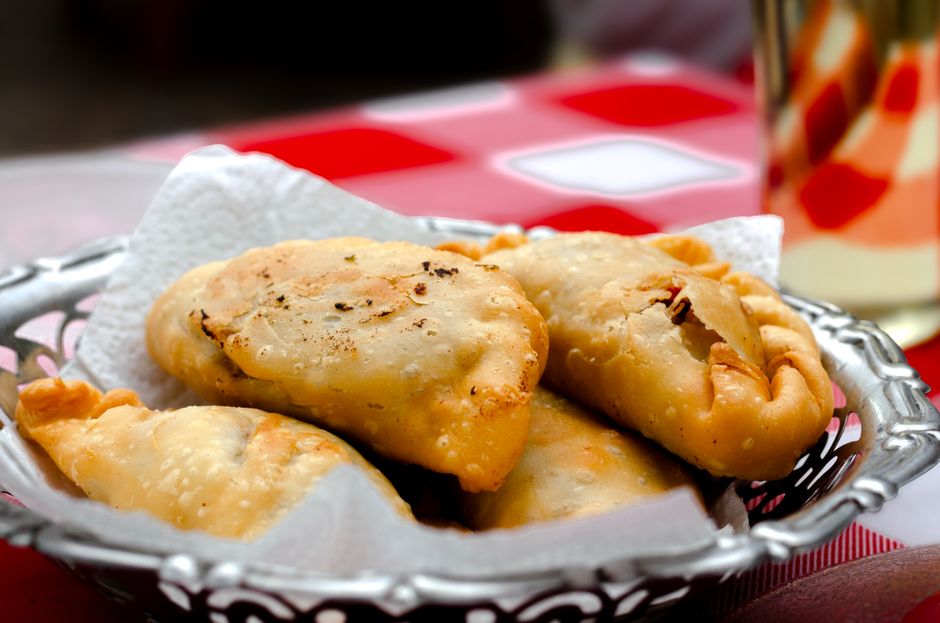
Buenos Aires is a city that takes eating seriously — almost philosophically so. This is the land of the asado, where grilling is not a weekend hobby but a sacred ritual, and where a good parrilla can anchor an entire afternoon. The cuts here — vacío, entraña, tira de asado — are cooked low and slow over wood embers and served without ceremony, because they don’t need it. Beyond beef, Buenos Aires has a thriving food culture shaped by waves of Italian and Spanish immigration: handmade pasta in family-run cantinas, medialunas (buttery, flaky Argentine croissants) eaten at marble café counters, and dulce de leche swirled into everything from facturas to helado. The city’s food scene in 2026 has also evolved to embrace creative tasting menus, natural wine bars, and a craft beer movement that rivals any in the world.
Palermo is the epicenter of Buenos Aires’ modern dining scene, packed with wine bars, farm-to-table restaurants, and the legendary Mercado de Palermo, where you can graze through empanadas, artisan cheeses, and fresh pasta under one roof. San Telmo is essential for lovers of street food and history — the Sunday market spills through cobblestone streets with chorizo sandwiches sizzling on portable grills and vendors hawking warm pastries. For an authentic neighborhood asado experience, seek out a parrilla in La Boca or Boedo, where the smoke hangs heavy in the air and the wine comes in a jug.
Explore our full Buenos Aires food guide →
São Paulo, Brazil
São Paulo is the city that never stops eating, a megalopolis of 22 million people whose collective appetite has produced one of the most diverse and dynamic food scenes anywhere in the world. This is Brazil’s gastronomic capital, where Japanese-Brazilian chefs serve yakisoba alongside brigadeiros, where Lebanese immigrants have made esfiha and kibbeh staples of everyday eating, and where Italian-descended nonnas still make fresh pasta by hand in the Bixiga neighborhood. Traditional paulistano dishes like virado à paulista — a hearty plate of rice, beans, fried egg, banana, and pork — anchor the city’s identity, but São Paulo’s true power is its relentless appetite for the new. In 2026, the city’s restaurant scene is arguably among the most exciting in the Southern Hemisphere.
The Mercado Municipal, known affectionately as Mercadão, is a cathedral of food — its stunning stained-glass windows overlooking stalls heaped with tropical fruits, hanging sausages, aged cheeses, and the famous mortadela sandwich, a towering construction of thinly sliced meat that has been feeding São Paulo since the early twentieth century. The Vila Madalena neighborhood pulses with natural wine bars and inventive restaurants, while Liberdade, the city’s Japanese quarter, offers ramen, onigiri, and taiyaki pastries on every corner. For an afternoon of serious eating, join the locals at a traditional boteco — a casual bar-restaurant hybrid — and work your way through petiscos (bar snacks) and cold chopp beer.
Explore our full São Paulo food guide →
Rio de Janeiro, Brazil
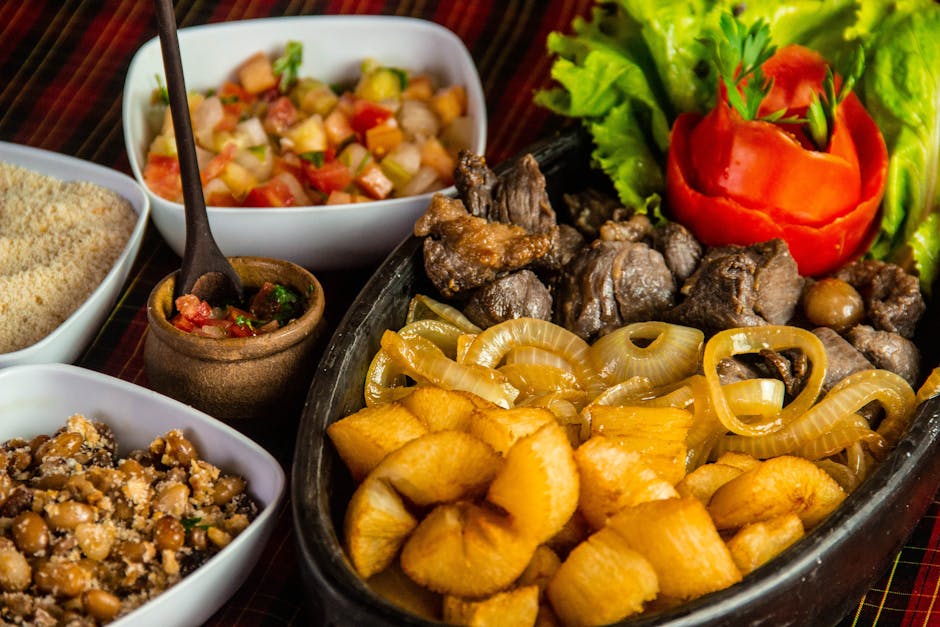
Rio de Janeiro feeds you with all five senses — the smell of grilling meat drifting from beachside kiosks, the sight of a perfectly assembled açaí bowl topped with granola and banana slices, the sound of a cold beer being cracked open at a botequim as the sun drops behind the mountains. Feijoada, the national dish of Brazil, is best eaten in Rio on a Saturday: a slow-cooked black bean and pork stew served with rice, collard greens, farofa, and orange slices, consumed at a long table with friends over several hours. Street food here is magnificent — pastel de nata pastries, acarajé fritters (actually more common further north in Bahia but found here too), and tapioca crepes filled with coconut and cheese are eaten standing up, quickly, happily.
Santa Teresa, Rio’s bohemian hilltop neighborhood, has blossomed into a serious dining destination, with intimate restaurants serving creative Brazilian cuisine in colonial mansions draped in bougainvillea. The neighborhood of Ipanema and Leblon offer upscale dining with ocean views and innovative menus that spotlight Amazonian ingredients like tucupi, jambu, and cupuaçu. For the city’s most authentic street food, however, head to Lapa on a Thursday night or explore the Central Market, where vendors have been serving the same recipes for generations and the chaos is entirely delicious.
Explore our full Rio de Janeiro food guide →
Bogotá, Colombia
Bogotá sits at 2,600 meters above sea level and the altitude sharpens your appetite in ways that feel almost conspiratorial. Colombia’s capital has emerged as one of South America’s most exciting food cities, building on a foundation of deeply comforting traditional cooking while embracing a new generation of chefs committed to celebrating native ingredients. The city’s signature dish is ajiaco, a thick, restorative soup made with three types of potato, chicken, corn, and guascas herb, served with cream and capers — it is the kind of food that makes you feel cared for. Changua, a milk and egg breakfast soup, is another Bogotá staple that surprises and wins over visitors who are brave enough to try it. The city’s coffee culture is world-class, and specialty coffee shops serving single-origin Colombian beans have proliferated throughout the city’s most fashionable neighborhoods.
La Candelaria, Bogotá’s historic center, is the place to eat traditional Colombian set lunches — corrientazos served on enamel plates — and to find street vendors selling obleas (wafer sandwiches filled with arequipe and jam) and empanadas fried to golden perfection. The Usaquén neighborhood has reinvented itself as a culinary destination, with a Sunday flea market surrounded by restaurants offering everything from wood-fired Neapolitan pizza to sophisticated Colombian tasting menus. Paloquemao Market is essential for food lovers, a working market where you can taste exotic Colombian fruits like lulo, maracuyá, and guanábana straight from the vendor’s hands.
Explore our full Bogotá food guide →
Medellín, Colombia
Medellín’s transformation over the past twenty years has been extraordinary, and its food scene has grown in lockstep with the city’s renewed confidence and creativity. The capital of Antioquia province is the home of bandeja paisa, one of Colombia’s most iconic and absurdly generous dishes — a single plate loaded with red beans, white rice, ground beef, chicharrón, fried egg, sweet plantain, black pudding, avocado, and an arepa. It is a meal that demands you surrender completely. Beyond this beloved behemoth, Medellín has developed a sophisticated restaurant culture that draws on the Andes’ extraordinary biodiversity, with chefs sourcing ingredients from surrounding mountain farms and jungle ecosystems to create menus that are both deeply Colombian and thrillingly contemporary.
El Poblado is the neighborhood most visitors gravitate toward, and for good reason — its streets are lined with excellent restaurants, craft cocktail bars, and specialty coffee shops that showcase the best of Antioquian hospitality. But for a more authentic experience, the neighborhood of Laureles offers unpretentious fondas serving home-cooked Colombian food at communal tables, and the weekend market at Parque de El Poblado draws local producers selling artisan cheeses, cured meats, and freshly baked pan de bono. For street food, the arepas de chócolo sold by vendors around Parque Berrío — thick, sweet corn cakes topped with butter and white cheese — are among the finest things you can eat in South America for under a dollar.
Explore our full Medellín food guide →
Oaxaca, Mexico
While technically in North America, Oaxaca occupies such a singular position in the Latin American culinary imagination that no list of the continent’s great food cities feels complete without it. This is one of the world’s truly irreplaceable food destinations, a city where ancient Zapotec and Mixtec traditions remain vibrantly alive in the markets, kitchens, and comals of everyday life. Oaxaca’s mole negro — a sauce of breathtaking complexity built from dried chilis, chocolate, spices, and patience — is a dish that serious food travelers make pilgrimages to eat. Tlayudas, large crispy tortillas spread with asiento (unrefined pork fat), black beans, quesillo cheese, and your choice of protein, are eaten at every hour of the day. Mezcal, produced in the villages surrounding the city from dozens of varieties of agave, has become one of the world’s most coveted spirits, and tasting it here, in its homeland, is a revelation.
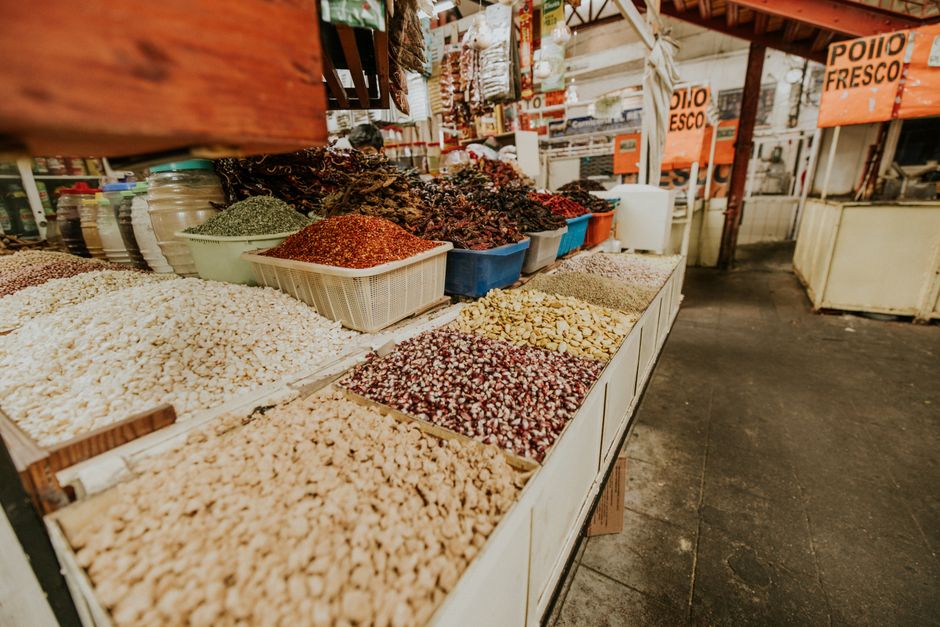
The Benito Juárez Market in Oaxaca’s centro histórico is a magnificent, overwhelming assault of color and aroma — stalls selling chapulines (toasted grasshoppers seasoned with lime and chili), Oaxacan string cheese, tejate (a pre-Hispanic chocolate and corn drink), and fresh memelas fill every corridor. The Mercado de Abastos on the edge of the city is even larger and more local, beloved by chefs and food writers who come to watch the market’s early morning energy and source ingredients found nowhere else. The neighborhoods surrounding the zócalo come alive at night with street food vendors selling tasajo, cecina, and chorizo grilled over charcoal, eaten standing up with cold mezcal in hand.
Explore our full Oaxaca food guide →
South America — and its culinary neighbors — rewards the curious and the hungry in equal measure, offering food experiences that stay with you long after you’ve returned home and begun plotting your next trip. Whether you’re chasing the perfect ceviche in Lima, sitting down to a legendary asado in Buenos Aires, or sipping mezcal in a Oaxacan market at dusk, the flavors of this part of the world have a way of becoming part of your personal story. Start planning, pack your appetite, and let the food lead the way.
Book a Food Experience in Top Destinations
Handpicked experiences — book with free cancellation and instant confirmation.
Explore More Food Tours
Guides for the cities in this article:
- Oaxaca Food Tour Guide (Mexico)
- Buenos Aires Food Tour Guide (Argentina)
- Palermo Food Tour Guide (Italy)
- Lima Food Tour Guide (Peru)
- Rio de Janeiro Food Tour Guide (Brazil)
Frequently Asked Questions
Which South American city has the best fine dining scene?
Lima, Peru consistently ranks as South America's culinary capital with over 3,000 restaurants and the highest concentration of Michelin-starred establishments on the continent. Cities like Buenos Aires and Santiago also offer world-class fine dining, but Lima's innovative fusion of traditional Peruvian ingredients with modern techniques gives it the edge for serious food travelers.
Is it safe to eat street food in these South American cities?
Street food in major cities like Lima, Buenos Aires, and Cartagena is generally safe if you choose busy vendor stalls with high turnover and visible food preparation. Stick to cooked foods served hot, avoid unpeeled fruits from unknown vendors, and trust your instincts—locals eating at the same stand is usually a good sign.
What's the best time of year to visit for food festivals?
March to April and September to October are peak seasons for food festivals across South America, with Lima's Mistura Festival (September) being the continent's largest. Many cities also host harvest festivals during their local growing seasons, offering seasonal ingredients and authentic regional dishes you won't find year-round.
How much should I budget daily for food in these cities?
Budget $15-30 USD per day for casual meals at local restaurants, $50-100 for mid-range dining, and $150+ for fine dining experiences. Lima and Buenos Aires tend to be pricier than Cartagena or La Paz, but you'll still find excellent value compared to North American and European cities.
Do I need to book restaurants in advance or can I walk in?
Popular fine dining restaurants in Lima, Buenos Aires, and Santiago require reservations weeks in advance, especially for dinner service. However, casual eateries, street food, and markets are first-come, first-served; booking ahead is only essential for high-end establishments during peak travel season (December-February).