Eating Abroad with Dietary Restrictions: Gluten-Free, Dairy-Free & More
Traveling with dietary restrictions used to mean surviving on sad side salads and apologetic shrugs from confused waitstaff. Not anymore. Whether you are navigating a gluten-free lifestyle through the pasta capitals of Italy, hunting down halal options in rural Japan, or trying to keep your low-FODMAP gut happy somewhere in rural France, the world has quietly become a more accommodating place — if you know exactly how to work it. This guide goes well beyond the basics of veganism and nut allergies to tackle the trickier, less-discussed dietary needs that can genuinely derail a food-focused trip. Pack these strategies alongside your passport and you will spend far more time enjoying the meal and far less time decoding the menu in a mild panic.
Gluten-Free Travel: Translation Cards and the Countries That Get It
Celiac disease and gluten sensitivity are not universally understood around the world, and a simple “I cannot eat bread” rarely communicates the depth of the problem. Your most powerful tool is a professionally translated gluten-free dining card. Services like Equal Eats and Allergy Translation both offer cards in dozens of languages for around $10 to $15 per card, explaining cross-contamination risks in clear, medically accurate terms. Download them to your phone or print a few copies before you leave.
In terms of destinations, Italy is surprisingly one of the friendliest countries for celiac travelers. The Italian Celiac Association (AIC) certifies gluten-free restaurants nationwide, and you can search their database at celiachia.it before every meal. Many pizzerias in Rome, Florence, and Naples offer certified gluten-free dough with separate preparation areas. Look for the AIC logo on the door. Spain is also remarkably accommodating, with “sin gluten” appearing on menus in most tourist-heavy cities.
The harder destinations include China, Japan, and Thailand, where soy sauce containing wheat is nearly invisible in dishes. In Japan, even a bowl of plain-seeming miso soup can contain gluten. That said, Japanese restaurants are famously detail-oriented, and with a well-translated card and a little persistence, you can find safe meals. Seek out dedicated sashimi restaurants, yakitori grills serving plain skewers, and onigiri with simple rice and seaweed fillings.
Dairy-Free Strategies in Cheese-Heavy Countries
France and Italy are extraordinary places to eat, which makes dairy intolerance feel like a cruel joke when you are standing in front of a cheesemonger in Lyon or a gelateria in Bologna. The good news is that both countries rely heavily on olive oil-based cooking outside of the dairy-rich north, which gives dairy-free travelers more options than they might expect.
In Italy, focus your meals around southern cooking. Neapolitan pizza is traditionally made with very little cheese and is often available as a marinara, which is simply tomato, garlic, oregano, and olive oil — completely dairy-free and genuinely delicious. Pasta aglio e olio, bruschetta, grilled fish, and most seafood dishes in coastal regions are naturally dairy-free. In Venice, cicchetti bars serve countless small bites, many of which are vegetable or seafood based with no cheese in sight.
In France, the strategy shifts slightly. Communicate clearly using the phrase “Je suis intolerant au lait et aux produits laitiers” and ask specifically about butter in sauces. Many classic French sauces are butter-laden, but bistros near markets often prepare simpler dishes using duck fat or olive oil. Look for dishes described as “à la Provençale” which signals olive oil, tomato, and herb-based preparation from the south. Baguettes from boulangeries are traditionally dairy-free, and a fresh baguette with charcuterie from a market stall makes a genuinely satisfying dairy-free lunch that costs under five euros.
Low-FODMAP Eating Abroad: The Overlooked Restriction
Low-FODMAP travelers face a uniquely complex challenge because the trigger foods — onion, garlic, certain fruits, legumes, wheat — are foundational to so many cuisines. Explaining low-FODMAP to a server in a busy restaurant in Istanbul or Bangkok is close to impossible without preparation. The Monash University FODMAP app is your single best resource and costs around $9.99 for a one-time download. It gives you a traffic-light system for foods worldwide and is available in multiple languages.
Countries that work naturally well for low-FODMAP travelers include Japan, where plain rice, sushi, sashimi, grilled fish, and tofu-based dishes dominate the menu and garlic is used far more sparingly than in European cooking. Greece is also workable, with grilled meats, plain salads dressed in olive oil, and roasted vegetables widely available. Ask for horiatiki without onion and you are largely safe.
The most difficult destinations tend to be India and Mexico, where garlic and onion are deeply embedded in the base of almost every dish. Your best approach in these countries is to stick to tandoor-grilled meats (in India) and grilled meats with plain rice or corn tortillas (in Mexico), avoiding curries and salsas unless you can confirm preparation methods. Some food tour operators on platforms like Viator and GetYourGuide now specifically list dietary accommodation options when you book, making it worth reading tour descriptions carefully and messaging hosts in advance.
Finding Halal and Kosher Options by Region
Both halal and kosher travelers benefit enormously from dedicated apps that have become increasingly sophisticated. For halal dining, Zabihah.com is the longest-running global directory and has an excellent mobile app with reviews and verification notes. HalalTrip offers a similar service with a broader travel focus including hotels and prayer locations. In Southeast Asia — particularly Malaysia, Indonesia, and Thailand — halal food is so prevalent that it is barely a concern, with street markets clearly labeled and mosques often positioned near food centers.
Western Europe is more navigable than many halal travelers expect. London, Paris, Amsterdam, and Berlin all have substantial halal dining scenes. In Paris, the 18th and 19th arrondissements have dense concentrations of halal butchers and restaurants serving North African cuisine. A tagine in Belleville costs around twelve euros and is both halal-certified and exceptional.
For kosher travelers, the iEat Kosher app and the OU Kosher directory are reliable starting points. Israel is obviously the easiest destination on earth for kosher eating, with certification visible everywhere and Shabbat menus a standard offering. New York, Buenos Aires, and Antwerp all have strong kosher dining infrastructures. The hardest regions include most of rural Asia and Latin America outside Buenos Aires, where certified kosher restaurants are genuinely rare and travelers typically rely on whole fruits, sealed packaged foods, and self-catering wherever possible.
Always-Safe Fallback Foods When Nothing Looks Right
No matter how prepared you are, there will be a meal where the menu is incomprehensible, the server cannot understand your question, and exhaustion has replaced adventure. This is when you need your fallback foods — simple, whole ingredients that are recognizable in any language and safe across most dietary restrictions.
- Grilled plain meat or fish: Visible cooking, no hidden sauces, and universally available from street grills to sit-down restaurants across nearly every country in the world.
- Plain steamed or boiled rice: The backbone of eating in Asia, East Africa, and much of Latin America, and safe for gluten-free, dairy-free, low-FODMAP, halal, and kosher travelers alike when prepared simply.
- Fresh whole fruit: Bananas, oranges, mangoes, and apples require no translation and no trust in a kitchen. Markets in virtually every country sell them inexpensively.
- Plain roasted or steamed vegetables: Most cuisines have a version of this. Ask for vegetables “without sauce” using a translation app and you will usually land somewhere safe.
- Eggs cooked plainly: Boiled or fried eggs are fast, cheap, widely available, and safe for most restrictions. A hard-boiled egg from a convenience store in Japan or a roadside stall in Morocco has saved many a restricted traveler’s dinner.
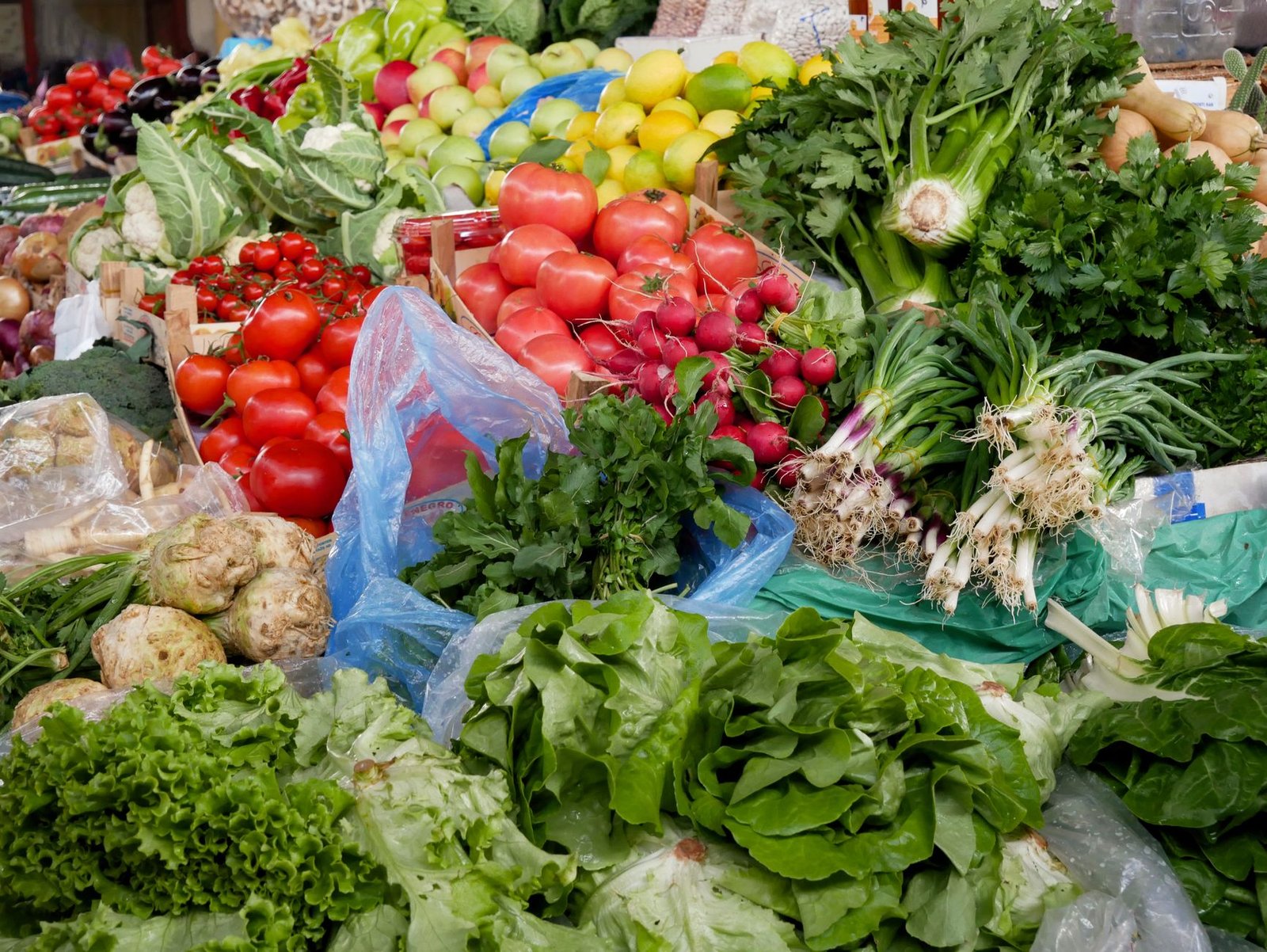
It is also worth noting that local markets are your best friend in unfamiliar food territory. Farmers markets and covered food halls allow you to buy whole, unprocessed ingredients and graze freely without language barriers. In places like Barcelona‘s La Boqueria or Istanbul’s Grand Bazaar spice section, the food is right in front of you and you can simply point at what looks safe.
Planning Tools, Food Tours, and Getting Help Before You Go
Preparation done before you land saves enormous stress once you arrive. Beyond translation cards and apps, invest time in destination-specific Facebook groups such as Gluten Free Italy or Halal Travel Asia, where real travelers share current, practical restaurant recommendations that no guidebook can match. The ROME2RIO and TripAdvisor filter tools now include dietary options that help narrow restaurant searches meaningfully.
Food tours are genuinely worth considering even with dietary restrictions, and the best operators are increasingly accommodating. When browsing experiences on GetYourGuide or Viator, send a direct message to tour hosts before booking explaining your restriction in specific detail. Many private food tour operators in cities like Rome, Istanbul, and Bangkok will happily adjust the itinerary, sourcing alternatives from vendors they already know and trust. A private food tour in Rome with celiac accommodation through a specialist operator runs roughly $80 to $120 per person and eliminates the guesswork entirely while giving you access to neighborhood spots you would never find independently.
Eating abroad with dietary restrictions will always involve a little extra planning, but it is emphatically not a reason to stay home or eat around the edges of every meal. With the right translation tools, a handful of reliable apps, a clear sense of your fallback options, and the willingness to communicate your needs directly, every country in the world has something genuinely delicious waiting for you. Start planning your next food-focused trip at FoodTourTrails.com, where we connect curious eaters with local experiences that celebrate exactly who you are — dietary restrictions and all.
Book a Food Experience in Top Destinations
Handpicked experiences — book with free cancellation and instant confirmation.
Explore More Food Tours
Guides for the cities in this article:
- Bangkok Food Tour Guide (Thailand)
- Rome Food Tour Guide (Italy)
- Venice Food Tour Guide (Italy)
- Bologna Food Tour Guide (Italy)
- Antwerp Food Tour Guide (Belgium)
- Buenos Aires Food Tour Guide (Argentina)
Frequently Asked Questions
How do I communicate my gluten intolerance to restaurant staff in a country where I don't speak the language?
Carry a translated allergy card written in the local language that clearly explains your dietary restriction and lists ingredients to avoid — apps like AllergyTranslation or SelectWisely offer professionally translated cards for dozens of countries. Show the card to your server and, when possible, speak directly with the chef rather than relying on front-of-house staff who may not fully understand the kitchen processes. Researching key local phrases like 'sin gluten' in Spanish or 'sans gluten' in French adds an extra layer of safety.
Which destinations are generally easiest for travelers following a dairy-free diet?
Southeast Asian countries like Thailand, Vietnam, and Japan are excellent choices because their traditional cuisines rely heavily on rice, vegetables, and soy or fish-based sauces rather than dairy products. Many Middle Eastern dishes are also naturally dairy-free, featuring olive oil, legumes, and grilled meats as staples. However, always double-check desserts and sauces, as dairy can appear unexpectedly in unexpected dishes even in these regions.
Is it safe to eat street food if I have a severe gluten allergy or celiac disease?
Street food carries a significant cross-contamination risk for people with celiac disease because vendors typically cook multiple items in shared oil, on shared surfaces, and with shared utensils. Unless you can clearly observe a dedicated gluten-free preparation area and communicate your needs effectively, it's safer to choose sit-down restaurants where you can speak with kitchen staff directly. Connecting with local celiac communities through Facebook groups or apps like Find Me Gluten Free can help you identify trusted vendors other travelers have vetted.
How should I handle dietary restrictions on long-haul flights and in airports?
Always pre-order a special meal through your airline at least 48 hours before departure — most major carriers offer gluten-free, dairy-free, vegan, and other medically necessary meal options at no extra charge. Pack a substantial supply of safe snacks like nuts, rice crackers, or protein bars in your carry-on because airport terminals often have very limited allergy-friendly options, especially in smaller international hubs. Research the specific airport you're transiting through in advance, as larger hubs like Schiphol, Singapore Changi, and Dubai International tend to have far better allergy-aware food choices than regional airports.
Are there any travel apps specifically designed to help people with dietary restrictions find safe restaurants abroad?
Yes, several apps are specifically built for this purpose: Find Me Gluten Free has a large global database of community-reviewed restaurants rated for celiac safety, while HappyCow is invaluable for vegan and dairy-free travelers with listings in over 180 countries. Yelp and Google Maps can also be filtered by dietary needs and often include user reviews that mention allergy experiences in detail. For rare or multiple restrictions, joining destination-specific Facebook groups before your trip often surfaces the most current and locally specific recommendations.