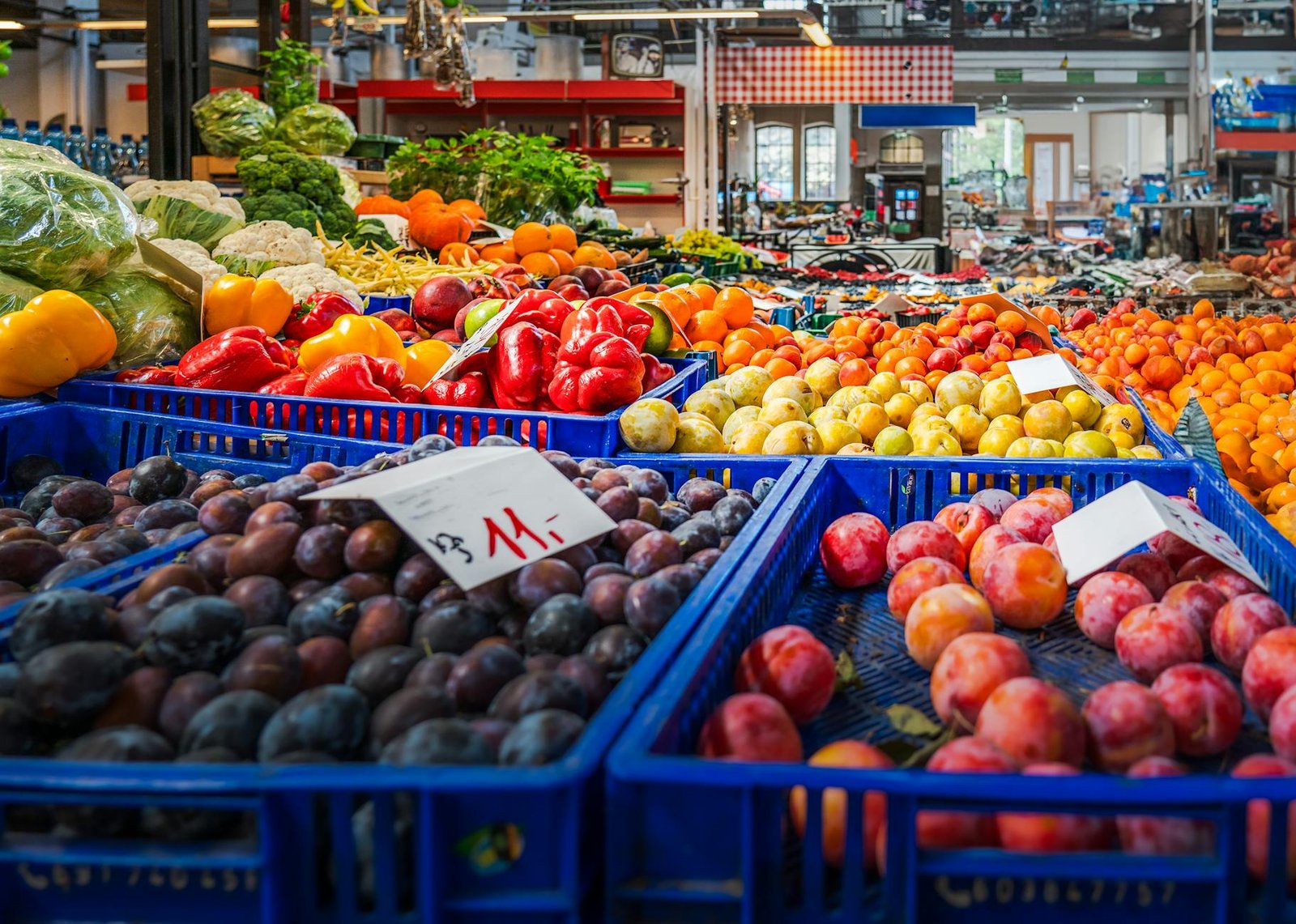
Europe’s Best Food Markets: A Traveller’s Guide 2026
A city’s food market is its soul. Long before restaurants, there were markets — where farmers, fishermen, cheesemakers, and bakers came together and the daily commerce of eating played out in full sensory colour. Europe’s great food markets are living institutions, many operating continuously for centuries, and visiting them remains one of the most rewarding experiences in food travel. This guide covers the continent’s finest.
Athens — Varvakios Agora, Greece
Athens’ central market has operated on Athinas Street since 1886. The meat hall — with its hanging carcasses, whole roasted heads, and the frank theatricality of the butchers — is not for the faint-hearted, but the surrounding fish, produce, and spice stalls are extraordinary. The olive vendors alone are worth a visit: dozens of varieties, many pickled in house recipes passed down through generations. Arrive before 10am for the full experience before the tourist groups arrive. Explore our full Athens — Varvakios Agora, Greece food guide →
Barcelona — Mercat de Santa Caterina, Spain
While La Boqueria draws the crowds on La Rambla, serious food lovers in Barcelona head to the Mercat de Santa Caterina in the Born district. Designed by Enric Miralles with a spectacular undulating mosaic roof, it serves the local neighbourhood rather than tourists, which means better prices, fresher produce, and a more authentic atmosphere. The prepared food stalls and the bar at the back serving market-fresh tapas are excellent. Explore our full Barcelona — Mercat de Santa Caterina, Spain food guide →

Budapest — Great Market Hall, Hungary
Budapest’s Nagyvásárcsarnok, built in 1897, is one of the architectural wonders of European market culture. The vast cast-iron interior houses three floors of market activity: the ground floor for fresh meat, fish, produce, and dairy; the upper floors for paprika, embroidery, and Hungarian souvenirs. The lángos stalls on the upper level serve the city’s most famous street snack — deep-fried flatbread topped with sour cream and grated cheese — and are worth the trip alone. Explore our full Budapest — Great Market Hall, Hungary food guide →
Istanbul — Spice Bazaar, Turkey
The Mısır Çarşısı (Egyptian Bazaar or Spice Bazaar) in Eminönü has been Istanbul’s centre for spices, dried fruits, and specialist foods since the 17th century. Today it remains an extraordinary sensory experience, with sacks of sumac, dried chillies, saffron, and Turkish delight piled high alongside honey sellers, pickle vendors, and tea merchants. The surrounding streets and the adjacent fish market extending down to the Bosphorus are equally spectacular. Explore our full Istanbul — Spice Bazaar, Turkey food guide →
Amsterdam — Albert Cuyp Market, Netherlands
The Albert Cuyp Market in De Pijp has operated since 1905 and remains the largest outdoor market in the Netherlands, running for 1.2 kilometres through the heart of Amsterdam’s most multicultural neighbourhood. The market is exceptional for street food: Dutch stroopwafels and herring with raw onion share space with Surinamese rotis, Indonesian satay, and freshly made stroopwafels. Saturday mornings, when the market is at its busiest, are the best time to visit. Explore our full Amsterdam — Albert Cuyp Market, Netherlands food guide →
Porto — Mercado do Bolhão, Portugal
Porto’s Mercado do Bolhão, after a major restoration completed in 2022, is arguably the most beautiful market in Portugal. The two-storey neoclassical building dates from 1914 and now gleams after years of neglect. Inside, flower sellers, fishmongers with the morning’s catch from the Atlantic, olive vendors, and pastry stalls occupy beautifully restored stalls. The prepared food court in the basement is an excellent option for lunch, with traditional Portuguese dishes served at market prices. Explore our full Porto — Mercado do Bolhão, Portugal food guide →
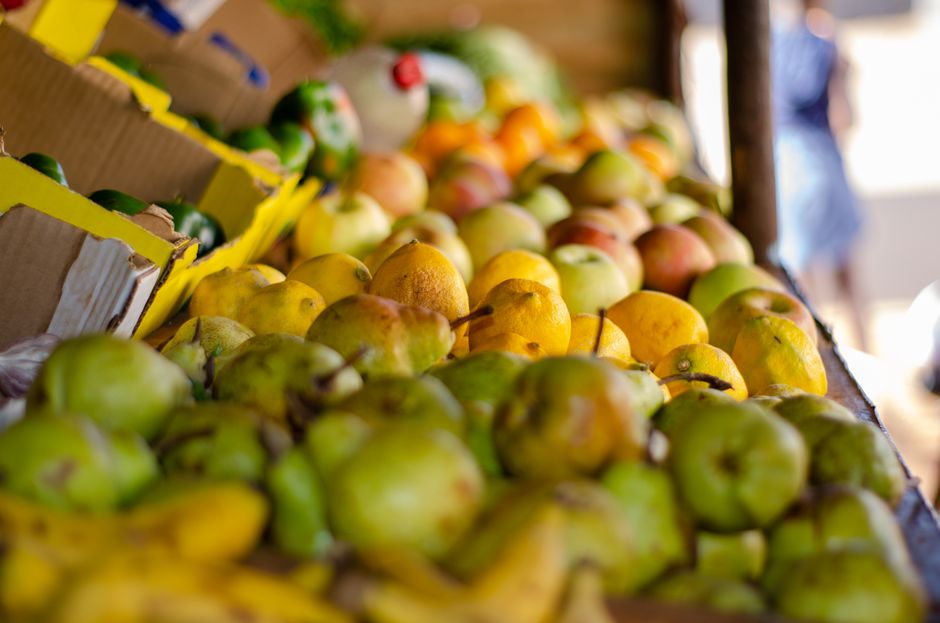
Thessaloniki — Modiano Market, Greece
Thessaloniki’s Modiano Market, named after the Sephardic Jewish merchant Eli Modiano who built it in 1922, is one of Greece’s most atmospheric covered markets. The recently restored building houses fishmongers, butchers, spice stalls, and tavernas where fishermen and market workers eat breakfast alongside curious tourists. Thessaloniki is considered by many Greeks to be the country’s finest food city, and the Modiano is its edible heart. Explore our full Thessaloniki — Modiano Market, Greece food guide →
Lisbon — Time Out Market, Portugal
Lisbon’s Time Out Market in Cais do Sodré is a modern creation — opened in 2014 — but it has already become one of Europe’s most visited food destinations. The concept is simple: gather the city’s best chefs and producers under one roof and let visitors sample the full range of Portuguese cuisine in a single visit. Crab rice, bacalhau (salt cod) croquettes, pastel de nata, and superb natural wines are all available. The market also hosts cooking classes and food events throughout the year. Explore our full Lisbon — Time Out Market, Portugal food guide →
Europe’s food markets are among the most democratic and democratic experiences in food travel — accessible to everyone, at every budget, and offering an authentic window into how a city actually eats. Browse our city food guides to plan your next market visit.
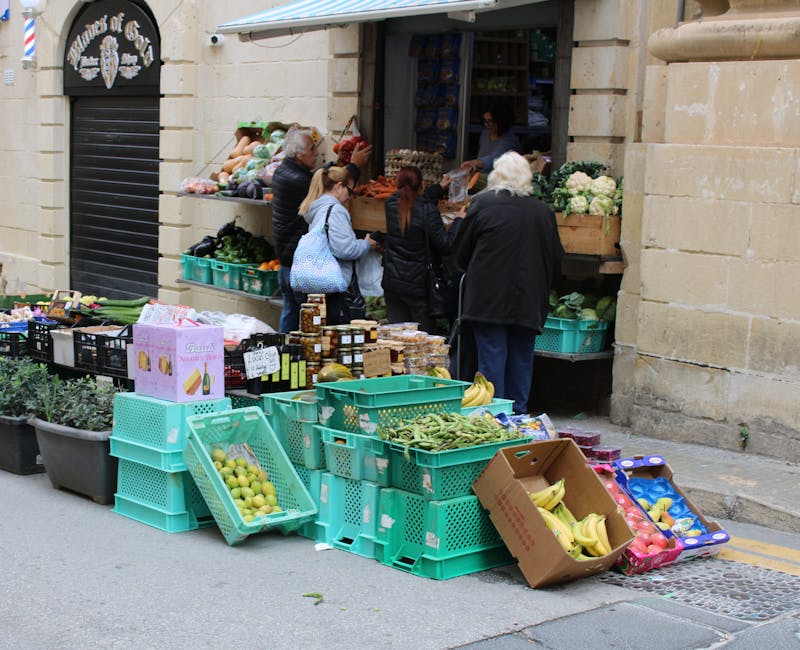
Book a Food Experience in Top Destinations
Handpicked experiences — book with free cancellation and instant confirmation.
Explore More Food Tours
Guides for the cities in this article:
- Porto Food Tour Guide (Portugal)
- Lisbon Food Tour Guide (Portugal)
- Barcelona Food Tour Guide (Spain)
- Athens Food Tour Guide (Greece)
- Thessaloniki Food Tour Guide (Greece)
- Amsterdam Food Tour Guide (Netherlands)
Frequently Asked Questions
What's the best time of year to visit European food markets?
Spring (April-May) and fall (September-October) offer the ideal balance of pleasant weather and peak seasonal produce. Summer markets are vibrant but crowded and hot, while winter markets focus on preserved goods and holiday specialties, which can be equally rewarding for different culinary experiences.
Do European food markets accept card payments or do I need cash?
Most major markets in Western Europe now accept cards, but cash is still preferred by many vendors, especially smaller stalls. We recommend carrying both, particularly when visiting Eastern European markets where cash-only stalls are more common.
How early should I arrive at food markets to get the best selection?
Arriving by 8-9 AM is ideal—vendors are fully stocked and crowds are minimal. If you go later than noon, popular items like fresh produce and specialty meats may be depleted, and prices sometimes drop near closing time around 2-3 PM.
Is it safe to eat street food and samples at European markets?
Yes, European food markets maintain strict hygiene standards and are regularly inspected. However, use common sense: choose vendors with high customer turnover, avoid items left sitting in sun, and be cautious if you have food allergies—always ask vendors about ingredients.
Can I find vegan and gluten-free options at traditional European food markets?
Absolutely—most European markets have abundant fresh vegetables, fruits, nuts, and legumes for vegan diets. For gluten-free options, look for dedicated stalls, and don't hesitate to ask vendors about preparation methods, as traditional breads and cured meats may contain hidden gluten.