Ho Chi Minh City Food Tour – Best Local Food & Restaurants
Ho Chi Minh City Food Guide: A Complete Culinary Journey Through Vietnam’s Flavor Capital
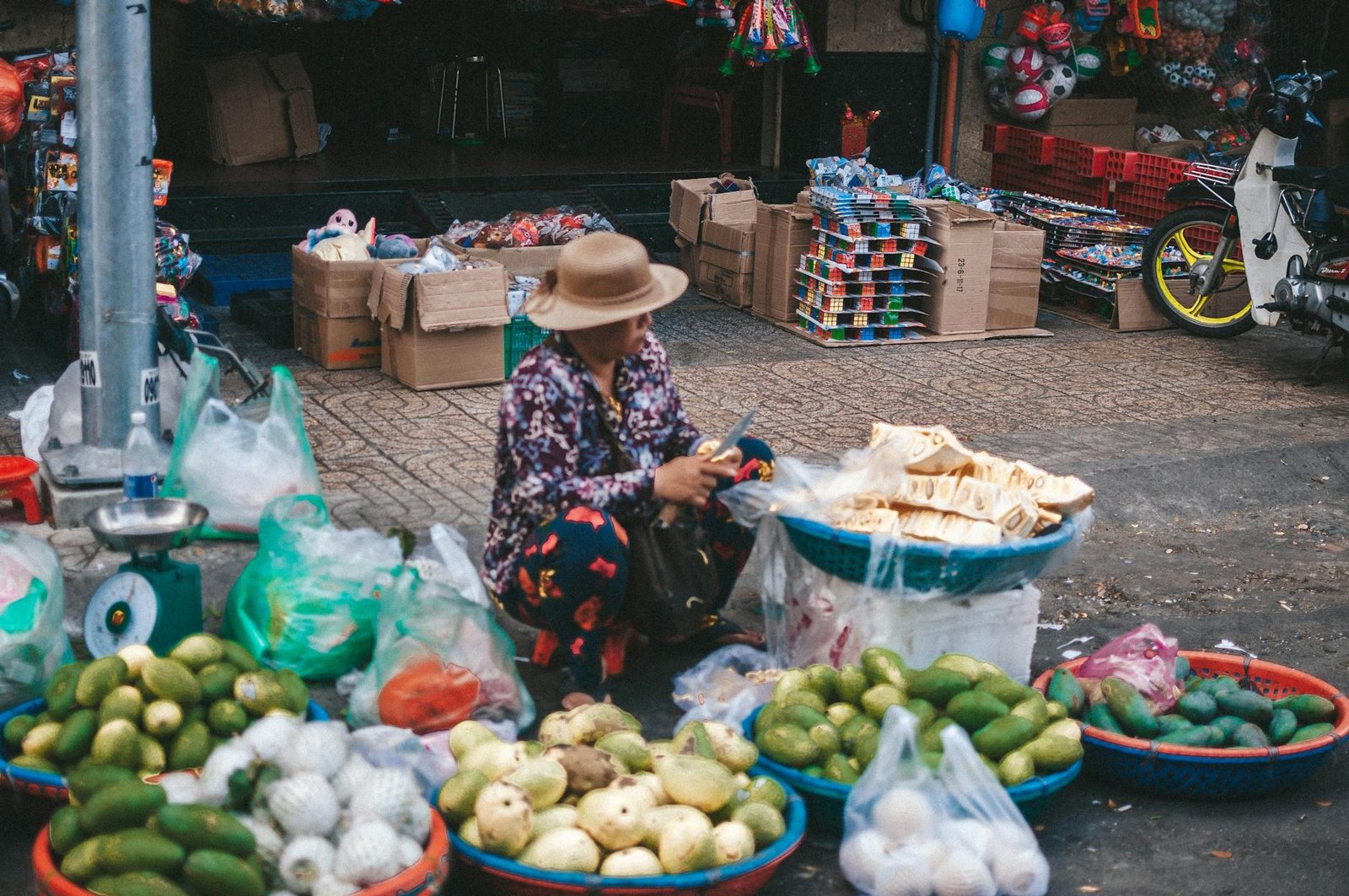
Ho Chi Minh City — still called Saigon by pretty much everyone who lives here — is one of Southeast Asia’s most electrifying food destinations. Steaming bowls of pho served at plastic stools on cracked sidewalks. Elegant French-influenced restaurants tucked inside colonial-era buildings. This city feeds you at every turn, and if you let it, it will completely overwhelm you. In the best possible way. This guide is your definitive roadmap to eating your way through one of the world’s greatest food cities.
The History of Ho Chi Minh City’s Food Culture
To truly understand the food of Ho Chi Minh City, you need to understand the extraordinary history that shaped it. Saigon has spent centuries absorbing culinary influences from every direction, and the result is one of the most dynamic and layered food cultures on the planet.
The story begins long before the city had its modern name. The Mekong Delta region, which cradles the city, has been farmed and fished for thousands of years. The Khmer people were among the earliest inhabitants of this fertile land, and traces of their agricultural traditions — fermented fish pastes, tropical herbs, river seafood — remain deeply embedded in local cooking to this day.
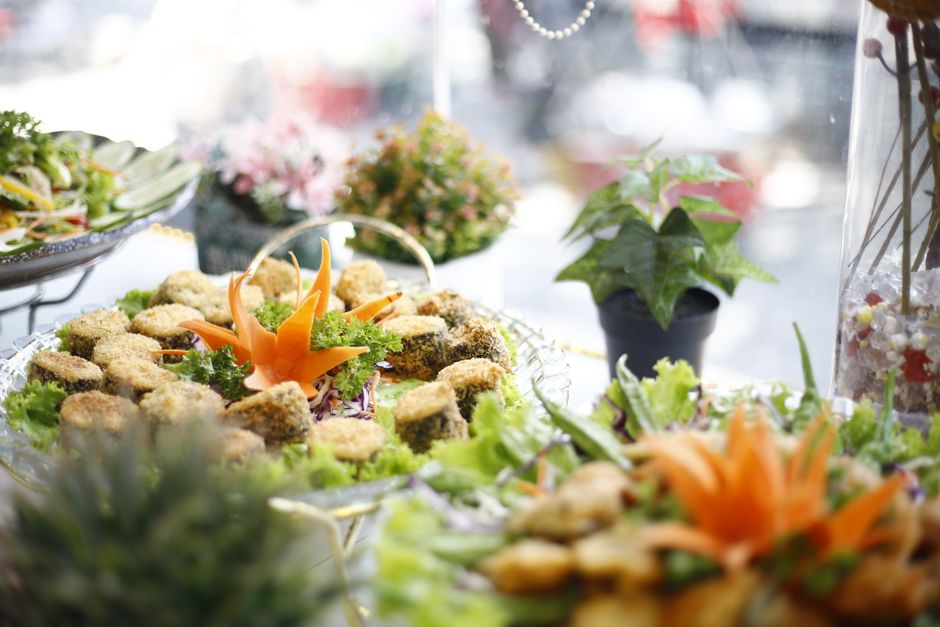
The most transformative chapter in Saigon’s food history arrived with Chinese immigration, which surged from the 17th century onward. Merchants and settlers from Cantonese, Teochew, and Hakka communities brought stir-frying techniques, noodle-making traditions, and ingredients like tofu, soy sauce, and five-spice powder. The Cholon district — still one of Southeast Asia’s largest Chinatowns — became a culinary melting pot that permanently fused Chinese cooking with Vietnamese flavor profiles. Hu tieu, that beloved southern noodle soup, traces its roots directly to this cultural exchange.
Then came the French. Between 1859 and 1954, French colonial rule left a profound and — paradoxically — delicious mark on Vietnamese cuisine. Baguettes, pâté, strong coffee, butter. Rather than adopting these foreign elements wholesale, Vietnamese cooks transformed them entirely. The French baguette became the banh mi — lighter, airier, infinitely more interesting when stuffed with pickled daikon, cilantro, and chili. French café culture was reimagined with sweetened condensed milk and robusta beans, creating the iconic ca phe sua da that Vietnam now exports to the world. Creative culinary resistance, essentially. It produced some of Vietnam’s most celebrated foods.
The period following the fall of Saigon in 1975 brought significant upheaval, but also unexpected culinary consequences. The Vietnamese diaspora spread southern cooking traditions across the globe, while internal migration brought northern and central influences back into the city. Hanoians introduced their more austere, herb-forward style, which blended with the sweeter, bolder southern palate. Today’s Ho Chi Minh City food scene is the direct product of all these collisions — ancient and constantly reinventing itself at the same time.
What makes southern Vietnamese cooking distinctly different from the rest of the country is its fearless use of fresh herbs, its preference for sweetness in savory dishes, and its reliance on the Mekong Delta’s abundant natural resources. Coconut milk, lemongrass, galangal, dozens of varieties of fresh greens — these appear across every price point. Sugar shows up in braises and sauces in a way that genuinely surprises visitors from the north. And the proximity to the sea and the delta means fresh seafood, river fish, and crustaceans form the backbone of the diet in a way that feels almost oceanic in its generosity.

Six Must-Try Foods in Ho Chi Minh City
With hundreds of incredible dishes available across the city, narrowing the list is nearly impossible. But these six dishes represent the absolute essence of Saigon’s food culture — dishes that tell the story of the city in every bite.
1. Banh Mi Saigon
No dish better encapsulates Ho Chi Minh City’s culinary identity than the banh mi. It exists throughout Vietnam, sure, but the Saigon version is widely considered the gold standard, and locals will tell you so with zero hesitation. The bread itself is critical — a baguette hybrid that shatters when you bite it but is impossibly light inside. French baguettes rarely pull this off.
What goes inside is where Saigon bakers truly distinguish themselves. A proper banh mi Saigon starts with a generous smear of butter and pâté, followed by layers of cold cuts — cha lua (Vietnamese pork sausage), sliced roast pork, sometimes Vietnamese ham. Pickled daikon and carrot add crunch and brightness. Fresh cilantro and sliced cucumber. Red chilies for heat. A few drops of Maggi seasoning sauce to tie everything together. The result is a symphony of textures and flavors packed into a sandwich that typically costs between 15,000 and 40,000 Vietnamese dong — roughly sixty cents to two dollars.
The legendary Banh Mi Huynh Hoa on Le Thi Rieng Street is worth the inevitable queue. Their sandwiches are famously overstuffed to the point of structural chaos — packed with such extraordinary generosity that eating one requires both hands and genuine commitment. Get there before 11 AM if you want to avoid the longest waits.
2. Hu Tieu Nam Vang
Pho gets all the international glory, but hu tieu is Saigon’s deeply personal answer — and locals will argue passionately that it’s more interesting in every way. The dish originated in Phnom Penh (Nam Vang in Vietnamese) and was brought to Saigon by Teochew Chinese immigrants, making it a dish that genuinely belongs to three cultures at once.

The broth is the revelation. Pork bones slow-cooked for hours, often enriched with dried squid and shrimp, it achieves a sweetness and depth that is completely distinct from the star-anise aromatics of pho. The noodles are thin, translucent rice noodles with a satisfying chew. Toppings typically include sliced pork, shrimp, pork liver, and fish balls. A critical feature of hu tieu is that it can be served either soup-style or dry (kho), with the broth on the side for dipping — the dry version is particularly addictive.
The dish arrives at the table with bean sprouts, garlic chives, and fried shallots, and you adjust from there — white pepper, chili, lime — until it’s exactly right. Find the best versions at dedicated hu tieu carts that run from early morning until the soup runs out, mostly in Cholon and around District 5.
3. Bun Thit Nuong
Bun thit nuong is the kind of dish that converts even dedicated noodle soup loyalists into room-temperature noodle enthusiasts. Cold vermicelli noodles topped with grilled pork, fresh herbs, bean sprouts, crushed peanuts, and fried shallots, then dressed with a pungent, sweet-sour-salty nuoc cham that is essentially the defining condiment of southern Vietnamese cuisine.
The grilled pork is the star. Thin slices of pork shoulder or belly marinated in lemongrass, garlic, fish sauce, sugar, and sometimes coconut milk, then grilled over charcoal until caramelized and slightly charred at the edges. Those smoky, sweet pork slices against the cool slippery noodles, the crunch of fresh bean
Book a Food Tour in Ho Chi Minh City
Join a small-group food tour and taste the best of Ho Chi Minh City with a local guide. Skip the tourist traps — discover the hidden spots only locals know.


Book a Food Experience in Top Destinations
Handpicked experiences — book with free cancellation and instant confirmation.
Explore More Food Tours
More food guides from Vietnam:
You might also enjoy:
- Siem Reap Food Tour Guide (Cambodia)
- Beijing Food Tour Guide (China)
Frequently Asked Questions
How much does a food tour in Ho Chi Minh City cost?
Food tours in Ho Chi Minh City typically range from €25 to €80 per person for a guided group tour. Private tours and premium culinary experiences can cost more, while self-guided food walks are often free or low-cost.
How long do food tours in Ho Chi Minh City last?
Most guided food tours in Ho Chi Minh City last between 2 and 4 hours and include multiple tasting stops. Walking food tours tend to run around 3 hours, while sit-down dining experiences may last longer.
What local dishes should I try on a Ho Chi Minh City food tour?
A food tour in Ho Chi Minh City is the best way to discover authentic local specialties. Your guide will take you to street food markets, traditional restaurants, and neighbourhood gems that locals love — dishes you would never find on your own.
What is the best area for street food in Ho Chi Minh City?
The best areas for street food and local cuisine in Ho Chi Minh City are usually found in the old town, central food markets, and traditional neighbourhoods away from the main tourist hotspots. A local food guide will show you exactly where to go.
Are food tours in Ho Chi Minh City suitable for people with dietary restrictions?
Most food tour operators in Ho Chi Minh City can accommodate vegetarian, vegan, halal, and gluten-free diets with advance notice. Always inform your guide of any dietary requirements when booking so they can plan the best route for you.