Dubrovnik Food Tour – Best Local Food & Restaurants
Dubrovnik Food Guide: A Culinary Journey Through the Pearl of the Adriatic
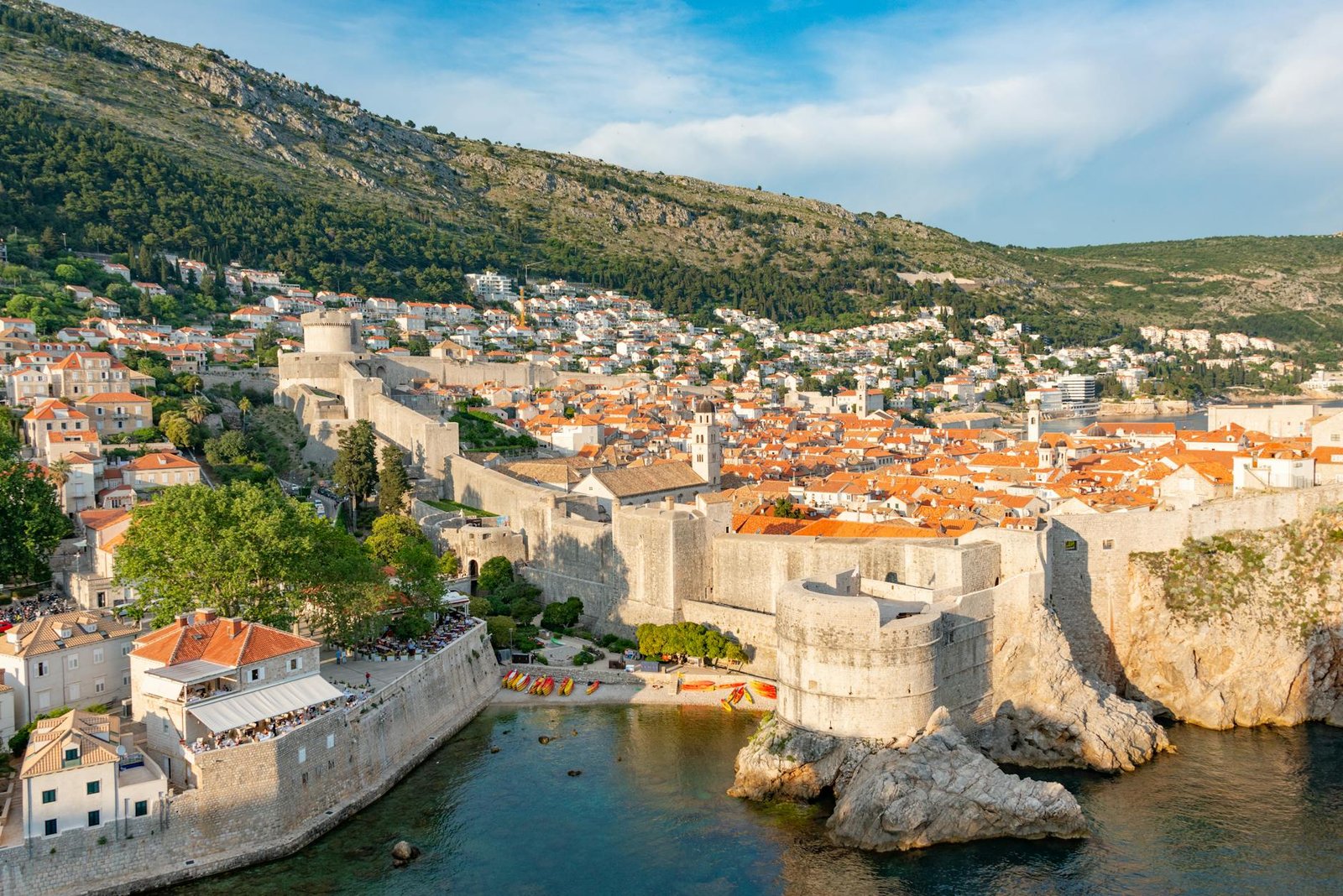
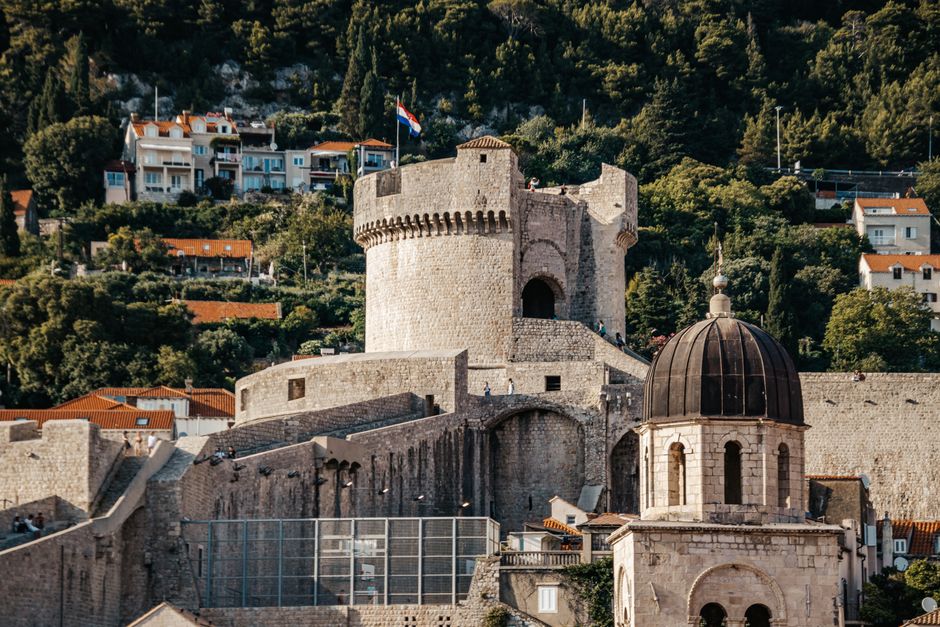
Dubrovnik gets reduced to its walls and its Game of Thrones filming locations constantly, and that’s a shame. Yes, the walled city is extraordinary. But the food scene here is doing something genuinely interesting — centuries of Venetian, Ottoman, and Mediterranean influence layered into a cuisine that’s both proudly local and quietly sophisticated. Wander off the marble-paved Stradun into one of the konobas tucked behind the old city walls, and you’ll start to understand what I mean. Every meal has a backstory.
The History of Dubrovnik’s Food Culture
To understand what lands on your plate in Dubrovnik, you need to know about the Republic of Ragusa — the independent city-state that thrived here from the 14th century until Napoleon shut it down in 1808. At its peak, Ragusa rivaled Venice. Its merchant ships moved silk, spices, salt, and silver across the Mediterranean, and those global trade connections left permanent fingerprints on the local cuisine.
The Republic sat at the crossroads between East and West, which meant exotic spices from the Ottoman Empire — cinnamon, cloves, nutmeg — worked their way into Dalmatian cooking in ways that still surprise visitors today. You don’t expect warm spice notes in coastal Mediterranean food, but there they are. The Venetian influence brought fish-curing techniques and meat preservation methods. Greek and Byzantine connections deepened an already serious olive oil culture. And the salt flats on the nearby island of Ston were so economically vital to Ragusa that the republic actually went to war to protect them. That same salt still seasons the oysters harvested in Ston Bay right now.

The Adriatic has always been the dominant force in Dubrovnik’s kitchen, though. Generations of fishermen built an intimate, practical knowledge of the sea — when the sardines were running fat, when squid were thick in the water, when dentex and sea bream were feeding in the rocky shallows. That relationship produced a food philosophy that prizes freshness over technique. A well-grilled fish needs good local olive oil, a squeeze of lemon, maybe some herbs. That’s it. The best restaurants in Dubrovnik still operate from this principle, even as ambitious young chefs have brought modern ideas to the table.
Communist-era Yugoslavia standardized parts of the food scene but also reinforced the konoba — the traditional family-run tavern — as a community anchor. Since Croatian independence in 1991, and then the tourism explosion triggered by a certain HBO series, things have accelerated dramatically. Young chefs who trained in Zagreb, London, and Copenhagen have come back with modern techniques and fierce pride in hyper-local ingredients. The result is a food culture with genuine range: grandmothers ladling black risotto from century-old recipes at one end, molecular gastronomy reimagining Adriatic seafood at the other.
Must-Try Foods in Dubrovnik
1. Crni Rižoto (Black Risotto)
If Dubrovnik has one signature dish, crni rižoto is it. The squid ink risotto shows up on virtually every serious restaurant menu in the city, and it is absolutely not a tourist gimmick. Dalmatian fishermen have been eating this for centuries — it came from the practical logic of wasting nothing from a day’s catch. The squid’s ink sacs transform simple rice into something deeply savory, briny, and complex in a way that’s hard to describe until you taste it. A proper version should be slightly loose in consistency, somewhere between risotto and porridge, with tender squid or cuttlefish folded through. Finished with good olive oil and fresh parsley. The rice should have bite. The ink flavor should be pronounced but not overwhelming. Konoba Kolona near the fish market does a particularly memorable version. Konoba Dubrava, just outside the city walls, is equally worth your time.
2. Prstaci (Date Mussels)
This one comes with a bittersweet story. Prstaci — date mussels, or Mediterranean date shells — are a bivalve that embed themselves so deeply into limestone rock that harvesting them requires physically breaking apart the seabed. The environmental damage was severe enough that Croatia banned harvesting entirely in 2006. You won’t find them on any restaurant menu. What you might occasionally encounter, served quietly at private dinners or local festivals, are carefully sourced preparations from people who’ve maintained cultural connections to this ingredient for generations. The reason prstaci matter, even now, is their historical weight. For centuries they were considered the ultimate Adriatic delicacy — intensely oceanic, sweet, unlike anything else. Understanding why they disappeared is itself part of understanding Dubrovnik’s food culture and the complicated relationship this community has with sustainability. For what it’s worth, the region’s common mussels are superb and ethically harvested. Order those instead and feel good about it.
3. Ston Oysters and Shellfish
Make the fifty-kilometer drive south to the Pelješac Peninsula. It takes about an hour and the road is beautiful. The village of Ston sits beside Mali Ston Bay, which is protected by the longest preserved medieval wall system in the world after the Great Wall of China. Cold mountain water meets warm Adriatic water in this sheltered bay, and the result is a uniquely clean growing environment. The European flat oysters that come out of here have a deeply mineral flavor with a finish that actually lingers. Shellfish farmers still harvest from small traditional boats. You can sit at a waterfront table within sight of the oyster beds and eat them raw with a squeeze of local lemon for around two euros each. Captain’s Table in Ston is something of a legend among Croatian food travelers, though even the simpler waterfront stalls are working with exceptional product. Some Dubrovnik restaurants do serve Ston oysters, and they’re worth ordering. But eating them at the source, looking at the water they came from — that’s a different experience entirely.
4. Grilled Fish (Riba na Žaru)
Riba na žaru — grilled fish — appears on almost every menu along the Croatian coast, and it never gets old when the fish is this fresh. The key in Dubrovnik is knowing what to order and verifying its freshness before you commit. Sea bream, called orada locally, is the benchmark: firm white flesh that takes on a beautiful smoky char while staying moist inside. Brancin, sea bass, is equally prized. Dentex — zubatac in Croatian — has a richer, slightly sweeter flavor and is a genuine local favorite. Always ask if the fish is svjeza, meaning fresh from today’s catch. Be a little skeptical if the answer comes too fast and too confidently. The best fish arrives simply — alongside blitva, Swiss chard sautéed with garlic and olive oil, and some boiled potatoes. It sounds modest. Executed with quality ingredients and care, it’s one of the great simple pleasures of eating on this coast.
5. Lamb from Dalmatia (Dalmatinski Janjetina)
Dubrovnik’s cuisine is dominated by seafood, understandably, but the region has an equally serious meat tradition built around lamb from the rocky Dalmatian hinterland. The lamb raised on the island of Brač and the Pelješac Peninsula,
Book a Food Tour in Dubrovnik
Join a small-group food tour and taste the best of Dubrovnik with a local guide. Skip the tourist traps — discover the hidden spots only locals know.


Book a Food Experience in Dubrovnik
Handpicked experiences — book with free cancellation and instant confirmation.
Explore More Food Tours
More food guides from Croatia:
You might also enjoy:
- Mostar Food Tour Guide (Bosnia and Herzegovina)
- Venice Food Tour Guide (Italy)
Featured in:
Frequently Asked Questions
How much does a food tour in Dubrovnik cost?
Food tours in Dubrovnik typically range from €25 to €80 per person for a guided group tour. Private tours and premium culinary experiences can cost more, while self-guided food walks are often free or low-cost.
How long do food tours in Dubrovnik last?
Most guided food tours in Dubrovnik last between 2 and 4 hours and include multiple tasting stops. Walking food tours tend to run around 3 hours, while sit-down dining experiences may last longer.
What local dishes should I try on a Dubrovnik food tour?
A food tour in Dubrovnik is the best way to discover authentic local specialties. Your guide will take you to street food markets, traditional restaurants, and neighbourhood gems that locals love — dishes you would never find on your own.
What is the best area for street food in Dubrovnik?
The best areas for street food and local cuisine in Dubrovnik are usually found in the old town, central food markets, and traditional neighbourhoods away from the main tourist hotspots. A local food guide will show you exactly where to go.
Are food tours in Dubrovnik suitable for people with dietary restrictions?
Most food tour operators in Dubrovnik can accommodate vegetarian, vegan, halal, and gluten-free diets with advance notice. Always inform your guide of any dietary requirements when booking so they can plan the best route for you.