
Jeddah Food Tour – Best Local Food & Restaurants
Jeddah, Saudi Arabia: The Ultimate Food Guide
Introduction to Jeddah’s Culinary Scene
Jeddah, Saudi Arabia’s vibrant port city on the Red Sea, has emerged as one of the Middle East’s most exciting culinary destinations. This historic gateway to Mecca has absorbed influences from traders, pilgrims, and merchants traveling along ancient spice routes for centuries, creating a unique gastronomic landscape that blends Hijazi traditions with broader Arabian flavors. The city’s cosmopolitan character means you’ll find everything from authentic family-run eateries serving recipes passed down through generations to innovative modern restaurants pushing the boundaries of Middle Eastern cuisine. Whether you’re wandering through the atmospheric Al-Balad district or dining along the Corniche, Jeddah offers an unforgettable food journey that reveals the soul of Saudi Arabian culture.
The food culture in Jeddah is deeply rooted in tradition and hospitality. Meals are more than just sustenance—they’re opportunities for connection, celebration, and storytelling. From humble street stalls to upscale establishments, every dining experience in Jeddah tells a story of heritage, craftsmanship, and pride in local ingredients and preparation methods.
Traditional Hijazi Cuisine and Historic Flavors
Hijazi cuisine represents the heart of Jeddah’s food identity, characterized by bold spices, fresh seafood, and aromatic rice dishes. Kabsa, the region’s most iconic dish, consists of fragrant basmati rice cooked with meat (traditionally lamb or chicken) and a complex blend of spices including cardamom, cinnamon, and cloves. Every family in Jeddah has their own kabsa recipe, and the dish appears on tables during celebrations and everyday meals alike. Another essential Hijazi specialty is madrouba, a creamy, savory dish made by cooking meat with ghee and bread until it reaches a porridge-like consistency, traditionally served during religious occasions and family gatherings.
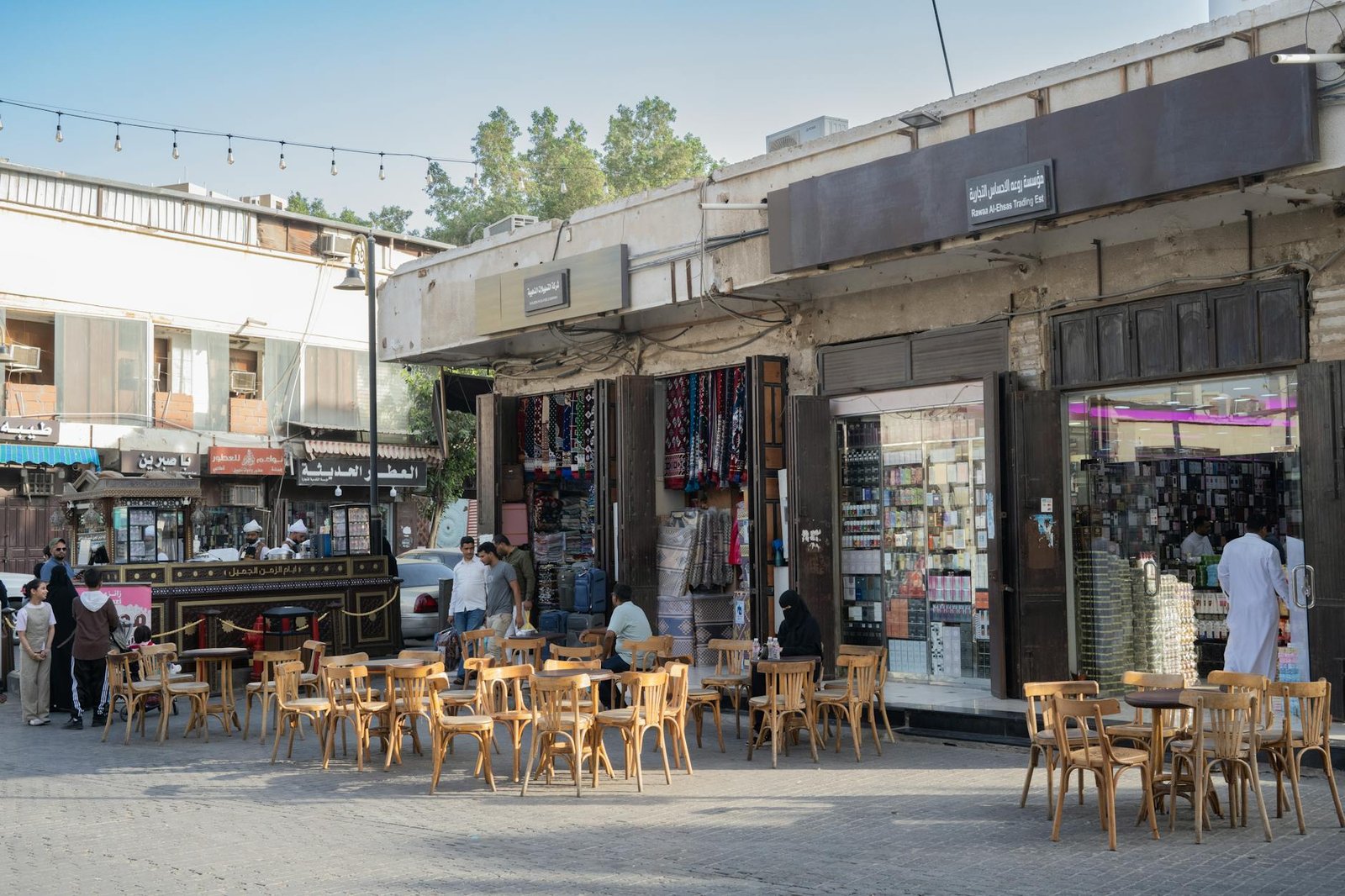
Seafood holds a special place in Jeddah’s culinary tradition given the city’s maritime location. Grilled hammour (grouper), caught fresh from the Red Sea, is prepared simply with lemon and garlic to let the fish’s natural flavors shine. Shrimp, crab, and squid appear frequently in local dishes, often incorporated into rice pilafs or grilled whole over charcoal. Falafel and hummus, though found throughout the Arab world, take on their own character in Jeddah with local variations in seasoning and preparation. Don’t miss samak wa tahdig—crispy rice layered with spiced fish, a beloved local comfort food that exemplifies the marriage of seafood and rice central to Hijazi cooking.
Al-Balad: Exploring the Old City’s Food Heritage
Al-Balad, Jeddah’s UNESCO-listed historic district, is the epicenter of authentic local food culture. This enchanting neighborhood of narrow lanes, traditional coral-stone architecture, and bustling markets has fed Jeddahis for over four centuries. Walking through Al-Balad’s winding streets, you’ll encounter food stalls tucked into centuries-old buildings, family restaurants operating in restored traditional houses, and markets overflowing with fresh produce, spices, and ingredients essential to local cooking.
Souq Al-Alawi and surrounding areas offer an immersive experience in local food culture. Here you can find vendors selling fresh herbs, dried limes, saffron, and other spices that form the backbone of Hijazi cuisine. Stop at one of the numerous juice stands for fresh pomegranate or carrot juice, or grab a plate of falafel from a weathered street vendor who’s likely been working the same spot for decades. Many small restaurants and cafes serve traditional breakfasts of eggs, cheese, bread, and honey that locals enjoy before starting their day. The atmosphere is raw, authentic, and utterly captivating—a stark contrast to Jeddah’s modern developments.
Top Street Food and Markets
Jeddah’s street food scene is legendary among Gulf visitors and locals alike. Shawarma stands populate nearly every corner, offering thin-sliced meat wrapped in flatbread with tahini, tomatoes, and pickles—the perfect quick meal while exploring the city. Falafel sandwiches, crispy on the outside and fluffy within, are equally ubiquitous and incredibly satisfying. Look for vendors selling manakish, a flatbread topped with za’atar or cheese, often eaten for breakfast or as an afternoon snack. Grilled corn, stuffed peppers, and skewered meats sizzle over charcoal at various street corners throughout the city.
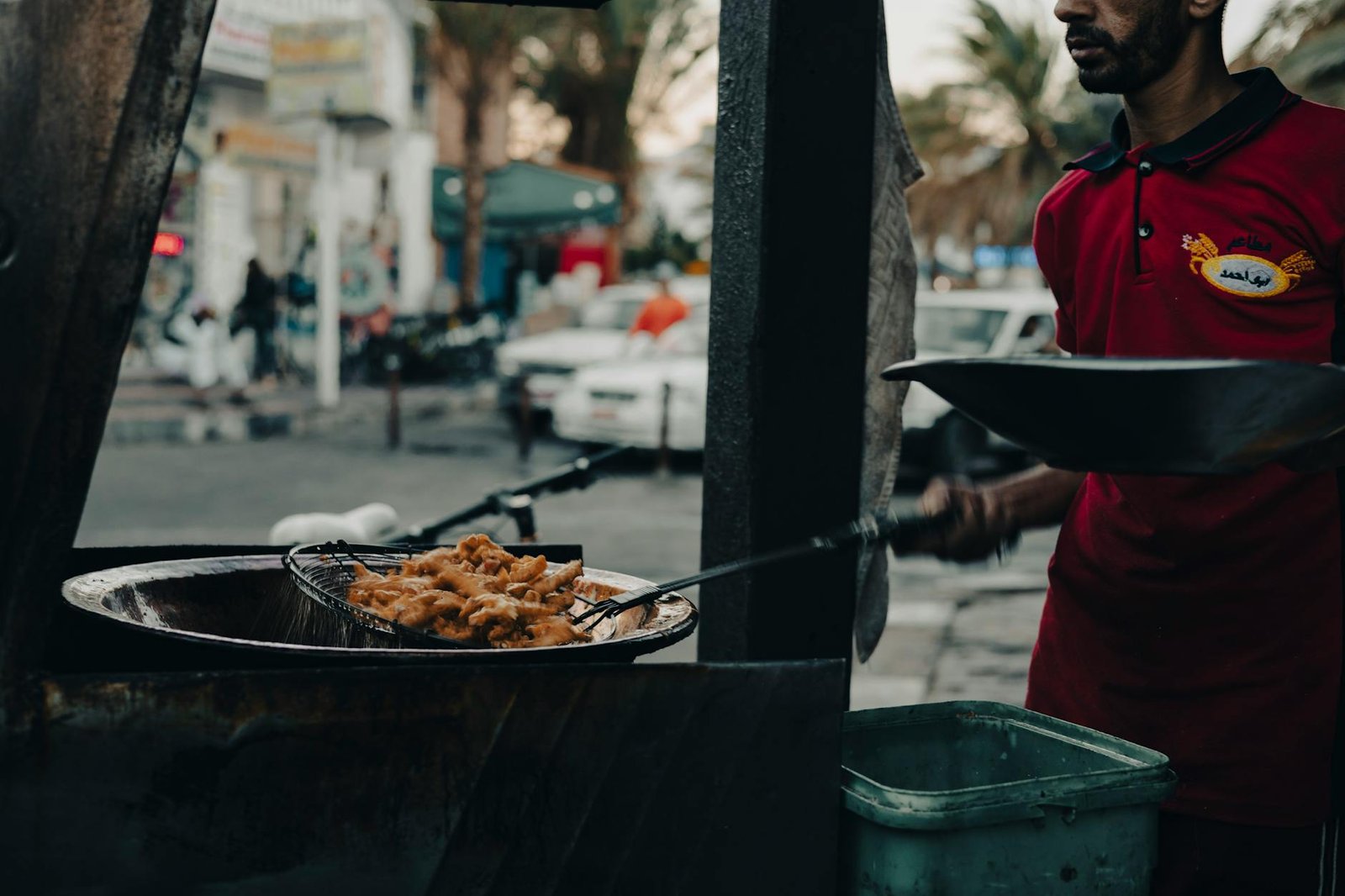
The fish markets near the Corniche are worth visiting even if you’re not purchasing—the energy, aromas, and variety of Red Sea seafood are captivating. Jeddah Waterfront Market offers fresh catches daily, and many restaurants nearby will prepare your selection. Night markets and seasonal food festivals occasionally take over public spaces, offering everything from traditional sweets like basboussa and ma’amoul to contemporary street food creations. For dates and dried fruits, visit the spice souks where vendors sell premium Saudi dates, especially during Ramadan when quality and variety peak.
Best Restaurants in Jeddah
For fine dining with a local focus, Shang Palace on Corniche Road serves refined cuisine in an elegant setting with impressive views. gather offers contemporary Arabian cuisine with an emphasis on presentation and innovation while maintaining respect for traditional flavors. For casual, authentic dining, Kudu is a beloved local chain specializing in Arabian fast-casual food—their mixed grill and seafood offerings are excellent. Must Eatery provides an excellent introduction to local bites and flavors, perfect for breakfast or quick snacks.
For a more upscale experience, The Waterfront Kitchen along the waterfront offers excellent cuisine serving both local and international dishes. Al Ferdaus Restaurant, while offering a broad menu, is notable for respecting and incorporating local Saudi ingredients. Many visitors recommend eating at smaller, family-run establishments in residential neighborhoods—ask your hotel concierge for recommendations, as word-of-mouth often leads to the city’s best-kept culinary secrets.
Best Food Tours and Experiences
Several platforms offer organized food tours through Jeddah’s most interesting neighborhoods and markets. Viator offers guided culinary tours focusing on Al-Balad, the spice markets, and traditional restaurants, often led by knowledgeable local guides who provide cultural context alongside food tastings. GetYourGuide features similar experiences, including night market tours and seafood-focused excursions. These tours typically include visits to multiple restaurants or market stalls with tastings, transportation, and detailed explanations of local food traditions and preparation methods.
For a more personalized experience, consider hiring a private guide through local tourism companies who can tailor itineraries to your specific interests. Food-focused stays at traditional boutique hotels in Al-Balad sometimes include cooking classes or guided market tours as part of their packages. These experiences offer invaluable insights into how Jeddahis actually cook and eat, moving beyond tourist-oriented presentations to authentic daily practices.
When to Visit for Food
Ramadan transforms Jeddah’s food culture completely, with special dishes, extended market hours, and festive evening meals becoming central to daily life. If you can visit during this month, you’ll experience food traditions unique to the Islamic calendar, though note that restaurants close during daylight hours and the city’s rhythm changes significantly. The dates are different each year, so plan accordingly. The months following Ramadan through early autumn (June-September) bring excellent fresh produce and seafood, though the heat is intense.
Winter months (November-February) offer ideal weather for food exploration, with comfortable temperatures perfect for market wandering and outdoor dining. During these months, local festivals occasionally celebrate regional cuisine, and the abundance of seasonal ingredients peaks. Avoid visiting during the hottest months if you prefer exploring markets and street food scenes on foot, as temperatures exceeding 45°C make extended outdoor time uncomfortable.
Practical Tips for Food Lovers in Jeddah
Learning a few Arabic food phrases enhances the experience and shows respect to vendors and restaurant staff. Don’t hesitate to ask about ingredients or preparation methods—locals generally appreciate genuine interest in their food. Many small restaurants lack English menus, so either bring a translation app or ask for recommendations. Breakfast is typically an early, substantial meal, while dinner often begins around 9 PM. Ramadan dramatically changes dining hours, so check ahead if visiting during this period.
Finally, come with an adventurous spirit and flexible expectations. Some of Jeddah’s best meals come from unassuming establishments without much English signage or modern amenities. The authentic food experiences you’ll remember most often occur in simple settings where locals gather daily. Embrace the chaos of the markets, the warmth of family-run restaurants, and the genuine hospitality that characterizes Jeddah’s food culture. Your palate and spirit will thank you for it.



Book a Food Experience in Jeddah
Handpicked experiences — book with free cancellation and instant confirmation.
Explore More Food Tours
More food guides from Saudi Arabia:
You might also enjoy:
- Abu Dhabi Food Tour Guide (UAE)
- Dubai Food Tour Guide (UAE)
- Alexandria Food Tour Guide (Egypt)
- Cairo Food Tour Guide (Egypt)
- Beirut Food Tour Guide (Lebanon)
Frequently Asked Questions
What is the typical cost of a food tour in Jeddah?
Most food tours in Jeddah range from 250 to 500 Saudi Riyals (approximately $67-$133 USD) per person for a 3-4 hour guided experience. Premium tours that include private guides and fine dining establishments can cost up to 800 Riyals, while budget street food walking tours may start as low as 150 Riyals. Prices typically include tastings at multiple venues but may or may not include beverages.
How long does a typical food tour in Jeddah last?
Most standard food tours in Jeddah last between 3 to 4 hours, covering 5-8 different food stops in a neighborhood or along the corniche. Evening tours are particularly popular, typically starting around 5 PM and concluding by 9 PM to capture both the sunset and the vibrant night food scene. Some specialized tours focusing on a single area or theme may run shorter at 2 hours, while comprehensive culinary experiences can extend to 5-6 hours.
What local Jeddah foods should I expect to try on a food tour?
You'll encounter signature Jeddah dishes like Kabsa (fragrant rice with meat), Shawarma, fresh seafood prepared with traditional spices, and Falafel wraps at street vendors. Expect to sample Jeddah's famous date varieties, sweet Basboosa pastries, creamy Umm Ali dessert, and traditional Fuul (fava bean dip) for breakfast stops. The city's food tours also highlight fresh tropical fruits, grilled fish from the Red Sea, and aromatic Saudi coffee paired with dates as per local custom.
Which neighborhoods in Jeddah are best for street food exploration?
Al-Balad (the historic old town) is the premier destination for authentic street food, featuring narrow alleys packed with traditional vendors selling Kabsa, grilled meats, and local sweets that have remained unchanged for decades. The Corniche area offers modern food vendors and beachfront dining experiences with fresh seafood, while the Souq area near the harbor provides genuine local atmosphere with small eateries serving traditional breakfast items. Khan Al-Matbakh in Al-Balad is specifically renowned for its concentration of cooking schools and street food stalls offering the most authentic Jeddah culinary experience.
How can I manage dietary restrictions on a Jeddah food tour?
Always inform tour operators in advance about your dietary needs—most guides can arrange vegetarian, vegan, or halal-specific tours, as the majority of Jeddah food is naturally halal and many restaurants offer excellent vegetable-based dishes like Hummus, Baba Ganoush, and salads. If you have allergies, bring a written list in Arabic to show vendors, and note that many traditional dishes contain nuts, seafood, or dairy. Request tours that focus on fruit stands, vegetable markets, and bread-making demonstrations if you have multiple restrictions, as these areas offer safe options.